
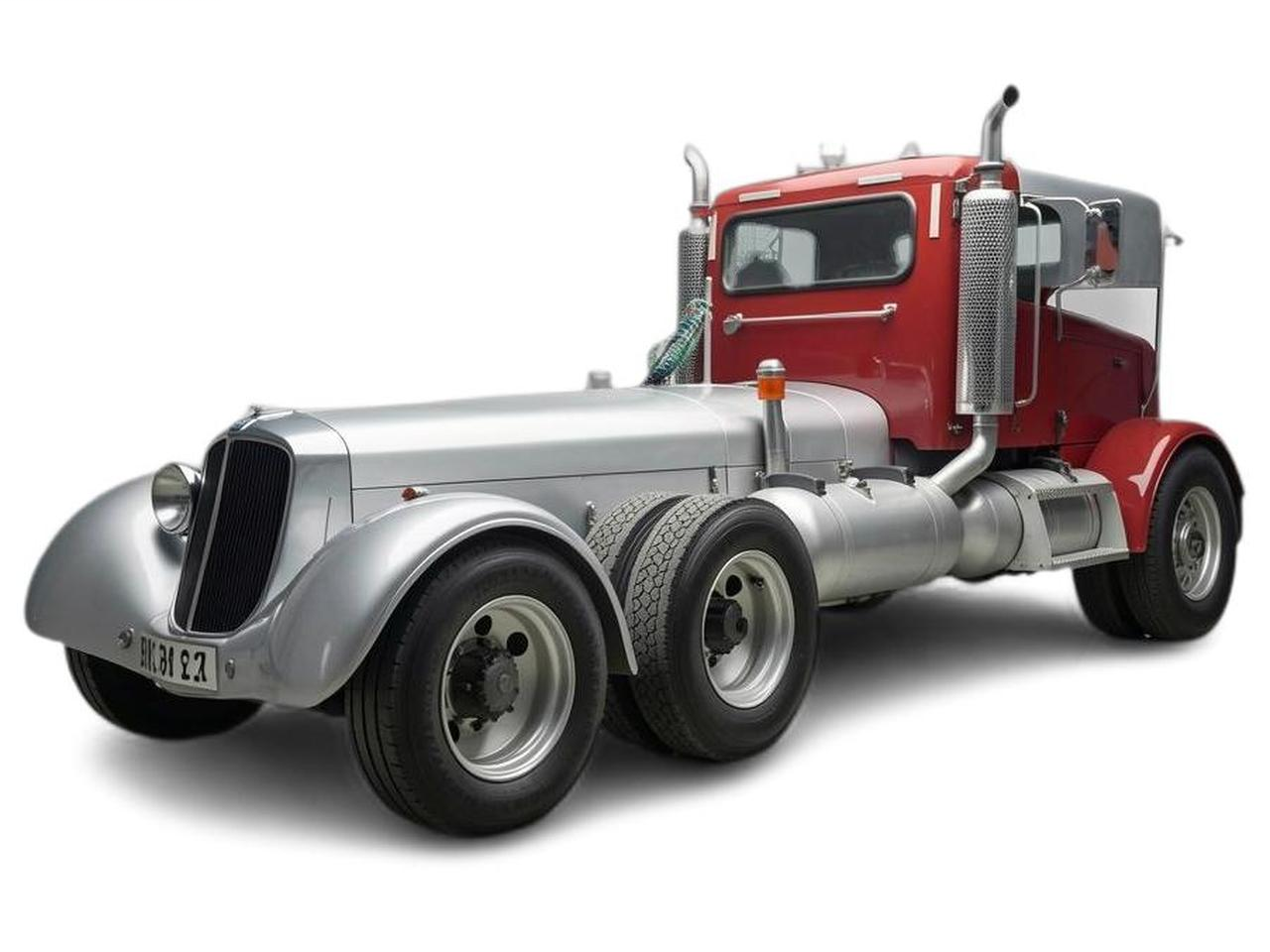
The Good
The 2007 Peterbilt 378 offers unparalleled reliability and driver comfort, wrapped in an iconic, timeless design. Its strong performance and robust construction provide a sense of security and pride, while its enduring value makes it a wise practical investment for demanding trucking needs.
The Bad
Potential weaknesses of the 2007 Peterbilt 378 can include aging electrical systems, especially in higher-mileage units. Wear on interior components and potential for DPF (Diesel Particulate Filter) issues, common in this era, are also points to watch out for during inspection.
2007 Peterbilt 378: Quick Overview
- Engine Options: The 2007 Peterbilt 378 was primarily offered with PACCAR's MX engines, but more commonly featured the robust Cummins ISX and ISM series, as well as Caterpillar C15 and C13 engines.
- Horsepower: Horsepower ratings varied significantly depending on the specific engine chosen, typically ranging from 350 hp to 600 hp. Common configurations included 435 hp, 475 hp, and 550 hp variants.
- Fuel Economy: Fuel economy is highly dependent on the specific engine, transmission, axle ratios, driving conditions, and load. For a Class 8 truck of this era, typical fuel economy would be in the range of 5 to 7 miles per gallon (MPG).
- 0-60 Times: 0-60 mph acceleration times are not a primary metric for heavy-duty trucks like the Peterbilt 378. Performance is measured in terms of pulling power and ability to maintain speed under load.
- Towing Capacity: As a Class 8 truck, the 2007 Peterbilt 378 is designed for heavy hauling. Its towing capacity is substantial, typically ranging from 80,000 lbs to over 100,000 lbs Gross Combination Weight Rating (GCWR), depending on the configuration, frame strength, and drivetrain components.
- Trim-Level Features: While Peterbilt trucks are often customized, standard features for the 378 model would typically include a durable chassis, a spacious cab designed for long-haul comfort, and a driver-focused dashboard. Available options often included upgraded interior materials, sleeper options (e.g., 63-inch or 70-inch raised roof), premium seating, advanced climate control systems, and various aerodynamic enhancements. The focus is on functionality, durability, and driver ergonomics rather than extensive tech packages common in lighter vehicles.
2007 Peterbilt 378 Specifications
Vehicle Information
| Year | 2007 |
| Make | Peterbilt |
| Model | 378 |
| Trim | - |
| Style | - |
| Type | Truck |
| Category | Medium Truck |
Manufacturing Details
| Made In | United States |
| Manufacturing City | DENTON |
Dimensions
| Doors | - |
| Curb Weight | - |
| Gross Vehicle Weight Rating | 33000 pounds |
| Overall Height | - |
| Overall Length | - |
| Overall Width | - |
| Wheelbase Length | - |
| Standard Seating | - |
Engine & Performance
| Engine | 12L I6 |
| Engine Size | 14.6L |
| Engine Cylinders | 6 |
| Transmission | - |
| Transmission Type | - |
| Transmission Speeds | - |
| Drivetrain | Rear-Wheel Drive |
Additional Features
| Anti-Brake System | - |
| Steering Type | - |
Pricing
| Manufacturer Suggested Retail Price (MSRP) | - |
| Invoice Price | - |
| Delivery Charges | - |
Vehicle History Report
Specifications
History
Events
History Check
Check
Check
Check
Check
Listings
Recalls
Check
Analysis
What Problems Does the 2007 Peterbilt 378 Have?
Another area of concern for older trucks is the electrical system. Wiring harnesses can degrade over time, leading to intermittent electrical gremlins, faulty gauge readings, or issues with lights and accessories. The complexity of modern truck electronics means that diagnosing and repairing these issues can be time-consuming and costly.
For trucks equipped with certain engine models, such as some Cummins ISX or Caterpillar C15 variants, specific engine component failures have been noted. These can range from turbocharger issues to injector problems or EGR (Exhaust Gas Recirculation) valve failures. It's crucial to investigate the specific engine installed and its known historical issues.
HVAC systems are also prone to wear and tear, with leaks in the refrigerant lines or blower motor failures being common complaints, impacting driver comfort.
While Peterbilt is renowned for its durability, the frame and suspension components can experience wear, especially if the truck has been used for heavy vocational work or has carried excessive loads. Inspecting for cracks, rust, or worn bushings is important.
There were recalls issued for various Peterbilt models around this period, often related to specific component suppliers or manufacturing processes. For the 2007 model year, it's essential to check for any outstanding recalls related to braking systems, steering components, or chassis integrity. Long-term reliability is generally high if the truck has been meticulously maintained with regular oil changes, fluid checks, and proactive repairs. However, neglected maintenance can exacerbate these potential issues significantly.
How long will the 2007 Peterbilt 378 last?
What Technology & Safety Features are Included?
Standard Features typically included:
- A functional AM/FM radio, often with a CD player.
- Basic climate control (heating and air conditioning).
- Analog gauges for engine monitoring (tachometer, speedometer, oil pressure, water temperature, fuel level, voltmeter).
- Power windows and locks were often available as options or on higher-spec models.
Entertainment and Convenience Options could have included:
- Satellite radio readiness.
- CB radio integration.
- Upgraded sound systems with more speakers.
- Refrigerators or auxiliary power outlets for personal devices.
- Comfortable, air-ride driver seats.
- Sleeper cabs offered amenities like beds, lighting, and often storage.
Driver-Assistance and Safety Features were generally limited, as advanced electronic driver-assistance systems (ADAS) were not widespread in Class 8 trucks in 2007. Key safety aspects included:
- Robust braking systems (air brakes are standard).
- Durable chassis and cab construction designed to withstand significant forces.
- Standard safety belts.
- Limited visibility was a common trait of older truck designs, though large mirrors helped.
Optional safety equipment might have included features like anti-lock braking systems (ABS), which were becoming more common.
Crash-Test Ratings are not typically provided for heavy-duty commercial trucks like the Peterbilt 378 in the same way they are for passenger vehicles. Their design prioritizes occupant protection through structural integrity and isolation from impacts. The primary safety focus is on preventing accidents through reliable mechanicals and driver awareness, and mitigating the severity of accidents through robust construction.
What Colors Options are Available?
2007 Peterbilt 378 Prices and Market Value
In the current used market (as of late 2023/early 2024), prices for a 2007 Peterbilt 378 can vary drastically, typically ranging from $30,000 to $70,000. Factors heavily influencing resale value include:
- Mileage: Lower mileage trucks command significantly higher prices.
- Engine and Transmission: The specific make and condition of the engine (e.g., Cummins ISX, CAT C15) and transmission (e.g., Eaton Fuller) are crucial.
- Condition: Overall mechanical condition, interior and exterior appearance, and any recent major repairs or upgrades (e.g., new tires, updated emissions components).
- Configuration: The presence and condition of a sleeper, frame length, axle configurations, and wheelbase all impact value.
Peterbilt trucks, particularly the 378 model, hold their value well due to their reputation for durability and build quality, showing a slower depreciation curve compared to many other commercial vehicles. Well-maintained examples can remain valuable workhorses for many years.
2007 Peterbilt 378 Cost of Ownership
2007 Peterbilt 378 Fuel Efficiency
2007 Peterbilt 378 Recalls & Defects
Power Train:axle Assembly
Equipment:other:labels
Equipment:other:labels
Tires
Suspension
Power Train:axle Assembly
Trailer Hitches
2007 Peterbilt 378 Warranty
Basic
Powertrain
Rust
2007 Peterbilt 378 Insurance
reasonable repair costs.
How Does the 2007 Peterbilt 378 Compare to Other Truck?
Performance: Peterbilt has always been known for its powerful engine options, often featuring Cummins or PACCAR variants, providing robust hauling capabilities. Rivals like Kenworth often offer similar powertrain choices, with Freightliner and International also providing strong, competitive engines. Performance is generally comparable across the premium brands, with differences often boiling down to specific engine tunes and transmissions.
Features: In 2007, interior features and technology were relatively standard across the board, emphasizing driver comfort and functionality. Peterbilt and Kenworth often led in cab design and driver ergonomics, offering excellent visibility and build quality. Freightliner and International provided competitive interiors, though sometimes perceived as less premium. Features like sleeper cabs, advanced climate control, and comfortable seating were available across most premium brands.
Reliability: Peterbilt, along with Kenworth, holds a strong reputation for build quality and long-term reliability. Their robust chassis and durable components are designed for rigorous use. Rivals like Mack also have a strong legacy of reliability. Freightliner and International have historically had varying reliability records, sometimes facing more frequent electrical or emissions-related issues, though improvements were made over the years.
Price: When new, Peterbilts and Kenworths typically commanded a premium price due to their perceived quality and desirability. Freightliner and International often offered more competitive pricing, making them popular choices for fleet buyers prioritizing cost. In the used market, the 2007 Peterbilt 378 holds its value well, often retaining a higher resale price than comparable Freightliner or International models due to its strong brand cachet and durability reputation.
Alternatives:
- Similar Alternative: A 2007 Kenworth T800 is a very close competitor, often sharing similar powertrains and construction philosophies, offering comparable reliability and driver comfort.
- Potentially More Economical Alternative: A 2007 Freightliner Coronado or Century Class might offer a slightly lower purchase price in the used market while still providing capable performance and a comfortable cabin.
- Consideration for Specific Needs: For vocational applications, some might consider specialized trucks from brands like Western Star.
Final Verdict: Is the 2007 Peterbilt 378 a Good Truck?
It is absolutely worth buying, but predominantly in the used market, as new models of this specific design are no longer produced. The value proposition lies in its proven longevity and robust construction.
Conditions for purchase:
- Thorough Inspection is Crucial: Due to its age, a comprehensive pre-purchase inspection by a qualified heavy-duty mechanic is essential to identify potential issues with the engine, transmission, emissions system, and electrical components.
- Maintenance Records: Prioritize trucks with detailed maintenance history, demonstrating consistent care.
- Specific Engine/Transmission: Research the reliability of the specific engine and transmission installed, as some configurations are more desirable than others.
- Budget for Upkeep: Be prepared for ongoing maintenance and potential repairs, as it's a heavy-duty truck with significant operational costs.
For those who can find a well-maintained example and are prepared for the associated ownership costs, the 2007 Peterbilt 378 remains a highly capable and rewarding vehicle.

Drew B
Drew is a seasoned automotive expert and contributor to VinCheck.info. With nearly 15 years of experience as a former Porsche technician, he brings a wealth of hands-on knowledge to his writing. Born in North Carolina, a region renowned for its deep-rooted NASCAR culture, Drew developed a passion for cars early in life, often building and working on vehicles from a young age. At VINCheck, Drew leverages his extensive technical background to provide in-depth analyses of various vehicles. His articles often focus on engine performance, reliability, and maintenance insights, offering readers practical information grounded in real-world experience. Some of his notable contributions include reviews on the Mazda CX-5's longevity and detailed examinations of engine options for models like the 2011 Toyota Camry and Tacoma