
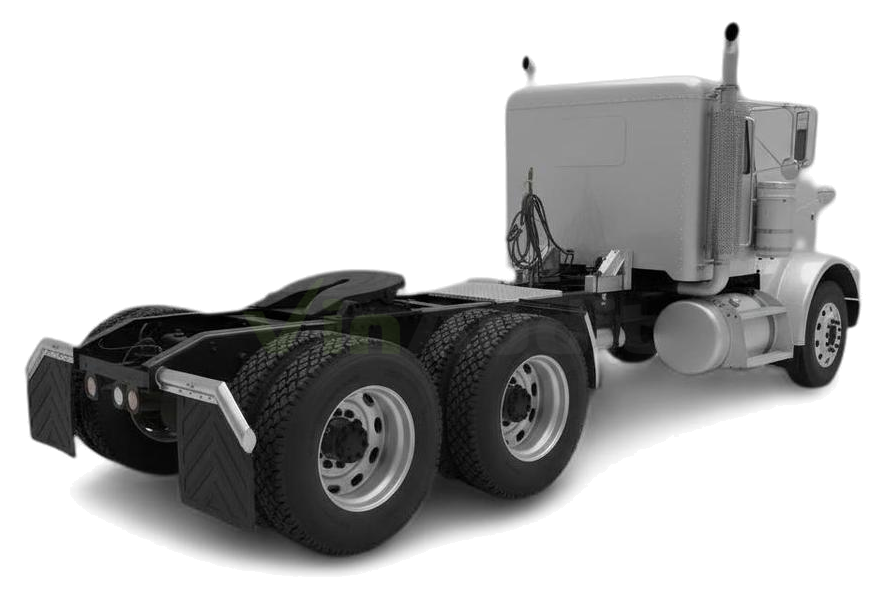
The 2005 Peterbilt 378 is a robust vocational truck, a staple in the heavy-duty segment known for its rugged construction and customizable nature. Produced for several years, it often featured conventional cab body styles. While specific trims varied based on vocational application, its popularity stems from its legendary durability, powerful performance options, and the iconic Peterbilt aesthetic. Pricing for used models varies widely based on condition and configuration.
The Good
The 2005 Peterbilt 378 offers exceptional performance and legendary reliability for demanding tasks. Its spacious cab provides surprising comfort for long hauls, and its classic, imposing design appeals to pride of ownership. For practical buyers, its durability ensures long-term value and lower lifetime operating costs.
The Bad
Potential weaknesses for the 2005 Peterbilt 378 include age-related wear on components like the electrical system and air brakes. Older models may exhibit rust on the chassis and body panels. Depending on the engine, some may find fuel economy to be a concern compared to newer, more advanced powertrains.
2005 Peterbilt 378: Quick Overview
- Engine Options: The 2005 Peterbilt 378 was typically equipped with powerful diesel engines. Common options included variations of the Caterpillar C15, Cummins ISX, and Detroit Diesel Series 60. These engines were renowned for their torque and longevity.
- Horsepower: Horsepower ratings varied significantly depending on the specific engine chosen and its configuration. Typical ranges spanned from approximately 400 horsepower to upwards of 550 horsepower, providing ample power for heavy-duty applications.
- Fuel Economy: Fuel economy for a vehicle of this class and age is not typically measured in traditional MPG like passenger cars. Instead, it's often discussed in gallons per mile or ton-miles per gallon. Expect figures to be considerably lower than lighter vehicles, with variations based on engine, load, terrain, and driving style. Averages could range from 4-6 MPG under optimal conditions for highway hauling.
- 0-60 Times: 0-60 mph acceleration is not a primary metric for heavy-duty vocational trucks like the 2005 Peterbilt 378. Performance is prioritized for torque and hauling capability, not quick acceleration. Times would be significantly longer than passenger vehicles, often exceeding 20-30 seconds when fully loaded.
- Towing Capacity: The towing capacity is highly dependent on the specific configuration, including the chassis, axle ratings, transmission, and fifth-wheel setup. Peterbilt 378 models are designed for heavy-duty towing, often rated for Gross Combined Weight Ratings (GCWR) well over 100,000 pounds, suitable for semi-trailer operations.
- Trim-Level Features: Trim levels were less about luxury and more about vocational application and customization. Features varied greatly but could include different cab lengths (e.g., conventional, extended), various suspension systems, specialized transmissions (manual or automatic), upgraded braking systems, and specific vocational body integrations like dump beds, flatbeds, or heavy-haul fifth wheels. Interior features often included durable materials, functional dashboards, and optional creature comforts like air conditioning and upgraded seating for driver comfort on long routes.
2005 Peterbilt 378 Specifications
Vehicle Information
| Year | 2005 |
| Make | Peterbilt |
| Model | 378 |
| Trim | - |
| Style | - |
| Type | Truck |
| Category | Medium Truck |
Manufacturing Details
| Made In | Canada |
| Manufacturing City | MONTREAL |
Dimensions
| Doors | - |
| Curb Weight | - |
| Gross Vehicle Weight Rating | 330001 pounds |
| Overall Height | - |
| Overall Length | - |
| Overall Width | - |
| Wheelbase Length | - |
| Standard Seating | - |
Engine & Performance
| Engine | 12L I6 |
| Engine Size | 14.6L |
| Engine Cylinders | 6 |
| Transmission | - |
| Transmission Type | - |
| Transmission Speeds | - |
| Drivetrain | 6x4 |
Additional Features
| Anti-Brake System | - |
| Steering Type | - |
Pricing
| Manufacturer Suggested Retail Price (MSRP) | - |
| Invoice Price | - |
| Delivery Charges | - |
Vehicle History Report
Vehicle
Specifications
Specifications
Ownership
History
History
All History
Events
Events
NMVTIS Title
History Check
History Check
Salvage/Rebuilt
Check
Check
Accident
Check
Check
Theft
Check
Check
Open Lien
Check
Check
Past Sale
Listings
Listings
Safety
Recalls
Recalls
Odometer
Check
Check
Market Price
Analysis
Analysis
What Problems Does the 2005 Peterbilt 378 Have?
The 2005 Peterbilt 378, being a robust vocational truck, generally enjoys a reputation for strong long-term reliability. However, as with any vehicle of this age and class, certain issues can arise. Frequently reported concerns often relate to the age and cumulative wear on components. The electrical system can be a point of concern, with owners sometimes reporting issues with wiring harnesses, sensors, and control modules, especially as they age and are exposed to vibrations and environmental factors. Cooling system components, such as radiators and thermostats, may require attention due to mileage and heat exposure. Air brake systems, a critical safety feature, can experience wear on seals, lines, and actuators, necessitating regular inspection and maintenance. Drivetrain components like the clutch, transmission, and differential, while robust, can eventually require rebuilds or replacements after hundreds of thousands of miles. Rust and corrosion on the chassis, cab corners, and wheel wells can be a concern, particularly in regions with harsh weather or heavy road salt usage. While specific recalls for the 2005 model year Peterbilt 378 are not widely publicized as major widespread defects, it is essential for potential buyers to research any applicable recalls through the NHTSA database for the specific VIN. Long-term reliability is heavily contingent on the vehicle's prior usage, maintenance history, and the owner's commitment to preventative care. Trucks used in severe vocational applications (e.g., construction, logging, heavy hauling) will naturally experience more wear and tear than those used for lighter, highway-based duties.
How long will the 2005 Peterbilt 378 last?
The 2005 Peterbilt 378 is built for longevity and can achieve hundreds of thousands of miles, often exceeding 750,000 to over 1 million miles with diligent maintenance. Years of service can easily reach 15-20 years or more, depending on usage and care. Its long-term durability is a hallmark, with its robust chassis and heavy-duty components designed for demanding work. Weaknesses that appear over time are typically related to the cumulative effects of mileage and environmental exposure, such as wear on the electrical system, cooling components, and potential for corrosion. However, the core mechanical integrity of a well-maintained Peterbilt 378 often remains strong for an extended period.
What Technology & Safety Features are Included?
The 2005 Peterbilt 378, being a vocational truck from its era, emphasizes functionality and durability over advanced integrated technology and driver-assistance systems common in modern passenger vehicles. Built-in tech was generally basic, focusing on essential operational displays and controls. Entertainment options were typically limited to an aftermarket-style radio or cassette player, with optional CD players. Connectivity features like Bluetooth or USB ports were not standard. Driver-assistance features were virtually non-existent by today's standards; systems like lane departure warning, adaptive cruise control, or automatic emergency braking were not integrated. Safety features primarily revolved around robust mechanical systems. This included a strong frame construction, reliable air brake systems, standard seatbelts, and powerful lighting for visibility. Optional safety features might have included enhanced mirror configurations for improved visibility or auxiliary lighting. Crash-test ratings for heavy-duty vocational trucks like the Peterbilt 378 are not conducted or published by organizations like the NHTSA in the same way they are for passenger cars. The primary focus in their design is on occupant protection in extreme conditions and the structural integrity to withstand heavy loads and potential impacts related to their operational environment, rather than standardized crash simulations for passenger vehicles.
What Colors Options are Available?
2005 Peterbilt 378 Prices and Market Value
When new, a 2005 Peterbilt 378 could command a price ranging from around $80,000 to well over $150,000 depending on its vocational configuration, engine, and options. The used market for these trucks sees significant variation. Well-maintained examples in good working order can still fetch anywhere from $25,000 to $70,000 or more. Depreciation is less about a consistent percentage loss and more about wear and tear, mileage, and the demand for specific configurations. Factors significantly affecting resale value include engine hours, overall condition, maintenance history, tire wear, and the presence of specialized vocational equipment. Trucks that have been meticulously maintained and have lower mileage for their age tend to retain their value best.
2005 Peterbilt 378 Cost of Ownership
Owning a 2005 Peterbilt 378 is generally not considered economical in the same way as a passenger car. Insurance costs will be substantial, reflecting the vehicle's value and operational risk. Fuel expenses are a major factor due to its powerful diesel engines and lower MPG. Maintenance and repair costs are significant; while durable, parts and labor for heavy-duty trucks are expensive, and regular preventative maintenance is critical. Long-term ownership leans towards costly but potentially high-value if used for commercial purposes. It is an investment in capability and durability, not a budget-friendly option.
2005 Peterbilt 378 Fuel Efficiency
Fuel Type
Diesel
Fuel Capacity
-
City Mileage
-
Highway Mileage
-
2005 Peterbilt 378 Recalls & Defects
Equipment:other:labels
Recall date
2013-11-25
Recall no.
13v593000
Source
NHTSA
Summary
Paccar Incorporated (Paccar) IS Recalling Certain 2004-2013 Peterbilt 379, 357, 378, 367, 388, 365, 389, 385 and 386 Trucks Manufactured From April 3, 2003, Through October 25, 2013 and Equipped With Tri-Drive Rear Axles and A TAG or Pusher Axle. THE Affected Vehicles MAY BE Missing Required Information From THE Certification Label, Specifically THE TAG or Pusher Axle THE Gross Axle Weight Rating, Suitable Tire and RIM Information, and Recommended Tire Pressure Information. Without This Information, THE Vehicles DO NOT Comply With THE Requirements OF 49 C.f.r. Part 567, "certification."
Consequence
AS A Result, THE Axles MAY BE Overloaded or THE Wrong Tires Could BE Installed or THE Tires Could BE Improperly Inflated. All OF These Issues Increase THE Risk OF A Crash.
Remedy
Peterbilt Will Notify Owners and Dealers Will Inspect and Replace THE Certification Labels Missing THE Necessary Information. THE Recall IS Expected TO Begin IN January 2014. Customers CAN Contact Peterbilt AT 1-940-591-4000. Peterbilt's Number FOR This Campaign IS 1113-f.
Notes
Owners MAY Also Contact THE National Highway Traffic Safety Administration Vehicle Safety Hotline AT 1-888-327-4236 (Tty 1-800-424-9153), or GO TO Www.safercar.gov.
Steering
Recall date
2005-11-29
Recall no.
05v543000
Source
NHTSA
Summary
ON Certain Trucks Equipped With THE Bendix Electronic Stability Control (Esp) System, THE System Uses Multiple Sensors and AN Electronic Control Unit (Ecu) TO Control Vehicle Under Steer, Over-Steer, and Rollover Situations. THE System Relies ON Vehicle Sensors TO BE Functioning and Aligned Properly. THE Steering Angle Sensor HAS THE Potential TO BE Misaligned With THE Steering Column Shaft, Thereby Providing Incorrect Information TO THE Bendix Ecu.
Consequence
This Condition Could Affect Vehicle Throttle Control and Braking, Thereby Leading TO Loss OF Vehicle Steering Control Which Could Cause A Crash Without Warning.
Remedy
Because OF THE Immediate and Substantial Risk, Kenworth and Peterbilt Dealers Will First Deactivate THE YAW Control Feature OF THE Bendix ESP System Preventing Inadvertent ESP Activation. When Parts ARE Available, THE Steering Column Will BE Replaced TO Insure Proper Alignment OF THE Steering Shaft Sensor and THE Full ESP System Will BE Reactivated. THE Recall Began ON December 7, 2005. Parts TO Complete THE Remedy ARE Estimated TO BE Available IN Early 2006. Owners MAY Contact Kenworth AT 1-425-828-5440 or Peterbilt AT 1-940-591-4201.
Notes
Kenworth Recall NO. 05kw6 and Peterbilt Recall NO. 1105d. Customers MAY Also Contact THE National Highway Traffic Safety Administration's Vehicle Safety Hotline AT 1-888-327-4236 (Tty 1-800-424-9153), or GO TO Http://Www.safercar.gov.
Suspension
Recall date
2005-04-28
Recall no.
05v189000
Source
NHTSA
Summary
ON Certain Heavy Duty Class 8 Trucks, THE Suspension HAS Transverse Beam Castings That MAY Fracture Under Normal Loads. IF A Casting Breaks When THE Vehicle IS Traveling ON A Roadway There IS THE Potential FOR Pieces OF THE Casting TO Become Projectiles and THE Suspension's Transverse Beam MAY Drop Down Low Enough TO Contact THE Road Surface.
Consequence
This Could Cause Sparks That Could Potentially Ignite and Cause A Fire.
Remedy
Dealers Will Inspect and Replace THE Defective Transverse Beam Assemblies Free OF Charge. THE Recall Began ON June 10, 2005, With Letters Being Mailed TO Peterbilt Owners; and ON June 17, 2005, FOR Kenworth Owners. Owners MAY Contact Peterbilt AT 940-591-4201 or Kenworth AT 425-828-5440.
Notes
Peterbilt Recall NO. 405-B and Kenworth Recall NO. 05kw3.customers MAY Also Contact THE National Highway Traffic Safety Administration's Vehicle Safety Hotline AT 1-888-327-4236 (Tty 1-800-424-9153), or GO TO Http://Www.safercar.gov.
Engine and Engine Cooling
Recall date
2005-12-22
Recall no.
05v570000
Source
NHTSA
Summary
ON Certain Tractors Equipped With Caterpillar Diesel Engines, THE Variable Valve Actuation OIL Line MAY Wear Against THE Sharp Edge OF THE Cylinder Head IF NOT Positioned Correctly.
Consequence
THE OIL Line MAY BE CUT ON THE Cylinder Head Causing AN OIL Leak and A Possible Fire.
Remedy
Caterpillar, IN Conjunction With Paccar, Will BE Conducting THE Owner Notification and Remedy FOR This Campaign Free OF Charge. Owners MAY Call Caterpillar AT 309-675-6496, Kenworth AT 425-828-5440, or Peterbilt AT 940-591-4201.
Notes
Kenworth Recall NO. 05kw7 and Peterbilt Recall NO. 1205e.customers MAY Also Contact THE National Highway Traffic Safety Administration's Vehicle Safety Hotline AT 1-888-327-4236(Tty 1-800-424-9153), or GO TO Http://Www.safercar.gov.
Service Brakes, AIR
Recall date
2007-02-12
Recall no.
07v044000
Source
NHTSA
Summary
ON Certain Non-Abs Equipped Trucks, AN AIR Hose Between THE Tractor Protection Valve and THE Back OF THE Cab Bulkhead WAS Omitted.
Consequence
THE Absence OF This AIR Hose Could Adversely Affect THE Drive Axle Brake Performance While A Trailer IS Being Pulled, Resulting IN Longer Stopping Distances, Increasing THE Risk OF A Crash.
Remedy
Peterbilt Will Inspect THE AIR Hose Plumbing OF THE Drive Axle Brake System and Make THE Necessary Repairs. THE Recall Began ON February 22, 2007. Owners MAY Contact Peterbilt AT 1-940-591-4196.
Notes
Peterbilt Recall NO. 107b.customers MAY Also Contact THE National Highway Traffic Safety Administration's Vehicle Safety Hotline AT 1-888-327-4236 (Tty 1-800-424-9153), or GO TO Http://Www.safercar.gov.
2005 Peterbilt 378 Warranty
Basic
Original warranty
0 months / No data
Estimated remaining
Expired
Powertrain
Original warranty
0 months / No data
Estimated remaining
Expired
Rust
Original warranty
0 months / No data
Estimated remaining
Expired
2005 Peterbilt 378 Insurance
Insurance for a 2005 Peterbilt 378 is moderately priced, reflecting its status as a Truck with strong safety ratings and
reasonable repair costs.
How Does the 2005 Peterbilt 378 Compare to Other Truck?
The 2005 Peterbilt 378 competes in the heavy-duty vocational truck segment against formidable rivals such as the Kenworth T800, Freightliner FLD, and International 9000 series. In terms of performance, the Peterbilt 378 is renowned for its robust power delivery and torque, often matching or exceeding its competitors in hauling capability. Reliability is where Peterbilt consistently shines; its legendary build quality and durable components often give it an edge in long-term dependability compared to some rivals. Features on the 2005 Peterbilt 378 were generally utilitarian, focusing on driver functionality and ruggedness, similar to its peers. Comfort levels were competitive for the era, with spacious cabs designed for long hours. Price-wise, Peterbilts often commanded a premium when new, reflecting their perceived quality and brand prestige, and this often translates to a stronger resale value in the used market. Similar alternatives offering comparable performance and reliability include the Kenworth T800, which shares many components and a similar reputation for durability. The Freightliner FLD offers a good balance of performance and value, though sometimes perceived as slightly less robust in extreme vocational use. The International 9000 series is another strong contender. For buyers prioritizing ultimate durability and a classic aesthetic, the 2005 Peterbilt 378 remains a top choice. If budget is a primary concern, a well-maintained Freightliner or International could be a more economical, though potentially slightly less robust, option. Ultimately, the choice often comes down to specific vocational needs and a preference for brand reputation and build philosophy.
Final Verdict: Is the 2005 Peterbilt 378 a Good Truck?

The 2005 Peterbilt 378 is ideal for owner-operators and businesses requiring a highly durable, powerful, and reliable vocational truck for demanding applications such as heavy hauling, construction, or specialized transport. It is absolutely worth buying for those who prioritize longevity, performance, and a strong resale value, especially when purchasing used. It is not suitable for those seeking modern tech, fuel efficiency in the passenger car sense, or low initial purchase price. Buying used is the only realistic option. Focus on well-maintained examples with detailed service records, prioritizing those with lower engine hours and a history of preventative care. Specific vocational trims should align with your intended use for maximum utility.