
The Good
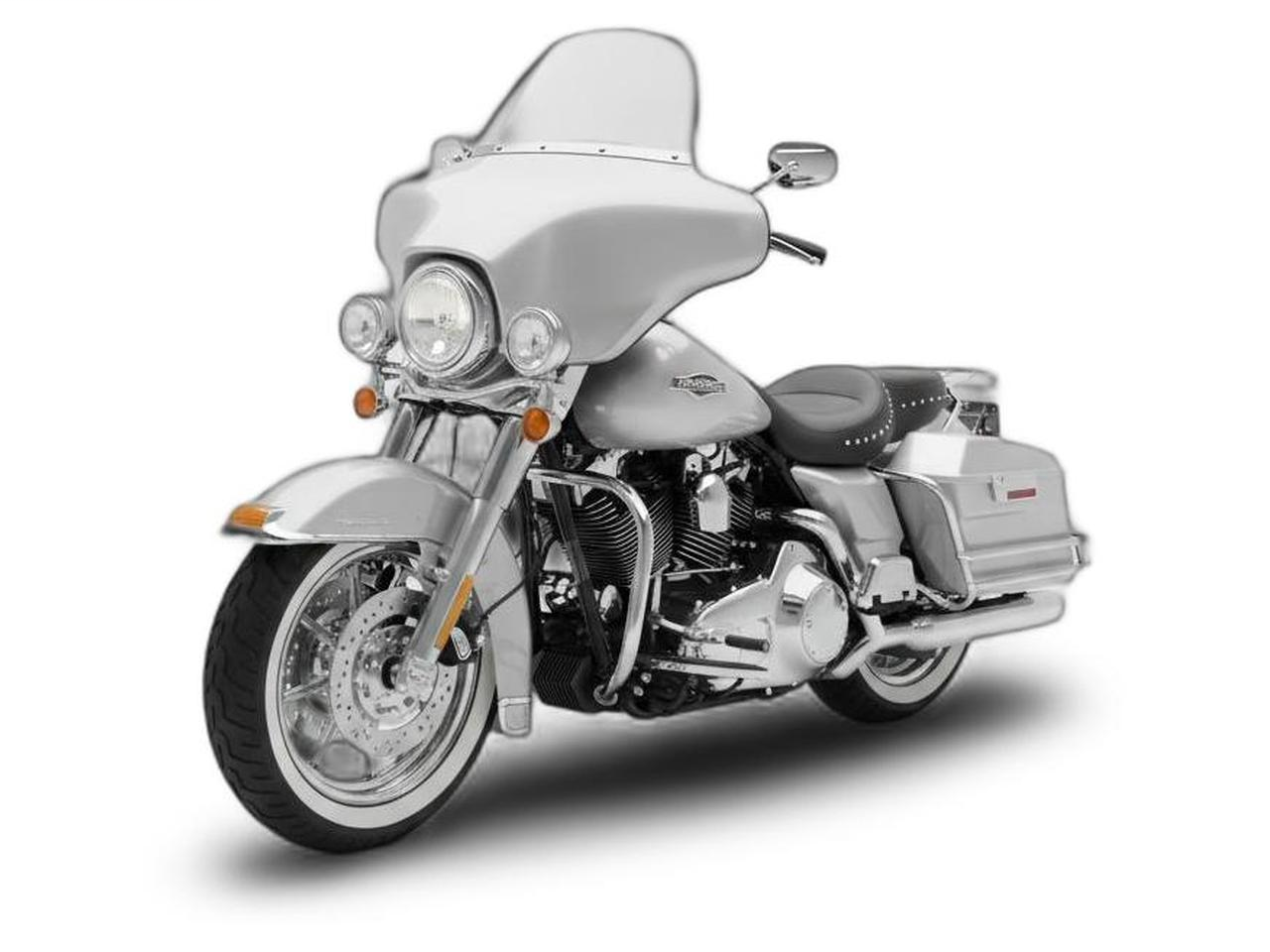
The 1992 Electra Glide Classic offers a legendary V-twin rumble (emotional appeal), a comfortable, stable ride for touring (practical comfort), classic iconic styling, and robust build quality, providing a strong sense of heritage and value for dedicated riders.
The Bad
Potential buyers of the 1992 Electra Glide Classic should watch for oil leaks, especially from the primary and transmission seals. Electrical gremlins, carburetor issues, and wear on suspension components are also common concerns that may require attention and maintenance.
1992 Harley-Davidson Electra Glide Classic: Quick Overview
- Engine Options: The primary engine for the 1992 Harley-Davidson Electra Glide Classic was the Evolution V-twin (also known as the Evo). This was a 1340cc (81.9 cubic inch) air-cooled, pushrod-actuated, OHV V-twin engine.
- Horsepower: While Harley-Davidson was notoriously tight-lipped about precise horsepower figures in this era, it is estimated to produce around 65-70 horsepower at the crankshaft. Torque was more emphasized, contributing to its cruising capabilities.
- Fuel Economy: Fuel economy for the 1992 Electra Glide Classic typically ranged from 35 to 45 miles per gallon (MPG), depending heavily on riding style, load, and road conditions.
- 0-60 Times: Specific 0-60 MPH times were rarely published by Harley-Davidson. However, due to its touring nature and weight, acceleration was more about steady progress than rapid bursts. Expect it to be in the 5-7 second range for 0-60, but it's not the bike's primary focus.
- Towing Capacity: As a factory-built motorcycle, the Electra Glide Classic is not rated for towing capacity in the traditional automotive sense. It is designed to carry its own weight and luggage, and sometimes a passenger. Attaching a trailer would be a modification by the owner, with no official manufacturer recommendation for capacity.
- Trim-Level Features: The Electra Glide Classic trim typically included:
- Batwing fairing with ample wind protection
- Full instrumentation
- Large saddlebags for storage
- Tour-Pak rear luggage carrier
- Comfortable two-up seating
- Floorboards for rider and passenger
- AM/FM radio and CB radio (often optional or standard on certain versions)
- Cruise control (optional on some models)
- Adjustable windscreen
- Chrome accents throughout
1992 Harley-Davidson Electra Glide Classic Specifications
Vehicle Information
| Year | 1992 |
| Make | Harley-Davidson |
| Model | Electra Glide Classic |
| Trim | - |
| Style | - |
| Type | Motorcycle |
| Category | Motorcycle |
Manufacturing Details
| Made In | United States |
| Manufacturing City | YORK |
Dimensions
| Doors | - |
| Curb Weight | - |
| Gross Vehicle Weight Rating | - |
| Overall Height | - |
| Overall Length | - |
| Overall Width | - |
| Wheelbase Length | - |
| Standard Seating | - |
Engine & Performance
| Engine | 1340CC |
| Engine Size | 1340L |
| Engine Cylinders | 2 |
| Transmission | - |
| Transmission Type | - |
| Transmission Speeds | - |
| Drivetrain | - |
Additional Features
| Anti-Brake System | - |
| Steering Type | - |
Pricing
| Manufacturer Suggested Retail Price (MSRP) | - |
| Invoice Price | - |
| Delivery Charges | - |
Vehicle History Report
Specifications
History
Events
History Check
Check
Check
Check
Check
Listings
Recalls
Check
Analysis
What Problems Does the 1992 Harley-Davidson Electra Glide Classic Have?
How long will the 1992 Harley-Davidson Electra Glide Classic last?
What Technology & Safety Features are Included?
Driver-assistance features were virtually non-existent. There were no electronic aids like traction control, ABS, or ride modes. The focus was on rider input and mechanical feedback. Safety features were primarily passive: sturdy construction, good lighting (headlight and taillight), and effective braking for the time, though ABS was not a factory option. Some later models or optional packages might have included cruise control for reduced rider fatigue on highways.
Crash-test ratings are not typically provided for motorcycles in the same way they are for cars. Instead, safety is assessed through design, braking performance, and handling characteristics. The Electra Glide Classic was designed with stability and rider comfort in mind, which contributes to safer riding, especially on longer trips. However, the absence of modern safety systems like ABS means that rider skill plays a more critical role in controlling the motorcycle in challenging conditions. Optional features were more about enhancing comfort and convenience, such as upgraded audio systems, custom seats, or luggage accessories, rather than active safety or advanced technology.
What Colors Options are Available?
1992 Harley-Davidson Electra Glide Classic Prices and Market Value
Harley-Davidson motorcycles, particularly iconic models like the Electra Glide, tend to hold their value reasonably well compared to many other brands. While depreciation is a factor, the 1992 model is considered a classic, and its resale value is influenced by factors such as: original paint and condition, maintenance history, number of modifications (stock is often preferred), and overall market demand for vintage touring bikes. Well-maintained, unmolested examples with fewer than 50,000 miles often represent the best value proposition.
1992 Harley-Davidson Electra Glide Classic Cost of Ownership
1992 Harley-Davidson Electra Glide Classic Fuel Efficiency
1992 Harley-Davidson Electra Glide Classic Warranty
Basic
Powertrain
Rust
1992 Harley-Davidson Electra Glide Classic Insurance
reasonable repair costs.
How Does the 1992 Harley-Davidson Electra Glide Classic Compare to Other Motorcycle?
Performance: Rivals like the Honda Gold Wing and Kawasaki Voyager offered smoother, more powerful, and more technologically advanced engines. Their performance was geared towards high-speed stability and effortless acceleration. The Electra Glide, with its Evolution engine, offered a more characterful, lower-RPM torque delivery, emphasizing a relaxed cruising pace over outright speed.
Features: Japanese tourers of this era often boasted more integrated technology, such as advanced audio systems, multi-function displays, and sometimes even reverse gear (on the Gold Wing). The Electra Glide's features were more focused on classic touring comfort: substantial fairing, ample luggage, and comfortable seating. While the radio was a key feature, it was often less sophisticated than those found on its competitors.
Reliability: This is where the comparison gets nuanced. While Japanese bikes were generally perceived as more reliable and requiring less frequent specialized attention, Harley-Davidson's Evolution engine gained a reputation for robustness in its own right. However, the Electra Glide Classic was more prone to oil leaks and electrical gremlins than a comparable Honda or Kawasaki.
Price: The Electra Glide Classic typically commanded a premium price when new, often sitting at the higher end of the spectrum, reflecting its brand prestige and American-made status. Its Japanese counterparts offered comparable or superior performance and features at a similar or sometimes lower price point.
Alternatives:
- Honda Gold Wing (e.g., GL1500): For those prioritizing smooth, quiet, and technologically advanced touring, the Gold Wing is a superb alternative. It offers superior performance and features but lacks the raw, visceral character of a Harley.
- Kawasaki Voyager (e.g., Voyager XII): Another strong contender, the Voyager offered a good balance of performance, comfort, and features, often at a slightly more competitive price than the Electra Glide.
- BMW K1100LT: For riders seeking a sophisticated, German-engineered touring experience with excellent handling and shaft drive, the K1100LT is worth considering. It offers a different kind of touring refinement.
The 1992 Electra Glide Classic remains a strong choice for those who value its iconic American style, V-twin rumble, and the community that comes with Harley-Davidson ownership, accepting its performance and reliability trade-offs for that distinct experience.
Final Verdict: Is the 1992 Harley-Davidson Electra Glide Classic a Good Motorcycle?
It is best purchased used. Buying new in 1992 was a significant investment, and the current market offers more value. Focus on well-maintained examples, ideally with lower mileage and a documented service history. While specific trims didn't vastly differ in core function, look for desirable optional features like cruise control or an upgraded sound system. A meticulously kept original bike will offer a more rewarding ownership experience than a neglected one, regardless of its trim level.
1992 Harley-Davidson Electra Glide Classic Owner Reviews

Drew B
Drew is a seasoned automotive expert and contributor to VinCheck.info. With nearly 15 years of experience as a former Porsche technician, he brings a wealth of hands-on knowledge to his writing. Born in North Carolina, a region renowned for its deep-rooted NASCAR culture, Drew developed a passion for cars early in life, often building and working on vehicles from a young age. At VINCheck, Drew leverages his extensive technical background to provide in-depth analyses of various vehicles. His articles often focus on engine performance, reliability, and maintenance insights, offering readers practical information grounded in real-world experience. Some of his notable contributions include reviews on the Mazda CX-5's longevity and detailed examinations of engine options for models like the 2011 Toyota Camry and Tacoma