
by VIN, Year, Make, Model by License Plate

2010 Polaris Multi-pass RZR Overview, Reviews, Ratings & Specs

Rating: 0.00
Based on 0 Owner Reviews
Simon A | June 16, 2026
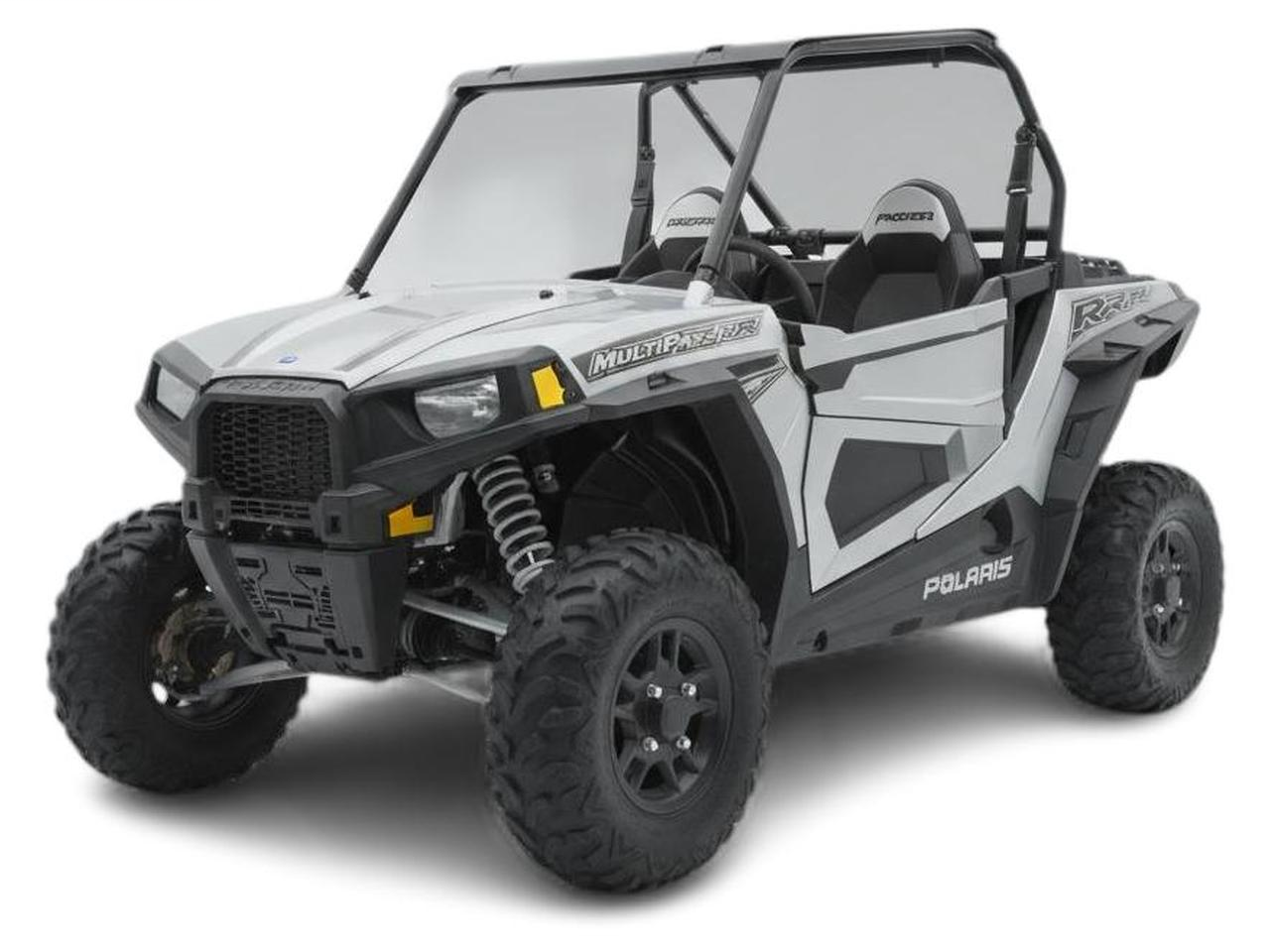
The 2010 Polaris RZR, often referred to by enthusiasts as the "Multi-pass RZR" due to its versatility, is a Side-by-Side (SxS) utility vehicle. Introduced as part of Polaris's RZR lineup, it exemplifies the growing popularity of off-road recreational vehicles. The 2010 model year saw the RZR line solidify its reputation for agile handling and performance in various terrains. Key trims for this era typically included the standard RZR and the RZR S, offering slightly different performance characteristics. New pricing for the 2010 models generally ranged from $11,000 to $15,000. Its popularity stems from its compact size, impressive suspension for its class, and spirited performance, making it a favorite for trail riding and light recreational use.
The Good

The 2010 Polaris RZR excels with its nimble performance, making it a joy to maneuver on trails. Its compact design enhances agility, while the capable suspension provides a surprisingly comfortable ride for its class, appealing to thrill-seekers. For the practical buyer, its relatively straightforward mechanics offer decent reliability and value for recreational off-roading.

The Bad

Potential owners of the 2010 Polaris RZR should be aware of its limited ground clearance compared to larger models, making it susceptible to bottoming out on rough terrain. Some users have reported early drivetrain wear, particularly on the axles and differentials, under heavy use. Overheating can also be a concern if the cooling system isn't meticulously maintained.

2010 Polaris Multi-pass RZR: Quick Overview

  • Engine Options: The 2010 Polaris RZR was primarily offered with a parallel-twin, liquid-cooled engine.
  • Horsepower: The standard RZR model typically featured an engine producing around 55 horsepower. The RZR S model often had a slightly more powerful engine, pushing closer to 60-70 horsepower, depending on specific configuration and year tweaks.
  • Fuel Economy: Fuel economy for the 2010 RZR is generally estimated to be in the range of 15-20 miles per gallon (MPG). This figure can vary significantly based on riding style, terrain, and load.
  • 0-60 Times: Specific 0-60 mph times are not officially published for these utility vehicles. However, based on performance reviews and user experiences, the RZR could likely accelerate from 0 to 60 mph in approximately 6-8 seconds for the standard model and potentially a bit faster for the RZR S, emphasizing its agile feel rather than outright top speed.
  • Towing Capacity: The 2010 Polaris RZR is not designed for significant towing. Its towing capacity is typically limited to around 1,500 lbs for light trailers or utility carts, and it's more suited for hauling gear within the vehicle itself.
  • Trim-Level Features:
    • Standard RZR: This trim offered the core RZR experience with independent front and rear suspension, electronic power steering (EPS) on some models, and a focus on nimble handling.
    • RZR S: The RZR S variant generally featured a wider stance for enhanced stability, longer-travel suspension for better off-road capability and a smoother ride over obstacles, and often came with more aggressive tires. It was positioned as a more performance-oriented option for enthusiasts seeking greater trail capability. Both trims typically included comfortable seating for two, a ROPS (Roll-Over Protection Structure), and basic instrumentation.

2010 Polaris Multi-pass RZR Specifications

Vehicle Information
Year 2010
Make Polaris
Model Multi-pass RZR
Trim -
Style -
Type Motorcycle
Category -
Manufacturing Details
Made In United States
Manufacturing City ROSEAU
Dimensions
Doors -
Curb Weight -
Gross Vehicle Weight Rating -
Overall Height -
Overall Length -
Overall Width -
Wheelbase Length -
Standard Seating -
Engine & Performance
Engine 760cc 2cyl
Engine Size 760L
Engine Cylinders 2
Transmission -
Transmission Type Manual
Transmission Speeds -
Drivetrain Four-Wheel Drive
Additional Features
Anti-Brake System -
Steering Type -
Pricing
Manufacturer Suggested Retail Price (MSRP) -
Invoice Price -
Delivery Charges -

Vehicle History Report

Vehicle
Specifications
Ownership
History
All History
Events
NMVTIS Title
History Check
Salvage/Rebuilt
Check
Accident
Check
Theft
Check
Open Lien
Check
Past Sale
Listings
Safety
Recalls
Odometer
Check
Market Price
Analysis

What Problems Does the 2010 Polaris Multi-pass RZR Have?

The 2010 Polaris RZR, while popular, has several reported issues that owners should be aware of. One of the more common concerns revolves around the drivetrain, specifically premature wear on the axles and CV joints, especially when subjected to aggressive riding, mud, or heavy loads. Many owners opt for aftermarket axle upgrades to address this. Another frequently mentioned issue is the potential for overheating, particularly in hot weather or during demanding climbs. This can be exacerbated by clogged radiators or failing coolant fans. Regular cleaning of the radiator and ensuring the cooling system is in top condition is crucial. Some users have also reported problems with the fuel pump and electrical systems, including issues with wiring harnesses and switches failing over time. The suspension components, while generally robust for its class, can also experience wear, especially bushings and ball joints, leading to clunking noises and reduced handling precision. While there weren't widespread, model-year-specific major recalls for the 2010 RZR that stand out significantly, typical maintenance items like belt wear and differential fluid changes are essential. Long-term reliability hinges heavily on consistent and thorough maintenance. Neglecting regular service, such as fluid changes and filter replacements, can significantly accelerate wear on critical components and lead to more costly repairs down the line. Owners who ride in abrasive conditions or frequently engage in high-speed maneuvers or rock crawling should be extra vigilant with inspections and maintenance.

How long will the 2010 Polaris Multi-pass RZR last?

Estimating the average mileage for a 2010 Polaris RZR is challenging as usage varies drastically. However, vehicles used for recreational trail riding might accumulate 5,000 to 10,000 miles over their lifespan. Those used more intensely for work or frequent off-road excursions could see higher mileage within fewer years. With diligent maintenance, including regular fluid changes, belt inspections, and addressing any emerging issues promptly, these vehicles can remain functional for 10-15 years. However, the powertrain and suspension components are the primary areas where weaknesses manifest over time. Axle and CV joint wear is common, and proactive replacement or upgrades can extend their life. The long-term durability is largely dictated by how well the owner mitigates these known wear points and maintains the crucial cooling and lubrication systems.

What Technology & Safety Features are Included?

The 2010 Polaris RZR was designed with functionality and off-road capability as its primary focus, meaning advanced technological features and driver-assistance systems were not a significant part of its offering. Built-in technology was largely limited to essential instrumentation, typically including a speedometer, odometer, fuel gauge, and indicator lights for basic functions like engine temperature and oil pressure. Entertainment options were minimal, with no integrated audio systems standard. Owners would typically install aftermarket stereos or Bluetooth speakers if desired. Driver-assistance features were virtually non-existent in the modern sense. Electronic Power Steering (EPS) was an available option on some models, significantly reducing steering effort, especially at lower speeds and over rough terrain, which could be considered a primitive form of assistance. Safety features were centered around the robust Roll-Over Protection Structure (ROPS) that provided a protective cage for occupants. Seatbelts were standard, and the general design prioritized a low center of gravity for stability. Unlike passenger vehicles, off-road utility vehicles like the RZR do not undergo formal crash-test ratings from organizations like the NHTSA or IIHS. Therefore, there are no crash-test ratings available for the 2010 Polaris RZR. The safety of occupants relies heavily on the structural integrity of the ROPS, proper use of seatbelts, and responsible operation of the vehicle.

What Colors Options are Available?

We’re working on this section!
In the meantime, feel free to explore the other sections for more content.

2010 Polaris Multi-pass RZR Prices and Market Value

When new, the 2010 Polaris RZR models typically ranged from approximately $11,000 for the base model to upwards of $15,000 for the more equipped RZR S variants. Like most powersports vehicles, the RZR experiences significant depreciation in its initial years. Currently, used 2010 Polaris RZR models can be found in the market for prices ranging from $4,000 to $8,000, heavily dependent on condition, mileage, and any aftermarket modifications. Factors significantly affecting resale value include the vehicle's overall condition, maintenance history, the presence of desirable upgrades (like upgraded suspension or axles), and overall cosmetic appeal. A well-maintained RZR with fewer hours/miles and desirable modifications will command a higher price than a neglected one.

2010 Polaris Multi-pass RZR Cost of Ownership

Owning a 2010 Polaris RZR can be moderately economical for recreational use, but costs can escalate with heavy use. Insurance premiums vary based on coverage, location, and usage, but expect to pay a few hundred dollars annually. Fuel costs depend on usage and the vehicle's MPG, typically averaging $100-$200 per year for recreational riders. Maintenance is crucial; budgeting $200-$400 annually for routine service (oil changes, filter replacements, belt checks) is wise. Repairs can be costly, especially for drivetrain components, with potential annual repair bills ranging from $100 to $600+ depending on issues encountered and whether DIY or professional service is used. While not prohibitively expensive, it's not as economical as a basic ATV.

2010 Polaris Multi-pass RZR Fuel Efficiency

Fuel Type Gasoline
Fuel Capacity -
City Mileage -
Highway Mileage -

2010 Polaris Multi-pass RZR Insurance

Insurance for a 2010 Polaris Multi-pass RZR is moderately priced, reflecting its status as a Motorcycle with strong safety ratings and
reasonable repair costs.

How Does the 2010 Polaris Multi-pass RZR Compare to Other Motorcycle?

The 2010 Polaris RZR competed in a burgeoning market of recreational Side-by-Sides. Key rivals at the time included the Arctic Cat Prowler and the Can-Am Commander. In terms of performance, the RZR was often praised for its nimble handling and agile nature, particularly the RZR S variant which offered a more aggressive suspension setup. The standard RZR was generally quicker off the line than some of its direct competitors in the same price bracket, though perhaps not as powerful as some larger, more specialized UTVs. Features on the 2010 RZR were basic by today's standards, focusing on essential off-road functionality rather than creature comforts. Rivals might have offered slightly more in terms of standard amenities or cargo capacity. Reliability is a mixed bag for the 2010 RZR; while the core powertrain is generally robust, issues like axle wear and occasional overheating were noted, which could be more prevalent than in some competitor models that benefited from more robust components or less aggressive tuning from the factory. Price-wise, the RZR was positioned competitively, often offering a strong value proposition for its performance envelope. Looking at similar alternatives from the same era, the Arctic Cat Prowler might offer more comfort and utility, while the Can-Am Commander (introduced a bit later in 2010) often boasted more power and a more premium feature set, albeit at a higher price point. For buyers seeking a similar agile and fun experience, a well-maintained 2010 RZR is a solid choice. However, if enhanced reliability or more creature comforts are a priority, considering a slightly newer model or a competitor like the Can-Am Commander might be worthwhile, though likely at a higher cost. If budget is a primary concern and pure performance is secondary, looking at a used Kawasaki Teryx from a similar year could also be an option, known for its ruggedness.

Final Verdict: Is the 2010 Polaris Multi-pass RZR a Good Motorcycle?

The 2010 Polaris RZR is ideal for recreational riders seeking an agile and fun off-road experience on moderate trails, who prioritize nimble handling over extreme power or luxury features. It's particularly well-suited for those looking for a capable entry into the SxS world without the hefty price tag of newer models. It is generally worth buying, especially on the used market, provided it has been well-maintained. Buyers should be prepared for potential maintenance on axles and the cooling system. Purchasing a used RZR S trim is often recommended for those who plan on tackling slightly more challenging terrain due to its enhanced suspension and wider stance. New models are scarce and likely not the best value compared to newer, more advanced options. A thorough inspection and a clean maintenance history are paramount when considering a purchase.

2010 Polaris Multi-pass RZR Owner Reviews

0.00
Consumer Rating, Based on 0 Consumer Reviews
Overall rating
Cancel
Thank You for Your Review!

We truly appreciate the time and effort you took to share your experience with us.

Uh oh!

Something went wrong, please try again later.

Author Image
Simon A

Simon is a contributor to VinCheck, where he provides articles and reviews on various automotive topics. His work focuses on delivering accurate and up-to-date information about used cars, helping readers make informed decisions.