
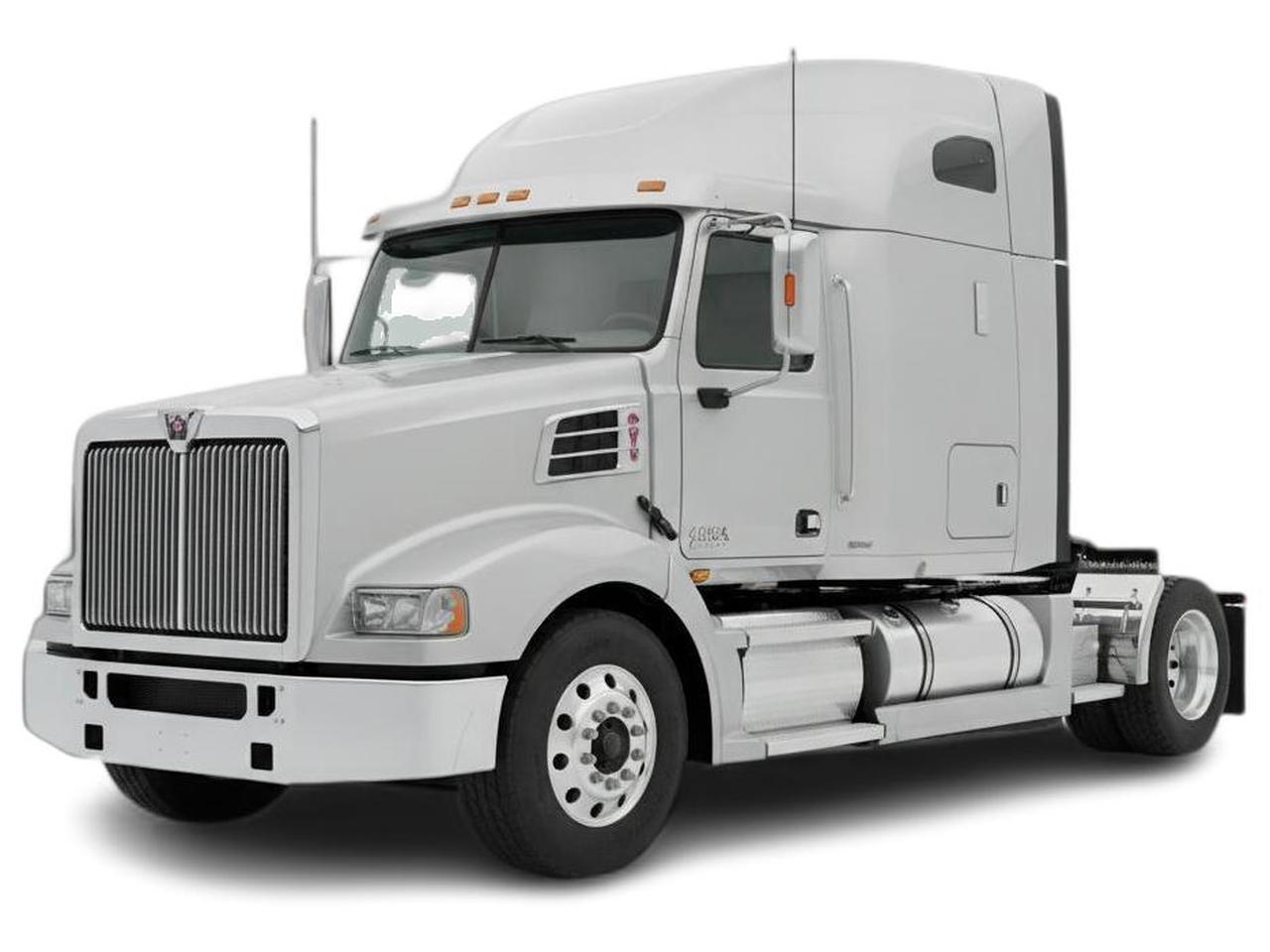
The Good
The 2011 Western Star 4900 SA excels in raw power and unparalleled reliability for demanding tasks. Its robust, classic design appeals to those who value heritage and commanding presence, while its customizable, durable build offers exceptional long-term value and a comfortable, functional workspace for drivers.
The Bad
Potential weaknesses for the 2011 Western Star 4900 SA can include the complexity and cost of advanced powertrain options. Older models may exhibit wear and tear on specific components if not meticulously maintained, and the truck's size and weight can impact maneuverability in tight urban environments.
2011 Western Star Trucks 4900 SA: Quick Overview
- Engine Options: The 2011 Western Star 4900 SA was typically equipped with powerful diesel engines from Detroit Diesel and Cummins. Common options included the Detroit DD15, DD13, and Cummins ISX series engines. These engines are designed for heavy-duty vocational applications, offering significant torque and durability.
- Horsepower: Horsepower ratings varied widely depending on the specific engine and configuration chosen, but generally ranged from approximately 400 horsepower up to 600 horsepower, and sometimes even higher for specialized applications.
- Fuel Economy: Fuel economy is highly dependent on the engine, transmission, load, and operating conditions. For heavy-duty vocational trucks like the 4900 SA, fuel economy is not a primary design consideration and would typically be in the range of 5-8 miles per gallon.
- 0-60 Times: 0-60 mph acceleration is not a standard metric for trucks of this class and purpose. These vehicles are designed for hauling heavy loads at lower speeds rather than rapid acceleration.
- Towing Capacity: Towing capacity for the 2011 Western Star 4900 SA is extremely high, as it is engineered for heavy-duty towing and hauling. Depending on the axle configuration, fifth-wheel setup, and chassis rating, it can tow well over 100,000 pounds (GCWR - Gross Combined Weight Rating). Specific ratings would be determined by the truck's build sheet.
- Trim-Level Features: The 4900 SA is more of a platform than a vehicle with distinct trim levels in the passenger car sense. Features are highly customizable and specified by the vocational application. Common configurations and available features include:
- Chassis Configurations: Various axle configurations (e.g., 4x2, 6x4), set-back or set-forward front axles to meet weight distribution and turning radius requirements.
- Cab Options: Day cabs, various lengths of conventional cabs (e.g., 36", 48", 60"), and specialized vocational cabs.
- Suspension: Heavy-duty leaf spring or air-ride suspensions tailored for load capacity and on/off-road conditions.
- Braking Systems: Advanced air brake systems with optional anti-lock braking (ABS).
- Interior: Functional and durable interiors designed for long hours of operation, with various seating options, gauge clusters, and steering wheel adjustments. Optional amenities might include upgraded seating, auxiliary heating/cooling, and basic entertainment systems.
- Body Upfitting: The SA (Short BBC - Bumper to Back of Cab) configuration is designed for optimal weight distribution and maneuverability when paired with specific vocational bodies like dump beds, concrete mixers, cranes, or refuse collection bodies.
2011 Western Star Trucks 4900 SA Specifications
Vehicle Information
| Year | 2011 |
| Make | Western Star Trucks |
| Model | 4900 SA |
| Trim | - |
| Style | - |
| Type | Truck |
| Category | - |
Manufacturing Details
| Made In | United States |
| Manufacturing City | PORTLAND |
Dimensions
| Doors | - |
| Curb Weight | - |
| Gross Vehicle Weight Rating | - |
| Overall Height | - |
| Overall Length | - |
| Overall Width | - |
| Wheelbase Length | - |
| Standard Seating | - |
Engine & Performance
| Engine | 14.6L I6 |
| Engine Size | 14.6L |
| Engine Cylinders | 6 |
| Transmission | - |
| Transmission Type | - |
| Transmission Speeds | - |
| Drivetrain | 6x4 |
Additional Features
| Anti-Brake System | - |
| Steering Type | - |
Pricing
| Manufacturer Suggested Retail Price (MSRP) | - |
| Invoice Price | - |
| Delivery Charges | - |
Vehicle History Report
Specifications
History
Events
History Check
Check
Check
Check
Check
Listings
Recalls
Check
Analysis
What Problems Does the 2011 Western Star Trucks 4900 SA Have?
Powertrain Wear: The powerful diesel engines (Detroit Diesel, Cummins) are generally very robust, but like any engine, they can experience issues with turbochargers, fuel injectors, EGR (Exhaust Gas Recirculation) systems, and exhaust after-treatment components (DPF - Diesel Particulate Filter) after significant mileage. These are often maintenance-related or a consequence of high operational hours.
Transmission and Drivetrain: Heavy-duty transmissions (e.g., Eaton Fuller manual or Allison automatic) and drivetrains are built to handle immense torque. However, clutch wear (for manual transmissions), differential issues, or driveshaft problems can arise with continuous heavy hauling or improper operation. Regular fluid changes and inspections are critical.
Electrical and Sensor Issues: Modern heavy-duty trucks incorporate complex electrical systems and numerous sensors. Issues with wiring harnesses, control modules (ECM/PCM), or specific sensors (like those for emissions or engine performance) can lead to diagnostic trouble codes and operational problems. Water intrusion or vibration can sometimes exacerbate these issues.
Suspension and Chassis Components: Given the harsh operating environments, suspension components such as leaf springs, bushings, and shock absorbers can experience wear. Frame cracks, especially in vocational applications involving significant torsional stress (like cranes or concrete mixers), are also a possibility if not regularly inspected and maintained.
Cab and Interior Durability: While built for function, heavy use can lead to wear on seats, flooring, and dashboard components. Air conditioning and heating systems can also require attention over time.
Emissions System Components: The emissions systems on trucks from this era, including Diesel Particulate Filters (DPF) and Selective Catalytic Reduction (SCR) systems, can be a source of maintenance and potential failure. Clogged DPFs or issues with DEF (Diesel Exhaust Fluid) injectors can lead to reduced performance and costly repairs if not properly maintained or regenerated.
Specific model year issues would require consulting detailed service records or industry forums for the 2011 Western Star 4900 SA. However, the general principle of diligent maintenance, especially fluid changes, filter replacements, and regular inspections of the powertrain, chassis, and electrical systems, is paramount for ensuring the long-term reliability of any heavy-duty vocational truck. Recalls would typically be investigated and addressed by the original owner or subsequent owners through dealerships.
How long will the 2011 Western Star Trucks 4900 SA last?
What Technology & Safety Features are Included?
Built-in Tech & Entertainment: Standard technology would typically include essential instrumentation for monitoring engine performance, fuel levels, air brakes, and other critical vehicle systems. Gauge clusters are designed for clarity and readability. Entertainment options were often basic, possibly featuring an AM/FM radio with a CD player. More advanced aftermarket stereo systems or satellite radio might have been installed as options or upgrades.
Driver-Assistance Features: True driver-assistance features in the modern sense (like lane departure warning, adaptive cruise control, or blind-spot monitoring) were generally not standard or widely available on vocational trucks of this era. The focus was on the driver's direct control and situational awareness. Optional features might have included items like power windows and mirrors, which enhance driver comfort during long shifts. Some advanced diagnostic tools and onboard computers for engine management and fleet tracking could be integrated.
Safety Features: Safety is paramount in heavy-duty trucking, and the 4900 SA is equipped with robust safety systems. These include:
- Air Brakes: Powerful and reliable air brake systems are standard, providing significant stopping power for heavy loads.
- Anti-lock Braking System (ABS): ABS was typically an option and is crucial for maintaining steering control during emergency braking situations.
- Heavy-Duty Frame and Cab Construction: The chassis and cab are engineered with high-strength materials to withstand significant forces and protect occupants in the event of a collision.
- Seatbelts: Standard three-point seatbelts are fitted for driver and passenger safety.
- Lighting: Comprehensive exterior lighting, including headlights, taillights, turn signals, and work lights, enhances visibility for the driver and other road users.
Crash-Test Ratings: Specific crash-test ratings for heavy-duty commercial trucks like the Western Star 4900 SA are not typically published by agencies like the NHTSA or IIHS in the same way they are for passenger cars and light trucks. The design intent and regulatory standards for these vehicles are different, focusing on occupational safety and structural integrity under extreme loads rather than standardized impact tests. Manufacturers like Western Star adhere to strict safety regulations and internal testing protocols to ensure their vehicles meet or exceed industry standards for durability and occupant protection.
What Colors Options are Available?
2011 Western Star Trucks 4900 SA Prices and Market Value
Currently, on the used market, prices for a 2011 Western Star 4900 SA vary widely, typically ranging from approximately $40,000 to $80,000 or more. This range is dictated by mileage, condition, remaining component life (engine, transmission), specific vocational equipment installed (e.g., crane, dump body), and overall maintenance history.
Depreciation on these heavy-duty trucks is generally less aggressive than on light-duty vehicles, especially if well-maintained and equipped with sought-after vocational bodies. Factors affecting resale value include the reputation of the engine and transmission, the condition of the frame and chassis, the presence of specialized equipment, and whether it meets current emissions standards. A truck in good working order with a solid maintenance record will always command a higher price.
2011 Western Star Trucks 4900 SA Cost of Ownership
2011 Western Star Trucks 4900 SA Fuel Efficiency
2011 Western Star Trucks 4900 SA Warranty
Basic
Powertrain
Rust
2011 Western Star Trucks 4900 SA Insurance
reasonable repair costs.
How Does the 2011 Western Star Trucks 4900 SA Compare to Other Truck?
Performance: In terms of performance, the 4900 SA typically offers comparable powerful diesel engine options (Cummins, Detroit Diesel) to its competitors, delivering high torque for heavy hauling and vocational tasks. Western Star is known for its rugged chassis designed to withstand extreme conditions, putting it on par with or slightly ahead of some rivals in pure robustness.
Features: Feature sets are highly customizable across all these brands. While Western Star might emphasize its traditional, durable build, competitors like Freightliner might offer more integrated technology or aerodynamic advancements on their vocational models. However, for a 2011 model year, the focus for all these trucks is on functional cab design and essential instrumentation rather than advanced tech.
Reliability: Western Star has a strong reputation for build quality and reliability, particularly for its heavy-duty applications. Peterbilt and Kenworth also boast excellent reliability records, often considered benchmarks in the industry. Freightliner, while offering a wide range of vocational trucks, might have slightly more varied reliability depending on the specific model and configuration.
Price: Pricing for comparable vocational trucks from these manufacturers in 2011 would have been in a similar high-end bracket. Used market prices today (as of late 2023/early 2024) show the 4900 SA holding its value well, often competitive with or slightly below similarly equipped Peterbilts and Kenworths, and potentially higher than some comparable Freightliner models depending on configuration.
Alternatives:
- Similar: Peterbilt 367/386 and Kenworth T800/T880 are very similar in their build philosophy, offering excellent customization and durability for vocational use.
- Consider: If seeking potentially more modern technology integrations or different styling, a Freightliner Cascadia Vocational or a Mack Granite could be considered, though their inherent construction philosophies may differ slightly.
Ultimately, the choice often comes down to specific vocational needs, dealer support, brand loyalty, and the availability of a particular truck with the desired specifications. The 2011 Western Star 4900 SA remains a strong contender for its unwavering durability and customization.
Final Verdict: Is the 2011 Western Star Trucks 4900 SA a Good Truck?
Given its age, purchasing used is the most realistic option. Buyers should meticulously inspect any 2011 4900 SA, prioritizing trucks with comprehensive maintenance records, strong engine and transmission health, and appropriate vocational equipment for their specific needs. Prioritize trucks with desirable engine and transmission options (e.g., Detroit DD15, Cummins ISX, robust automatics) as these are key to long-term value and reliability. It's a sound investment for those who value raw durability and tailored functionality over modern amenities.

Jovan
Jovan specializes in interpreting vehicle records and making sense of VIN data. With over 10 years of experience in the automotive data industry, his work ensures that every report is clear, accurate, and useful for car buyers.