
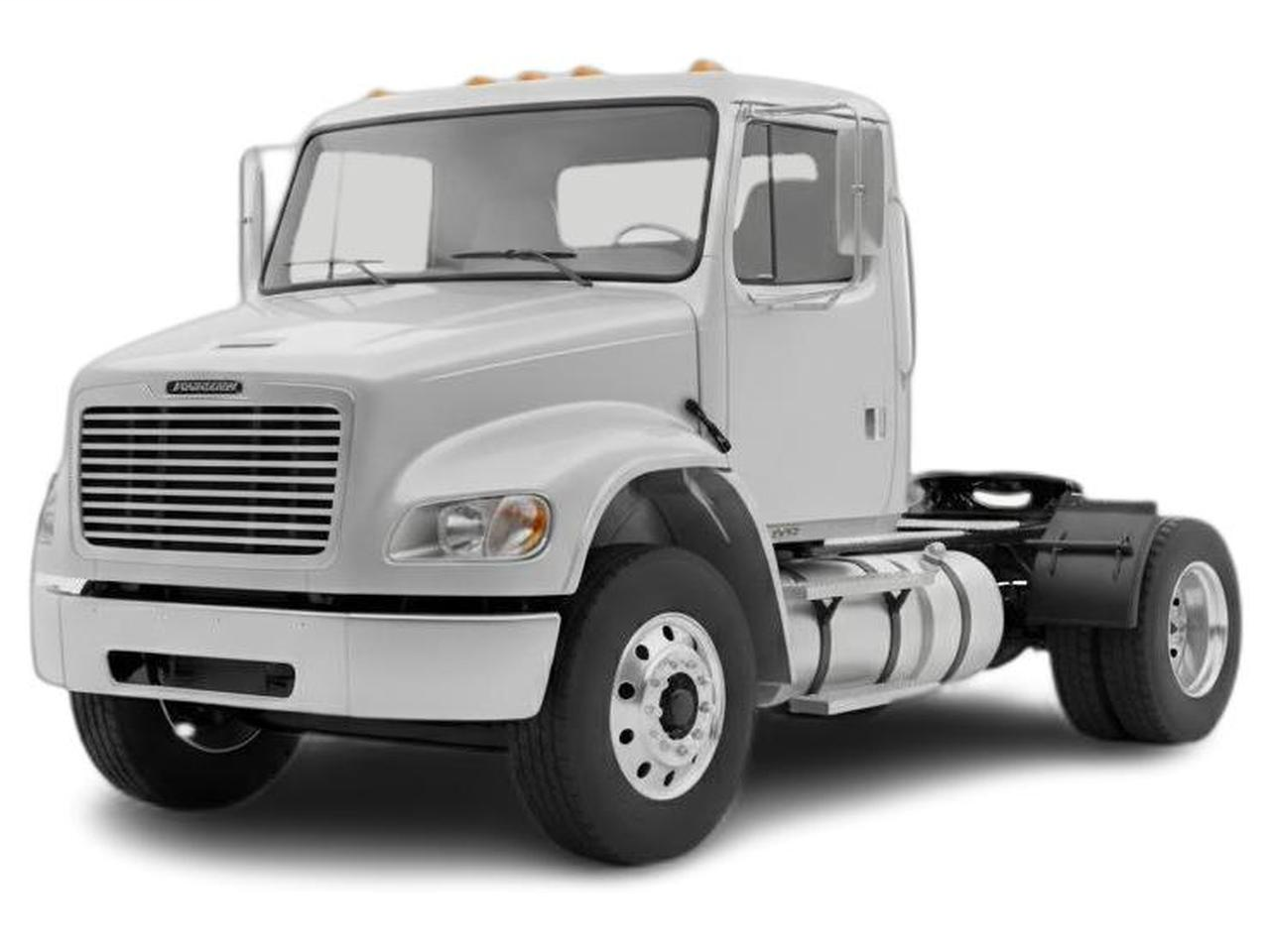
The Good
The 1998 Freightliner FL60 offers exceptional durability and a powerful, reliable work ethic that appeals to the practical buyer. Its straightforward design prioritizes functionality, while its capable performance ensures tasks are completed efficiently. For those who value peace of mind and a robust work companion, it represents excellent long-term value and a sense of dependable accomplishment.
The Bad
Potential buyers should be aware of common issues like aging electrical systems and potential for rust, especially in certain climates. Wear and tear on suspension components and brake systems are also frequent concerns due to the vehicle's heavy-duty nature and age. Thorough inspection for fluid leaks and engine/transmission condition is crucial.
1998 Freightliner FL60: Quick Overview
- Engine Options: The 1998 Freightliner FL60 was typically offered with a range of diesel engines. Common options included the Cummins ISB series and the Caterpillar 3126. These were known for their durability and torque.
- Horsepower: Horsepower ratings varied depending on the specific engine and configuration. For the Cummins ISB, figures generally ranged from approximately 170 hp to 230 hp. The Caterpillar 3126 often offered similar or slightly higher outputs, potentially reaching up to 250 hp in some applications.
- Fuel Economy: Fuel economy for heavy-duty trucks like the FL60 is highly dependent on load, terrain, driving style, and engine choice. Expect figures in the range of 8-12 miles per gallon (MPG) for diesel, which is typical for this class of vehicle.
- 0-60 Times: 0-60 mph acceleration times are not a primary metric for this type of commercial vehicle. Loaded, these trucks would take significantly longer than passenger cars, likely in the 20-30 second range or more, prioritizing pulling power over speed.
- Towing Capacity: The towing capacity of the 1998 Freightliner FL60 is substantial and depends heavily on the specific chassis configuration, axle ratings, and intended use. These trucks were designed to handle significant loads, often ranging from 15,000 lbs to over 30,000 lbs when equipped for heavy towing or hauling, especially when used as a tractor or with appropriate trailers.
- Trim-Level Features: As a commercial chassis, the FL60 did not have traditional passenger car trim levels like "SE" or "XLT." Instead, features were determined by the vocational application for which it was specified. Standard features typically included a robust frame, heavy-duty suspension, power steering, and basic instrumentation. Optional features could include air conditioning, power windows/locks (on later models or higher-spec configurations), upgraded seating, and various safety equipment. The focus was on functionality and durability rather than luxury or advanced comfort features.
1998 Freightliner FL60 Specifications
Vehicle Information
| Year | 1998 |
| Make | Freightliner |
| Model | FL60 |
| Trim | - |
| Style | - |
| Type | Truck |
| Category | Medium Truck |
Manufacturing Details
| Made In | United States |
| Manufacturing City | MT. HOLLY |
Dimensions
| Doors | - |
| Curb Weight | - |
| Gross Vehicle Weight Rating | - |
| Overall Height | - |
| Overall Length | - |
| Overall Width | - |
| Wheelbase Length | - |
| Standard Seating | - |
Engine & Performance
| Engine | 7.2L I6 |
| Engine Size | 7.2L |
| Engine Cylinders | 6 |
| Transmission | - |
| Transmission Type | - |
| Transmission Speeds | - |
| Drivetrain | Rear-Wheel Drive |
Additional Features
| Anti-Brake System | - |
| Steering Type | - |
Pricing
| Manufacturer Suggested Retail Price (MSRP) | - |
| Invoice Price | - |
| Delivery Charges | - |
Vehicle History Report
Specifications
History
Events
History Check
Check
Check
Check
Check
Listings
Recalls
Check
Analysis
What Problems Does the 1998 Freightliner FL60 Have?
Rust and corrosion are significant long-term reliability concerns, particularly on the frame rails, cab corners, and wheel wells, especially in regions with harsh winters or coastal environments. Early detection and treatment are vital to prevent structural integrity compromises.
Regarding the engines, while the Cummins and Caterpillar powerplants are generally robust, owners report occasional issues such as fuel injector problems, turbocharger wear, and coolant leaks. Regular maintenance is paramount, but components will eventually need attention.
Transmission issues, while less common than electrical or rust problems, can arise, particularly with higher mileage units. Clutch wear, synchronizer issues (in manual transmissions), or seal leaks in automatic transmissions are possibilities.
Brake systems and suspension components are subject to normal wear and tear due to the vehicle's intended use. Worn brake pads, rotors, and potential issues with air brake systems (if equipped) are common maintenance items. Bushings, shocks, and leaf springs in the suspension can also wear out, affecting ride quality and handling.
While specific recalls for the 1998 model year FL60 might be scattered and related to particular sub-systems or engine/transmission combinations, it's crucial for prospective buyers to check with Freightliner or the NHTSA for any outstanding safety recalls. Generally, long-term reliability hinges heavily on the initial quality of maintenance and the operating conditions the truck has experienced. Trucks used in severe duty cycles or with neglected maintenance will undoubtedly exhibit more problems than those that have been meticulously cared for.
How long will the 1998 Freightliner FL60 last?
What Technology & Safety Features are Included?
Built-in Tech & Entertainment: The tech suite in a 1998 FL60 is decidedly basic. Standard equipment typically included an AM/FM radio, often with a cassette player. Higher-spec models or optional packages might have offered a CD player. Navigation systems were virtually non-existent in this class at the time, and connectivity features like Bluetooth or USB ports were not standard. The focus was on essential instrumentation and controls, not digital integration.
Driver-Assistance Features: Driver-assistance features as we understand them today were largely absent. Power steering was standard to aid maneuverability. Depending on the configuration and optional packages, features like cruise control might have been available. Advanced systems like ABS (Anti-lock Braking System) were becoming more common in heavy vehicles but might have been optional or standard depending on the specific GVWR and configuration. Parking aids were not a feature.
Safety Features: Safety in the 1998 FL60 centered on passive safety and structural integrity. Standard safety features would include seat belts. Disc brakes on the front axle and drum brakes on the rear were common, with ABS being a notable optional or standard feature on some models. The robust construction of the cab provided a degree of occupant protection.
Optional Features: Beyond the basic radio, optional features could include air conditioning, power windows and door locks (though manual was common), upgraded seat materials, and auxiliary lighting. Specialized equipment for vocational use, such as PTO (Power Take-Off) systems, hydraulic pumps, or specific mounting points for equipment, were also considerations.
Crash-Test Ratings: Specific crash-test ratings for commercial truck chassis like the 1998 Freightliner FL60 are not typically published or categorized in the same way as passenger vehicles by organizations like the NHTSA or IIHS. The design prioritizes structural strength and load-bearing capacity over the crumple zones and advanced airbag systems found in cars. Regulations governing the safety of commercial vehicles focus more on braking, tire standards, and overall vehicle stability.
What Colors Options are Available?
1998 Freightliner FL60 Prices and Market Value
1998 Freightliner FL60 Cost of Ownership
1998 Freightliner FL60 Fuel Efficiency
1998 Freightliner FL60 Recalls & Defects
Parking Brake:driveline
1998 Freightliner FL60 Warranty
Basic
Powertrain
Rust
1998 Freightliner FL60 Insurance
reasonable repair costs.
How Does the 1998 Freightliner FL60 Compare to Other Truck?
Performance: The FL60, often powered by robust Cummins or Caterpillar diesels, generally offered strong torque and towing capabilities, comparable to or exceeding many International models. The Topkick/Kodiak offered both gas and diesel options, with diesel variants matching the FL60's grunt. Ford's Super Duty diesels were powerful but might have been positioned slightly lower in GVWR for some configurations.
Features: In 1998, features across these trucks were utilitarian. All offered basic amenities, with options for AC and power features. Freightliner, known for its commercial truck heritage, typically focused on driver comfort and durability in its cab design. International often shared platforms with school buses, giving them a distinct, sometimes more utilitarian, interior feel. The GM twins (Topkick/Kodiak) often had more car-like interiors, especially in their later iterations.
Reliability: Freightliner engines (Cummins, Caterpillar) were renowned for their durability. International also had solid reputations with its DT series engines. GM's diesel engines were generally reliable, though some variants had specific issues. Ford's early Power Stroke diesels in this era were also powerful but could be prone to certain problems.
Price: New pricing was competitive across the board for comparable GVWRs and configurations. Used, the FL60, due to its robust diesel engines and Freightliner's commercial focus, often holds its value well and can be more expensive than similarly aged GM or Ford equivalents that might have had less demanding original applications.
Alternatives: For similar capability and durability, a well-maintained 1998 International 4000 or 4900 Series with a comparable Cummins or DT engine is a direct alternative. If a slightly lighter-duty or more common platform is acceptable, later model Ford F-650/F-750 chassis cabs offer comparable work capability with potentially more modern (though still basic) creature comforts and a wider dealer network. For those prioritizing a more integrated factory body (like a dump or utility bed), specialized manufacturers often built upon these chassis.
Final Verdict: Is the 1998 Freightliner FL60 a Good Truck?

Eugene S
Eugene is an automotive enthusiast with over 15 years of experience in the used car market. As a writer at VINCheck.info, he brings deep industry insight and a passion for cars, helping readers make smart, informed decisions. Eugene has written hundreds of used car reviews and is known for breaking down complex automotive topics into clear, actionable advice. Over the years, he has driven and worked on a wide range of vehicles—starting with tuning street cars in his early days and eventually focusing on performance upgrades and reliability improvements. Today, he specializes in evaluating used vehicles through the lens of real-world ownership and enthusiast needs. A longtime fan of Porsche, Eugene especially appreciates vehicles that blend durability with driving enjoyment.