
by VIN, Year, Make, Model by License Plate

2000 Freightliner FL60 Overview, Reviews, Ratings & Specs

Rating: 0.00
Based on 0 Owner Reviews
Drew B | October 29, 2025
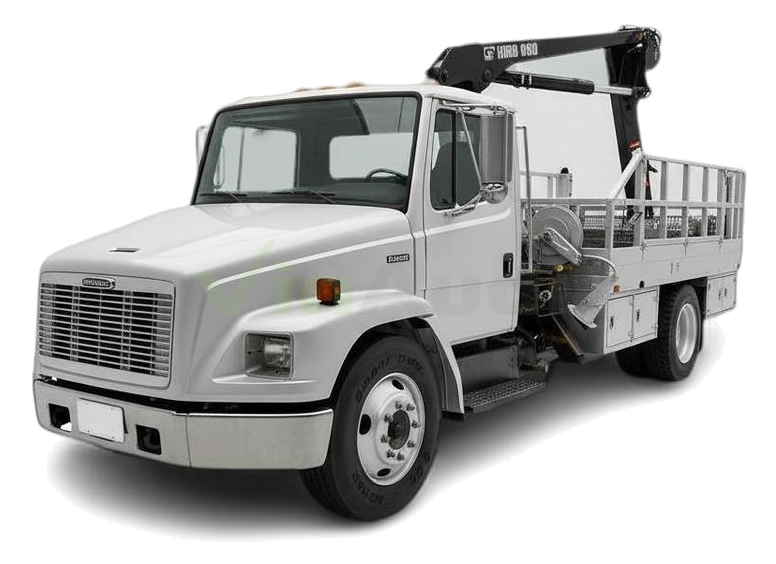
The 2000 Freightliner FL60 is a popular Class 7 medium-duty truck, often configured for commercial use as a box truck, flatbed, or dump truck. Produced within the broader FL series, its model years spanned a considerable period, with the 2000 model representing a robust iteration. While specific trims varied based on application, the FL60 is renowned for its rugged build and versatility, making it a workhorse appreciated by businesses for its dependability and customizable nature.
The Good

The 2000 Freightliner FL60 excels in rugged performance and exceptional reliability, offering a sturdy and dependable work platform. Its practical design prioritizes durability, while its solid value proposition makes it an attractive choice for businesses seeking a long-term, cost-effective solution.

The Bad

Potential weaknesses for the 2000 Freightliner FL60 include the possibility of aging electrical components, potential for rust on older frames, and maintenance needs associated with diesel engines. Buyers should inspect for signs of hard use and thorough service history.

2000 Freightliner FL60: Quick Overview

  • Engine Options: The 2000 Freightliner FL60 was typically offered with a range of robust diesel engines designed for commercial applications. Common options included Cummins ISB and C7 engines.
  • Horsepower: Horsepower varied significantly depending on the specific engine and its configuration. Typically, these engines would range from approximately 170 horsepower to over 250 horsepower, providing ample power for hauling and work.
  • Fuel Economy: Fuel economy for a vehicle of this class is highly dependent on engine choice, transmission, load, and driving conditions. A general estimate for these types of medium-duty trucks might range from 8 to 12 miles per gallon (MPG), with highway driving being more efficient than stop-and-go city use.
  • 0-60 Times: Acceleration figures like 0-60 mph are not typically a primary consideration or readily available statistic for commercial trucks like the FL60, as their purpose is not speed but utility and load-carrying capacity. When loaded, acceleration would be significantly slower.
  • Towing Capacity: The towing capacity is highly variable and depends on the chassis configuration, axle ratings, and specific upfitting. As a Class 7 truck, it is designed for substantial towing and hauling, with capacities often ranging from 15,000 lbs to well over 30,000 lbs when properly equipped for towing trailers or other heavy loads.
  • Trim-Level Features: The concept of traditional "trim levels" as found in passenger cars is less applicable to the FL60. Instead, its features were dictated by its intended vocational use and optional equipment. Key features often included:
    • Heavy-duty chassis and suspension systems.
    • Various body styles: standard chassis for custom upfitting (box trucks, flatbeds, dump bodies, etc.).
    • Durable interior materials designed for work environments.
    • Manual or automatic transmission options.
    • Power steering and brakes.
    • Optional features could include air conditioning, upgraded seating, auxiliary fuel tanks, and specialized hydraulic systems for dump or liftgate applications.

2000 Freightliner FL60 Specifications

Vehicle Information
Year 2000
Make Freightliner
Model FL60
Trim -
Style -
Type Truck
Category Medium Truck
Manufacturing Details
Made In United States
Manufacturing City MT. HOLLY
Dimensions
Doors -
Curb Weight -
Gross Vehicle Weight Rating -
Overall Height -
Overall Length -
Overall Width -
Wheelbase Length -
Standard Seating -
Engine & Performance
Engine 8.3-L L-6 Diesel
Engine Size 8.3L
Engine Cylinders 6
Transmission -
Transmission Type -
Transmission Speeds -
Drivetrain Rear-Wheel Drive
Additional Features
Anti-Brake System -
Steering Type -
Pricing
Manufacturer Suggested Retail Price (MSRP) -
Invoice Price -
Delivery Charges -

Vehicle History Report

Vehicle
Specifications
Ownership
History
All History
Events
NMVTIS Title
History Check
Salvage/Rebuilt
Check
Accident
Check
Theft
Check
Open Lien
Check
Past Sale
Listings
Safety
Recalls
Odometer
Check
Market Price
Analysis

What Problems Does the 2000 Freightliner FL60 Have?

The 2000 Freightliner FL60, being a commercial vehicle, often faces issues related to its demanding operational environment and age. One frequently reported area of concern for trucks of this era, including the FL60, is the potential for electrical system issues. This can manifest as flickering lights, intermittent power to accessories, or problems with the dashboard gauges. Older wiring harnesses can degrade over time, leading to poor connections and short circuits. Another common issue, particularly as these trucks age, involves the diesel engine components. While diesel engines are known for longevity, components like fuel injectors, turbochargers, and the EGR (Exhaust Gas Recirculation) system can require attention. Problems with the DPF (Diesel Particulate Filter) might also arise, especially if the truck has primarily seen short-haul or city driving, which can lead to clogging. Routine maintenance, such as timely oil changes and filter replacements, is crucial to mitigate these engine-related concerns. The transmission, whether manual or automatic, can also be a point of wear. Clutch wear in manual transmissions and potential seal leaks or torque converter issues in automatics are possibilities. Suspension components, including leaf springs and shock absorbers, are subject to significant stress due to heavy loads, and wear is expected over time. Rust and corrosion, especially on the frame and body panels, can be a significant long-term concern, particularly in regions with harsh winters and road salt. The condition of the brakes and tires should always be thoroughly inspected. Recalls for this specific model year are not as widely documented as for consumer vehicles, but it is essential for any potential buyer to check for any outstanding safety recalls with Freightliner or the relevant regulatory bodies. Long-term reliability hinges heavily on the maintenance history and how the vehicle was operated. A well-maintained FL60 used for lighter duties can remain reliable for many years, while a unit subjected to heavy, continuous use might show more significant wear and require more frequent repairs.

How long will the 2000 Freightliner FL60 last?

The 2000 Freightliner FL60 is built for durability and can achieve significant mileage, often exceeding 300,000 to 500,000 miles or more with consistent and proper maintenance. Owner data and maintenance habits are the most critical factors. Vehicles used for lighter, regional hauling and those with meticulous service records (regular oil changes, fluid checks, and component inspections) tend to demonstrate exceptional long-term durability. Weaknesses that emerge over time are typically related to wear and tear on drivetrain components, suspension, and potential for rust on the chassis and body, especially in corrosive environments. Regular preventative maintenance is key to extending its service life considerably.

What Technology & Safety Features are Included?

The 2000 Freightliner FL60, as a commercial truck from its era, prioritized functionality and durability over advanced technological amenities commonly found in passenger vehicles. Its built-in technology was generally basic and focused on essential operational needs. Standard features typically included a functional AM/FM radio, often with a cassette player, and basic instrumentation such as speedometer, tachometer, fuel gauge, and warning lights for essential systems like oil pressure and engine temperature. Driver-assistance features were virtually non-existent in the modern sense. Features like advanced cruise control, lane departure warnings, or automatic emergency braking were not part of the FL60's design. The focus was on robust mechanical systems and driver awareness. Safety features were primarily mechanical and structural: sturdy frame construction, durable seat belts, and standard hydraulic brakes. The visibility from the driver's seat is generally good due to the upright cabin design, allowing drivers a commanding view of the road. Optional features, however, could enhance comfort and utility. These might have included air conditioning, power windows and locks (on some higher-spec models), upgraded seating for longer hauls, and auxiliary power outlets. For specialized applications, optional hydraulic systems for dump beds or liftgates would be integrated. Crash-test ratings are generally not applicable or readily available for medium-duty commercial trucks like the Freightliner FL60 in the same way they are for passenger cars and SUVs. Regulatory bodies and testing organizations typically focus on different aspects of safety for commercial vehicles, such as rollover resistance and occupant protection in severe impact scenarios, rather than standardized frontal or side impact crash tests. The inherent robust construction of a commercial truck chassis was considered its primary safety asset.

What Colors Options are Available?

We’re working on this section!
In the meantime, feel free to explore the other sections for more content.

2000 Freightliner FL60 Prices and Market Value

When new, the 2000 Freightliner FL60's price varied significantly based on its configuration, engine, and upfitting. A base chassis could range from approximately $50,000 to $70,000, with fully equipped models for specific commercial uses often exceeding $100,000. On the used market today, prices for a 2000 Freightliner FL60 can range widely from $5,000 to $25,000 or more. This depends heavily on mileage, overall condition, maintenance history, type of body installed (e.g., box, flatbed, dump), and engine choice. Depreciation is substantial from its new price, but FL60s hold their value relatively well compared to some other commercial vehicles due to their robust build and utility. Factors affecting resale value include mechanical condition, rust, tire condition, and the demand for specific vocational configurations.

2000 Freightliner FL60 Cost of Ownership

Owning a 2000 Freightliner FL60 involves considerable costs. Insurance premiums will be higher than for passenger vehicles due to its commercial nature and value. Fuel costs are significant, with diesel prices and a relatively low MPG (8-12 MPG) impacting budgets. Maintenance is ongoing, with regular oil changes, filter replacements, and checks on wear items being essential. Repairs can be costly; parts for diesel engines and heavy-duty components are more expensive. Overall, while its initial purchase price can be economical on the used market, long-term ownership costs for fuel, maintenance, and potential repairs can be substantial, making it a costly vehicle to own if not used extensively for commercial purposes.

2000 Freightliner FL60 Fuel Efficiency

Fuel Type Diesel
Fuel Capacity -
City Mileage -
Highway Mileage -

2000 Freightliner FL60 Warranty

Basic
Original warranty 0 months / No data
Estimated remaining Expired
Powertrain
Original warranty 0 months / No data
Estimated remaining Expired
Rust
Original warranty 0 months / No data
Estimated remaining Expired

2000 Freightliner FL60 Insurance

Insurance for a 2000 Freightliner FL60 is moderately priced, reflecting its status as a Truck with strong safety ratings and
reasonable repair costs.

How Does the 2000 Freightliner FL60 Compare to Other Truck?

The 2000 Freightliner FL60 competes in the medium-duty truck segment against rivals such as the International 4000 series (e.g., 4700, 4800), Ford F-Series Super Duty chassis (configured for commercial use), and GMC TopKick/Chevrolet Kodiak. In terms of performance, the FL60 typically offered strong diesel engine options, comparable to or exceeding the capabilities of its International and GM counterparts, particularly in torque for hauling. Ford's Super Duty gas engines might offer higher horsepower but less torque for heavy loads. Features on the FL60 were generally utilitarian and geared towards work, similar to the International models. The Ford and GM offerings, especially in later years of their production, sometimes incorporated slightly more comfortable cabin designs and a wider array of interior options, though still basic by modern standards. Reliability is where the FL60 often shines, with Freightliner's reputation for building durable chassis. International trucks also have a strong reputation for robustness. Older Ford and GM chassis may experience more issues with gasoline engines and their associated components compared to the diesel-focused FL60. Price-wise, the FL60 often presented a competitive value proposition on the used market, especially considering its build quality. Used prices are generally in line with comparable International trucks of the same vintage and condition. Ford and GM chassis can sometimes be found at lower price points, but this may reflect a trade-off in powertrain durability for heavy-duty applications. Similar alternatives to consider include the International 4000 series, which offer a comparable workhorse capability. If a more comfortable daily driver is desired and loads are not excessively heavy, a Ford F-650 or F-750 could be an option, though often with a higher acquisition cost. For those prioritizing outright engine longevity and a no-nonsense work truck, the Freightliner FL60 remains a solid choice. If advanced technology or significantly improved fuel efficiency were paramount, newer models or different classes of trucks would be necessary.

Final Verdict: Is the 2000 Freightliner FL60 a Good Truck?

The 2000 Freightliner FL60 is ideally suited for small to medium-sized businesses, contractors, and individuals who require a reliable and durable workhorse for vocational tasks such as hauling, delivery, or specialized upfitting. It is generally worth buying if acquired at a fair price, especially in good mechanical condition with a documented maintenance history. As a new purchase is not possible, the focus is entirely on the used market. Buyers should prioritize well-maintained units and be prepared for ongoing ownership costs related to fuel and maintenance. It's less suitable for those seeking fuel efficiency or advanced technology. For its intended purpose as a dependable, rugged commercial vehicle, it remains a capable option.

2000 Freightliner FL60 Owner Reviews

0.00
Consumer Rating, Based on 0 Consumer Reviews
Overall rating
Cancel
Thank You for Your Review!

We truly appreciate the time and effort you took to share your experience with us.

Uh oh!

Something went wrong, please try again later.

Author Image
Drew B

Drew is a seasoned automotive expert and contributor to VinCheck.info. With nearly 15 years of experience as a former Porsche technician, he brings a wealth of hands-on knowledge to his writing. Born in North Carolina, a region renowned for its deep-rooted NASCAR culture, Drew developed a passion for cars early in life, often building and working on vehicles from a young age. At VINCheck, Drew leverages his extensive technical background to provide in-depth analyses of various vehicles. His articles often focus on engine performance, reliability, and maintenance insights, offering readers practical information grounded in real-world experience. Some of his notable contributions include reviews on the Mazda CX-5's longevity and detailed examinations of engine options for models like the 2011 Toyota Camry and Tacoma