
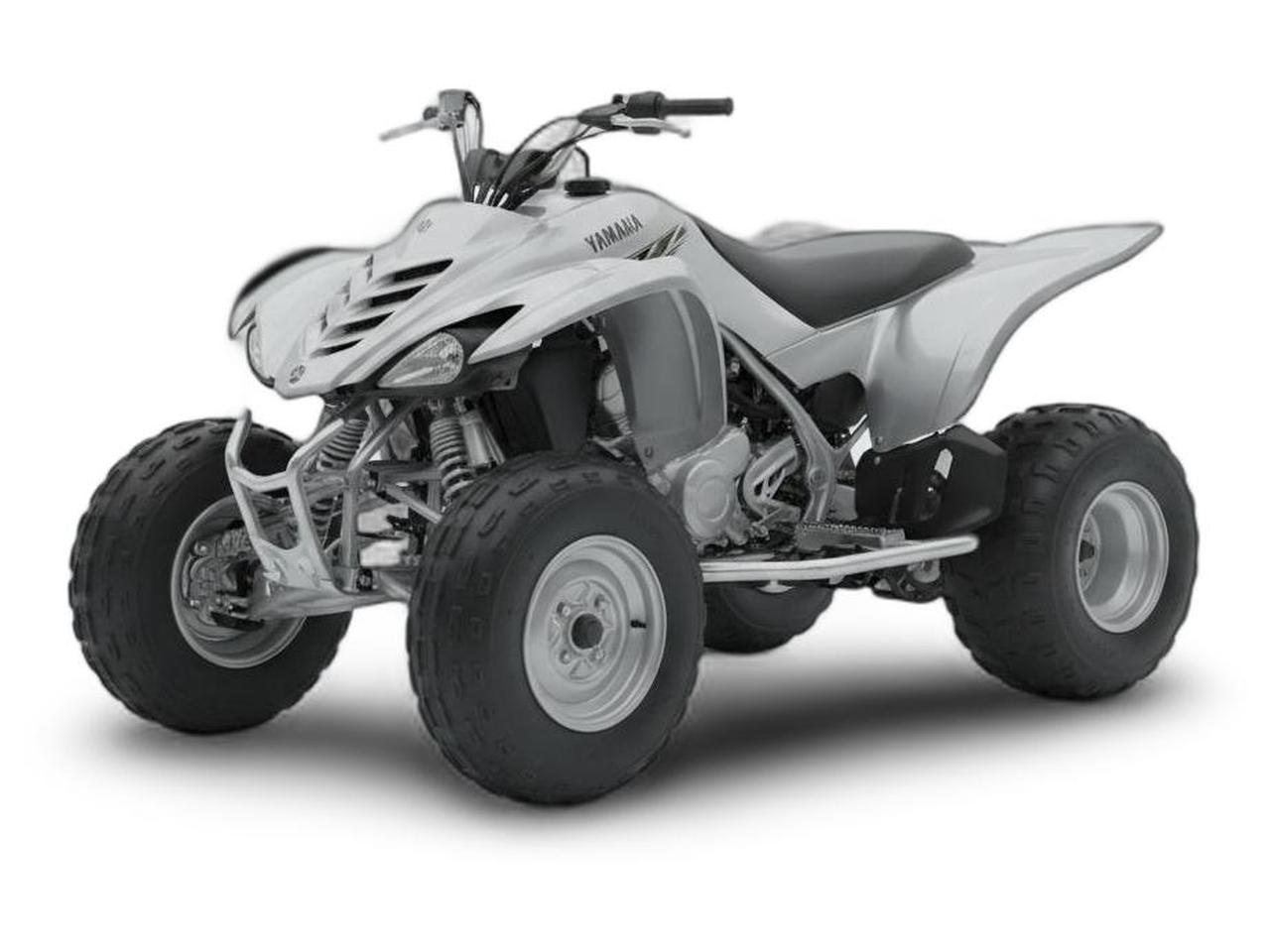
The 2001 Yamaha YFM250, often referred to as the Blaster, is a popular entry-level sport ATV produced from 1988 to 2006. This 2-stroke, rear-wheel-drive quad boasts a lightweight and agile design, making it a favorite for recreational riders and budding off-road enthusiasts. While specific trims were minimal, its accessible pricing and sporty performance cemented its appeal.
The Good
The 2001 Yamaha YFM250 excels with its nimble handling and spirited 2-stroke performance, offering an exhilarating ride. Its simple, durable construction ensures reliable operation for practical buyers, while its aggressive sport quad styling and affordability appeal to the emotional desire for fun and freedom.
The Bad
Potential buyers of the 2001 Yamaha YFM250 should be aware of its 2-stroke engine's thirst for oil and the need for precise fuel/air mixture. Suspension can be basic for aggressive riding, and older models may exhibit wear on drivetrain components like the clutch and chain.
2001 Yamaha YFM250: Quick Overview
- Engine: 246cc liquid-cooled 2-stroke single-cylinder
- Horsepower: Approximately 26 hp
- Fuel Economy: Highly variable depending on riding conditions and throttle input. Typically around 15-25 mpg.
- 0-60 Times: Not a primary metric for ATVs, but estimated to be in the range of 8-10 seconds.
- Towing Capacity: Not applicable. ATVs are not designed for towing significant loads.
- Transmission: 6-speed manual with automatic clutch
- Drivetrain: 2WD (Rear-wheel drive)
- Suspension: Independent front suspension with adjustable shocks; swingarm rear suspension. Travel varied slightly over model years but generally around 7-9 inches.
- Brakes: Front and rear disc brakes.
- Tires: Typically 21x7-10 front and 20x11-9 rear.
- Dimensions: Length: ~70 inches, Width: ~45 inches, Height: ~43 inches, Wheelbase: ~48 inches.
- Fuel Capacity: Approximately 2.4 gallons.
- Key Features: Lightweight chassis, aggressive styling, powerful 2-stroke engine for its class, electric start, manual clutch for rider control.
- Trims: The 2001 YFM250 was largely a single-model offering without distinct trim levels in the traditional automotive sense. Variations would primarily be color schemes or minor component updates year-to-year.
- MSRP (New): Approximately $4,000 - $4,500 USD for the 2001 model year.
2001 Yamaha YFM250 Specifications
Vehicle Information
| Year | 2001 |
| Make | Yamaha |
| Model | YFM250 |
| Trim | - |
| Style | - |
| Type | Motorcycle |
| Category | Low Speed Vehicle |
Manufacturing Details
| Made In | United States |
| Manufacturing City | NEWNAN |
Dimensions
| Doors | - |
| Curb Weight | - |
| Gross Vehicle Weight Rating | - |
| Overall Height | - |
| Overall Length | - |
| Overall Width | - |
| Wheelbase Length | - |
| Standard Seating | - |
Engine & Performance
| Engine | 250CC |
| Engine Size | 250L |
| Engine Cylinders | 1 |
| Transmission | - |
| Transmission Type | - |
| Transmission Speeds | - |
| Drivetrain | - |
Additional Features
| Anti-Brake System | - |
| Steering Type | - |
Pricing
| Manufacturer Suggested Retail Price (MSRP) | - |
| Invoice Price | - |
| Delivery Charges | - |
Vehicle History Report
Vehicle
Specifications
Specifications
Ownership
History
History
All History
Events
Events
NMVTIS Title
History Check
History Check
Salvage/Rebuilt
Check
Check
Accident
Check
Check
Theft
Check
Check
Open Lien
Check
Check
Past Sale
Listings
Listings
Safety
Recalls
Recalls
Odometer
Check
Check
Market Price
Analysis
Analysis
What Problems Does the 2001 Yamaha YFM250 Have?
The 2001 Yamaha YFM250, like many 2-stroke ATVs, can experience issues related to its engine if not properly maintained. One of the most common concerns is carburetor jetting, which can lead to bogging or poor performance if not set correctly for altitude or modifications. Spark plug fouling can also be an issue, particularly if the air/fuel mixture is too rich or if the engine is frequently idled. The automatic clutch, while convenient, can wear over time and may require adjustment or replacement, especially on heavily used units. Some owners report issues with the stock suspension being somewhat soft for aggressive riding, leading to bottoming out. The cooling system, though liquid-cooled, can sometimes experience leaks from hoses or the radiator if not regularly inspected. Drivetrain components, such as the chain and sprockets, are wear items and require regular lubrication and tension adjustment. Electrical issues are generally less common but can include stator failures or faulty CDI units on older, high-mileage machines. Yamaha has not issued major widespread recalls for the 2001 YFM250 that are particularly noteworthy, as it was a relatively simple and robust machine for its era. Long-term reliability heavily depends on how the ATV was used and maintained. Units that were regularly ridden hard, neglected, or modified without proper tuning are more prone to significant mechanical problems. However, with diligent maintenance, including proper pre-mix fuel ratios, regular carb cleaning, and drivetrain care, the YFM250 can be a very dependable machine for its class and intended use.
How long will the 2001 Yamaha YFM250 last?
Estimating precise mileage for ATVs like the 2001 Yamaha YFM250 is challenging as they lack odometers. However, based on owner anecdotal data and typical usage patterns, a well-maintained YFM250 can last for 10-15 years of recreational use, accumulating several thousand hours of engine run time. Longevity is heavily influenced by maintenance. Owners who consistently use the correct 2-stroke oil mix, keep the air filter clean, and perform regular drivetrain lubrication can expect decades of service. Weaknesses that emerge over time often relate to wear-and-tear components like the clutch, suspension bushings, and electrical connectors. The 2-stroke engine itself is generally robust but requires attention to its fuel and oil systems to prevent premature wear or damage.
What Technology & Safety Features are Included?
The 2001 Yamaha YFM250 is a machine focused on core off-road performance, and as such, it is quite basic in terms of integrated technology, entertainment, driver-assistance, and safety features, especially by modern standards. It does not feature any form of entertainment system, such as radios or audio players, as its design prioritizes maneuverability and responsiveness over creature comforts. Similarly, there are no built-in driver-assistance systems. Features like GPS navigation, advanced display units, or electronic aids are absent. Safety features are limited to the inherent design of an ATV, which includes a sturdy frame, handlebars for steering control, and hand-operated brakes. The braking system consists of front and rear hydraulic disc brakes, which are effective for stopping power. For rider safety, Yamaha equipped it with a thumb throttle for controlled acceleration and a kill switch for immediate engine shutdown. There are no advanced safety systems like airbags, anti-lock braking systems (ABS), or traction control. Optional features were typically limited to aftermarket accessories rather than factory-installed options. These could include things like upgraded exhaust systems, different tires, cosmetic enhancements, or cargo racks. Given its nature as an off-road vehicle designed for sport and recreation, crash-test ratings are not applicable or available for the 2001 Yamaha YFM250, as these are typically reserved for passenger vehicles tested by organizations like the NHTSA or IIHS. The focus for this ATV is on its mechanical integrity and rider control during off-road excursions.
What Colors Options are Available?
2001 Yamaha YFM250 Prices and Market Value
When new, the 2001 Yamaha YFM250 had an approximate MSRP ranging from $4,000 to $4,500 USD. As a used vehicle, its current market price is highly variable, typically falling between $1,000 and $3,000, depending heavily on condition, hours of use, modifications, and geographical location. The YFM250 has experienced significant depreciation from its original price, which is typical for most recreational vehicles. Factors affecting resale value include the overall condition of the engine and drivetrain, the state of the plastics and bodywork, and whether it has been well-maintained. ATVs with extensive modifications or signs of abuse will fetch lower prices, while well-preserved, stock examples with low usage hours command a premium in the used market.
2001 Yamaha YFM250 Cost of Ownership
The 2001 Yamaha YFM250 is generally economical to own. Insurance costs are typically low, often requiring specific ATV policies which are less expensive than for cars. Fuel costs are moderate; its 2-stroke engine is not the most fuel-efficient, but the relatively small engine size keeps consumption reasonable for recreational use. Maintenance is straightforward and relatively inexpensive, with common tasks like oil changes (pre-mix), filter cleaning, and chain lubrication being DIY-friendly. Repair costs can vary; major engine work could be costly, but parts are generally available. Overall, the YFM250 is considered an economical choice for recreational off-roading.
2001 Yamaha YFM250 Fuel Efficiency
Fuel Type
Gasoline
Fuel Capacity
-
City Mileage
-
Highway Mileage
-
2001 Yamaha YFM250 Warranty
Basic
Original warranty
0 months / No data
Estimated remaining
Expired
Powertrain
Original warranty
0 months / No data
Estimated remaining
Expired
Rust
Original warranty
0 months / No data
Estimated remaining
Expired
2001 Yamaha YFM250 Insurance
Insurance for a 2001 Yamaha YFM250 is moderately priced, reflecting its status as a Motorcycle with strong safety ratings and
reasonable repair costs.
How Does the 2001 Yamaha YFM250 Compare to Other Motorcycle?
The 2001 Yamaha YFM250 Blaster competed primarily against other entry-level to mid-displacement sport ATVs of its era. Key rivals included the Suzuki LT250R/Z400, Honda TRX250X/300EX, and Kawasaki Mojave 250. In terms of performance, the YFM250's 2-stroke engine offered a snappy, exciting powerband that many riders preferred for its aggressive acceleration, though it could be less refined than the 4-stroke offerings. Its lightweight chassis contributed to excellent agility and maneuverability, making it a nimble choice on trails. Features were basic across all these models, focusing on core riding functionality. The YFM250 generally had a manual clutch and a 6-speed transmission, providing good gear selection. Competitors like the Honda TRX300EX offered a more powerful 4-stroke engine and a more forgiving automatic clutch, appealing to a slightly different rider. Reliability is where the YFM250 often shone. Yamaha's 2-stroke engines were known for their durability when properly maintained. While the 4-stroke engines of competitors like the Suzuki Z400 (which later became the popular sport quad benchmark) offered broader power and potentially longer service intervals between major rebuilds, the Blaster was a robust machine. Price was a significant factor; the YFM250 was typically one of the more affordable options when new, and this affordability often carried over to the used market. For similar performance and handling characteristics, the Kawasaki Mojave 250 is a close comparison, also featuring a 2-stroke engine. If a rider prioritizes a torquier, more tractable power delivery and potentially lower maintenance on the engine itself, a 4-stroke alternative like the Honda TRX300EX or a used Suzuki Z400 (though typically more expensive) would be a better choice. However, for raw, fun 2-stroke performance and agility at a budget-friendly price, the 2001 Yamaha YFM250 remains a strong contender.
Final Verdict: Is the 2001 Yamaha YFM250 a Good Motorcycle?

The 2001 Yamaha YFM250 is ideal for recreational riders seeking an agile, fun, and relatively affordable sport ATV. It's perfect for teenagers or adults new to off-roading, or experienced riders looking for a lightweight, nimble machine for trail riding and casual play. It is absolutely worth buying, especially on the used market, provided it has been reasonably well-maintained. Given its age, purchasing a used model is the only option. Focus on units with clean plastics, a strong engine that doesn't smoke excessively, and functional brakes and suspension. While it lacks modern tech and comfort features, its straightforward 2-stroke performance and handling offer a pure, engaging riding experience that still appeals today.