
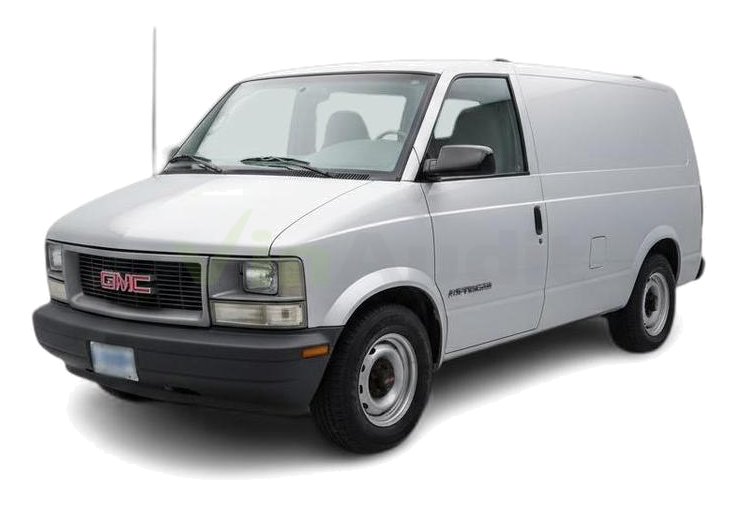
The Good
The 2000 GMC Safari offers a blend of practicality and ruggedness. Its strong V6 engine provides decent performance for its class. While not luxurious, it offers comfortable seating and ample cargo space. Its boxy design maximizes interior volume. For practical buyers, it's a reliable workhorse. Emotionally, some appreciate its nostalgic charm and utilitarian nature.
The Bad
Known weaknesses of the 2000 GMC Safari include relatively poor fuel economy compared to more modern minivans. Rust can be a significant problem, especially in areas with road salt. Suspension components and the automatic transmission are also potential areas of concern, so inspect them carefully before purchasing a used model.
2000 GMC Safari: Quick Overview
Here's a summary of key specifications for the 2000 GMC Safari:
- Engine Options: Primarily a 4.3L Vortec V6
- Horsepower: Around 190-200 hp
- Fuel Economy: Approximately 15 mpg city / 20 mpg highway (RWD models)
- 0-60 Times: Roughly 9-10 seconds (estimated)
- Towing Capacity: Up to 5,000-5,500 lbs when properly equipped
- Trim-Level Features:
- Base: Included standard features like cloth seats, basic stereo, and manual windows/locks.
- SL: Added features like upgraded cloth, power windows/locks, and possibly cruise control.
- SLE: Typically featured more luxurious options such as upgraded upholstery, premium audio systems, and possibly rear air conditioning. Some SLE models also included alloy wheels and other cosmetic enhancements.
All-wheel drive (AWD) was an available option, providing enhanced traction in inclement weather conditions. Keep in mind that specifications can vary slightly depending on the specific configuration and options package. The 4.3L V6 provided adequate power for hauling people and cargo, though fuel economy wasn't a strong point. Towing capacity made it suitable for light-duty tasks. Trim levels offered increasing levels of comfort and convenience.
2000 GMC Safari Specifications
Vehicle Information
| Year | 2000 |
| Make | GMC |
| Model | Safari |
| Trim | - |
| Style | 2WD |
| Type | Van |
| Category | Cargo Van |
Manufacturing Details
| Made In | United States |
| Manufacturing City | ROANOKE |
Dimensions
| Doors | 3-Door |
| Curb Weight | 3916 pounds |
| Gross Vehicle Weight Rating | 5600 pounds |
| Overall Height | 75.30 inches |
| Overall Length | 189.80 inches |
| Overall Width | 77.50 inches |
| Wheelbase Length | 111.20 inches |
| Standard Seating | 2 |
Engine & Performance
| Engine | 4.3L V6 |
| Engine Size | 4.3L |
| Engine Cylinders | 6 |
| Transmission | 4-Speed Automatic |
| Transmission Type | Automatic |
| Transmission Speeds | 4-Speed |
| Drivetrain | Rear-Wheel Drive |
Additional Features
| Anti-Brake System | 4-Wheel ABS |
| Steering Type | Recirculating |
Pricing
| Manufacturer Suggested Retail Price (MSRP) | $20,304 |
| Invoice Price | $18,375 |
| Delivery Charges | - |
Vehicle History Report
Specifications
History
Events
History Check
Check
Check
Check
Check
Listings
Recalls
Check
Analysis
What Problems Does the 2000 GMC Safari Have?
Electrical problems, including issues with the power windows, door locks, and lighting systems, are also reported. Suspension components, such as ball joints and tie rod ends, are prone to wear and may require replacement. While specific recalls for the 2000 model year should be checked with the NHTSA (National Highway Traffic Safety Administration), general reliability concerns center on the aging components and potential for deferred maintenance by previous owners.
Long-term reliability is heavily dependent on maintenance history. Neglecting routine maintenance can lead to significant problems down the road. Regular oil changes, fluid flushes, and timely replacement of worn parts are crucial for extending the lifespan of a 2000 GMC Safari. Models with all-wheel drive may experience additional maintenance needs related to the AWD system.
How long will the 2000 GMC Safari last?
What Technology & Safety Features are Included?
Safety features included standard front airbags and anti-lock brakes (ABS) were often optional. Power windows and locks were available, especially on higher trim levels. Optional features included rear air conditioning and cruise control. Crash-test ratings from the NHTSA for the 2000 GMC Safari were generally adequate for its time, but are less impressive compared to modern vehicles due to advancements in safety technology.
The focus of the Safari was more on practicality and utility than cutting-edge technology. The lack of advanced features is a consequence of its age. Those seeking modern tech should consider newer vehicles. The priority was safe transport of passengers and cargo, which the van accomplished with standard safety equipment of that period. Keep in mind that specific features could vary depending on trim level and optional packages.
What Colors Options are Available?
Exterior Colors
Interior Colors
2000 GMC Safari Prices and Market Value
2000 GMC Safari Cost of Ownership
2000 GMC Safari Fuel Efficiency
2000 GMC Safari Safety Rating
NHTSA
IIHS
2000 GMC Safari Recalls & Defects
Fuel System, Gasoline
Exterior Lighting
2000 GMC Safari Warranty
Basic
Powertrain
Rust
2000 GMC Safari Insurance
reasonable repair costs.
How Does the 2000 GMC Safari Compare to Other Van?
The Dodge Caravan/Chrysler Town & Country often provided more features for the money but may have similar reliability concerns. The Ford Windstar suffered from its own set of issues, particularly with transmissions. The Honda Odyssey and Toyota Sienna generally offered superior reliability and more modern features, but at a higher price point on the used market.
Alternatives to consider would depend on priorities. If reliability is paramount, a Toyota Sienna or Honda Odyssey (even older models) might be a better choice, albeit more expensive. If budget is the primary concern, a well-maintained Dodge Caravan or Chrysler Town & Country could be considered, but with careful inspection. For those specifically needing AWD, the Safari stands out, though Subaru Outbacks can be suitable alternatives for lighter duty.
Ranks #107 Van
| 1 | 2023 Toyota Sienna | (5.0★) |
| 2 | 2023 Honda Odyssey | (4.0★) |
| 3 | 2001 Mazda MPV | (4.0★) |
| 4 | 2024 Ford E-Series Cutaway | (0.0★) |
| 5 | 2023 Mercedes-Benz Metris Passenger Van | (0.0★) |
| 6 | 2023 Chevrolet Express Passenger | (0.0★) |
| 7 | 2021 Nissan NV200 | (3.0★) |
| 8 | 2023 GMC Savana | (0.0★) |
| 9 | 2023 Ram ProMaster | (0.0★) |
| 10 | 2021 Rolls-Royce Dawn | (0.0★) |
| 11 | 2013 Volkswagen Routan | (4.0★) |
| 12 | 2007 Buick Terraza | (0.0★) |
| 107 | 2000 GMC Safari | (3.0★) |
Final Verdict: Is the 2000 GMC Safari a Good Van?
Frogman226 on October 19, 2017
Nice size van for growing family, dependable.I have owned this van for 8 years, I've only spent about $200 in maintenance costs. The van is capable to haul 8 passengers in comfort. Visibility is surprisingly good, with very little in the way of blind spots like some vans. The stout little Vortec V6 has plenty of power even when fully loaded, and can achieve 20 MPG highway. Rear entry is easily accessed through the lift glass hatch and/or lower "barn" doors.
milld on November 19, 2013
Great Van for the FamilyThis van has been really reliable. Ours is a SLE model we bought new. Have done the routine receommend maintenance and only had to replace things that have worn out, radiator, brake master cylinder, battery, hatch struts. The enegine heeded to have the intake manifold gaskets replaced at 190K miles. Been using 100% synthetic oil since 100K miles. Now has 198K miles. Fuel economy has been consistant at 16-17 city and 18-19 hwy, not the greatest, but considering the other large vehicles that would replace it, we have been no worse for the wear. The seats are comfortable. It holds up to eight persons. Drives nice on long trips. We ahve gone across the country in it two times, with our family of five and related luggage. There are interior power outlets in front and rear.
Bill's Toy Project on January 24, 2011
good transportation for the moneyI bought this Van used with 257-000 miles on it and have put another 15000 on it so in less than a yr it's a cargo Van with rear heat but completely unfinished in the rear was bought from a medical supply house here in Michigan ,and now I'm fixing it up rear seat and sound proofing ,carpet as long as the body hold up I will just put a new engine in it next yr. to sound right now to get rid off plus it paid for. paid under 2700.00
The baker on October 2, 2008
most versatile vehicle ever ownedi have one now with 274,000 miles on it. at times with the miles it does road walk slightly. never get one unless it has rear air. you can't keep it cool enough without one. the review that other minivans get better mileage is not true. ours gets 19-20 mpg and our inlaws who have a chrysler get 17-18 mpg. and thats with us who drive faster and have more miles. the optional 25 gallon tank is nice. few have the rear heater which is desirable in cool climate because the back passengers have difficult time staying warm when below 40 degrees. make sure yours has arm rests on the front seats ours does not and we regret it. the two bench seats allow you to seat 8 people and no other van does that. the engine is very reliable but you do have to keep the vehicle maintained. parts are reasonable because it is general motors. very heavy trailers more than 2000 pounds it doesn't do well mainly in mpgs because the mpgs drop to 10 mpgs. overall i would buy it again and are considering it for my next purchase.
designer, painter, soccer mom on January 7, 2007
has been a great vehicle;This is the 2nd Safari I've owned. Never had major issues although I've had to buy 3 altenators for it in 4 years.
van man on September 20, 2006
It's a MAN's Van"The van is awesome. I love it. its comfortable, you are seated high &
Frogman226 on October 19, 2017
Nice size van for growing family, dependable.I have owned this van for 8 years, I've only spent about $200 in maintenance costs. The van is capable to haul 8 passengers in comfort. Visibility is surprisingly good, with very little in the way of blind spots like some vans. The stout little Vortec V6 has plenty of power even when fully loaded, and can achieve 20 MPG highway. Rear entry is easily accessed through the lift glass hatch and/or lower "barn" doors.
milld on November 19, 2013
Great Van for the FamilyThis van has been really reliable. Ours is a SLE model we bought new. Have done the routine receommend maintenance and only had to replace things that have worn out, radiator, brake master cylinder, battery, hatch struts. The enegine heeded to have the intake manifold gaskets replaced at 190K miles. Been using 100% synthetic oil since 100K miles. Now has 198K miles. Fuel economy has been consistant at 16-17 city and 18-19 hwy, not the greatest, but considering the other large vehicles that would replace it, we have been no worse for the wear. The seats are comfortable. It holds up to eight persons. Drives nice on long trips. We ahve gone across the country in it two times, with our family of five and related luggage. There are interior power outlets in front and rear.
Bill's Toy Project on January 24, 2011
good transportation for the moneyI bought this Van used with 257-000 miles on it and have put another 15000 on it so in less than a yr it's a cargo Van with rear heat but completely unfinished in the rear was bought from a medical supply house here in Michigan ,and now I'm fixing it up rear seat and sound proofing ,carpet as long as the body hold up I will just put a new engine in it next yr. to sound right now to get rid off plus it paid for. paid under 2700.00
The baker on October 2, 2008
most versatile vehicle ever ownedi have one now with 274,000 miles on it. at times with the miles it does road walk slightly. never get one unless it has rear air. you can't keep it cool enough without one. the review that other minivans get better mileage is not true. ours gets 19-20 mpg and our inlaws who have a chrysler get 17-18 mpg. and thats with us who drive faster and have more miles. the optional 25 gallon tank is nice. few have the rear heater which is desirable in cool climate because the back passengers have difficult time staying warm when below 40 degrees. make sure yours has arm rests on the front seats ours does not and we regret it. the two bench seats allow you to seat 8 people and no other van does that. the engine is very reliable but you do have to keep the vehicle maintained. parts are reasonable because it is general motors. very heavy trailers more than 2000 pounds it doesn't do well mainly in mpgs because the mpgs drop to 10 mpgs. overall i would buy it again and are considering it for my next purchase.

Drew B
Drew is a seasoned automotive expert and contributor to VinCheck.info. With nearly 15 years of experience as a former Porsche technician, he brings a wealth of hands-on knowledge to his writing. Born in North Carolina, a region renowned for its deep-rooted NASCAR culture, Drew developed a passion for cars early in life, often building and working on vehicles from a young age. At VINCheck, Drew leverages his extensive technical background to provide in-depth analyses of various vehicles. His articles often focus on engine performance, reliability, and maintenance insights, offering readers practical information grounded in real-world experience. Some of his notable contributions include reviews on the Mazda CX-5's longevity and detailed examinations of engine options for models like the 2011 Toyota Camry and Tacoma