
by VIN, Year, Make, Model by License Plate

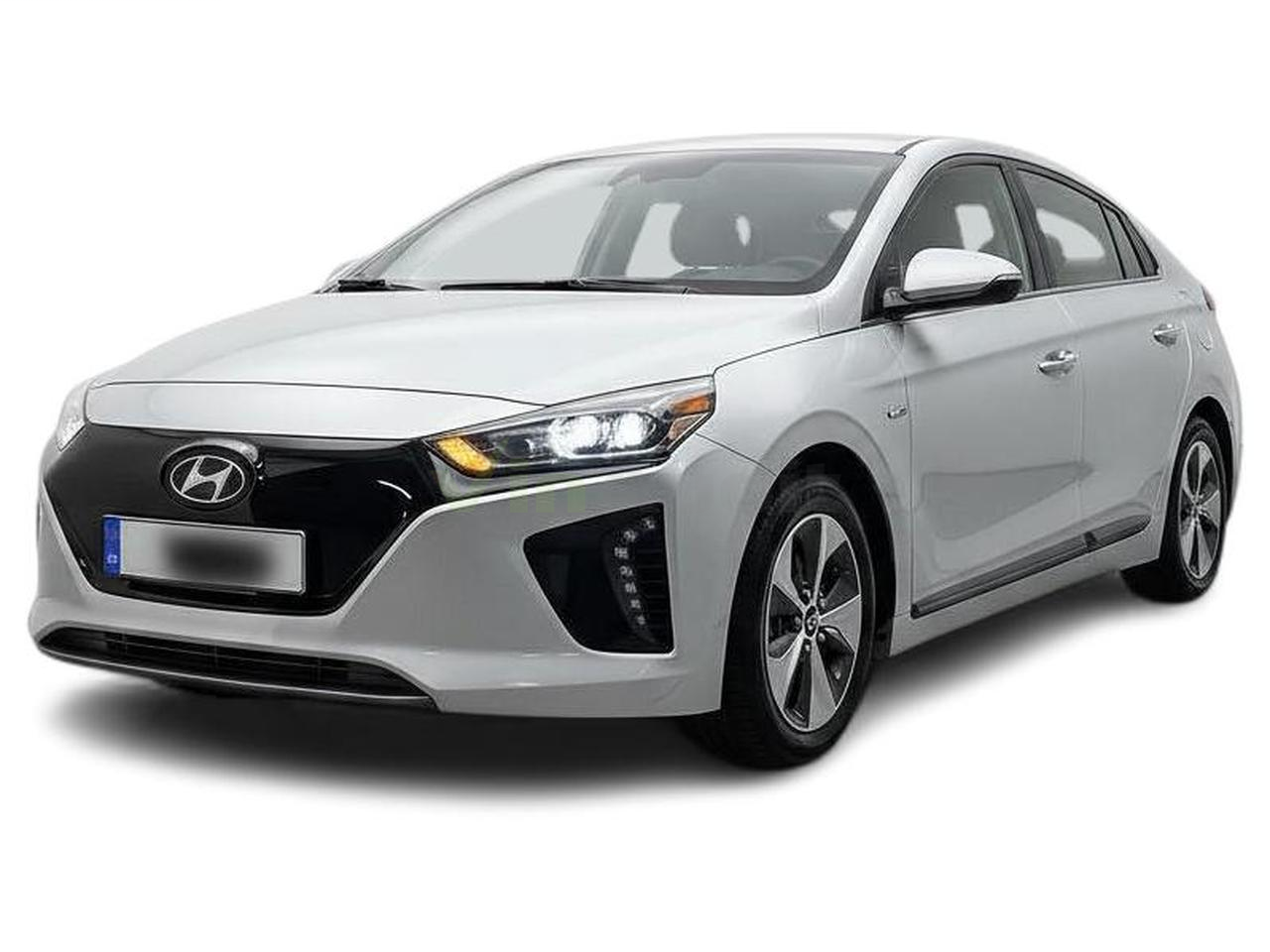
2018 Hyundai Ioniq Overview, Reviews, Ratings & Specs

Rating: 0.00
Based on 0 Owner Reviews â–
Simon A | March 31, 2025
The 2018 Hyundai Ioniq is a compact hybrid, plug-in hybrid, and electric car introduced as Hyundai's first dedicated hybrid model. It comes in a hatchback body style. Model years span from 2017 onwards. Key trims include Blue, SEL, and Limited. The original pricing ranged from around $22,000 to $32,000. Its popularity stems from its fuel efficiency, diverse powertrain options, and competitive price point in the hybrid/EV market.
The Good

The 2018 Hyundai Ioniq boasts exceptional fuel efficiency, making it appealing to practical buyers. Its comfortable ride and user-friendly technology enhance the driving experience. The Ioniq offers good value for money, reliability is generally solid and the hatchback design provides practicality. Emotionally, buyers appreciate its eco-friendly nature and modern styling.

The Bad

Potential weaknesses of the 2018 Hyundai Ioniq include its somewhat underwhelming acceleration compared to some competitors. The interior materials, while functional, may not feel as premium as some rivals. The rear seat space can be a bit tight for taller passengers. Also, be aware of potential battery degradation over time, especially with the electric and plug-in hybrid models.

2018 Hyundai Ioniq: Quick Overview

  • Engine Options:
    • 1.6L GDI 4-cylinder hybrid (Ioniq Hybrid)
    • 1.6L GDI 4-cylinder plug-in hybrid (Ioniq Plug-in Hybrid)
    • Electric motor (Ioniq Electric)
  • Horsepower:
    • Ioniq Hybrid: 139 hp (combined)
    • Ioniq Plug-in Hybrid: 164 hp (combined)
    • Ioniq Electric: 118 hp
  • Fuel Economy:
    • Ioniq Hybrid: Up to 58 MPG combined (Blue trim)
    • Ioniq Plug-in Hybrid: 52 MPG combined/119 MPGe (29 miles electric range)
    • Ioniq Electric: 136 MPGe combined (124 miles range)
  • 0-60 Times:
    • Ioniq Hybrid: Around 10 seconds
    • Ioniq Plug-in Hybrid: Around 9 seconds
    • Ioniq Electric: Around 8 seconds
  • Towing Capacity: Not recommended for towing.
  • Trim-Level Features:
    • Blue: Standard features include a 7-inch touchscreen, Apple CarPlay/Android Auto, rearview camera, automatic emergency braking, lane keeping assist.
    • SEL: Adds features like blind-spot monitoring, rear cross-traffic alert, heated front seats, and a larger touchscreen.
    • Limited: Includes leather upholstery, power driver's seat, premium audio system, and additional safety features.

2018 Hyundai Ioniq Specifications

Vehicle Information
Year 2018
Make Hyundai
Model Ioniq
Trim -
Style -
Type Sedan
Category Mid-Size Car
Manufacturing Details
Made In Korea
Manufacturing City ULSAN
Dimensions
Doors 4-Door
Curb Weight 3318 pounds
Gross Vehicle Weight Rating -
Overall Height 56.9 inches
Overall Length 176 inches
Overall Width 71.7 inches
Wheelbase Length 106.3 inches
Standard Seating 5
Engine & Performance
Engine Gas/Electric I-4, 1.6 L
Engine Size 1.6L
Engine Cylinders 4
Transmission 1-Speed Automatic
Transmission Type Automatic
Transmission Speeds 1-Speed
Drivetrain Front-Wheel Drive
Additional Features
Anti-Brake System 4-Wheel
Steering Type Rack & Pinion
Pricing
Manufacturer Suggested Retail Price (MSRP) $24,950
Invoice Price -
Delivery Charges -

Vehicle History Report

Vehicle
Specifications
Ownership
History
All History
Events
NMVTIS Title
History Check
Salvage/Rebuilt
Check
Accident
Check
Theft
Check
Open Lien
Check
Past Sale
Listings
Safety
Recalls
Odometer
Check
Market Price
Analysis

What Problems Does the 2018 Hyundai Ioniq Have?

Frequently reported problems for the 2018 Hyundai Ioniq are relatively few, but some owners have reported issues with the dual-clutch transmission in the hybrid and plug-in hybrid models, including occasional jerky shifting or hesitation. Some early adopters of the Ioniq Electric reported concerns about battery degradation, particularly in hot climates, leading to reduced range over time. However, Hyundai addressed some of these concerns with software updates and battery management system improvements. Recalls for the 2018 Ioniq have been issued for various reasons, including potential issues with the high-voltage battery system, brake lights, and parking brake system. It's crucial to check the vehicle's VIN with the NHTSA (National Highway Traffic Safety Administration) to see if any recalls apply. Long-term reliability appears to be generally good, but as with any hybrid or electric vehicle, the longevity of the battery pack is a key consideration. Regular maintenance, including timely software updates and battery health checks, is essential for maximizing the lifespan of the Ioniq's hybrid or electric components. Owners should pay close attention to any unusual noises or performance issues related to the transmission or battery system and address them promptly.

How long will the 2018 Hyundai Ioniq last?

The 2018 Hyundai Ioniq, with proper maintenance, can reasonably be expected to provide 150,000 to 200,000 miles or 10-15 years of service. However, battery health is a critical factor, especially in electric and plug-in hybrid models. Consistent adherence to the manufacturer's recommended maintenance schedule, including regular battery checks, fluid changes, and software updates, is essential for long-term durability. Over time, battery capacity in the electric and plug-in hybrid versions may gradually decrease, resulting in reduced range. Regular driving habits and charging practices also influence battery lifespan. Some owners report minor issues with the infotainment system or interior trim over time.

What Technology & Safety Features are Included?

The 2018 Hyundai Ioniq comes standard with a 7-inch touchscreen infotainment system, Apple CarPlay, and Android Auto integration. Higher trims offer larger touchscreens (up to 8 inches) with navigation. Entertainment features include a standard six-speaker audio system, with an optional premium Infinity audio system available on higher trims. Driver-assistance features include standard automatic emergency braking, lane keeping assist, and adaptive cruise control. Optional features on higher trims include blind-spot monitoring, rear cross-traffic alert, and lane departure warning.

Safety features include a suite of airbags, electronic stability control, and anti-lock brakes. The Insurance Institute for Highway Safety (IIHS) awarded the 2018 Ioniq its "Top Safety Pick" designation, indicating good performance in crash tests. The National Highway Traffic Safety Administration (NHTSA) gave the Ioniq an overall safety rating of five stars. Specific crash-test ratings vary depending on the model (hybrid, plug-in hybrid, or electric), but all versions generally performed well in safety evaluations. The Blue trim had fewer options but still had standard safety like AEB and lane keep assist. The Limited trim level includes more advanced driver-assistance systems.

What Colors Options are Available?

Exterior Colors
Summit Gray
Ceramic White
Electric Blue Metallic
Black Noir Pearl
Quartz White Pearl
Symphony Silver
Ultimate Red Metallic
Interior Colors
Gray
Beige
Black

2018 Hyundai Ioniq Prices and Market Value

The 2018 Hyundai Ioniq had a starting MSRP of around $22,000 for the hybrid model, $25,000 for the plug-in hybrid, and $30,000 for the electric version. Current used market prices typically range from $12,000 to $20,000, depending on the trim level, mileage, and condition. Depreciation is moderate for the Ioniq, comparable to other hybrids and EVs in its class. Factors affecting resale value include battery health (particularly for electric and plug-in models), overall condition, mileage, and the presence of desirable features such as advanced safety systems and infotainment options. Demand for fuel-efficient vehicles also influences resale prices.

2018 Hyundai Ioniq Cost of Ownership

The 2018 Hyundai Ioniq is generally economical to own. Insurance costs are typically moderate, comparable to other compact cars. Fuel costs are exceptionally low for the hybrid and plug-in hybrid models, and non-existent for the electric version. Routine maintenance is relatively affordable. Repair costs can be higher for hybrid/EV components, but these are generally reliable. Long-term ownership costs are lower than average due to excellent fuel economy and reasonable maintenance expenses. However, potential battery replacement costs should be factored in.

2018 Hyundai Ioniq Fuel Efficiency

Fuel Type Gasoline
Fuel Capacity 11.4 gallons
City Mileage 150 miles/gallon
Highway Mileage 122 miles/gallon

2018 Hyundai Ioniq Safety Rating

NHTSA
Overall Rating Not Tested
Overall Frontal Star Rating Not Tested
Side Overall Star Rating Not Tested
Overall Rollover Star Rating Not Tested
Combined Front Seat Rating Not Tested
Combined Rear Seat Rating Not Tested
Overall Frontal Star Rating Not Tested
Frontal Barrier Star Ratings Not Tested
Overall Side Star Rating Not Tested
Side Barrier Star Ratings Not Tested
Side Pole Star Rating Not Tested
Combined Side Barrier And Side Pole Star Ratings Not Tested
Rollover Resistance Star Rating Not Tested

2018 Hyundai Ioniq Warranty

Basic
Original warranty 60 months / 60,000 miles
Estimated remaining Expired
Corrosion
Original warranty 84 months / unlimited miles
Estimated remaining Expired
Drivetrain
Original warranty 120 months / 100,000 miles
Estimated remaining 24 months / 100,000 miles
Roadside Assistance
Original warranty 60 months / unlimited miles
Estimated remaining Expired

2018 Hyundai Ioniq Insurance

Insurance for a 2018 Hyundai Ioniq is moderately priced, reflecting its status as a Sedan with strong safety ratings and
reasonable repair costs.

How Does the 2018 Hyundai Ioniq Compare to Other Sedan?

The 2018 Hyundai Ioniq competes with the Toyota Prius, Honda Insight, Nissan LEAF, and Chevrolet Bolt. In terms of price, the Ioniq is often more affordable than the Prius and Bolt, making it a strong value proposition. Performance-wise, the Ioniq is adequate but not particularly sporty; the Prius offers similar performance, while the Bolt delivers quicker acceleration. The LEAF is a direct EV competitor, offering similar range and features.

Regarding features, the Ioniq offers a competitive suite of technology and safety equipment, similar to its rivals. Reliability is generally good, although the Prius has a slightly stronger reputation for long-term dependability. The Honda Insight offers a more refined interior, but may cost more. The Ioniq is a good choice for buyers prioritizing fuel efficiency and value. However, if performance is a primary concern, the Bolt might be a better alternative. If long-term reliability is paramount, the Prius is a safe bet. For a slightly more upscale experience, the Insight is worth considering. Ultimately, the best choice depends on individual needs and priorities.

Ranks #941 Sedan

1 2023 Toyota Camry (5.0★)
2 2023 Honda Accord (0.0★)
3 2023 Lexus ES (0.0★)
4 2024 Subaru Legacy (5.0★)
5 2022 Mazda MX-30 (4.0★)
6 2024 BMW M3 (0.0★)
7 2023 Ford Mustang (5.0★)
8 2023 Mercedes-Benz AMG GT (0.0★)
9 2023 Audi A3 (0.0★)
10 2023 Chevrolet Camaro (5.0★)
11 2023 Hyundai Elantra Hybrid (0.0★)
12 2023 Nissan Altima (4.0★)
941 2018 Hyundai Ioniq (0.0★)

Final Verdict: Is the 2018 Hyundai Ioniq a Good Sedan?

The 2018 Hyundai Ioniq is an excellent choice for environmentally conscious buyers seeking a fuel-efficient and affordable hybrid or electric vehicle. It's ideal for commuters and city dwellers who prioritize fuel economy and practicality. Whether it's worth buying depends on individual needs and budget. A used 2018 Ioniq offers excellent value, especially if well-maintained with a healthy battery. The Blue trim provides a good balance of features and affordability, while the Limited trim offers more luxury and advanced technology. Consider the plug-in hybrid for those with shorter commutes who want to maximize electric driving. However, if performance or a more luxurious interior are top priorities, other alternatives might be better suited.

2018 Hyundai Ioniq Owner Reviews

0.00
Consumer Rating, Based on 0 Consumer Reviews
Overall rating
Cancel
Thank You for Your Review!

We truly appreciate the time and effort you took to share your experience with us.

Uh oh!

Something went wrong, please try again later.

Author Image
Simon A

Simon is a contributor to VinCheck, where he provides articles and reviews on various automotive topics. His work focuses on delivering accurate and up-to-date information about used cars, helping readers make informed decisions.