
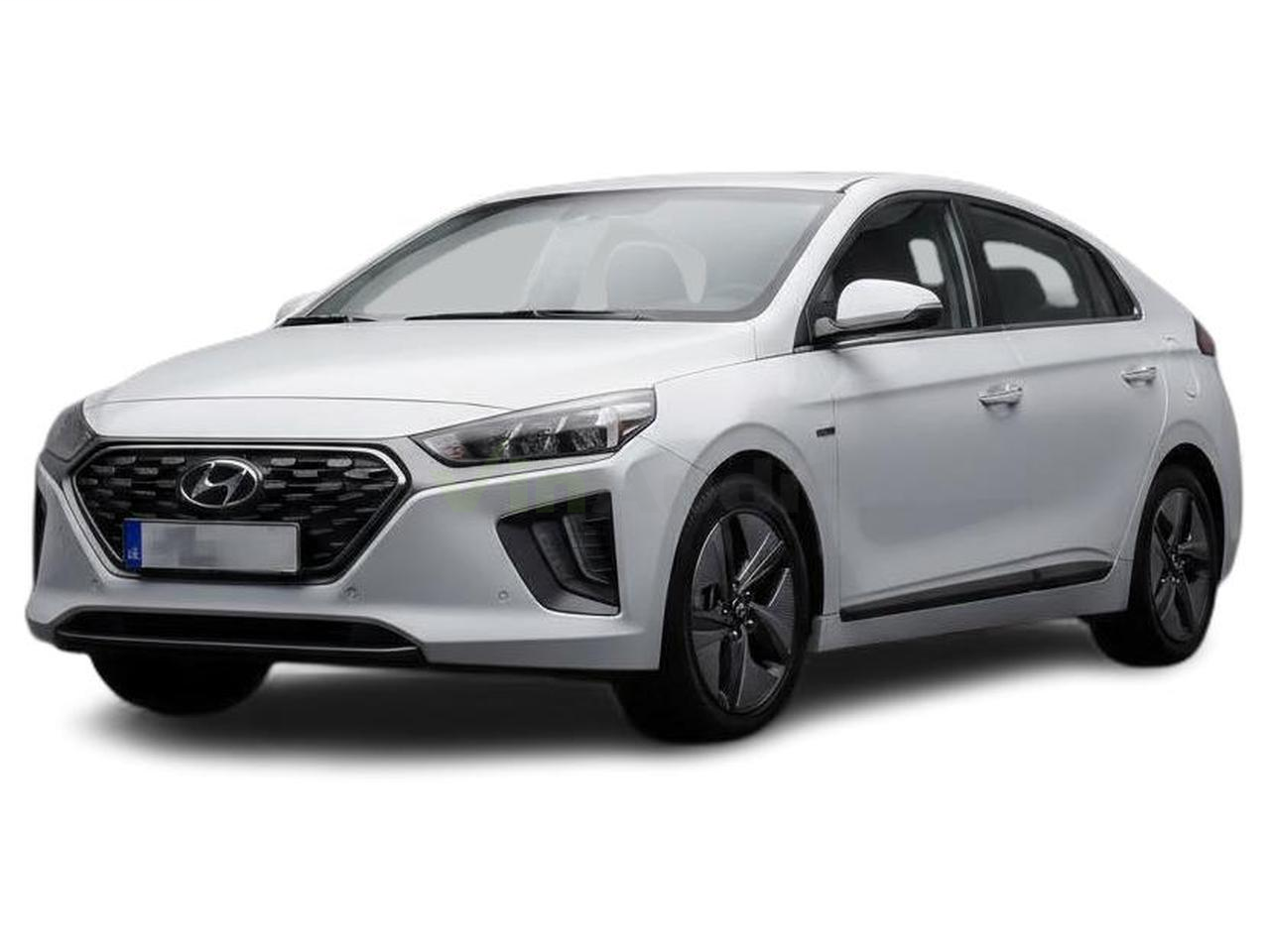
The Good
The 2020 Ioniq offers excellent fuel efficiency and range (especially the electric version), making it practical for budget-conscious buyers. Its comfortable ride and user-friendly tech appeal emotionally, while Hyundai's reputation for reliability gives peace of mind. The sleek design and available features add to the overall value and desirability.
The Bad
The 2020 Ioniq's weaknesses include somewhat underwhelming acceleration compared to some competitors, especially in the hybrid model. The rear seats can feel cramped for taller passengers. Some owners have reported issues with the infotainment system freezing or glitching. The limited availability of the electric version in certain regions can also be a drawback.
2020 Hyundai Ioniq: Quick Overview
- Engine Options:
- Hybrid: 1.6L GDI 4-cylinder engine with electric motor
- Plug-in Hybrid (PHEV): 1.6L GDI 4-cylinder engine with larger electric motor and battery pack
- Electric (EV): Electric motor with battery pack
- Horsepower:
- Hybrid: 139 hp (combined)
- Plug-in Hybrid: 156 hp (combined)
- Electric: 134 hp
- Fuel Economy:
- Hybrid: Approximately 57-59 MPG combined
- Plug-in Hybrid: Approximately 52 MPG combined, 119 MPGe (miles per gallon equivalent)
- Electric: Approximately 133 MPGe
- 0-60 Times:
- Hybrid: Around 10 seconds
- Plug-in Hybrid: Around 9 seconds
- Electric: Around 7.5 seconds
- Towing Capacity: Not recommended or rated for towing.
- Trim-Level Features:
- SE: Standard features include: Automatic emergency braking, lane keeping assist, Apple CarPlay/Android Auto, touchscreen display.
- SEL: Adds features like: Blind-spot monitoring, rear cross-traffic alert, heated front seats, power driver's seat.
- Limited: Includes features like: Leather upholstery, sunroof, premium audio system, adaptive cruise control, parking sensors.
2020 Hyundai Ioniq Specifications
Vehicle Information
| Year | 2020 |
| Make | Hyundai |
| Model | Ioniq |
| Trim | - |
| Style | - |
| Type | Sedan |
| Category | Compact Car |
Manufacturing Details
| Made In | South Korea |
| Manufacturing City | ULSAN |
Dimensions
| Doors | 5-Door |
| Curb Weight | - |
| Gross Vehicle Weight Rating | - |
| Overall Height | - |
| Overall Length | - |
| Overall Width | - |
| Wheelbase Length | - |
| Standard Seating | - |
Engine & Performance
| Engine | HMC Battery |
| Engine Size | 1.6L |
| Engine Cylinders | 4 |
| Transmission | 6-Speed Automatic |
| Transmission Type | Automatic |
| Transmission Speeds | 6-Speed |
| Drivetrain | Front-Wheel Drive |
Additional Features
| Anti-Brake System | - |
| Steering Type | - |
Pricing
| Manufacturer Suggested Retail Price (MSRP) | $23,200 |
| Invoice Price | - |
| Delivery Charges | - |
Vehicle History Report
Specifications
History
Events
History Check
Check
Check
Check
Check
Listings
Recalls
Check
Analysis
What Problems Does the 2020 Hyundai Ioniq Have?
Recalls have been issued for some Ioniq models due to potential issues with the high-voltage battery, which could increase the risk of a fire. It's crucial to check the vehicle's VIN for any outstanding recalls before purchasing.
Long-term reliability concerns mainly revolve around the battery health of the hybrid, plug-in hybrid, and electric versions. Battery degradation can occur over time, reducing range and performance. However, Hyundai's warranty on the battery provides some reassurance. It's always recommended to have a pre-purchase inspection performed by a qualified mechanic, especially for used models, to assess the overall condition and identify any potential problems.
How long will the 2020 Hyundai Ioniq last?
What Technology & Safety Features are Included?
Standard driver-assistance features include automatic emergency braking, lane-keeping assist, and driver attention warning. Optional features include blind-spot monitoring, rear cross-traffic alert, adaptive cruise control, and parking sensors. These features enhance safety and convenience.
The 2020 Ioniq generally receives good crash-test ratings from the IIHS (Insurance Institute for Highway Safety) and NHTSA (National Highway Traffic Safety Administration). The IIHS often awards the Ioniq with its "Top Safety Pick" designation. These ratings provide reassurance regarding the vehicle's ability to protect occupants in the event of a collision. Check specific ratings for the 2020 model year on the IIHS and NHTSA websites for detailed information. The availability of advanced safety features contributes to its overall safety profile.
What Colors Options are Available?
Exterior Colors
Interior Colors
2020 Hyundai Ioniq Prices and Market Value
2020 Hyundai Ioniq Cost of Ownership
2020 Hyundai Ioniq Fuel Efficiency
2020 Hyundai Ioniq Safety Rating
NHTSA
2020 Hyundai Ioniq Insurance
reasonable repair costs.
How Does the 2020 Hyundai Ioniq Compare to Other Sedan?
In terms of price, the Ioniq is generally competitive, often undercutting rivals like the Prius and LEAF. While the Ioniq's performance isn't groundbreaking, it's adequate for most drivers. If long-term reliability is a top priority, the Toyota Prius remains a strong contender. For those seeking a more spacious and versatile vehicle, the Kia Niro is a good alternative. Ultimately, the best choice depends on individual priorities and preferences.
Ranks #883 Sedan
| 1 | 2023 Toyota Camry | (5.0★) |
| 2 | 2023 Honda Accord | (0.0★) |
| 3 | 2023 Lexus ES | (0.0★) |
| 4 | 2024 Subaru Legacy | (5.0★) |
| 5 | 2022 Mazda MX-30 | (4.0★) |
| 6 | 2024 BMW M3 | (0.0★) |
| 7 | 2023 Ford Mustang | (5.0★) |
| 8 | 2023 Mercedes-Benz AMG GT | (0.0★) |
| 9 | 2023 Audi A3 | (0.0★) |
| 10 | 2023 Chevrolet Camaro | (5.0★) |
| 11 | 2023 Hyundai Elantra Hybrid | (0.0★) |
| 12 | 2023 Nissan Altima | (4.0★) |
| 883 | 2020 Hyundai Ioniq | (0.0★) |
Final Verdict: Is the 2020 Hyundai Ioniq a Good Sedan?

Drew B
Drew is a seasoned automotive expert and contributor to VinCheck.info. With nearly 15 years of experience as a former Porsche technician, he brings a wealth of hands-on knowledge to his writing. Born in North Carolina, a region renowned for its deep-rooted NASCAR culture, Drew developed a passion for cars early in life, often building and working on vehicles from a young age. At VINCheck, Drew leverages his extensive technical background to provide in-depth analyses of various vehicles. His articles often focus on engine performance, reliability, and maintenance insights, offering readers practical information grounded in real-world experience. Some of his notable contributions include reviews on the Mazda CX-5's longevity and detailed examinations of engine options for models like the 2011 Toyota Camry and Tacoma