The 1994 Peterbilt 379 is an iconic American long-haul heavy-duty truck, renowned for its classic "long nose" conventional body style. Produced from 1987 to 2007, the 379 offered various sleeper configurations like the Unibilt UltraCab and Flat Top sleepers, defining its trim levels. When new, prices typically ranged from $80,000 to over $150,000 depending on customization. Its enduring popularity stems from its rugged build, powerful presence, and highly customizable nature, making it a legend in the trucking industry.

The Good
The 1994 Peterbilt 379 boasts a timeless, commanding design that appeals to emotional buyers, while its robust "big iron" reliability and powerful performance satisfy practical needs. With strong engine options and a reputation for long service life, it offers excellent value retention. Though not optimized for modern fuel efficiency, its repairability and driver comfort were significant advantages.
The Bad
Known weaknesses for the 1994 Peterbilt 379 include its relatively poor fuel efficiency compared to newer trucks, the age-related wear on wiring harnesses, and potential rust issues on older frames and cab mounts. The lack of modern amenities and advanced safety features can also be a drawback for some.
1994 Peterbilt 379: Quick Overview
- Engine Options: The 1994 Peterbilt 379 primarily offered robust diesel engines from leading manufacturers.
The most common options included:- Caterpillar (e.g., Cat 3406C, 3406E)
- Cummins (e.g., N14, M11)
- Detroit Diesel (e.g., Series 60)
- Horsepower: Horsepower ratings varied significantly based on the specific engine and its tuning. Typically, these trucks ranged from approximately 350 hp to over 500 hp, with many owner-operators opting for higher horsepower configurations for heavy hauling and performance.
- Torque: More critical for heavy trucks than horsepower, torque figures were substantial, often ranging from 1,250 lb-ft to 1,850 lb-ft or more, providing immense pulling power.
- Fuel Economy: Fuel economy for a 1994 Peterbilt 379 is generally low by today's standards, especially without aerodynamic enhancements. Owners could expect an average of 4-7 miles per gallon (MPG), heavily dependent on engine, load, terrain, and driving style.
- 0-60 Times: 0-60 mph times are not a relevant performance metric for heavy-duty trucks like the 379. Their performance is measured by pulling power and sustained speed under load, not acceleration from a standstill.
- Towing Capacity: The 379, being a Class 8 heavy-duty truck, has a Gross Combination Weight Rating (GCWR) that typically ranges from 80,000 lbs to over 140,000 lbs, depending on axle configuration, fifth wheel, and specific engine/transmission. It's built for pulling fully loaded trailers.
- Trim-Level Features: Trim levels largely pertained to cab and sleeper configurations, driver comfort, and interior appointments. Key features included:
- Cab Configurations: Day Cab (no sleeper) or various sleeper options.
- Sleeper Sizes: Ranged from 36-inch, 48-inch, 63-inch, to 70-inch sleepers, with different roof heights (Flat Top, Mid-Roof, UltraCab/Stand-Up).
- Interior Options: Custom interior packages often included different dash materials (wood grain, chrome), upgraded seating (air-ride captain's chairs), premium audio systems, and various storage solutions.
- Exterior Customization: Extensive factory and aftermarket chrome options, custom paint, polished aluminum wheels, and various exhaust stacks were common, contributing to its "show truck" appeal.
1994 Peterbilt 379 Specifications
Vehicle Information
| Year | 1994 |
| Make | Peterbilt |
| Model | 379 |
| Trim | - |
| Style | - |
| Type | Truck |
| Category | Heavy Truck |
Manufacturing Details
| Made In | United States |
| Manufacturing City | DENTON |
Dimensions
| Doors | - |
| Curb Weight | - |
| Gross Vehicle Weight Rating | - |
| Overall Height | - |
| Overall Length | - |
| Overall Width | - |
| Wheelbase Length | - |
| Standard Seating | - |
Engine & Performance
| Engine | 14.6L L6 DIESEL |
| Engine Size | 14.6L |
| Engine Cylinders | 6 |
| Transmission | - |
| Transmission Type | - |
| Transmission Speeds | - |
| Drivetrain | 6x4 |
Additional Features
| Anti-Brake System | - |
| Steering Type | - |
Pricing
| Manufacturer Suggested Retail Price (MSRP) | - |
| Invoice Price | - |
| Delivery Charges | - |
Vehicle History Report
Vehicle
Specifications
Specifications
Ownership
History
History
All History
Events
Events
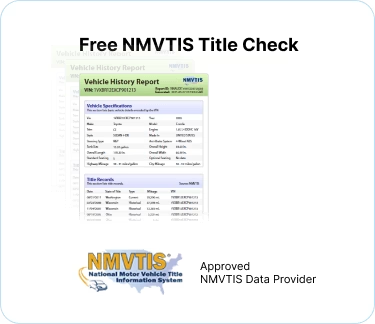
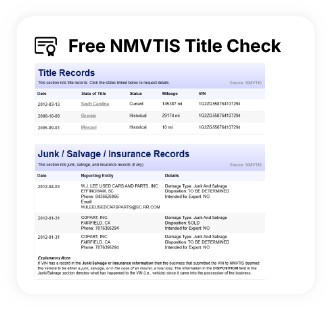
NMVTIS Title
History Check
History Check
Salvage/Rebuilt
Check
Check
Accident
Check
Check
Theft
Check
Check
Open Lien
Check
Check
Past Sale
Listings
Listings
Safety
Recalls
Recalls
Odometer
Check
Check
Market Price
Analysis
Analysis
What Problems Does the 1994 Peterbilt 379 Have?
For a 1994 Peterbilt 379, many frequently reported problems stem from its age and the demanding life of a heavy-duty truck. One common issue involves the electrical system; wiring harnesses can degrade over time, leading to intermittent power issues, gauge malfunctions, or lighting failures. Air system leaks are also prevalent, affecting air brakes, air ride suspensions, and air-powered accessories. These leaks often require diligent tracking and repair of lines, valves, and fittings.
Rust is another significant long-term concern, particularly on cab mounts, frame rails, battery boxes, and around fender wells. While Peterbilt frames are robust, constant exposure to road salt and moisture can lead to corrosion that needs addressing. Engine and transmission components, while generally durable, will eventually require significant overhaul or replacement due to high mileage, particularly for poorly maintained units. Common wear items include injectors, turbochargers, water pumps, and clutches. Owners often report issues with older Cummins N14 and Cat 3406 engines related to oil leaks, sensor failures, and cooling system problems as they approach or exceed a million miles. The Detroit Series 60 was generally known for its robust nature but also faces typical wear issues with age.
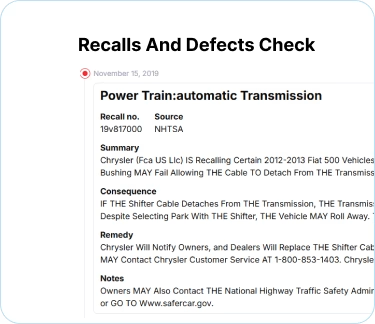
As for recalls specific to the 1994 model year, detailed records for such an older commercial vehicle can be challenging to pinpoint without specific VINs. However, general recalls for the 379 model line over its production run sometimes addressed issues like steering components, brake systems, or specific engine accessory concerns. Owners should always check the NHTSA database using their specific VIN for any outstanding recalls. Long-term reliability concerns are primarily about the cumulative effect of age and mileage on all components. A well-maintained 379 can run for millions of miles, but deferred maintenance will invariably lead to costly repairs, especially concerning major powertrain components, suspension bushings, and kingpins.
Rust is another significant long-term concern, particularly on cab mounts, frame rails, battery boxes, and around fender wells. While Peterbilt frames are robust, constant exposure to road salt and moisture can lead to corrosion that needs addressing. Engine and transmission components, while generally durable, will eventually require significant overhaul or replacement due to high mileage, particularly for poorly maintained units. Common wear items include injectors, turbochargers, water pumps, and clutches. Owners often report issues with older Cummins N14 and Cat 3406 engines related to oil leaks, sensor failures, and cooling system problems as they approach or exceed a million miles. The Detroit Series 60 was generally known for its robust nature but also faces typical wear issues with age.
As for recalls specific to the 1994 model year, detailed records for such an older commercial vehicle can be challenging to pinpoint without specific VINs. However, general recalls for the 379 model line over its production run sometimes addressed issues like steering components, brake systems, or specific engine accessory concerns. Owners should always check the NHTSA database using their specific VIN for any outstanding recalls. Long-term reliability concerns are primarily about the cumulative effect of age and mileage on all components. A well-maintained 379 can run for millions of miles, but deferred maintenance will invariably lead to costly repairs, especially concerning major powertrain components, suspension bushings, and kingpins.
How long will the 1994 Peterbilt 379 last?
The 1994 Peterbilt 379, when properly maintained, is legendary for its long-term durability. It's not uncommon for these trucks to reach well over 1,000,000 miles, with many seeing 1.5 to 2 million miles or more on the original engine block with multiple in-frame overhauls. Average years of service for well-kept models can easily exceed 20-30 years in active duty. This longevity is a testament to Peterbilt's robust engineering and the "rebuildable" nature of its large displacement engines. However, this impressive lifespan heavily relies on diligent maintenance habits, including regular oil changes, valve adjustments, and preventive replacement of wear items. Weaknesses over time primarily involve age-related fatigue in electrical systems, air lines, and increasing susceptibility to rust, particularly in corrosive environments. Neglect will drastically shorten its service life, leading to frequent and costly breakdowns.
What Technology & Safety Features are Included?
The 1994 Peterbilt 379, being a heavy-duty truck from its era, had a very different approach to "tech" compared to modern passenger vehicles or even current commercial trucks. Built-in technology was rudimentary, focusing on essential operational instruments. The dashboard featured analog gauges for speed, RPMs, oil pressure, coolant temperature, air pressure, and voltage. Diagnostic capabilities were basic, often relying on engine codes flashed by the "check engine" light rather than sophisticated onboard computers.
Entertainment options were limited to a factory-installed AM/FM cassette stereo, with optional upgrades to CD players from the aftermarket. In-cab amenities in sleeper models might include a small refrigerator prep area, a microwave shelf, and perhaps a mounting point for a small television, but these were typically owner-installed or dealer-installed options, not integrated OEM features.
Driver-assistance features as we know them today (e.g., adaptive cruise control, lane keeping assist, automatic emergency braking) were nonexistent. The primary "assistance" came from power steering, air-ride seats, and robust braking systems. Safety features were also fundamental: anti-lock braking systems (ABS) were becoming standard or optional on commercial vehicles in the mid-90s, offering improved stopping control. Other standard safety features included reinforced steel cabs, seatbelts, and large mirrors for visibility. Airbags for heavy-duty trucks were not common, if available at all, in 1994.
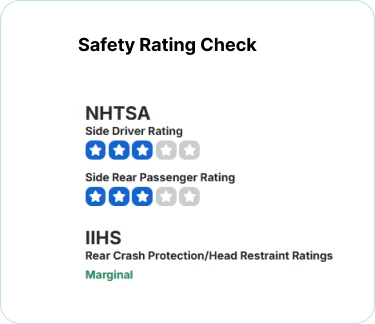
Crash-test ratings for commercial heavy-duty trucks like the 1994 Peterbilt 379 are not conducted by agencies like NHTSA or IIHS in the same manner as passenger cars. There are no consumer-facing crash ratings for these vehicles. Safety in such trucks is primarily derived from their sheer mass, robust frame construction, and the skill of the driver. Optional features largely revolved around powertrain choices, sleeper configurations, custom interiors, and exterior chrome or lighting packages, rather than advanced electronic systems.
Entertainment options were limited to a factory-installed AM/FM cassette stereo, with optional upgrades to CD players from the aftermarket. In-cab amenities in sleeper models might include a small refrigerator prep area, a microwave shelf, and perhaps a mounting point for a small television, but these were typically owner-installed or dealer-installed options, not integrated OEM features.
Driver-assistance features as we know them today (e.g., adaptive cruise control, lane keeping assist, automatic emergency braking) were nonexistent. The primary "assistance" came from power steering, air-ride seats, and robust braking systems. Safety features were also fundamental: anti-lock braking systems (ABS) were becoming standard or optional on commercial vehicles in the mid-90s, offering improved stopping control. Other standard safety features included reinforced steel cabs, seatbelts, and large mirrors for visibility. Airbags for heavy-duty trucks were not common, if available at all, in 1994.
Crash-test ratings for commercial heavy-duty trucks like the 1994 Peterbilt 379 are not conducted by agencies like NHTSA or IIHS in the same manner as passenger cars. There are no consumer-facing crash ratings for these vehicles. Safety in such trucks is primarily derived from their sheer mass, robust frame construction, and the skill of the driver. Optional features largely revolved around powertrain choices, sleeper configurations, custom interiors, and exterior chrome or lighting packages, rather than advanced electronic systems.
What Colors Options are Available?
1994 Peterbilt 379 Prices and Market Value
When new, a 1994 Peterbilt 379 could range significantly in price, from approximately $80,000 for a basic day cab to over $150,000 for a highly optioned model with a large sleeper and premium engine. Today, the used market prices vary wildly, reflecting the truck's condition, mileage, engine health, and customization. A "junk" truck might fetch a few thousand dollars for parts, while a well-maintained, low-mileage (for its age), or custom "show truck" can still command prices from $30,000 to $80,000+, and even higher for exceptionally restored units. Depreciation was steep in its early years, typical for commercial vehicles. However, the 379 has become a classic, experiencing significant value retention and even appreciation for pristine examples. Factors affecting resale value include the engine type (Caterpillar 3406E and Cummins N14 are highly desired), transmission, overall condition, absence of rust, and any custom modifications. Its iconic status helps buffer depreciation.
1994 Peterbilt 379 Cost of Ownership
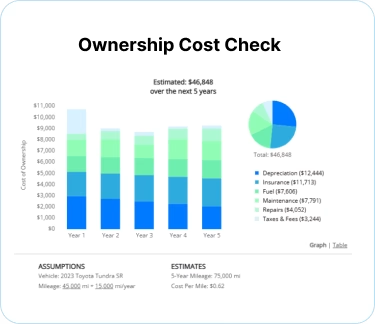
Owning a 1994 Peterbilt 379 is generally costly, primarily due to fuel and maintenance. Fuel consumption averages 4-7 MPG, leading to significant expenses for high-mileage operations. Insurance costs for a commercial heavy-duty truck are substantial, varying by usage, region, and driver record. Maintenance and repair can be expensive, requiring specialized parts and labor, though many components are widely available and rebuildable. Expect regular outlays for tires, brakes, oil changes (large capacities), and eventual major component overhauls (engine, transmission, differentials). While the initial purchase price on the used market can be low, the long-term operational costs classify the 379 as a costly vehicle to own, particularly if it's an older, less-maintained unit requiring significant work.
1994 Peterbilt 379 Fuel Efficiency
Fuel Type
Diesel
Fuel Capacity
-
City Mileage
-
Highway Mileage
-
1994 Peterbilt 379 Warranty
Basic
Original warranty
0 months / No data
Estimated remaining
Expired
Powertrain
Original warranty
0 months / No data
Estimated remaining
Expired
Rust
Original warranty
0 months / No data
Estimated remaining
Expired
1994 Peterbilt 379 Insurance
Insurance for a 1994 Peterbilt 379 is moderately priced, reflecting its status as a Truck with strong safety ratings and
reasonable repair costs.
How Does the 1994 Peterbilt 379 Compare to Other Truck?
The 1994 Peterbilt 379 stands as a classic among its rivals, which included the Kenworth W900, Freightliner Classic, Western Star 4900, and Volvo VN Series. In terms of performance, the 379, like the W900, excelled with powerful, reliable engine options (Caterpillar, Cummins, Detroit Diesel) offering robust torque for heavy loads. The Freightliner Classic also had strong powerplants but often came with slightly less customization. Modern Volvo VN models, while available then, prioritized efficiency and driver ergonomics over raw "big iron" power and traditional styling.
Features in the 379 and W900 were similar – focusing on driver comfort with air-ride seats, various sleeper configurations, and a relatively sparse but customizable interior. The Freightliner Classic offered similar amenities. None of these trucks had advanced electronics or driver-assistance features common today. The Volvo VN, even then, leaned more towards integrated dashboards and slightly more car-like interiors.
Reliability is a strong suit for the 379 and W900. Both are renowned for their mechanical durability and the rebuildability of their core components, often lasting millions of miles with proper maintenance. The Freightliner Classic was also quite reliable, though some argue its build quality wasn't quite on par with Peterbilt or Kenworth for severe duty. Newer trucks, while potentially offering more uptime due to advanced diagnostics, can also be more complex and costly to repair due to proprietary systems.
Price new, the Peterbilt 379 and Kenworth W900 were typically at the premium end of the spectrum. Freightliner Classic models were often slightly less expensive, providing a strong value proposition. Used prices today reflect this heritage; a well-preserved 379 or W900 commands significantly higher prices than a comparable Freightliner or Volvo of the same vintage due to their iconic status and customization potential.
Similar alternatives to the 379 would be its direct competitor, the Kenworth W900, which offers a very similar aesthetic, performance, and legendary reliability. The Freightliner Classic is another good alternative for those seeking a traditional look with potentially lower acquisition costs. For those prioritizing modern efficiency and driver amenities, a newer used truck from Peterbilt (like a 389) or Kenworth, or even a late-model Volvo or Freightliner, would be a "better" alternative for current commercial operations.
Features in the 379 and W900 were similar – focusing on driver comfort with air-ride seats, various sleeper configurations, and a relatively sparse but customizable interior. The Freightliner Classic offered similar amenities. None of these trucks had advanced electronics or driver-assistance features common today. The Volvo VN, even then, leaned more towards integrated dashboards and slightly more car-like interiors.
Reliability is a strong suit for the 379 and W900. Both are renowned for their mechanical durability and the rebuildability of their core components, often lasting millions of miles with proper maintenance. The Freightliner Classic was also quite reliable, though some argue its build quality wasn't quite on par with Peterbilt or Kenworth for severe duty. Newer trucks, while potentially offering more uptime due to advanced diagnostics, can also be more complex and costly to repair due to proprietary systems.
Price new, the Peterbilt 379 and Kenworth W900 were typically at the premium end of the spectrum. Freightliner Classic models were often slightly less expensive, providing a strong value proposition. Used prices today reflect this heritage; a well-preserved 379 or W900 commands significantly higher prices than a comparable Freightliner or Volvo of the same vintage due to their iconic status and customization potential.
Similar alternatives to the 379 would be its direct competitor, the Kenworth W900, which offers a very similar aesthetic, performance, and legendary reliability. The Freightliner Classic is another good alternative for those seeking a traditional look with potentially lower acquisition costs. For those prioritizing modern efficiency and driver amenities, a newer used truck from Peterbilt (like a 389) or Kenworth, or even a late-model Volvo or Freightliner, would be a "better" alternative for current commercial operations.
Final Verdict: Is the 1994 Peterbilt 379 a Good Truck?
The 1994 Peterbilt 379 is ideal for owner-operators and small fleets who value classic American truck styling, mechanical simplicity, and the ability to customize. It's perfect for those who enjoy working on their own vehicles or have access to skilled heavy-duty mechanics. It's also a prime candidate for restoration projects or "show truck" enthusiasts. It is worth buying as a used vehicle, but only under specific conditions: prioritize units with well-documented maintenance history, healthy powertrains (especially Cat 3406E or Cummins N14), and minimal frame rust. A 379 is not ideal for those seeking modern fuel efficiency, advanced safety features, or a "turn-key" solution without significant ongoing maintenance. For active commercial use, be prepared for higher operating costs. Specific trims with larger sleepers (e.g., 63-inch or 70-inch UltraCab) are often more desirable for their comfort and resale value, but day cabs offer a robust base for specialty applications or local hauling.