
The Good
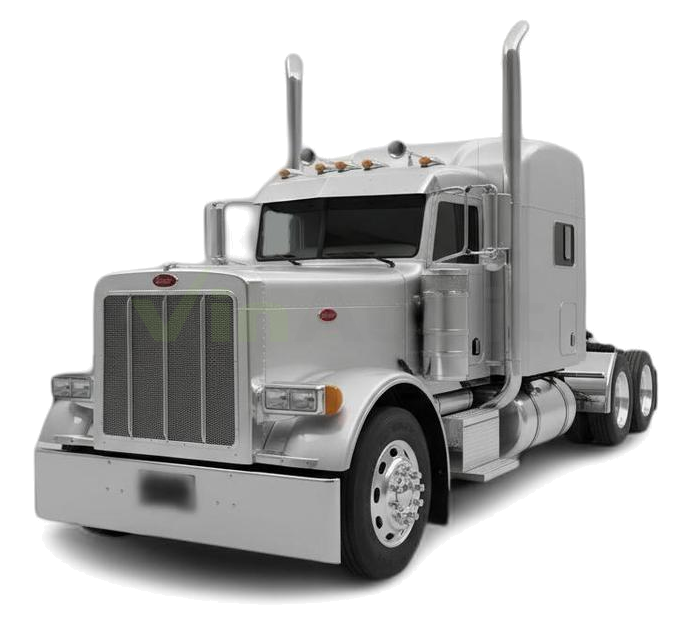
The 2006 Peterbilt 379 offers exceptional performance, legendary reliability, and a comfortable driver-focused interior. Its striking, classic design evokes pride of ownership, while its robust engineering ensures longevity. For practical buyers, it represents a sound investment in durability and operational efficiency. Emotionally, it's the truck that embodies the spirit of the open road.
The Bad
Potential weaknesses for the 2006 Peterbilt 379 include age-related wear on components such as suspension, brakes, and HVAC systems. Electrical gremlins can emerge over time. Fuel economy, while often dependent on the specific powertrain, may not match modern, more aerodynamic trucks. Significant wear on the drivetrain or frame requires careful inspection.
2006 Peterbilt 379: Quick Overview
- Engine Options: The 2006 Peterbilt 379 was typically equipped with powerful Cummins ISX or Caterpillar C15 diesel engines. Other options could include PACCAR MX engines, depending on the specific build and region.
- Horsepower: Horsepower ratings generally ranged from 400 to over 600 hp, with most common configurations falling between 450-550 hp.
- Fuel Economy: Fuel economy for a truck of this era and class is highly variable, depending heavily on the engine, transmission, gearing, load, and driving conditions. Expect figures in the range of 5-7 miles per gallon (MPG).
- 0-60 Times: 0-60 mph times are not a primary metric for heavy-duty trucks and are highly dependent on load, gearing, and engine power. Under normal load, a Peterbilt 379 would accelerate, but it is not designed for rapid acceleration.
- Towing Capacity: The towing capacity is immense, designed for heavy-duty freight hauling. Peterbilt 379 configurations are rated for Gross Combination Weights (GCW) typically in the 80,000 to 100,000+ pound range, capable of pulling large trailers.
- Trim-Level Features: Peterbilt 379s were highly customizable, meaning trim levels were more about client specification than factory packages. Common features included:
- Spacious, aerodynamic hoods designed for engine access and airflow.
- Comfortable, well-appointed sleeper cabs, ranging from day cabs to extensive custom sleeper units.
- Durable, heavy-duty chassis and suspension components for demanding applications.
- A range of transmission options, including manual (e.g., Eaton Fuller) and automatic transmissions.
- Advanced (for the time) instrumentation and driver controls.
- Optional features like premium interiors, advanced climate control, navigation systems (depending on era), and enhanced lighting.
- Custom paint schemes and graphics were very common.
2006 Peterbilt 379 Specifications
Vehicle Information
| Year | 2006 |
| Make | Peterbilt |
| Model | 379 |
| Trim | - |
| Style | - |
| Type | Truck |
| Category | Medium Truck |
Manufacturing Details
| Made In | United States |
| Manufacturing City | DENTON |
Dimensions
| Doors | - |
| Curb Weight | - |
| Gross Vehicle Weight Rating | 50000 pounds |
| Overall Height | - |
| Overall Length | - |
| Overall Width | - |
| Wheelbase Length | - |
| Standard Seating | - |
Engine & Performance
| Engine | 14.6L I6 |
| Engine Size | 14.6L |
| Engine Cylinders | 6 |
| Transmission | - |
| Transmission Type | - |
| Transmission Speeds | - |
| Drivetrain | 6x4 |
Additional Features
| Anti-Brake System | - |
| Steering Type | - |
Pricing
| Manufacturer Suggested Retail Price (MSRP) | - |
| Invoice Price | - |
| Delivery Charges | - |
Vehicle History Report
Specifications
History
Events
History Check
Check
Check
Check
Check
Listings
Recalls
Check
Analysis
What Problems Does the 2006 Peterbilt 379 Have?
The Cummins ISX and Caterpillar C15 engines, while powerful, are known for requiring diligent maintenance. Over time, components like the EGR (Exhaust Gas Recirculation) system can become clogged, affecting performance and emissions. Fuel injectors and turbochargers are also high-wear items that can eventually require attention. The cooling system, including radiators and hoses, should be regularly inspected for leaks or deterioration.
Suspension and chassis components, such as leaf springs, shocks, and bushings, will naturally wear down over hundreds of thousands of miles, leading to a rougher ride or handling issues. Brake systems, especially on older trucks, will require regular maintenance and potential component replacement like drums, shoes, and air lines. The clutch and transmission, particularly in manual configurations, are subject to wear and tear from heavy use.
While there are no widespread, model-year-specific recalls that stand out for the 2006 Peterbilt 379 as a particularly problematic year in the way some consumer vehicles might have, it is crucial to check for any outstanding service bulletins or manufacturer advisories. Long-term reliability is heavily contingent on the initial build quality, the owner's maintenance regimen, and the specific operational stresses the truck has endured. Trucks that have been meticulously maintained, with regular fluid changes, component inspections, and timely repairs, tend to have significantly better long-term reliability.
How long will the 2006 Peterbilt 379 last?
What Technology & Safety Features are Included?
Driver-assistance features as we understand them today were virtually non-existent. There were no adaptive cruise control, lane departure warnings, or automatic emergency braking systems. Safety features were primarily mechanical: robust chassis construction, heavy-duty brakes, and integrated lighting systems for visibility. Seat belts were standard, and the cab structure was designed for driver protection in the event of a collision, though formal crash-test ratings for heavy-duty trucks like the 379 are not typically published by consumer safety organizations like NHTSA or IIHS in the same way they are for light-duty vehicles.
Optional features could enhance the driver experience significantly. These might include upgraded sound systems, auxiliary heating and air conditioning units for the sleeper, navigation systems (which would have been rudimentary for 2006), and enhanced interior trim packages with more comfortable seating materials and additional storage solutions. Many owner-operators would customize their trucks with aftermarket electronics for improved communication (CB radios) and entertainment.
The emphasis for the 379 was on reliability and driver ergonomics for extended periods behind the wheel, not on integrating complex electronic driver aids or advanced infotainment. The technology present was designed to withstand the rigors of heavy-duty commercial use.
What Colors Options are Available?
2006 Peterbilt 379 Prices and Market Value
2006 Peterbilt 379 Cost of Ownership
2006 Peterbilt 379 Fuel Efficiency
2006 Peterbilt 379 Recalls & Defects
Equipment:other:labels
Equipment:other:labels
Tires
Engine and Engine Cooling
Power Train:driveline
Trailer Hitches:fifth Wheel Assembly
Service Brakes, AIR
Service Brakes, Air:slack Adjusters
2006 Peterbilt 379 Warranty
Basic
Powertrain
Rust
2006 Peterbilt 379 Insurance
reasonable repair costs.
How Does the 2006 Peterbilt 379 Compare to Other Truck?
Performance: In terms of performance, the 379, equipped with Cummins ISX or CAT C15 engines, offered competitive horsepower and torque figures, comparable to its direct rivals. Performance was defined by its hauling capability rather than acceleration.
Features: Peterbilt often catered to owner-operators, offering a high degree of customization. This allowed for more personalized features and aesthetics compared to some more standardized competitor offerings. While competitors like Volvo might have offered more advanced cabin ergonomics or integrated technology for the time, Peterbilt's focus on a traditional, robust driver environment was a strong suit.
Reliability: Peterbilt has a legendary reputation for reliability and durability, often considered a benchmark. While all heavy-duty trucks require maintenance, the 379 is known for its robust chassis and powertrain longevity. Kenworth, particularly models like the T800, is a very close competitor in terms of reliability and build quality. Freightliner and International, while offering competitive products, sometimes had a perception of being less robust than Peterbilt or Kenworth, though this can vary by specific model and configuration.
Price: When new, prices were generally comparable across premium brands like Peterbilt and Kenworth, often commanding a premium over brands like Freightliner or International. On the used market, the 379 tends to hold its value exceptionally well, often commanding higher prices than equivalent models from competitors due to its desirability and perceived longevity.
Alternatives: For similar performance and legendary reliability, a Kenworth T800 is an excellent alternative, often considered the closest in spirit and capability. If a slightly more modern cabin feel or potentially more integrated technology (for the era) is desired, a Volvo VNL could be considered, though often at a higher price point on the used market. However, for the iconic styling and rugged, no-nonsense approach to heavy hauling, the Peterbilt 379 remains a top choice.
Final Verdict: Is the 2006 Peterbilt 379 a Good Truck?

Cathleen V
Cathleen is an exceptional freelance writer covering hot topics in the automotive world from a gearhead's perspective. Her articles delve into various aspects of automotive technology and history, offering readers detailed insights into engine performance, reliability, and maintenance. Through her engaging and informative writing, Cathleen provides valuable information to automotive enthusiasts and consumers alike, helping them make informed decisions about vehicle maintenance and purchases.