The 1987 Alfa Romeo Spider, part of the Series 3 iteration, is a classic Italian roadster known for its timeless design and engaging driving dynamics. Produced from 1966 to 1993, key trims include the base Spider, Graduate, and Veloce. Its popularity stems from its elegant Pininfarina styling, rear-wheel-drive platform, and the evocative Alfa Romeo engine note. It embodies the essence of affordable European sports car motoring.
The Good
The 1987 Alfa Romeo Spider offers exhilarating performance through its responsive handling and spirited engine. Its iconic Italian design appeals to the heart, while its convertible nature promises open-air enjoyment. Practical buyers will appreciate its relatively good fuel efficiency and the value it represents as an accessible classic.
The Bad
Potential buyers of the 1987 Alfa Romeo Spider should be aware of common issues. Rust, particularly around the wheel arches, sills, and door bottoms, is a significant concern. Electrical gremlins and aging rubber components are also frequent problems. The clutch and transmission can wear, and proper maintenance is crucial.
1987 Alfa Romeo Spider: Quick Overview
- Engine Options: The 1987 Alfa Romeo Spider was primarily equipped with a 2.0-liter inline-four engine.
- Horsepower: This engine typically produced around 115-120 horsepower, depending on specific market configurations and emission controls.
- Fuel Economy: Fuel economy for the 1987 Spider generally ranged from 20-25 MPG in combined city/highway driving, making it reasonably efficient for its class.

- 0-60 Times: Acceleration from 0 to 60 mph was typically in the 9-10 second range, reflecting a focus on spirited driving rather than outright speed.
- Towing Capacity: The Alfa Romeo Spider is a sports car and does not have a towing capacity.
- Trim-Level Features:
The 1987 model year was part of the Series 3, which saw a refresh with improved aerodynamics and revised interior. Key features available across trims included:- Power windows
- Air conditioning (often optional)
- Power steering
- Leather-trimmed seats (optional on some trims)
- A manual soft-top convertible roof
- Four-wheel disc brakes
- Independent front suspension and a live rear axle
- The 'Quadrifoglio' trim, representing a sportier variant, might have included specific badging, suspension enhancements, and aesthetic upgrades.

- Later in the model year, some Spiders might have featured a catalytic converter for emissions compliance.

- The interior often featured a driver-focused dashboard with clear instrumentation.
- The rear-wheel-drive layout contributed to its sporty handling characteristics.
1987 Alfa Romeo Spider Specifications
Vehicle Information
| Year | 1987 |
| Make | Alfa Romeo |
| Model | Spider |
| Trim | - |
| Style | - |
| Type | Convertible |
| Category | Compact Car |
Manufacturing Details
| Made In | Italy |
| Manufacturing City | MILAN |
Dimensions
| Doors | 2-Door |
| Curb Weight | - |
| Gross Vehicle Weight Rating | - |
| Overall Height | - |
| Overall Length | - |
| Overall Width | - |
| Wheelbase Length | - |
| Standard Seating | - |
Engine & Performance
| Engine | 2L I4 |
| Engine Size | 2L |
| Engine Cylinders | 4 |
| Transmission | 5-Speed Manual |
| Transmission Type | Manual |
| Transmission Speeds | 5-Speed |
| Drivetrain | Rear-Wheel Drive |
Additional Features
| Anti-Brake System | - |
| Steering Type | - |
Pricing
| Manufacturer Suggested Retail Price (MSRP) | - |
| Invoice Price | - |
| Delivery Charges | - |
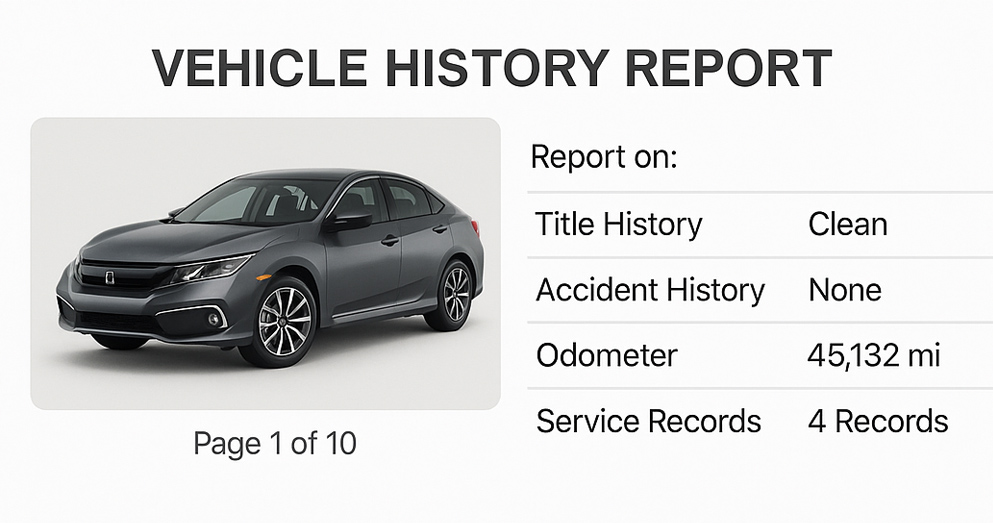
Vehicle History Report
Vehicle
Specifications
Specifications
Ownership
History
History
All History
Events
Events
NMVTIS Title
History Check
History Check
Salvage/Rebuilt
Check
Check
Accident
Check
Check
Theft
Check
Check
Open Lien
Check
Check
Past Sale
Listings
Listings
Safety
Recalls
Recalls
Odometer
Check
Check
Market Price
Analysis
Analysis
What Problems Does the 1987 Alfa Romeo Spider Have?
The 1987 Alfa Romeo Spider, like many cars of its era, has its share of frequently reported problems and long-term reliability concerns. One of the most persistent issues is rust. Alfa Romeos from this period are notorious for susceptibility to corrosion, especially in regions with harsh winters or high humidity. Owners often need to address rust on the sills, wheel arches, rocker panels, and around the windshield and rear window seals. Early detection and treatment are critical to preventing extensive structural damage.
Electrical systems are another common area of concern. Aging wiring harnesses, corroded connectors, and failing relays can lead to a variety of issues, from non-functional headlights and turn signals to problems with the ignition or fuel injection system. Faulty gauges and intermittent power windows are also frequently cited.
Mechanical components can also be a source of headaches. The fuel injection system, while generally reliable when maintained, can develop issues with fuel pumps, injectors, or sensors. Overheating can be a problem if the cooling system is not properly maintained, so checking the radiator, hoses, and thermostat is essential. The clutch and transmission can also exhibit wear over time, potentially requiring replacement of the clutch disc or even the transmission.
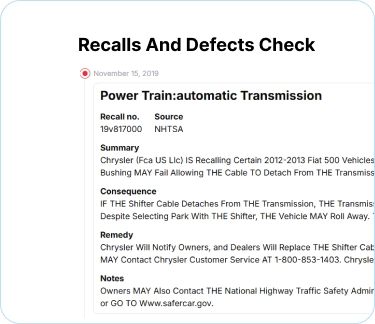
Rubber components, such as bushings, seals, and hoses, are prone to degradation due to age and exposure to the elements. This can lead to leaks, poor handling, and reduced performance. Specific to the 1987 model year, while it benefited from some of the refinements of the Series 3, it still shared many of the inherent characteristics of earlier models. There were no major widespread recalls specific to the 1987 model year that stand out, but regular maintenance and proactive attention to potential issues are key to ensuring long-term reliability. Owners who are diligent with maintenance and address small problems before they become major ones tend to have more positive ownership experiences.
Electrical systems are another common area of concern. Aging wiring harnesses, corroded connectors, and failing relays can lead to a variety of issues, from non-functional headlights and turn signals to problems with the ignition or fuel injection system. Faulty gauges and intermittent power windows are also frequently cited.
Mechanical components can also be a source of headaches. The fuel injection system, while generally reliable when maintained, can develop issues with fuel pumps, injectors, or sensors. Overheating can be a problem if the cooling system is not properly maintained, so checking the radiator, hoses, and thermostat is essential. The clutch and transmission can also exhibit wear over time, potentially requiring replacement of the clutch disc or even the transmission.
Rubber components, such as bushings, seals, and hoses, are prone to degradation due to age and exposure to the elements. This can lead to leaks, poor handling, and reduced performance. Specific to the 1987 model year, while it benefited from some of the refinements of the Series 3, it still shared many of the inherent characteristics of earlier models. There were no major widespread recalls specific to the 1987 model year that stand out, but regular maintenance and proactive attention to potential issues are key to ensuring long-term reliability. Owners who are diligent with maintenance and address small problems before they become major ones tend to have more positive ownership experiences.
How long will the 1987 Alfa Romeo Spider last?
Estimating the average mileage for a 1987 Alfa Romeo Spider is challenging, as their usage varies greatly. Many are cherished classics driven only in fair weather, accumulating perhaps 3,000-5,000 miles per year. Others might be used more regularly, potentially reaching 10,000 miles annually. With diligent maintenance, these cars can certainly last for many years, with some well-cared-for examples exceeding 200,000 miles. However, long-term durability is heavily influenced by how well the common weaknesses, particularly rust and electrical issues, have been addressed. Cars stored improperly or subjected to harsh conditions will inevitably show more wear and require more extensive repairs over time. The inherent design is robust, but neglect is its greatest enemy.
What Technology & Safety Features are Included?
The 1987 Alfa Romeo Spider represents a simpler era of automotive technology, focusing more on the driving experience than advanced electronic amenities. Built-in tech was relatively basic. Entertainment typically consisted of an AM/FM radio, often with a cassette player. Some higher trims or optional packages might have included an upgraded sound system, but sophisticated infotainment systems were non-existent. Speakers were usually integrated into the doors or dashboard.
Driver-assistance features were largely absent. Power steering was a welcome convenience, and power windows were available, but modern systems like cruise control, parking sensors, or advanced navigation were not part of the package. The focus was on the driver's direct connection to the road.
Safety features for the 1987 Spider were also rudimentary by today's standards. Standard safety equipment included three-point seatbelts and four-wheel disc brakes, which provided good stopping power for the time. Some models might have featured a collapsible steering column. However, features like airbags, anti-lock braking systems (ABS), or electronic stability control were not available on the 1987 model. Side-impact protection was also very limited.
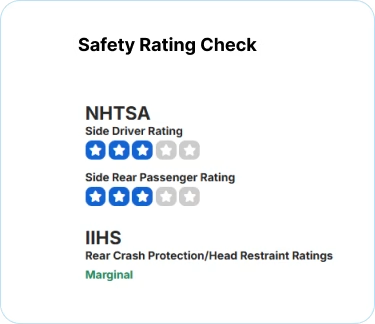
Crash-test ratings for vehicles from this era are not directly comparable to modern standards and are rarely available through official agencies like the NHTSA or IIHS. The Spider's lightweight construction and convertible design inherently present different safety profiles than modern sedans or SUVs. It was designed in an era where passive safety was less emphasized compared to the active safety provided by its handling and braking capabilities. Optional features were generally limited to cosmetic upgrades, comfort enhancements like air conditioning, or higher-quality interior materials.
Driver-assistance features were largely absent. Power steering was a welcome convenience, and power windows were available, but modern systems like cruise control, parking sensors, or advanced navigation were not part of the package. The focus was on the driver's direct connection to the road.
Safety features for the 1987 Spider were also rudimentary by today's standards. Standard safety equipment included three-point seatbelts and four-wheel disc brakes, which provided good stopping power for the time. Some models might have featured a collapsible steering column. However, features like airbags, anti-lock braking systems (ABS), or electronic stability control were not available on the 1987 model. Side-impact protection was also very limited.
Crash-test ratings for vehicles from this era are not directly comparable to modern standards and are rarely available through official agencies like the NHTSA or IIHS. The Spider's lightweight construction and convertible design inherently present different safety profiles than modern sedans or SUVs. It was designed in an era where passive safety was less emphasized compared to the active safety provided by its handling and braking capabilities. Optional features were generally limited to cosmetic upgrades, comfort enhancements like air conditioning, or higher-quality interior materials.
What Colors Options are Available?
1987 Alfa Romeo Spider Prices and Market Value
When new in 1987, the Alfa Romeo Spider typically had a Manufacturer's Suggested Retail Price (MSRP) ranging from around $20,000 to $25,000, depending on the trim level and optional equipment. The Spider has experienced a unique depreciation curve. Initially, like most cars, it depreciated significantly in its early years. However, as a classic Italian roadster with desirable styling, its value has stabilized and, for well-maintained examples, has even appreciated in recent years. Current used market prices for a 1987 Alfa Romeo Spider can range from $5,000 for project cars needing significant work to $15,000-$25,000+ for pristine, low-mileage, or exceptionally well-restored examples. Factors significantly affecting resale value include condition (rust is a major detractor), originality, maintenance history, mileage, and overall desirability of specific trims or color combinations.
1987 Alfa Romeo Spider Cost of Ownership
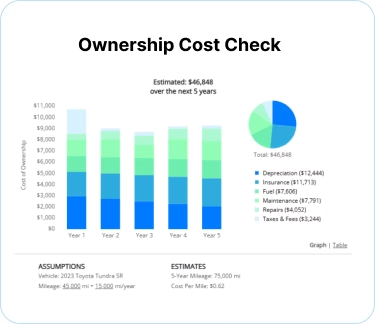
Owning a 1987 Alfa Romeo Spider is generally not considered economical in the same vein as a modern economy car. Insurance costs can vary, but as a classic, specialized policies are often available and can be more affordable than standard coverage. Fuel costs are moderate, with its 2.0L engine offering decent MPG. Maintenance and repair are where costs can escalate. While parts are generally available, they can be more expensive than for mainstream vehicles. Specialized mechanics familiar with Alfas are recommended, adding to labor costs. Frequent attention to its known weaknesses (rust, electricals) is essential for long-term reliability, making it a potentially costly but rewarding ownership experience for enthusiasts.
1987 Alfa Romeo Spider Fuel Efficiency
Fuel Type
Gasoline
Fuel Capacity
-
City Mileage
19 miles/gallon
Highway Mileage
25 miles/gallon
1987 Alfa Romeo Spider Warranty
Basic
Original warranty
0 months / No data
Estimated remaining
Expired
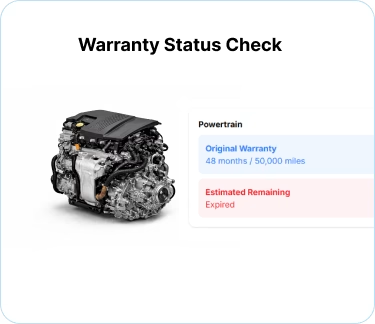
Powertrain
Original warranty
0 months / No data
Estimated remaining
Expired
Rust
Original warranty
0 months / No data
Estimated remaining
Expired
1987 Alfa Romeo Spider Insurance
Insurance for a 1987 Alfa Romeo Spider is moderately priced, reflecting its status as a Convertible with strong safety ratings and
reasonable repair costs.
How Does the 1987 Alfa Romeo Spider Compare to Other Convertible?
The 1987 Alfa Romeo Spider competed in the compact sports car segment, facing stiff competition from cars like the Mazda Miata (though the first generation MX-5 wasn't released until 1989, so it's a near-contemporary), Porsche 924/944, and perhaps some American convertibles like the Ford Mustang convertible.
Performance: The Spider offered a distinct Italian flair with its lively 2.0L engine and balanced rear-wheel-drive chassis, providing engaging handling. It was generally quicker and more engaging than a base Mustang convertible of the era, but often fell short of the outright performance offered by a Porsche 924 or 944. The upcoming Mazda Miata would later redefine this segment with superior handling and reliability.
Features: Compared to its rivals, the Spider's feature set was fairly basic, leaning towards driver engagement over creature comforts. While it offered power windows and steering, it lacked many of the conveniences found in some of its competitors, especially as years progressed. The Porsche 944 offered more advanced features and a more premium interior.
Reliability: This is where the Alfa Romeo Spider often lagged significantly behind its rivals. Japanese competitors, particularly the Mazda Miata (when it arrived), were renowned for their superior reliability and lower maintenance costs. Porsches, while complex, often had a reputation for better build quality and fewer electrical gremlins than contemporary Italian cars. Rust was a major Achilles' heel for the Spider.
Price: When new, the Alfa Spider was often priced competitively, sitting in the middle ground between more basic offerings and premium sports cars. Used prices today reflect this, with well-maintained Spiders being more affordable than comparable Porsches, but often commanding higher prices than neglected American convertibles.
Alternatives:
Performance: The Spider offered a distinct Italian flair with its lively 2.0L engine and balanced rear-wheel-drive chassis, providing engaging handling. It was generally quicker and more engaging than a base Mustang convertible of the era, but often fell short of the outright performance offered by a Porsche 924 or 944. The upcoming Mazda Miata would later redefine this segment with superior handling and reliability.
Features: Compared to its rivals, the Spider's feature set was fairly basic, leaning towards driver engagement over creature comforts. While it offered power windows and steering, it lacked many of the conveniences found in some of its competitors, especially as years progressed. The Porsche 944 offered more advanced features and a more premium interior.
Reliability: This is where the Alfa Romeo Spider often lagged significantly behind its rivals. Japanese competitors, particularly the Mazda Miata (when it arrived), were renowned for their superior reliability and lower maintenance costs. Porsches, while complex, often had a reputation for better build quality and fewer electrical gremlins than contemporary Italian cars. Rust was a major Achilles' heel for the Spider.
Price: When new, the Alfa Spider was often priced competitively, sitting in the middle ground between more basic offerings and premium sports cars. Used prices today reflect this, with well-maintained Spiders being more affordable than comparable Porsches, but often commanding higher prices than neglected American convertibles.
Alternatives:
- Similar: A contemporary Fiat Spider (or Pininfarina Spider) offers a similar Italian roadster experience, though often with slightly different mechanicals. A later model Nissan 300ZX Convertible could offer more power and features but at a higher price point.
- Better: For outright reliability and fun-to-drive dynamics, the upcoming Mazda Miata (NA) is a standout choice once it becomes available. For a more refined and powerful experience with potentially better build quality, a used Porsche 944 is a strong contender, though likely at a higher purchase and maintenance cost.
Final Verdict: Is the 1987 Alfa Romeo Spider a Good Convertible?
The 1987 Alfa Romeo Spider is ideal for the enthusiast who appreciates classic Italian design, the joy of open-top motoring, and a car with character. It's for someone who doesn't shy away from basic mechanical knowledge or the potential for some minor tinkering, understanding that a classic car requires care. It is worth buying, but primarily as a used vehicle, as new ones are long gone. It is best suited for a buyer looking for a weekend cruiser or a car for sunny drives rather than a daily driver, especially if reliability is a top priority. Well-maintained examples, especially those with documented service history and minimal rust, are the most desirable. It's a car bought with the heart, understanding that its charm and driving pleasure come with a need for attention and dedication.