
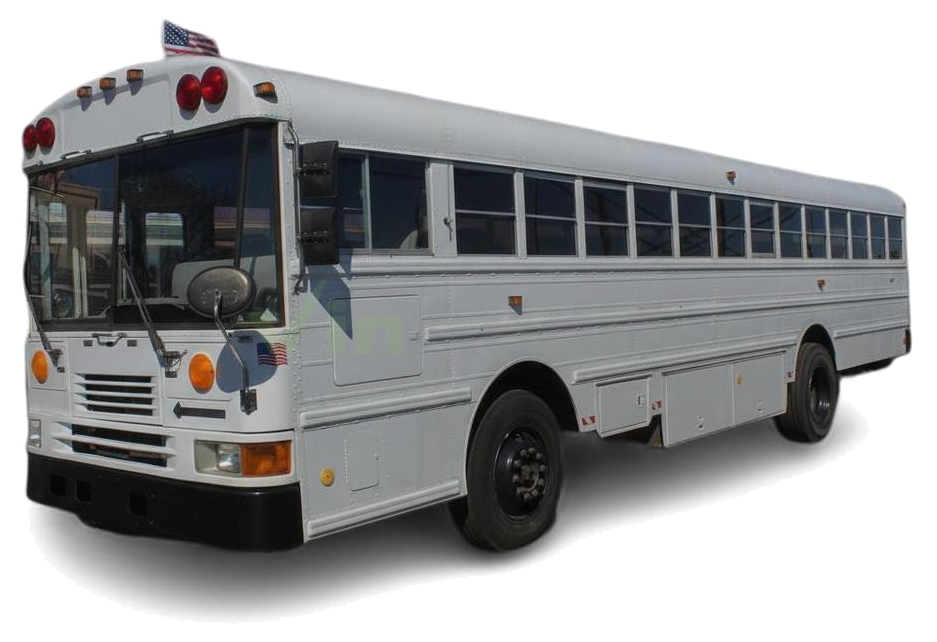
The 2000 International 3800 is a robust, medium-duty commercial vehicle, often configured as a bus, cutaway chassis, or truck. Primarily produced from the late 1980s through the early 2000s, it was built for durability and versatility. While specific trims varied greatly depending on its intended use (e.g., school bus, shuttle bus, cargo truck), its reputation for ruggedness and a solid foundation made it a popular choice for fleet operators and custom builders. Its value often lies in its utilitarian design and strong chassis.
The Good
The 2000 International 3800 shines with its exceptional durability and robust construction, offering peace of mind for practical buyers. Its adaptable design appeals to those seeking a reliable workhorse, while its straightforward engineering promises dependable service over many years, evoking a sense of trust and long-term value.
The Bad
Owners should be aware that the 2000 International 3800, being a commercial vehicle, may exhibit wear and tear from extensive use. Potential weaknesses can include aging electrical components, corrosion on the chassis, and engine maintenance needs. Fuel efficiency is generally not a strong suit.
2000 International 3800: Quick Overview
- Engine Options: The 2000 International 3800 was typically equipped with a range of robust diesel engines. Common options included various configurations of the International DT 466E inline-six diesel engine. Some models might have also featured the International HT 530E.
- Horsepower: Horsepower varied significantly based on the specific engine and its tuning, but generally ranged from approximately 170 horsepower for earlier or less powerful variants of the DT 466E up to around 250-300 horsepower for more robust configurations. The HT 530E could offer even higher outputs.
- Fuel Economy: Specific MPG figures for a vehicle like the 2000 International 3800 are difficult to pinpoint due to its commercial nature and varying configurations (bus, chassis, etc.). However, as a heavy-duty diesel vehicle, fuel economy would typically be in the single digits, likely ranging from 6 to 12 MPG, heavily dependent on load, terrain, and driving style.
- 0-60 Times: 0-60 mph times are not a standard metric for this type of vehicle and would be considerably slow, likely exceeding 20-30 seconds, especially when fully loaded. Its design prioritizes utility and load-carrying capacity over acceleration.
- Towing Capacity: While the 3800 chassis itself is capable of handling significant loads, its towing capacity is dependent on the specific body configuration and the intended use. As a chassis, it could be optioned for substantial towing, potentially ranging from 10,000 lbs to over 30,000 lbs when properly equipped and utilized for commercial hauling. For bus configurations, towing is generally not applicable.
- Trim-Level Features: Specific trim levels were less about luxury and more about functional purpose. Common features included heavy-duty transmissions (e.g., Allison automatic), robust suspension systems for carrying significant weight, durable interior materials, and often a stripped-down interior for custom upfitting (in chassis models). Bus versions would have seating configurations, climate control systems (often basic), and safety features relevant to passenger transport.
2000 International 3800 Specifications
Vehicle Information
| Year | 2000 |
| Make | International |
| Model | 3800 |
| Trim | - |
| Style | - |
| Type | Truck |
| Category | Bus |
Manufacturing Details
| Made In | United States |
| Manufacturing City | CONWAY |
Dimensions
| Doors | - |
| Curb Weight | - |
| Gross Vehicle Weight Rating | 33000 pounds |
| Overall Height | - |
| Overall Length | - |
| Overall Width | - |
| Wheelbase Length | - |
| Standard Seating | - |
Engine & Performance
| Engine | 5.9L I6 |
| Engine Size | 5.9L |
| Engine Cylinders | 8 |
| Transmission | - |
| Transmission Type | - |
| Transmission Speeds | - |
| Drivetrain | Rear-Wheel Drive |
Additional Features
| Anti-Brake System | - |
| Steering Type | - |
Pricing
| Manufacturer Suggested Retail Price (MSRP) | - |
| Invoice Price | - |
| Delivery Charges | - |
Vehicle History Report
Vehicle
Specifications
Specifications
Ownership
History
History
All History
Events
Events
NMVTIS Title
History Check
History Check
Salvage/Rebuilt
Check
Check
Accident
Check
Check
Theft
Check
Check
Open Lien
Check
Check
Past Sale
Listings
Listings
Safety
Recalls
Recalls
Odometer
Check
Check
Market Price
Analysis
Analysis
What Problems Does the 2000 International 3800 Have?
The 2000 International 3800, like many commercial vehicles of its era, is known for its workhorse nature but also for potential issues that arise with age and mileage. A frequently reported concern revolves around the aging of electrical systems. Wiring harnesses can degrade, leading to intermittent electrical problems, issues with gauges, lighting, or even starting difficulties. The fuel injection system, particularly on the DT 466E engines, can be a point of concern if not meticulously maintained, with injector seals or the injection pump itself becoming problematic. Overheating can also be an issue, especially in bus applications where engines are worked hard, so radiator and cooling system maintenance is critical. Suspension components, such as leaf springs and bushings, can wear out over time due to the heavy loads these vehicles are designed to carry. For the 2000 model year specifically, while no widespread, model-year-specific catastrophic recalls are broadly documented in public databases for this exact year, owners should be vigilant for common diesel engine maintenance needs. Recalls for commercial vehicles are often specific to particular configurations or components and may not be as widely publicized as those for passenger cars. Long-term reliability is heavily contingent on the vehicle's service history and the rigor of its maintenance schedule. A well-maintained 3800 can be incredibly durable, but neglected units can quickly become costly to repair due to the heavy-duty nature of their components. Common long-term concerns also include rust and corrosion, particularly on the frame and body panels, especially in regions with harsh winters or coastal environments. Transmission issues, while less common, can arise with high mileage, especially with older automatic transmissions like the Allison variants.
How long will the 2000 International 3800 last?
The 2000 International 3800 is engineered for longevity, and it's not uncommon for these vehicles to accumulate well over 200,000 to 500,000 miles, or even more, with consistent and diligent maintenance. Many units have been known to serve for 15 to 20 years or longer in commercial fleets. Its long-term durability stems from its robust, heavy-duty construction. However, weaknesses emerge over time, primarily related to the aging of components. Electrical systems can become finicky, suspension parts will wear, and diesel engines, while tough, require regular servicing to prevent major failures. Rust can also be a significant factor impacting longevity in certain climates. Ultimately, its lifespan is a direct reflection of its care.
What Technology & Safety Features are Included?
The 2000 International 3800, by its nature as a utilitarian commercial vehicle, emphasizes function over advanced technology, driver-assistance, or luxury entertainment features. Built-in tech is generally basic. Entertainment systems typically consisted of an AM/FM radio, often with a cassette player, and perhaps a simple CD player as an optional upgrade. Connectivity options like Bluetooth or USB ports were non-existent. Driver-assistance features were virtually absent; you wouldn't find features like adaptive cruise control, lane departure warnings, or automatic emergency braking. The focus was on providing a reliable platform for its intended purpose.
Safety features were primarily focused on passive safety and structural integrity. This included robust frame construction, standard seatbelts for all occupants, and often large, powerful braking systems (disc brakes front and rear were common). Depending on the configuration, especially in bus models, features like emergency exits, interior lighting, and reinforced passenger compartments were standard safety considerations. Optional safety features might have included specific lighting packages or enhanced mirrors for improved visibility.
Crash-test ratings for commercial vehicles like the International 3800 are not typically published by organizations like the NHTSA or IIHS in the same way they are for passenger cars. These vehicles are designed to meet different safety standards related to their specific commercial applications, such as school bus safety regulations. The primary safety selling point is the vehicle's inherent structural strength and its ability to withstand demanding operational conditions. Any advanced tech or safety features would have been aftermarket additions or specific to a particular specialized body upfit rather than factory-installed options.
Safety features were primarily focused on passive safety and structural integrity. This included robust frame construction, standard seatbelts for all occupants, and often large, powerful braking systems (disc brakes front and rear were common). Depending on the configuration, especially in bus models, features like emergency exits, interior lighting, and reinforced passenger compartments were standard safety considerations. Optional safety features might have included specific lighting packages or enhanced mirrors for improved visibility.
Crash-test ratings for commercial vehicles like the International 3800 are not typically published by organizations like the NHTSA or IIHS in the same way they are for passenger cars. These vehicles are designed to meet different safety standards related to their specific commercial applications, such as school bus safety regulations. The primary safety selling point is the vehicle's inherent structural strength and its ability to withstand demanding operational conditions. Any advanced tech or safety features would have been aftermarket additions or specific to a particular specialized body upfit rather than factory-installed options.
What Colors Options are Available?
2000 International 3800 Prices and Market Value
Pricing for a new 2000 International 3800 varied immensely based on its configuration. A bare chassis could start in the $40,000s, while a fully outfitted bus or specialized truck could easily exceed $80,000-$120,000 or more. The used market for a 2000 International 3800 today is highly variable. Prices can range from as low as $3,000-$5,000 for units needing significant work or those with very high mileage, to $10,000-$25,000+ for well-maintained, lower-mileage examples, especially those already converted into RVs or specialized vehicles. Depreciation is steep initially for commercial vehicles, but once past a certain age and mileage, the value stabilizes, often becoming more dependent on condition, maintenance history, and specific modifications rather than age alone. Resale value is heavily influenced by the vehicle's mechanical condition, the presence of rust, and whether it has been professionally maintained.
2000 International 3800 Cost of Ownership
Owning a 2000 International 3800 can be economical for specific tasks, but long-term costs require careful consideration. Insurance costs will be higher than for a standard passenger vehicle, especially for commercial use, potentially ranging from several hundred to over a thousand dollars annually. Fuel costs are significant due to its diesel engine and typically low MPG (6-12 MPG). Maintenance is crucial and can be costly, with routine oil changes, filter replacements, and potential repairs to the diesel powertrain adding up. Repair costs for specialized diesel components can be substantial. While durable, repairs can be more expensive than for light-duty vehicles. Overall, it's not an economical daily driver but can be cost-effective for its intended robust applications if well-maintained.
2000 International 3800 Fuel Efficiency
Fuel Type
Diesel
Fuel Capacity
-
City Mileage
-
Highway Mileage
-
2000 International 3800 Warranty
Basic
Original warranty
0 months / No data
Estimated remaining
Expired
Powertrain
Original warranty
0 months / No data
Estimated remaining
Expired
Rust
Original warranty
0 months / No data
Estimated remaining
Expired
2000 International 3800 Insurance
Insurance for a 2000 International 3800 is moderately priced, reflecting its status as a Truck with strong safety ratings and
reasonable repair costs.
How Does the 2000 International 3800 Compare to Other Truck?
The 2000 International 3800 sits in a class of heavy-duty chassis and vocational vehicles, often competing with other established manufacturers like Freightliner and GMC/Chevrolet (in their medium-duty offerings).
Performance: In terms of raw power and torque for hauling or towing, the International 3800 with its DT 466E engine was a strong performer, often matching or exceeding rivals like the Freightliner FL series or older GMC Topkick/Chevrolet Kodiak models in terms of engine durability and load-carrying capability. However, none of these vehicles are performance-oriented in terms of acceleration or handling.
Features: Features were basic across the board for this era and class. Rivals offered similar levels of utilitarian interiors, with AM/FM radios and manual windows/locks being common. Advanced technology was not a focus for any of these heavy-duty platforms.
Reliability: The International 3800, particularly the DT 466E powertrain, is renowned for its exceptional reliability and longevity when properly maintained. It often held an edge over some competitors in terms of overall robustness and resistance to major powertrain failures. However, all these vehicles require consistent maintenance to achieve their full potential.
Price: When new, prices were competitive within the commercial vehicle segment. In the used market, the International 3800 often presents a good value due to its durability.
Alternatives:
Performance: In terms of raw power and torque for hauling or towing, the International 3800 with its DT 466E engine was a strong performer, often matching or exceeding rivals like the Freightliner FL series or older GMC Topkick/Chevrolet Kodiak models in terms of engine durability and load-carrying capability. However, none of these vehicles are performance-oriented in terms of acceleration or handling.
Features: Features were basic across the board for this era and class. Rivals offered similar levels of utilitarian interiors, with AM/FM radios and manual windows/locks being common. Advanced technology was not a focus for any of these heavy-duty platforms.
Reliability: The International 3800, particularly the DT 466E powertrain, is renowned for its exceptional reliability and longevity when properly maintained. It often held an edge over some competitors in terms of overall robustness and resistance to major powertrain failures. However, all these vehicles require consistent maintenance to achieve their full potential.
Price: When new, prices were competitive within the commercial vehicle segment. In the used market, the International 3800 often presents a good value due to its durability.
Alternatives:
- Similar: Freightliner FL series (e.g., FL70, FL80) offer similar heavy-duty construction and powertrain options. GMC Topkick/Chevrolet Kodiak models also occupy a similar niche, often with different engine choices (e.g., Caterpillar).
- Consideration: For those seeking more modern features or refined ride quality, newer iterations of these platforms or specialized vehicles designed for specific tasks (like modern shuttle buses or delivery trucks) might be considered, though they would come at a significantly higher price point. For DIY conversions or unique builds, the 3800 remains a solid, albeit older, foundation.
Final Verdict: Is the 2000 International 3800 a Good Truck?
The 2000 International 3800 is ideal for individuals or businesses requiring a rugged, dependable, and highly adaptable platform for commercial use, custom builds (like RV conversions or specialty trucks), or fleet operations where durability and low cost of ownership (after initial purchase) are paramount. It is decidedly not for those seeking comfort, modern technology, or fuel efficiency.
It is worth buying primarily in the used market. Buyers should focus on well-maintained examples with thorough service records, especially regarding the engine and transmission. Condition is king; rusty frames or neglected powertrains can quickly negate any cost savings. A bare chassis or a basic bus configuration offers maximum flexibility. Avoid units with known major mechanical issues unless you have the expertise and budget for extensive repairs. For its intended purpose, it remains a solid, albeit older, choice.
