
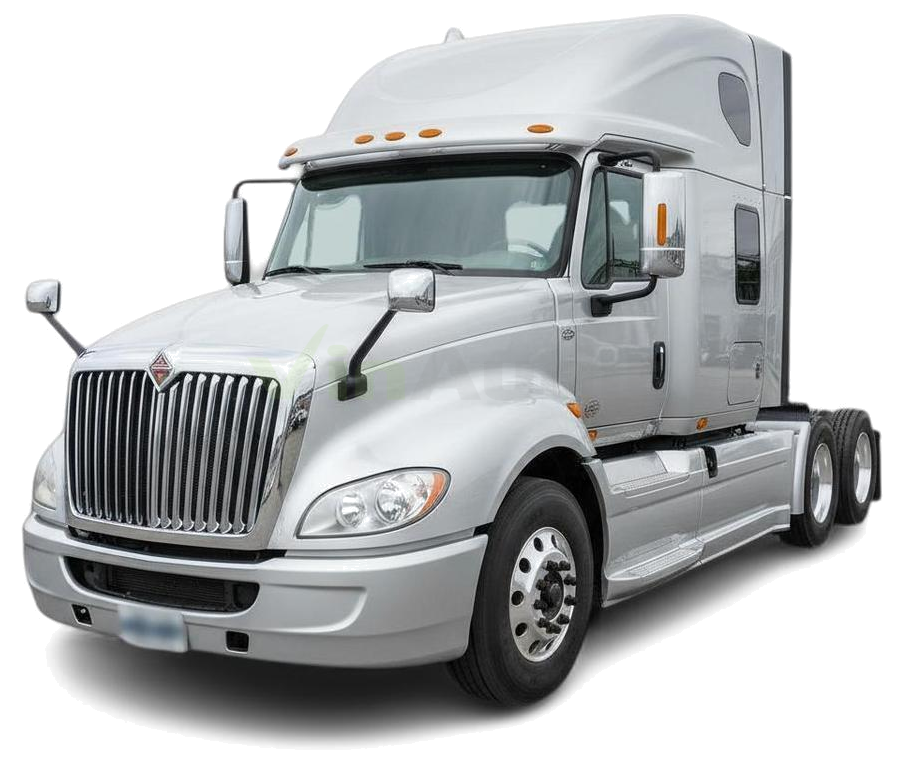
The Good
The 2001 International 3800 excels in sheer capability and long-term reliability, offering a foundation of dependable performance for demanding tasks. Its straightforward design appeals to practical buyers, while the inherent durability evokes a sense of security and lasting value, a comforting thought for any owner.
The Bad
Potential buyers should be aware of the 2001 International 3800's utilitarian focus, meaning comfort and refined interior appointments are often minimal. Older models may exhibit wear and tear typical of commercial use, and specialized maintenance can be more involved than for passenger vehicles.
2001 International 3800: Quick Overview
- Engine Options: The 2001 International 3800 was typically equipped with a range of robust diesel engines. Common options included the International DT 466E, a highly regarded inline-six diesel. Other potential engines from Navistar or Cummins might have been available depending on the specific configuration and intended application.
- Horsepower: Horsepower varied significantly based on the engine and its tuning. The International DT 466E, for instance, could range from approximately 170 horsepower to over 250 horsepower. Higher-performance variants were often available for more demanding roles.
- Fuel Economy: Fuel economy for a vehicle of this class is not typically measured or reported in the same way as passenger cars. Figures would vary drastically based on engine size, transmission, load, and driving conditions. Estimates would likely be in the single digits to low double digits per gallon (MPG).
- 0-60 Times: 0-60 mph acceleration times are not a relevant metric for the 2001 International 3800. These vehicles are designed for utility and load-carrying, not rapid acceleration. Performance is prioritized for torque and sustained power.
- Towing Capacity: Towing capacity is highly dependent on the specific chassis configuration, axle ratios, and overall GVWR (Gross Vehicle Weight Rating) of the 3800. As a chassis, it's designed to support substantial body weight and associated loads, often exceeding 10,000 pounds for trailer towing, but specific figures would require checking the vehicle's VIN and specifications.
- Trim-Level Features: The 2001 International 3800 did not have traditional consumer trim levels like 'LE' or 'XLS'. Features were dictated by its intended use. For school bus applications, this would include essential safety features like emergency exits, stop arms, flashing lights, and durable seating. For cutaway van applications, the chassis would be delivered with the engine, transmission, dashboard, and basic driver controls, ready for a custom body to be installed, which would then dictate interior and convenience features.
2001 International 3800 Specifications
Vehicle Information
| Year | 2001 |
| Make | International |
| Model | 3800 |
| Trim | - |
| Style | - |
| Type | Truck |
| Category | Bus |
Manufacturing Details
| Made In | United States |
| Manufacturing City | CONWAY |
Dimensions
| Doors | - |
| Curb Weight | - |
| Gross Vehicle Weight Rating | 33000 pounds |
| Overall Height | - |
| Overall Length | - |
| Overall Width | - |
| Wheelbase Length | - |
| Standard Seating | - |
Engine & Performance
| Engine | 5.9L I6 |
| Engine Size | 5.9L |
| Engine Cylinders | 8 |
| Transmission | - |
| Transmission Type | - |
| Transmission Speeds | - |
| Drivetrain | Rear-Wheel Drive |
Additional Features
| Anti-Brake System | - |
| Steering Type | - |
Pricing
| Manufacturer Suggested Retail Price (MSRP) | - |
| Invoice Price | - |
| Delivery Charges | - |
Vehicle History Report
Specifications
History
Events
History Check
Check
Check
Check
Check
Listings
Recalls
Check
Analysis
What Problems Does the 2001 International 3800 Have?
How long will the 2001 International 3800 last?
What Technology & Safety Features are Included?
Safety Features: The safety features of the 2001 International 3800 are dictated by its application. For school bus configurations, regulatory requirements ensure essential safety equipment. This typically includes robust construction, emergency exits (roof hatches, rear emergency doors), flashing red warning lights, a prominent stop arm that extends when loading/unloading, sturdy seat construction designed to minimize occupant movement in a collision (often a 'perch' type seat), and a high seating position for excellent forward visibility. Seatbelts may be present depending on local regulations and fleet policies, but were not always standard on older school bus designs.
Technology and Entertainment: Built-in technology is extremely basic. Expect a functional instrument cluster with essential gauges (speedometer, tachometer, oil pressure, coolant temperature, fuel level), indicator lights, and a simple radio if equipped. There are no infotainment systems, navigation, or advanced connectivity options. Features like air conditioning might have been optional or standard depending on the original order.
Driver-Assistance Features: Driver-assistance features are generally absent. There are no blind-spot monitoring systems, adaptive cruise control, lane departure warnings, or automatic emergency braking. The primary driver assistance is the vehicle's size and the driver's direct awareness of their surroundings.
Crash-Test Ratings: Comprehensive crash-test ratings, as seen for consumer vehicles from organizations like the IIHS or NHTSA, are not typically conducted or published for commercial chassis like the International 3800. Its safety is primarily assessed based on adherence to federal motor vehicle safety standards (FMVSS) relevant to its intended use, particularly for school buses. The inherent heavy-duty construction provides a significant level of passive safety for occupants.
What Colors Options are Available?
2001 International 3800 Prices and Market Value
2001 International 3800 Cost of Ownership
2001 International 3800 Fuel Efficiency
2001 International 3800 Warranty
Basic
Powertrain
Rust
2001 International 3800 Insurance
reasonable repair costs.
How Does the 2001 International 3800 Compare to Other Truck?
Performance: The International 3800, particularly with its DT 466E engine, is renowned for its torque and reliability, offering solid performance for hauling and sustained operation. Freightliner chassis also offer robust diesel engines, often Cummins or Detroit Diesel, providing comparable power. Blue Bird and Thomas Built buses are more purpose-built vehicle manufacturers that integrate their own chassis or use those from major manufacturers, so performance comparisons are often tied to the powertrain.
Features: In terms of features, the 3800, like its rivals, is utilitarian. Advanced technology, comfort, and convenience features are minimal and dictated by the body builder. Safety features for school bus applications are standardized across major manufacturers due to regulations. The 3800’s strength lies in its straightforward, heavy-duty construction.
Reliability: The International DT 466E engine used in the 3800 is considered one of the most reliable diesel engines ever produced, giving the 3800 a strong reputation for longevity and durability. Freightliner chassis are also known for their robust engineering. Blue Bird and Thomas Built vehicles benefit from decades of focus on school bus safety and reliability.
Price: When new, these chassis were comparably priced, with variations depending on specifications. In the used market, the 2001 International 3800 often presents a strong value proposition due to its excellent engine reliability and sturdy construction. Depending on the specific configuration and condition, it can be more affordable than comparable Freightliner chassis or integrated bus models.
Alternatives: Similar alternatives include the Ford F-Series Super Duty chassis (though generally lighter duty) for cutaway van applications, or other chassis from Blue Bird and Thomas Built Buses if a complete bus is sought. For those prioritizing modern features or fuel efficiency in a van chassis, looking at newer models or different classes of vehicles might be necessary, but for a pure, durable, workhorse chassis, the 3800 remains a solid contender. If a newer, more technologically advanced chassis is desired, one would need to look at significantly newer model years or different manufacturers.
Final Verdict: Is the 2001 International 3800 a Good Truck?

Drew B
Drew is a seasoned automotive expert and contributor to VinCheck.info. With nearly 15 years of experience as a former Porsche technician, he brings a wealth of hands-on knowledge to his writing. Born in North Carolina, a region renowned for its deep-rooted NASCAR culture, Drew developed a passion for cars early in life, often building and working on vehicles from a young age. At VINCheck, Drew leverages his extensive technical background to provide in-depth analyses of various vehicles. His articles often focus on engine performance, reliability, and maintenance insights, offering readers practical information grounded in real-world experience. Some of his notable contributions include reviews on the Mazda CX-5's longevity and detailed examinations of engine options for models like the 2011 Toyota Camry and Tacoma