The 1995 Peterbilt 379 is a legendary Class 8 conventional truck, renowned for its iconic styling and robust construction. Produced from the early 1990s through 2007, this model is a cornerstone of the heavy-duty trucking industry. Its classic long-hood design, customizable interiors, and powerful engine options contribute to its enduring popularity among owner-operators and fleets alike, commanding a significant presence on highways.
The Good
The 1995 Peterbilt 379 offers unparalleled road presence and a powerful, reliable performance that resonates with pride. Its legendary durability ensures long-term value, while the spacious, customizable cab provides comfort for long hauls. This truck represents a blend of classic aesthetics and dependable engineering, appealing to both the heart and the wallet.
The Bad
Potential weaknesses for the 1995 Peterbilt 379 include rust, particularly around wheel wells and cab corners, and wear and tear on older components like air conditioning systems and suspension. Electrical gremlins can also surface due to age. Thorough inspection for structural integrity and functioning accessories is crucial.
1995 Peterbilt 379: Quick Overview
- Engine Options: The 1995 Peterbilt 379 was offered with a variety of powerful diesel engines from Cummins and Caterpillar. Common options included the Cummins N14 and the Caterpillar C-15. Other engines like the Detroit Diesel Series 60 were also available.
- Horsepower: Horsepower ratings varied significantly depending on the specific engine model and configuration. Typically, these engines ranged from 370 horsepower up to 600 horsepower or more, designed for heavy-duty hauling.
- Fuel Economy: Fuel economy for a truck of this class and era is not typically measured in MPG in the same way as passenger vehicles. Instead, it's often discussed in terms of miles per gallon (MPG) under load, which could range from 4 to 6 MPG depending on terrain, load weight, and driving style.
- 0-60 Times: 0-60 mph acceleration is not a relevant metric for this type of commercial vehicle, as its purpose is sustained hauling rather than rapid acceleration. These trucks are built for torque and sustained power over long distances.
- Towing Capacity: The towing capacity is immense, designed for Class 8 applications. Depending on the configuration (e.g., axle ratings, chassis, suspension, and trailer type), the Peterbilt 379 could handle gross vehicle weight ratings (GVWR) of 52,000 lbs and combined GCWRs well over 80,000 lbs, often exceeding 100,000 lbs for specialized hauling.
- Trim-Level Features: While Peterbilts are highly customizable, standard features in 1995 often included robust durability and driver-focused ergonomics. Key features commonly found or optioned included:
- Spacious, often flat-floored cab designs for driver comfort on long routes.
- High-quality interior materials, with options for premium finishes and custom upholstery.
- Advanced HVAC systems for consistent cabin temperature.
- Power steering and air brakes as standard.
- Multiple dashboard configurations with essential gauges and controls.
- Optional amenities like refrigerators, sleeper compartments (various sizes), upgraded sound systems, and auxiliary power units.
- A wide array of exterior customization options, including chrome accents, custom paint, and lighting packages.
- Durable, heavy-duty suspension systems (e.g., Peterbilt Air Trac, Hendrickson) for load-carrying capability and ride quality.
- Robust chassis and frame designed for extreme loads and longevity.
1995 Peterbilt 379 Specifications
Vehicle Information
| Year | 1995 |
| Make | Peterbilt |
| Model | 379 |
| Trim | - |
| Style | - |
| Type | Truck |
| Category | Heavy Truck |
Manufacturing Details
| Made In | United States |
| Manufacturing City | MADISON |
Dimensions
| Doors | - |
| Curb Weight | - |
| Gross Vehicle Weight Rating | - |
| Overall Height | - |
| Overall Length | - |
| Overall Width | - |
| Wheelbase Length | - |
| Standard Seating | - |
Engine & Performance
| Engine | 14.0L L6 DIESEL |
| Engine Size | 14L |
| Engine Cylinders | 6 |
| Transmission | - |
| Transmission Type | - |
| Transmission Speeds | - |
| Drivetrain | 6x4 |
Additional Features
| Anti-Brake System | - |
| Steering Type | - |
Pricing
| Manufacturer Suggested Retail Price (MSRP) | - |
| Invoice Price | - |
| Delivery Charges | - |
Vehicle History Report
Vehicle
Specifications
Specifications
Ownership
History
History
All History
Events
Events
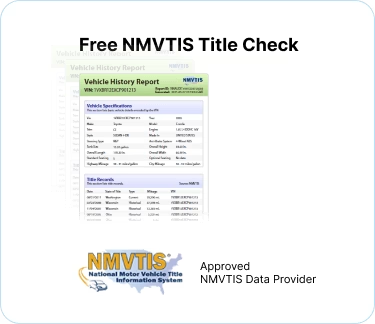
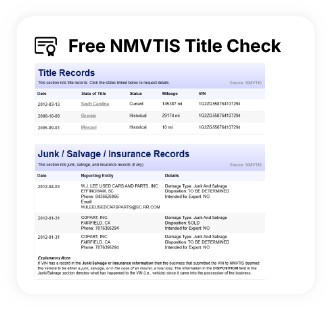
NMVTIS Title
History Check
History Check
Salvage/Rebuilt
Check
Check
Accident
Check
Check
Theft
Check
Check
Open Lien
Check
Check
Past Sale
Listings
Listings
Safety
Recalls
Recalls
Odometer
Check
Check
Market Price
Analysis
Analysis
What Problems Does the 1995 Peterbilt 379 Have?
The 1995 Peterbilt 379, being a mature vehicle, is not typically subject to widespread manufacturer recalls in the same vein as modern passenger cars. However, as with any heavy-duty truck of this vintage, common issues arise from wear and tear over time and mileage.
One frequently reported concern across many trucks of this era, including the 379, is related to the air conditioning (A/C) system. Components can degrade, leading to poor cooling performance or complete system failure. This is often due to aging seals, compressors, or refrigerant leaks.
Electrical gremlins are another common point of attention. Over years of service, wiring harnesses can become brittle, connectors can corrode, and switches can fail. This can manifest in various ways, from faulty gauges and lights to intermittent issues with engine controls or accessories. Owners often spend time troubleshooting and repairing these electrical quirks.
Rust and corrosion are significant long-term concerns, especially in regions with harsh weather or where road salt is used. Areas prone to rust include the lower body panels, wheel wells, frame rails, and cab mounts. Extensive rust can compromise structural integrity and lead to costly repairs.
The engine and transmission, while robust, are subject to the standard maintenance needs of heavy-duty powertrains. Overhauls or significant repairs to the engine (e.g., Cummins N14, CAT C-15) or transmission (e.g., Eaton Fuller) are common as the vehicle accumulates high mileage. The longevity of these components heavily depends on the quality and consistency of maintenance performed by previous owners.
While specific model year issues for the 1995 Peterbilt 379 are not widely documented as unique or recurring defects, the general concerns outlined above are prevalent for trucks operating in this period. Long-term reliability is largely dictated by the owner's commitment to preventative maintenance, timely repairs, and the specific operational demands placed upon the vehicle. Those looking at a 1995 model should prioritize a thorough mechanical inspection, paying close attention to the chassis, powertrain, and all functional systems.
One frequently reported concern across many trucks of this era, including the 379, is related to the air conditioning (A/C) system. Components can degrade, leading to poor cooling performance or complete system failure. This is often due to aging seals, compressors, or refrigerant leaks.
Electrical gremlins are another common point of attention. Over years of service, wiring harnesses can become brittle, connectors can corrode, and switches can fail. This can manifest in various ways, from faulty gauges and lights to intermittent issues with engine controls or accessories. Owners often spend time troubleshooting and repairing these electrical quirks.
Rust and corrosion are significant long-term concerns, especially in regions with harsh weather or where road salt is used. Areas prone to rust include the lower body panels, wheel wells, frame rails, and cab mounts. Extensive rust can compromise structural integrity and lead to costly repairs.
The engine and transmission, while robust, are subject to the standard maintenance needs of heavy-duty powertrains. Overhauls or significant repairs to the engine (e.g., Cummins N14, CAT C-15) or transmission (e.g., Eaton Fuller) are common as the vehicle accumulates high mileage. The longevity of these components heavily depends on the quality and consistency of maintenance performed by previous owners.
While specific model year issues for the 1995 Peterbilt 379 are not widely documented as unique or recurring defects, the general concerns outlined above are prevalent for trucks operating in this period. Long-term reliability is largely dictated by the owner's commitment to preventative maintenance, timely repairs, and the specific operational demands placed upon the vehicle. Those looking at a 1995 model should prioritize a thorough mechanical inspection, paying close attention to the chassis, powertrain, and all functional systems.
How long will the 1995 Peterbilt 379 last?
The 1995 Peterbilt 379 is built for longevity, with many units continuing to serve reliably for well over 1 million miles, often extending to 1.5 million miles or more with diligent maintenance. These trucks are designed for heavy-duty commercial use, meaning they often accumulate 100,000 to 150,000 miles annually.
Their long-term durability is a hallmark, primarily due to their robust frame construction, heavy-duty drivetrains, and the availability of powerful, rebuildable engines. Weaknesses that emerge over time are typically related to wear and tear on ancillary systems like air conditioning, electrical components, and suspension bushings, rather than fundamental structural failures. Significant rust can also become a limiting factor, especially in corrosive environments. With consistent, high-quality maintenance and timely repairs, a 1995 Peterbilt 379 can remain a dependable workhorse for decades.
What Technology & Safety Features are Included?
The 1995 Peterbilt 379, being a commercial heavy-duty truck from the mid-90s, featured technology and safety systems geared towards functionality and durability rather than the advanced driver-assistance systems (ADAS) or complex infotainment found in modern vehicles.
Built-in Tech & Entertainment: Standard technology was focused on operational needs. This typically included a robust electrical system powering essential functions like lights, wipers, and gauges. Entertainment options were basic, often limited to an AM/FM radio, with optional upgrades for cassette players or more advanced stereo systems. Many owners customized these with aftermarket units. The cabin was designed for driver utility, with easy-to-reach controls and clear instrumentation.
Driver-Assistance Features: In 1995, driver-assistance was largely mechanical and ergonomic. Features like power steering and air brakes were standard and crucial for managing such a large vehicle. Advanced cruise control was available on some models, but sophisticated lane-keeping assist, adaptive cruise control, or collision mitigation systems were not part of the factory offerings. The primary assistance came from the truck's design, such as excellent visibility from the spacious cab.
Safety Features: Safety was primarily addressed through structural integrity and mechanical reliability. Standard safety equipment included seat belts and robust lighting systems for visibility. Braking systems were powerful air brakes designed for heavy loads. Some models might have offered optional anti-lock braking systems (ABS) on certain axles.
Optional Features: Customization was a key selling point for Peterbilt, so a wide range of optional features were available to enhance driver comfort and operational efficiency. These could include sleeper compartments of various sizes, auxiliary heating and air conditioning units for the sleeper, refrigerators, power inverters, and upgraded suspension systems for a smoother ride. Many owners also opted for enhanced exterior lighting and aerodynamic fairings.
Crash-Test Ratings: Official crash-test ratings, such as those provided by NHTSA or IIHS for passenger vehicles, are not applicable or typically performed on heavy-duty commercial trucks like the 1995 Peterbilt 379. The safety engineering for these vehicles focuses on occupant protection during normal operation and in potential collision scenarios through robust construction, secure cabins, and reliable braking systems. The design philosophy prioritizes preventing accidents through driver control and maintaining stability under load.
Built-in Tech & Entertainment: Standard technology was focused on operational needs. This typically included a robust electrical system powering essential functions like lights, wipers, and gauges. Entertainment options were basic, often limited to an AM/FM radio, with optional upgrades for cassette players or more advanced stereo systems. Many owners customized these with aftermarket units. The cabin was designed for driver utility, with easy-to-reach controls and clear instrumentation.
Driver-Assistance Features: In 1995, driver-assistance was largely mechanical and ergonomic. Features like power steering and air brakes were standard and crucial for managing such a large vehicle. Advanced cruise control was available on some models, but sophisticated lane-keeping assist, adaptive cruise control, or collision mitigation systems were not part of the factory offerings. The primary assistance came from the truck's design, such as excellent visibility from the spacious cab.
Safety Features: Safety was primarily addressed through structural integrity and mechanical reliability. Standard safety equipment included seat belts and robust lighting systems for visibility. Braking systems were powerful air brakes designed for heavy loads. Some models might have offered optional anti-lock braking systems (ABS) on certain axles.
Optional Features: Customization was a key selling point for Peterbilt, so a wide range of optional features were available to enhance driver comfort and operational efficiency. These could include sleeper compartments of various sizes, auxiliary heating and air conditioning units for the sleeper, refrigerators, power inverters, and upgraded suspension systems for a smoother ride. Many owners also opted for enhanced exterior lighting and aerodynamic fairings.
Crash-Test Ratings: Official crash-test ratings, such as those provided by NHTSA or IIHS for passenger vehicles, are not applicable or typically performed on heavy-duty commercial trucks like the 1995 Peterbilt 379. The safety engineering for these vehicles focuses on occupant protection during normal operation and in potential collision scenarios through robust construction, secure cabins, and reliable braking systems. The design philosophy prioritizes preventing accidents through driver control and maintaining stability under load.
What Colors Options are Available?
1995 Peterbilt 379 Prices and Market Value
When new, a 1995 Peterbilt 379 could range significantly in price, typically starting around $80,000 to $120,000 for a base model, and easily climbing upwards of $150,000 to $200,000+ when equipped with premium engines, custom interiors, and specialized sleeper configurations.
Currently, the used market prices for a 1995 Peterbilt 379 are highly variable, often falling between $20,000 and $70,000+. The resale value is exceptionally strong for its age, demonstrating minimal depreciation compared to typical vehicles. This is due to its legendary durability, iconic styling, and continued demand in the trucking industry. Factors affecting resale value include engine condition, mileage, overall maintenance history, interior and exterior condition, and the presence of desirable features like larger sleeper cabs or specific engine brands. Well-maintained, low-mileage examples command the highest prices.
1995 Peterbilt 379 Cost of Ownership
Owning a 1995 Peterbilt 379 is generally considered costly, especially for individual owner-operators. Insurance premiums for commercial trucks are substantial, reflecting the high value and operational risks. Fuel costs are a major ongoing expense, with consumption dependent on the engine and load, averaging 4-6 MPG. Maintenance and repair costs can be high; while parts are readily available, specialized mechanics and the sheer size of the components add to the expense. Routine servicing, tire replacement, and potential engine/transmission overhauls represent significant investments. Long-term ownership is characterized by high operational costs balanced by the truck's exceptional durability and earning potential.
1995 Peterbilt 379 Fuel Efficiency
Fuel Type
Diesel
Fuel Capacity
-
City Mileage
-
Highway Mileage
-
1995 Peterbilt 379 Warranty
Basic
Original warranty
0 months / No data
Estimated remaining
Expired
Powertrain
Original warranty
0 months / No data
Estimated remaining
Expired
Rust
Original warranty
0 months / No data
Estimated remaining
Expired
1995 Peterbilt 379 Insurance
Insurance for a 1995 Peterbilt 379 is moderately priced, reflecting its status as a Truck with strong safety ratings and
reasonable repair costs.
How Does the 1995 Peterbilt 379 Compare to Other Truck?
The 1995 Peterbilt 379 competed in the highly demanding Class 8 heavy-duty truck market against formidable rivals such as the Kenworth W900, Freightliner FLD, and Mack Vision.
Performance: In terms of raw performance, the Peterbilt 379, especially when equipped with Cummins N14 or Caterpillar C-15 engines, often stood shoulder-to-shoulder with its peers. All these trucks offered powerful engines and robust drivetrains capable of handling extreme loads. The 379 was known for its strong hauling power and excellent torque characteristics.
Features: Peterbilt historically excelled in offering high levels of customization, allowing owners to tailor their trucks to specific needs and preferences. While other manufacturers offered standard feature sets, Peterbilt's appeal lay in its ability to deliver bespoke interiors and exterior aesthetics. The 379's iconic long-hood design also set it apart visually. Competitors like the Kenworth W900 shared a similar legendary status and customization potential, while Freightliner often focused on a more utilitarian and potentially more cost-effective approach. Mack trucks brought their own reputation for durability and unique engineering.
Reliability: All these trucks are built for rugged commercial use. The 1995 Peterbilt 379, with its stout construction and quality components (especially engines and transmissions), is renowned for its long-term reliability and ability to accumulate high mileage. Its reputation for durability is on par with, if not exceeding, many of its contemporaries, particularly when maintained well. Kenworth trucks are also highly regarded for their longevity and robustness.

Price: When new, Peterbilts were often positioned at the premium end of the market, reflecting their build quality, brand prestige, and customization options. This premium pricing often translated to strong resale values, meaning used models can be more expensive than comparable trucks from Freightliner, for example.
Alternatives:
For buyers seeking the classic Peterbilt experience, the 379 remains an excellent choice. However, the Kenworth W900 is an equally compelling alternative that deserves consideration. If budget is a more significant constraint, a well-maintained Freightliner FLD could offer comparable functionality at a lower cost.
Performance: In terms of raw performance, the Peterbilt 379, especially when equipped with Cummins N14 or Caterpillar C-15 engines, often stood shoulder-to-shoulder with its peers. All these trucks offered powerful engines and robust drivetrains capable of handling extreme loads. The 379 was known for its strong hauling power and excellent torque characteristics.
Features: Peterbilt historically excelled in offering high levels of customization, allowing owners to tailor their trucks to specific needs and preferences. While other manufacturers offered standard feature sets, Peterbilt's appeal lay in its ability to deliver bespoke interiors and exterior aesthetics. The 379's iconic long-hood design also set it apart visually. Competitors like the Kenworth W900 shared a similar legendary status and customization potential, while Freightliner often focused on a more utilitarian and potentially more cost-effective approach. Mack trucks brought their own reputation for durability and unique engineering.
Reliability: All these trucks are built for rugged commercial use. The 1995 Peterbilt 379, with its stout construction and quality components (especially engines and transmissions), is renowned for its long-term reliability and ability to accumulate high mileage. Its reputation for durability is on par with, if not exceeding, many of its contemporaries, particularly when maintained well. Kenworth trucks are also highly regarded for their longevity and robustness.

Price: When new, Peterbilts were often positioned at the premium end of the market, reflecting their build quality, brand prestige, and customization options. This premium pricing often translated to strong resale values, meaning used models can be more expensive than comparable trucks from Freightliner, for example.

Alternatives:
- Similar: Kenworth W900 is a very direct competitor, sharing many of the same desirable traits: iconic styling, customization, and exceptional durability. It's often considered an equally valid, if not superior, choice depending on personal preference.
- Slightly Different: Freightliner FLD offered a strong performance and reliability but typically at a more accessible price point, making it a popular choice for fleet operators prioritizing value.
- Older/Different Focus: Mack trucks often offered unique engineering and robust build quality, particularly known for their strong transmissions and durable chassis.
For buyers seeking the classic Peterbilt experience, the 379 remains an excellent choice. However, the Kenworth W900 is an equally compelling alternative that deserves consideration. If budget is a more significant constraint, a well-maintained Freightliner FLD could offer comparable functionality at a lower cost.
Final Verdict: Is the 1995 Peterbilt 379 a Good Truck?
The 1995 Peterbilt 379 is ideal for experienced owner-operators, trucking companies, or collectors who value iconic styling, exceptional durability, and a highly customizable platform. It's certainly worth buying if you prioritize longevity, strong resale value, and the legendary road presence Peterbilt offers.
This truck is best purchased used, as new models are no longer manufactured. When buying, focus on well-maintained examples with detailed service records. Specific trims with powerful, reputable engines like the Cummins N14 or Caterpillar C-15 are highly desirable. A thorough mechanical inspection is paramount, checking for rust, engine health, and the functionality of all systems. For those seeking a dependable workhorse with timeless appeal and the potential for significant service life, the 1995 Peterbilt 379 remains an outstanding investment under the right conditions.