The 2012 Kawasaki Brute Force 750 is a robust utility ATV, part of a lineage known for its power and capability. Available primarily in a single, well-equipped trim, it typically came in various color options. This model year continued its popularity due to its strong V-twin engine and rugged chassis, making it a go-to for work and recreational riding. Its introductory price ranged from approximately $8,000 to $9,500.
The Good
The 2012 Brute Force 750 excels with its potent V-twin engine, offering exhilarating performance for trail enthusiasts. Its legendary Kawasaki reliability instills confidence, while comfortable ergonomics and capable suspension provide a smooth ride. This ATV offers exceptional value, combining raw power with practical utility for demanding tasks.
The Bad
Potential buyers should be aware of the Brute Force 750's somewhat thirsty fuel consumption and its heavier curb weight, which can impact maneuverability in tight spots. Some owners have noted potential issues with the stock suspension's comfort on rough terrain and occasional belt-drive wear.
2012 Kawasaki Brute Force 750: Quick Overview
- Engine: 749cc, liquid-cooled, 90-degree V-twin
- Horsepower: Approximately 49 hp (may vary slightly by source)
- Torque: Approximately 47 lb-ft (may vary slightly by source)
- Fuel System: Digital fuel injection with two 36mm throttle bodies
- Transmission: Continuously Variable Transmission (CVT) with engine braking
- Drive: Selectable 2WD/4WD with Variable Front Differential Lock
- Fuel Economy: Generally estimated around 15-20 MPG, heavily dependent on riding style and conditions. Official EPA estimates are not readily available for ATVs in this category.
- 0-60 Times: Not typically published for ATVs, but generally considered brisk for its class, likely in the 7-9 second range for acceleration on flat ground.
- Towing Capacity: 1,250 lbs (567 kg)
- Payload Capacity: 485 lbs (220 kg)
- Ground Clearance: 9.4 inches (239 mm)
- Front Suspension: Independent double A-arm with adjustable preload shocks
- Rear Suspension: Independent double A-arm with adjustable preload shocks
- Brakes: Dual hydraulic discs front, sealed oil-bathed multi-disc rear
- Tires: 26x8-12 front, 26x10-12 rear (standard)
- Dimensions: Length: 86.1 in, Width: 46.5 in, Height: 49.6 in
- Wheelbase: 50.8 inches (1,290 mm)
- Dry Weight: 650.4 lbs (295 kg)
- Features: Digital instrumentation (speedometer, odometer, trip odometer, clock, fuel gauge, 2WD/4WD indicator, V-belt warning, engine hour meter, neutral, reverse, and high-beam indicators), halogen headlights, taillight, 12V DC outlet, under-seat storage, handgrips, skid plates.
- Key Trims: The 2012 model was primarily offered in one main trim, often differentiated by color options (e.g., Realtree APG HD camouflage, Red, Dark Chestnut Brown).
2012 Kawasaki Brute Force 750 Specifications
Vehicle Information
| Year | 2012 |
| Make | Kawasaki |
| Model | Brute Force 750 |
| Trim | - |
| Style | - |
| Type | Motorcycle |
| Category | Low Speed Vehicle |
Manufacturing Details
| Made In | Japan |
| Manufacturing City | LINCOLN |
Dimensions
| Doors | - |
| Curb Weight | - |
| Gross Vehicle Weight Rating | - |
| Overall Height | - |
| Overall Length | - |
| Overall Width | - |
| Wheelbase Length | - |
| Standard Seating | - |
Engine & Performance
| Engine | Invalid size value 0cyl |
| Engine Size | - |
| Engine Cylinders | - |
| Transmission | - |
| Transmission Type | - |
| Transmission Speeds | - |
| Drivetrain | Four-Wheel Drive |
Additional Features
| Anti-Brake System | - |
| Steering Type | - |
Pricing
| Manufacturer Suggested Retail Price (MSRP) | - |
| Invoice Price | - |
| Delivery Charges | - |
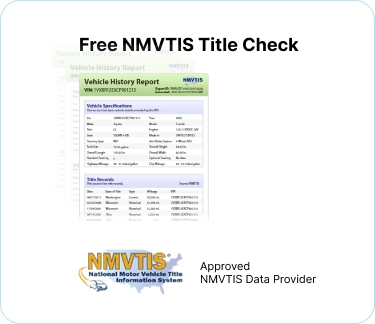
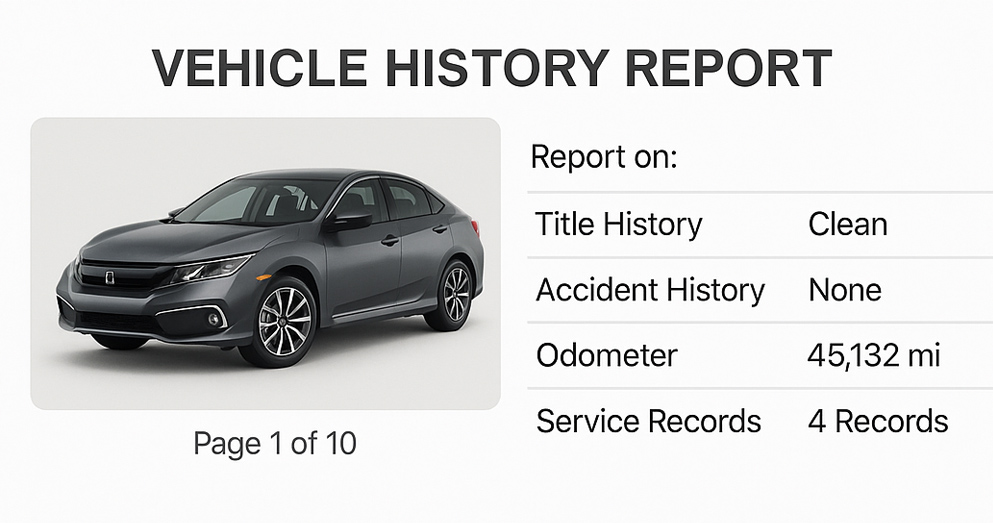
Vehicle History Report
Vehicle
Specifications
Specifications
Ownership
History
History
All History
Events
Events
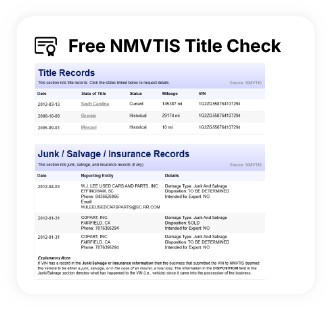
NMVTIS Title
History Check
History Check
Salvage/Rebuilt
Check
Check
Accident
Check
Check
Theft
Check
Check
Open Lien
Check
Check
Past Sale
Listings
Listings
Safety
Recalls
Recalls
Odometer
Check
Check
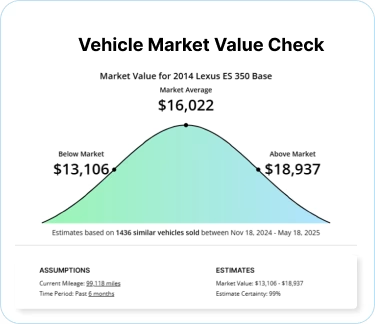
Market Price
Analysis
Analysis
What Problems Does the 2012 Kawasaki Brute Force 750 Have?
The 2012 Kawasaki Brute Force 750 is generally regarded as a reliable machine, benefiting from Kawasaki's strong reputation in the ATV market. However, like any vehicle, some common issues have been reported by owners over the years. One of the more frequently mentioned concerns is related to the cooling system, with some instances of radiators developing leaks or the fan malfunctioning. This can lead to overheating, especially under heavy loads or in hot conditions. Regular inspection and flushing of the cooling system are advised.
Another area that sometimes requires attention is the drive belt. While generally durable, the CVT belt can wear out over time, especially with aggressive riding, towing heavy loads, or frequent use of 4WD and differential lock. Signs of a worn belt include slipping, reduced acceleration, or unusual noises. Replacement is a standard maintenance item, but premature failure can occur if the belt is abused or the CVT system is not properly maintained.
Some owners have reported minor electrical gremlins, such as issues with the starter system or lighting components. These are often related to corrosion on connectors or failing components due to age and exposure to the elements. Regular cleaning and dielectric grease application on electrical connections can help mitigate these problems.
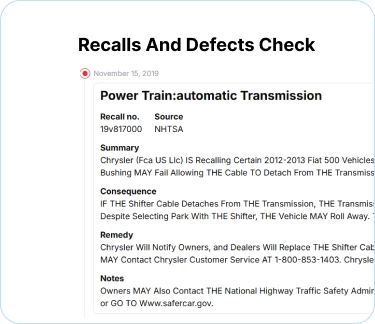
In terms of specific model year issues, the 2012 Brute Force 750 did not have widespread, model-defining problems. It largely carried over proven technology from previous years. Recalls for this particular model year are not extensively documented as major widespread safety defects, but it's always prudent for owners to check official recall databases for any specific campaigns that may have been issued. Long-term reliability is generally good, provided the ATV receives consistent maintenance, including oil changes, filter replacements, and proper checks of all fluid levels and critical components. The robust V-twin engine and sturdy chassis are designed for durability, but neglect will accelerate wear on any machine.
Another area that sometimes requires attention is the drive belt. While generally durable, the CVT belt can wear out over time, especially with aggressive riding, towing heavy loads, or frequent use of 4WD and differential lock. Signs of a worn belt include slipping, reduced acceleration, or unusual noises. Replacement is a standard maintenance item, but premature failure can occur if the belt is abused or the CVT system is not properly maintained.
Some owners have reported minor electrical gremlins, such as issues with the starter system or lighting components. These are often related to corrosion on connectors or failing components due to age and exposure to the elements. Regular cleaning and dielectric grease application on electrical connections can help mitigate these problems.
In terms of specific model year issues, the 2012 Brute Force 750 did not have widespread, model-defining problems. It largely carried over proven technology from previous years. Recalls for this particular model year are not extensively documented as major widespread safety defects, but it's always prudent for owners to check official recall databases for any specific campaigns that may have been issued. Long-term reliability is generally good, provided the ATV receives consistent maintenance, including oil changes, filter replacements, and proper checks of all fluid levels and critical components. The robust V-twin engine and sturdy chassis are designed for durability, but neglect will accelerate wear on any machine.
How long will the 2012 Kawasaki Brute Force 750 last?
Based on owner reports and the robust nature of the Kawasaki Brute Force 750, a well-maintained 2012 model can realistically serve for 10-15 years or accumulate 15,000-25,000 miles. The V-twin engine and strong chassis are built for longevity. However, durability is heavily dependent on the owner's maintenance habits. Neglecting regular oil changes, filter replacements, and proper care of the CVT belt can significantly shorten its lifespan. Weaknesses that can emerge over time include potential suspension wear, fuel pump issues, and corrosion on electrical components due to harsh environments. With diligent maintenance, including addressing minor issues promptly, the Brute Force 750 demonstrates excellent long-term durability, making it a valuable asset for many years.
What Technology & Safety Features are Included?
The 2012 Kawasaki Brute Force 750 is primarily a utility-focused ATV, and as such, its technology and feature set are geared towards performance and practicality rather than extensive digital integration or advanced driver assistance. The primary 'tech' feature is its comprehensive digital instrument cluster. This display provides crucial information to the rider, including a speedometer, odometer, trip odometer, clock, fuel gauge, 2WD/4WD indicator, V-belt warning light, engine hour meter, and indicators for neutral, reverse, and high beams. This allows riders to monitor the vehicle's status and performance effectively.
Entertainment features are virtually non-existent, as is typical for ATVs of this era. There are no integrated audio systems or connectivity options. The focus is on the riding experience and task performance.
Driver-assistance features are also minimal. The core safety and assistance systems are mechanical and inherent to the design: the selectable 2WD/4WD system with a variable front differential lock provides crucial traction control for various terrains. Engine braking through the CVT transmission aids in controlling descents. The robust braking system, with dual hydraulic discs at the front and a sealed multi-disc system at the rear, provides reliable stopping power.
Safety features are primarily passive and mechanical. The sturdy frame, handguards for lever protection, and the overall stable design contribute to rider safety. There are no airbags, ABS (anti-lock braking system), or electronic stability control systems, as these are not standard or common on ATVs in this category. Optional features were typically limited to accessories like winches, upgraded lighting, storage boxes, and specialized tires or guards, rather than electronic enhancements.
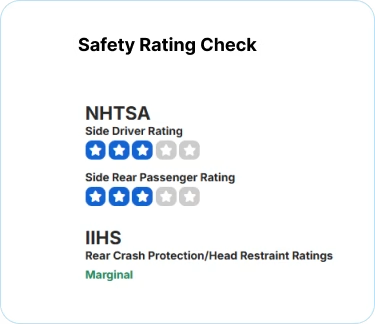
Crash-test ratings are not applicable to ATVs in the same way they are for passenger vehicles. These machines are not subjected to standardized crash tests by organizations like the NHTSA or IIHS. Rider safety relies heavily on the rider's skill, protective gear, and the ATV's inherent design stability and braking capabilities.
Entertainment features are virtually non-existent, as is typical for ATVs of this era. There are no integrated audio systems or connectivity options. The focus is on the riding experience and task performance.
Driver-assistance features are also minimal. The core safety and assistance systems are mechanical and inherent to the design: the selectable 2WD/4WD system with a variable front differential lock provides crucial traction control for various terrains. Engine braking through the CVT transmission aids in controlling descents. The robust braking system, with dual hydraulic discs at the front and a sealed multi-disc system at the rear, provides reliable stopping power.
Safety features are primarily passive and mechanical. The sturdy frame, handguards for lever protection, and the overall stable design contribute to rider safety. There are no airbags, ABS (anti-lock braking system), or electronic stability control systems, as these are not standard or common on ATVs in this category. Optional features were typically limited to accessories like winches, upgraded lighting, storage boxes, and specialized tires or guards, rather than electronic enhancements.
Crash-test ratings are not applicable to ATVs in the same way they are for passenger vehicles. These machines are not subjected to standardized crash tests by organizations like the NHTSA or IIHS. Rider safety relies heavily on the rider's skill, protective gear, and the ATV's inherent design stability and braking capabilities.
What Colors Options are Available?
2012 Kawasaki Brute Force 750 Prices and Market Value
When new, the 2012 Kawasaki Brute Force 750 typically retailed for between $8,000 and $9,500, depending on the specific color options or any dealer-added accessories. As a used vehicle, its value has depreciated considerably, but it holds its own remarkably well due to its reputation for durability and power. Current used market prices for a 2012 Brute Force 750 in good condition generally range from $4,500 to $7,000, with variations based on mileage, overall condition, maintenance history, and any modifications.
Depreciation on ATVs can be significant in the first few years, but models like the Brute Force 750 tend to plateau in value once they reach a certain age, provided they are well-maintained. Factors significantly affecting resale value include low mileage, a comprehensive maintenance record, original or tasteful aftermarket modifications, and the absence of major cosmetic damage or mechanical issues. A meticulously cared-for Brute Force 750 will command a higher price than one that has been neglected or heavily used for demanding work.
2012 Kawasaki Brute Force 750 Cost of Ownership
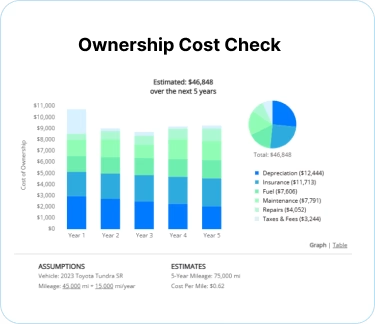
Owning a 2012 Kawasaki Brute Force 750 involves moderate costs. Insurance premiums vary by location and coverage, but expect around $200-$400 annually. Fuel consumption is a notable expense, averaging 15-20 MPG, so budget for frequent fill-ups. Routine maintenance, including oil changes and filter replacements, is manageable, costing approximately $150-$300 per year. Repair costs can fluctuate; while durable, major components like the engine or transmission can be expensive to fix. Overall, it's neither exceptionally economical nor prohibitively costly to own, representing a reasonable investment for its power and capability, with maintenance being the most predictable ongoing cost.
2012 Kawasaki Brute Force 750 Fuel Efficiency
Fuel Type
-
Fuel Capacity
-
City Mileage
-
Highway Mileage
-
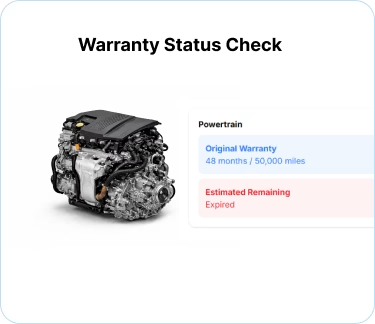
2012 Kawasaki Brute Force 750 Warranty
Basic
Original warranty
0 months / No data
Estimated remaining
Expired
Powertrain
Original warranty
0 months / No data
Estimated remaining
Expired
Rust
Original warranty
0 months / No data
Estimated remaining
Expired
2012 Kawasaki Brute Force 750 Insurance
Insurance for a 2012 Kawasaki Brute Force 750 is moderately priced, reflecting its status as a Motorcycle with strong safety ratings and
reasonable repair costs.
How Does the 2012 Kawasaki Brute Force 750 Compare to Other Motorcycle?
The 2012 Kawasaki Brute Force 750 entered a competitive segment dominated by Japanese manufacturers. Its primary rivals included the Polaris Sportsman 800, Arctic Cat 700, and Yamaha Grizzly 700. In terms of performance, the Brute Force 750's 749cc V-twin engine offered stout power and torque, often considered more potent and exhilarating than the single-cylinder offerings from Arctic Cat and Yamaha in this displacement class. The Polaris Sportsman 800 also boasted a strong twin-cylinder engine, making it a close competitor. The Brute Force 750's selectable 4WD with differential lock was a standard and highly effective feature across all these competitors, providing excellent off-road traction.
Feature-wise, the 2012 Brute Force 750 was fairly basic compared to some newer models that might have introduced more digital instrumentation or creature comforts. However, it offered the essentials: a robust digital display, capable suspension, and significant towing capacity. Competitors like the Polaris Sportsman sometimes offered more plush seating or a slightly more refined ride. The Yamaha Grizzly 700, with its Electronic Power Steering (EPS) on higher trims, offered a notable advantage in reducing rider fatigue on long rides, a feature not typically found on the standard Brute Force 750.

Reliability is where the Brute Force 750 truly shines. Kawasaki has a long-standing reputation for building durable and dependable machines, and the 750 V-twin is a testament to this. While all brands have occasional issues, the Brute Force is often cited for its mechanical integrity. The Polaris models, while powerful, have sometimes faced more reports of electrical or component failures. The Yamaha Grizzly is also renowned for its bulletproof reliability.
In terms of price, the 2012 Brute Force 750 was competitively positioned, often slightly below or on par with comparable models from Yamaha and Polaris. Its used market value remains strong due to its reputation, making it a good long-term value.
Alternatives:
Feature-wise, the 2012 Brute Force 750 was fairly basic compared to some newer models that might have introduced more digital instrumentation or creature comforts. However, it offered the essentials: a robust digital display, capable suspension, and significant towing capacity. Competitors like the Polaris Sportsman sometimes offered more plush seating or a slightly more refined ride. The Yamaha Grizzly 700, with its Electronic Power Steering (EPS) on higher trims, offered a notable advantage in reducing rider fatigue on long rides, a feature not typically found on the standard Brute Force 750.
Reliability is where the Brute Force 750 truly shines. Kawasaki has a long-standing reputation for building durable and dependable machines, and the 750 V-twin is a testament to this. While all brands have occasional issues, the Brute Force is often cited for its mechanical integrity. The Polaris models, while powerful, have sometimes faced more reports of electrical or component failures. The Yamaha Grizzly is also renowned for its bulletproof reliability.
In terms of price, the 2012 Brute Force 750 was competitively positioned, often slightly below or on par with comparable models from Yamaha and Polaris. Its used market value remains strong due to its reputation, making it a good long-term value.
Alternatives:
- Yamaha Grizzly 700 (around 2012): If a smoother ride, EPS (on certain trims), and legendary Yamaha reliability are priorities, the Grizzly is an excellent alternative. It might have slightly less raw power than the Brute Force's V-twin but offers a refined experience.
- Polaris Sportsman 800 (around 2012): For sheer power and a broad range of available accessories, the Sportsman 800 is a strong contender. Be mindful of potential reliability variations compared to Japanese brands.
- Can-Am Outlander 800 (around 2012): If ultimate power and advanced features like EPS and a more sophisticated suspension are desired, the Outlander is a top-tier option, though typically at a higher price point and with potentially higher maintenance costs.
Final Verdict: Is the 2012 Kawasaki Brute Force 750 a Good Motorcycle?
The 2012 Kawasaki Brute Force 750 is ideally suited for riders who prioritize raw power, robust utility, and proven reliability in their ATV. It's a workhorse that also excels at recreational trail riding and demanding tasks. For the practical buyer, its towing capacity and durable construction are major draws. For the enthusiast, the V-twin engine offers exhilarating performance.
It is definitely worth buying, especially on the used market, where it offers excellent value. Given its age, buying used is the only option. Focus on finding a well-maintained unit with a comprehensive service history. While there was only one primary trim, look for color options that appeal to you, but prioritize mechanical condition over cosmetic preferences. It's a smart purchase for farmers, hunters, or recreational riders seeking a powerful and dependable machine without the premium price tag of newer models, provided they are willing to perform regular maintenance.