The 2014 Peterbilt 365 is a vocational truck known for its rugged durability and versatility. Primarily offered as a conventional cab, it was produced across various model years. Key trims often revolved around specific vocational applications. While pricing varies significantly based on configuration and options, the 365 is popular for its robust build and ability to be customized for demanding tasks, making it a trusted workhorse in construction, heavy hauling, and specialized services.

The Good
The 2014 Peterbilt 365 offers exceptional performance for tough jobs, legendary reliability that instills confidence, and a surprisingly comfortable cab for long hours. Its iconic, durable design appeals to pride of ownership, while its proven value and efficiency in vocational settings make it a smart, practical investment.
The Bad
Potential weaknesses for the 2014 Peterbilt 365 include the possibility of increased maintenance on older, high-mileage units. Some owners report that certain electronic components can be prone to failure over time. Also, the fuel economy, while decent for its class, isn't a strong suit compared to lighter-duty vehicles.
2014 Peterbilt 365: Quick Overview
- Engine Options: The 2014 Peterbilt 365 typically came with a range of powerful PACCAR PX-series engines, as well as optional Cummins ISX15 engines.
- Horsepower: Horsepower ratings varied significantly depending on the specific engine chosen, but generally ranged from approximately 335 hp to over 600 hp. Higher horsepower was common for heavy-duty vocational applications.
- Fuel Economy: Fuel economy for a truck of this class is highly dependent on the engine, transmission, axle ratios, load, and driving conditions. Specific MPG figures are rarely quoted for vocational trucks, but expect figures in the range of 5-8 MPG for highway driving under load.
- 0-60 Times: 0-60 mph times are not a relevant metric for this type of heavy vocational truck. Performance is measured by its ability to pull loads and operate in demanding conditions, not by acceleration speed.
- Towing Capacity: Towing capacity is extremely high and is dictated by the truck's Gross Vehicle Weight Rating (GVWR), Gross Combination Weight Rating (GCWR), and specific chassis configurations. These trucks are designed for heavy hauling, often exceeding 80,000 lbs GCWR and capable of much more in specialized setups.
- Trim-Level Features: The 2014 Peterbilt 365 didn't have traditional consumer-oriented trim levels like a car. Instead, features were highly customizable based on vocational needs. Common configurations and available features included:
- Chassis Configurations: Various axle configurations (e.g., 4x2, 6x4), wheelbases, and frame reinforcements for specific applications like dump trucks, concrete mixers, refuse trucks, and heavy haulers.
- Cab Options: Day cabs were standard for local/regional work, while optional sleeper cabs were available for over-the-road operations.
- Suspension: Heavy-duty suspension systems like Peterbilt Air Trac, Reyco, or Chalmers were available to handle rough terrain and heavy loads.
- Interior Appointments: While built for work, interiors offered durable materials, comfortable seating, and practical layouts. Optional upgrades could include enhanced ergonomics, better insulation, and premium gauge clusters.
- Braking Systems: Robust air brake systems were standard, with options for advanced ABS and engine retarders.
- PTO (Power Take-Off): Frequently equipped with PTOs for powering auxiliary equipment like hydraulic pumps for dump beds or mixers.
- Cooling Systems: Heavy-duty cooling systems designed for prolonged operation under extreme load.
- Chassis Configurations: Various axle configurations (e.g., 4x2, 6x4), wheelbases, and frame reinforcements for specific applications like dump trucks, concrete mixers, refuse trucks, and heavy haulers.
2014 Peterbilt 365 Specifications
Vehicle Information
| Year | 2014 |
| Make | Peterbilt |
| Model | 365 |
| Trim | - |
| Style | - |
| Type | Truck |
| Category | Medium Truck |
Manufacturing Details
| Made In | United States |
| Manufacturing City | DENTON |
Dimensions
| Doors | - |
| Curb Weight | - |
| Gross Vehicle Weight Rating | - |
| Overall Height | - |
| Overall Length | - |
| Overall Width | - |
| Wheelbase Length | - |
| Standard Seating | - |
Engine & Performance
| Engine | 12.9L L6 DIESEL |
| Engine Size | 12.9L |
| Engine Cylinders | 6 |
| Transmission | - |
| Transmission Type | - |
| Transmission Speeds | - |
| Drivetrain | 6x4 |
Additional Features
| Anti-Brake System | - |
| Steering Type | - |
Pricing
| Manufacturer Suggested Retail Price (MSRP) | - |
| Invoice Price | - |
| Delivery Charges | - |
Vehicle History Report
Vehicle
Specifications
Specifications
Ownership
History
History
All History
Events
Events
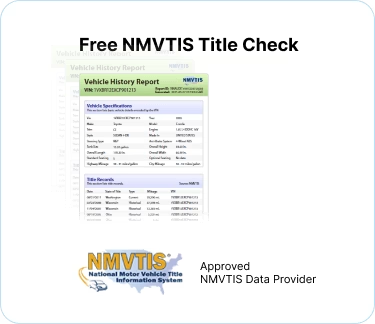
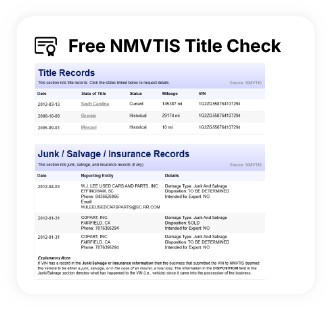
NMVTIS Title
History Check
History Check
Salvage/Rebuilt
Check
Check
Accident
Check
Check
Theft
Check
Check
Open Lien
Check
Check
Past Sale
Listings
Listings
Safety
Recalls
Recalls
Odometer
Check
Check
Market Price
Analysis
Analysis
What Problems Does the 2014 Peterbilt 365 Have?
While the 2014 Peterbilt 365 is generally regarded as a robust and reliable vocational truck, like any heavy-duty vehicle, it can develop issues over time, especially with high mileage and demanding use. Frequently reported problems tend to focus on components that experience significant wear and tear.
Common Areas of Concern:
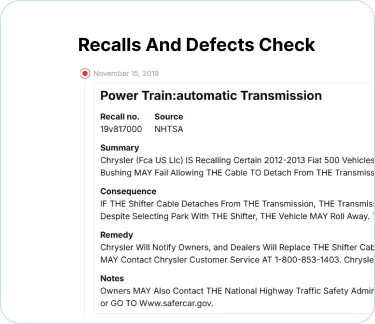
Recalls: Specific recalls for the 2014 model year would need to be checked through official channels like the NHTSA database. However, recalls for heavy trucks often relate to braking systems, steering components, or potential fire hazards in electrical harnesses. It's crucial for any prospective buyer to verify the recall status of a specific VIN.
Long-Term Reliability: The long-term reliability of a 2014 Peterbilt 365 heavily depends on its original specification, how it has been used, and critically, its maintenance history. Trucks used for extremely demanding vocational purposes (e.g., mining, heavy construction) will naturally show more wear than those used for lighter hauling. A well-maintained 365, even with significant mileage, can continue to be a reliable workhorse. The inherent build quality of Peterbilt trucks is generally high, meaning that with proper care, major component failures are not guaranteed, but rather a function of service life and maintenance adherence.
Common Areas of Concern:
- Electrical Systems: Over time, especially in a vocational setting with exposure to vibration, dust, and moisture, electrical components can become a point of failure. This can include issues with sensors, wiring harnesses, lighting systems, and the main control modules. Owners have reported intermittent electrical gremlins and premature failure of certain switches or connectors.
- Drivetrain Components: While designed for heavy loads, components like the clutch, transmission, and rear axles will eventually require maintenance or replacement. Clutch wear is particularly common in stop-and-go vocational applications. Transmission issues, though less frequent, can arise from improper shifting or lack of maintenance.
- Cooling System: Radiators, thermostats, and water pumps can eventually fail due to age and constant operation under load, leading to overheating issues. Leaks in the cooling system are also not uncommon.
- Air Brake System: Components such as air dryers, brake chambers, and slack adjusters require regular inspection and maintenance. Failures in these systems can compromise safety and lead to downtime.
- Emissions Systems (for later EPA compliant models): For trucks adhering to more stringent emissions standards, components like Diesel Particulate Filters (DPFs) and Selective Catalytic Reduction (SCR) systems can require cleaning or replacement, and sensors related to these systems can fail, leading to performance issues or check engine lights.
- Suspension and Steering: Bushings, kingpins, and tie rods in the suspension and steering systems will wear out with use, especially on rough job sites, potentially leading to steering looseness or premature tire wear.
Recalls: Specific recalls for the 2014 model year would need to be checked through official channels like the NHTSA database. However, recalls for heavy trucks often relate to braking systems, steering components, or potential fire hazards in electrical harnesses. It's crucial for any prospective buyer to verify the recall status of a specific VIN.
Long-Term Reliability: The long-term reliability of a 2014 Peterbilt 365 heavily depends on its original specification, how it has been used, and critically, its maintenance history. Trucks used for extremely demanding vocational purposes (e.g., mining, heavy construction) will naturally show more wear than those used for lighter hauling. A well-maintained 365, even with significant mileage, can continue to be a reliable workhorse. The inherent build quality of Peterbilt trucks is generally high, meaning that with proper care, major component failures are not guaranteed, but rather a function of service life and maintenance adherence.
How long will the 2014 Peterbilt 365 last?
Estimating the average mileage or years of service for a 2014 Peterbilt 365 is challenging due to its vocational nature and diverse applications. However, these trucks are built for longevity. With diligent maintenance, including regular fluid changes, component inspections, and timely repairs, it's not uncommon for a 365 to reach 500,000 to over 1,000,000 miles. Trucks used in long-haul or less strenuous vocational roles will generally achieve higher mileage. Weaknesses that emerge over time often relate to the wear and tear on drivetrain components, suspension parts, and electrical systems due to constant use and exposure to harsh environments. However, the core chassis and engine, when properly maintained, are known for exceptional durability, making them a sound investment for long-term service.
What Technology & Safety Features are Included?
The 2014 Peterbilt 365, being a heavy-duty vocational truck, prioritizes functionality and durability over cutting-edge consumer tech. Its built-in features are geared towards operational efficiency and driver comfort during demanding work.
Technology and Entertainment:
Driver-Assistance and Safety Features:
In essence, the 2014 Peterbilt 365's technology focuses on practical utility and robust operation rather than integrated entertainment or advanced driver assistance. Safety is paramount, achieved through solid engineering and essential braking/traction systems.
Technology and Entertainment:
- Infotainment: Standard entertainment systems were typically basic, often consisting of an AM/FM radio with CD player. Optional upgrades could include satellite radio capabilities and more robust sound systems. Connectivity options like Bluetooth were not standard but could be factory-ordered or added aftermarket.
- Instrumentation: The dashboard features clear, robust analog gauges for all essential vehicle information: speedometer, tachometer, fuel level, oil pressure, coolant temperature, and air brake pressure. A central digital display might offer basic trip computer functions and system alerts.
- Navigation: Integrated GPS navigation systems were an optional feature, typically found in more premium vocational or over-the-road configurations.
Driver-Assistance and Safety Features:
- Standard Safety: The fundamental safety features include a robust frame, a powerful braking system (typically air brakes with ABS), seatbelts, and durable construction designed to withstand impacts. Visibility is generally good due to the large windshield and side windows.
- Optional Driver Assistance: While advanced driver-assistance systems (ADAS) were not common as they are in modern passenger vehicles, options could include:
- Hill Start Assist: To prevent rollback on inclines.
- Engine Brakes/Retarders: Crucial for controlling speed on descents without excessive brake wear.
- Limited Slip Differentials: To enhance traction in slippery conditions.
- Back-up Alarms: Essential for safety in construction sites and other work environments.
- Heated Mirrors: For improved visibility in adverse weather.
- Hill Start Assist: To prevent rollback on inclines.
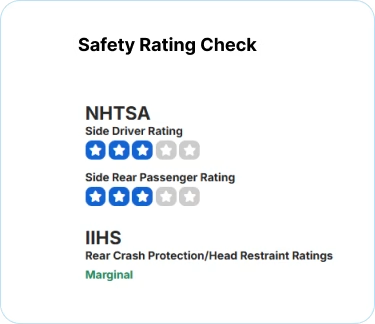
- Crash-Test Ratings: Specific crash-test ratings for heavy vocational trucks like the Peterbilt 365 from organizations like the NHTSA or IIHS are not typically available or directly comparable to passenger car ratings. These vehicles are designed to meet stringent Federal Motor Vehicle Safety Standards (FMVSS) for commercial vehicles, focusing on occupant protection in severe collisions and the structural integrity required for their intended heavy-duty applications. The cab structure itself is designed to be exceptionally strong and protective.
In essence, the 2014 Peterbilt 365's technology focuses on practical utility and robust operation rather than integrated entertainment or advanced driver assistance. Safety is paramount, achieved through solid engineering and essential braking/traction systems.
What Colors Options are Available?
2014 Peterbilt 365 Prices and Market Value
When new, the 2014 Peterbilt 365, depending on its configuration (engine, chassis, cab, and vocational equipment), could range significantly from around $100,000 to upwards of $200,000 or more for highly specialized builds.
Currently, on the used market, a 2014 Peterbilt 365 can typically be found for prices ranging from $40,000 to $90,000, with prices heavily influenced by mileage, condition, engine hours, specific vocational equipment (e.g., dump body, crane), and overall maintenance history.
Depreciation for vocational trucks is generally less aggressive than for consumer vehicles, especially for well-maintained units that are still in demand for their intended purpose. Key factors affecting resale value include the robustness of the engine and transmission, the condition of the chassis and body, the presence and functionality of vocational equipment, and whether the truck has been used in extremely harsh conditions. Trucks with documented service records and lower wear and tear command higher prices.
Currently, on the used market, a 2014 Peterbilt 365 can typically be found for prices ranging from $40,000 to $90,000, with prices heavily influenced by mileage, condition, engine hours, specific vocational equipment (e.g., dump body, crane), and overall maintenance history.
Depreciation for vocational trucks is generally less aggressive than for consumer vehicles, especially for well-maintained units that are still in demand for their intended purpose. Key factors affecting resale value include the robustness of the engine and transmission, the condition of the chassis and body, the presence and functionality of vocational equipment, and whether the truck has been used in extremely harsh conditions. Trucks with documented service records and lower wear and tear command higher prices.
2014 Peterbilt 365 Cost of Ownership
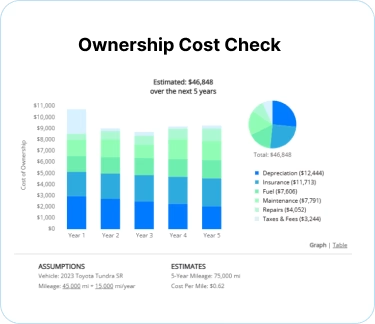
Owning a 2014 Peterbilt 365 is generally considered costly, reflecting its heavy-duty nature. Insurance premiums will be substantial due to the vehicle's high value and operational risks. Fuel costs are significant, with consumption dependent on engine, load, and usage, typically ranging from 5-8 MPG. Maintenance is critical and requires regular investment in fluid changes, filter replacements, and inspections, costing several thousand dollars annually. Repairs can also be expensive, involving specialized parts and labor. Overall, while its upfront and ongoing costs are high, the long-term durability and work capability can provide good value for businesses requiring a reliable vocational asset. It is not an economical vehicle to own in terms of operational expenses.
2014 Peterbilt 365 Fuel Efficiency
Fuel Type
Diesel
Fuel Capacity
-
City Mileage
-
Highway Mileage
-
2014 Peterbilt 365 Warranty
Basic
Original warranty
0 months / No data
Estimated remaining
Expired
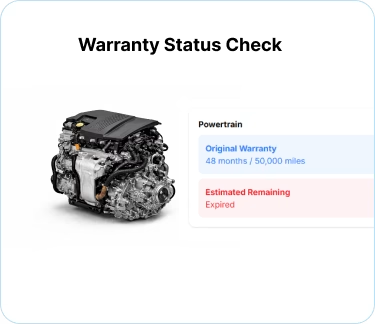
Powertrain
Original warranty
0 months / No data
Estimated remaining
Expired
Rust
Original warranty
0 months / No data
Estimated remaining
Expired
2014 Peterbilt 365 Insurance
Insurance for a 2014 Peterbilt 365 is moderately priced, reflecting its status as a Truck with strong safety ratings and
reasonable repair costs.
How Does the 2014 Peterbilt 365 Compare to Other Truck?
The 2014 Peterbilt 365 operates in the highly competitive vocational truck segment, facing strong rivals from manufacturers like Kenworth, Freightliner, International, and Mack.
Performance: The Peterbilt 365 is renowned for its robust power and torque delivery, capable of handling demanding vocational tasks. Its performance is directly comparable to similarly configured Kenworth T800/T880 models, which are also built for rugged work. Freightliner M2 series trucks offer a lighter-duty vocational option, potentially with better maneuverability for urban jobs but less raw power for extreme hauling. International PayStar models are also direct competitors, known for their heavy-duty capabilities.
Features: Peterbilt cabins are historically known for their driver comfort and visibility, a strong point against many rivals, though Kenworth also excels here. In terms of technological features, the 2014 model year reflects typical vocational truck offerings β functional and durable rather than technologically advanced. Competitors would offer similar levels of basic infotainment and safety features. Customization is a hallmark of Peterbilt, allowing for highly tailored configurations that can exceed standard offerings from some competitors.
Reliability: Peterbilt, along with Kenworth, enjoys a reputation for industry-leading reliability and durability in the heavy-duty segment. Their PACCAR engines and robust chassis are built to last. International and Mack also have strong reputations for reliability, particularly in specific vocational applications like refuse or construction. Freightliner, while offering a broad range, might be perceived as having slightly more varied reliability across its diverse model lines.
Price: New prices for the 365 are generally in the premium segment, comparable to Kenworth. Freightliner and International might offer slightly more budget-friendly options, especially in their less specialized configurations. Used prices for a 2014 Peterbilt 365 will align closely with comparable Kenworths, while potentially being higher than similar-aged Freightliners or Internationals, reflecting brand prestige and perceived durability.
Recommendations:
Performance: The Peterbilt 365 is renowned for its robust power and torque delivery, capable of handling demanding vocational tasks. Its performance is directly comparable to similarly configured Kenworth T800/T880 models, which are also built for rugged work. Freightliner M2 series trucks offer a lighter-duty vocational option, potentially with better maneuverability for urban jobs but less raw power for extreme hauling. International PayStar models are also direct competitors, known for their heavy-duty capabilities.
Features: Peterbilt cabins are historically known for their driver comfort and visibility, a strong point against many rivals, though Kenworth also excels here. In terms of technological features, the 2014 model year reflects typical vocational truck offerings β functional and durable rather than technologically advanced. Competitors would offer similar levels of basic infotainment and safety features. Customization is a hallmark of Peterbilt, allowing for highly tailored configurations that can exceed standard offerings from some competitors.
Reliability: Peterbilt, along with Kenworth, enjoys a reputation for industry-leading reliability and durability in the heavy-duty segment. Their PACCAR engines and robust chassis are built to last. International and Mack also have strong reputations for reliability, particularly in specific vocational applications like refuse or construction. Freightliner, while offering a broad range, might be perceived as having slightly more varied reliability across its diverse model lines.
Price: New prices for the 365 are generally in the premium segment, comparable to Kenworth. Freightliner and International might offer slightly more budget-friendly options, especially in their less specialized configurations. Used prices for a 2014 Peterbilt 365 will align closely with comparable Kenworths, while potentially being higher than similar-aged Freightliners or Internationals, reflecting brand prestige and perceived durability.
Recommendations:
- Similar Alternatives: Kenworth T800/T880 (very similar in build quality and vocational capability), Mack Granite (strong in construction and refuse), International PayStar (robust for extreme vocational needs).
- Potentially Better Alternatives (depending on specific needs): For applications demanding extreme off-road capability or specialized chassis designs, certain configurations of the International PayStar or specific Mack models might be superior. If a slightly lighter-duty or more maneuverable vocational truck is needed for urban environments, a Freightliner M2 series might be a better fit, though with less raw towing/hauling power. However, for overall balance of power, durability, driver comfort, and resale value in the vocational segment, the Peterbilt 365 remains a top-tier choice, with the Kenworth T800/T880 being its closest and most direct competitor.
Final Verdict: Is the 2014 Peterbilt 365 a Good Truck?
The 2014 Peterbilt 365 is an ideal choice for businesses and owner-operators in demanding vocational sectors such as construction, heavy hauling, excavation, and specialized transport who prioritize ruggedness, reliability, and long-term durability. It is worth buying, particularly on the used market, provided a thorough inspection and maintenance history review is conducted.
For buyers seeking a dependable workhorse built to withstand harsh conditions and heavy workloads, this truck offers exceptional value. It is best purchased used, as new models are significantly more expensive and the core strengths of the 2014 model remain highly relevant. When buying used, prioritize trucks with documented maintenance, lower engine hours, and a configuration suited to your specific needs. While not the most fuel-efficient or technologically advanced, its proven performance and enduring build quality make it a wise investment for those who need a truck that can get the job done, day in and day out.