
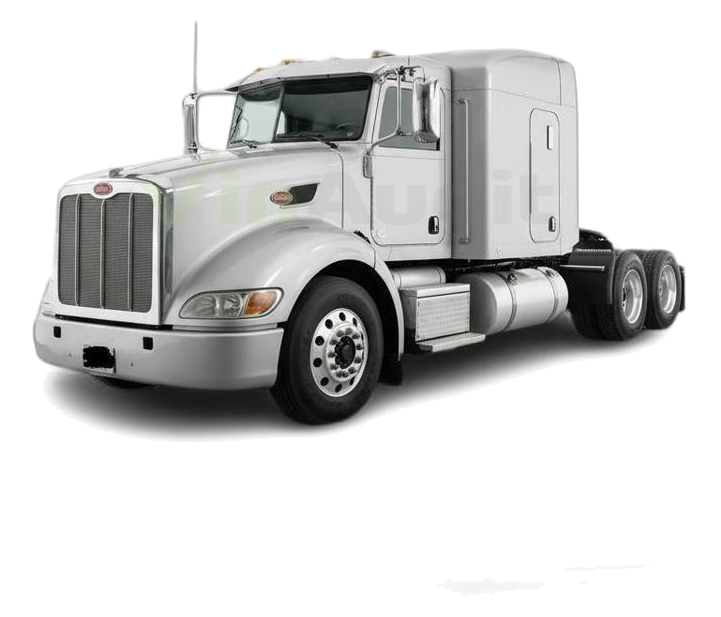
The Good
The 2014 Peterbilt 386 excels in delivering a potent combination of fuel efficiency and robust performance. Its legendary reliability ensures minimal downtime, while the spacious, comfortable cab appeals to drivers on long hauls. The distinctive Peterbilt design offers a touch of pride, and its solid resale value makes it a smart financial investment for practical buyers.
The Bad
While generally robust, potential owners of the 2014 Peterbilt 386 should be aware of possible issues with the diesel particulate filter (DPF) system, especially if primarily used for short-haul or urban driving. Electrical gremlins and wear on suspension components can also occur in high-mileage units.
2014 Peterbilt 386: Quick Overview
- Engine Options: The 2014 Peterbilt 386 was typically equipped with PACCAR PX-9 or PX-11 engines, as well as Cummins ISX15 engines.
- Horsepower: Horsepower ratings generally ranged from 380 hp to 600 hp, depending on the specific engine and configuration chosen.
- Torque: Torque figures varied significantly with engine choice, often ranging from 1,200 lb-ft to over 2,050 lb-ft, crucial for heavy hauling.
- Fuel Economy: Fuel economy is highly dependent on engine, transmission, gearing, load, and driving conditions, but the aerodynamic design of the 386 contributed to competitive MPG figures for its class, often in the range of 5-7 MPG for long-haul applications.
- 0-60 Times: 0-60 mph times are not a primary metric for heavy-duty trucks and are highly variable based on load and configuration. For context, fully loaded, these trucks accelerate slowly but are designed for sustained speed.
- Towing Capacity: As a Class 8 truck, the towing capacity is substantial and determined by the Gross Combination Weight Rating (GCWR), which can exceed 80,000 lbs and reach much higher figures for specialized applications.
- Transmission Options: Available transmissions included manual (e.g., Eaton Fuller) and automatic options (e.g., Allison).
- Wheelbase: Wheelbases varied widely to accommodate different trailer lengths and axle configurations, typically ranging from 130 to 260 inches.
- Axle Configurations: Common configurations included 6x4 (two rear drive axles) for maximum traction and load-carrying capability.
- Suspension: Various suspension systems were available, including Peterbilt Air Trac, Hendrickson walking beam, and others, tailored for ride comfort and load support.
- Brakes: Standard air brakes with ABS were featured.
- Trim-Level Features: While Peterbilt doesn't strictly adhere to traditional "trim levels" like consumer vehicles, customization was extensive. Buyers could select from a wide array of interior amenities, sleeper configurations (e.g., 40-inch, 63-inch, 70-inch), dashboard materials, exterior lighting, chrome accents, and advanced instrumentation to suit their specific needs and preferences.
2014 Peterbilt 386 Specifications
Vehicle Information
| Year | 2014 |
| Make | Peterbilt |
| Model | 386 |
| Trim | - |
| Style | - |
| Type | Truck |
| Category | Medium Truck |
Manufacturing Details
| Made In | United States |
| Manufacturing City | DENTON |
Dimensions
| Doors | - |
| Curb Weight | - |
| Gross Vehicle Weight Rating | - |
| Overall Height | - |
| Overall Length | - |
| Overall Width | - |
| Wheelbase Length | - |
| Standard Seating | - |
Engine & Performance
| Engine | 12.9L I6 |
| Engine Size | 12.9L |
| Engine Cylinders | 6 |
| Transmission | - |
| Transmission Type | - |
| Transmission Speeds | - |
| Drivetrain | 6x4 |
Additional Features
| Anti-Brake System | - |
| Steering Type | - |
Pricing
| Manufacturer Suggested Retail Price (MSRP) | - |
| Invoice Price | - |
| Delivery Charges | - |
Vehicle History Report
Specifications
History
Events
History Check
Check
Check
Check
Check
Listings
Recalls
Check
Analysis
What Problems Does the 2014 Peterbilt 386 Have?
Another area to consider is the electronics. While not as prevalent as DPF issues, some owners have reported occasional electrical gremlins, such as problems with sensors, wiring harnesses, or dashboard instrumentation. These can manifest in various ways, from warning lights to intermittent system failures. Regular inspection and maintenance of the electrical system can help mitigate these.
Wear and tear on suspension components, particularly shock absorbers and bushings, is also a common concern for any truck with significant mileage. Given the demanding nature of heavy-duty trucking, these parts naturally degrade over time and require periodic inspection and replacement to maintain ride quality and handling.
Regarding recalls, it's crucial for potential buyers to check the National Highway Traffic Safety Administration (NHTSA) website or consult with Peterbilt dealerships for any outstanding recalls specific to the 2014 model year or VIN. Recalls can address safety-critical issues, and it's imperative that any outstanding recalls are addressed by a qualified technician. Without specific recall data readily available for the 2014 model year that points to widespread systemic failures, it's best to assume that general maintenance and addressing wear items are the primary long-term considerations. Overall, the 386's long-term reliability is strongly tied to how well it has been maintained, the type of work it has performed, and the quality of repairs it has received.
How long will the 2014 Peterbilt 386 last?
What Technology & Safety Features are Included?
Built-in tech and entertainment in 2014 models leaned towards practicality. While not a luxury car, many units were equipped with AM/FM/CD players, and some higher-spec configurations might have offered satellite radio readiness or auxiliary input ports for personal devices. Digital displays for essential vehicle diagnostics were standard, providing drivers with real-time information on engine performance, fuel levels, and system status.
Driver-assistance features were less advanced compared to modern consumer vehicles but were present. Features like cruise control were standard for long-haul comfort. Optional additions could include advanced telematics systems for fleet management, GPS navigation units, and sometimes even collision mitigation systems that could provide audible or visual warnings. The aerodynamic design itself contributed to a more stable and less fatiguing driving experience.
The 386's cabin was designed with driver comfort and ergonomics in mind, which indirectly contributes to safety by reducing driver fatigue. Features like adjustable steering columns, comfortable seating with air-ride suspension, and well-placed controls allowed drivers to maintain focus. Sleeper cabs offered living amenities such as beds, storage, and climate control for extended trips.
Regarding crash-test ratings, heavy-duty trucks like the Peterbilt 386 are not subjected to the same type of crash testing as passenger vehicles by organizations like NHTSA or IIHS. Their design focuses on occupant protection in high-impact scenarios and structural integrity under heavy loads. The robust frame and reinforced cab structure are engineered to withstand significant forces, prioritizing the survival of the occupants in severe accidents. Specific structural integrity and safety performance are governed by strict federal motor vehicle safety standards (FMVSS) applicable to commercial vehicles.
What Colors Options are Available?
2014 Peterbilt 386 Prices and Market Value
2014 Peterbilt 386 Cost of Ownership
2014 Peterbilt 386 Fuel Efficiency
2014 Peterbilt 386 Recalls & Defects
Electrical System:ignition:switch
Seat Belts
Electrical System:alternator/Generator/Regulator
Electrical System:alternator/Generator/Regulator
Electronic Stability Control (Esc)
Service Brakes, Air:antilock:abs Warning Light
2014 Peterbilt 386 Warranty
Basic
Powertrain
Rust
2014 Peterbilt 386 Insurance
reasonable repair costs.
How Does the 2014 Peterbilt 386 Compare to Other Truck?
Performance: In terms of performance, the 386, equipped with PACCAR or Cummins engines, generally offers competitive horsepower and torque figures matching or exceeding its rivals. Its aerodynamic design contributes to fuel efficiency, a key performance metric. Kenworth trucks are also renowned for strong powertrain options and efficiency.
Features: Peterbilt historically excels in driver comfort and cab amenities, and the 386 is no exception, often providing a more driver-centric experience with high-quality interiors and optional features that rival best-in-class offerings. Kenworth and Volvo are also strong contenders in this area, with Freightliner often offering a more utilitarian focus, though recent models have improved significantly.
Reliability: Peterbilt and Kenworth share a reputation for robust build quality and long-term reliability, often considered benchmarks in the industry. Both brands leverage PACCAR's well-engineered components. Volvo also boasts strong reliability, while Freightliner's reliability has historically been viewed as good, though sometimes a step behind Peterbilt and Kenworth in perceived build quality.
Price: Peterbilt and Kenworth trucks typically command a premium price when new and also hold their value well in the used market due to their reputation. Freightliner trucks are often priced more competitively, offering a strong value proposition, especially for fleet buyers. Volvo trucks also fall into the premium segment.
Alternatives:
- Kenworth T680/T880: Very similar in terms of quality, reliability, and driver comfort, often seen as a direct competitor. The T680 is known for its aerodynamic efficiency.
- Volvo VNL Series: Offers excellent driver comfort, advanced technology, and strong fuel economy. Known for its distinctive styling and comfortable ride.
- Freightliner Cascadia: A strong all-around performer, often more competitively priced, and offers good fuel efficiency and a range of configurations. A solid practical choice, especially for those prioritizing cost-effectiveness.
Ultimately, the choice often comes down to brand loyalty, specific feature requirements, and personal preference for the driving experience. The 2014 Peterbilt 386 remains a compelling option for those valuing premium build quality, driver comfort, and proven reliability.
Final Verdict: Is the 2014 Peterbilt 386 a Good Truck?

Drew B
Drew is a seasoned automotive expert and contributor to VinCheck.info. With nearly 15 years of experience as a former Porsche technician, he brings a wealth of hands-on knowledge to his writing. Born in North Carolina, a region renowned for its deep-rooted NASCAR culture, Drew developed a passion for cars early in life, often building and working on vehicles from a young age. At VINCheck, Drew leverages his extensive technical background to provide in-depth analyses of various vehicles. His articles often focus on engine performance, reliability, and maintenance insights, offering readers practical information grounded in real-world experience. Some of his notable contributions include reviews on the Mazda CX-5's longevity and detailed examinations of engine options for models like the 2011 Toyota Camry and Tacoma