
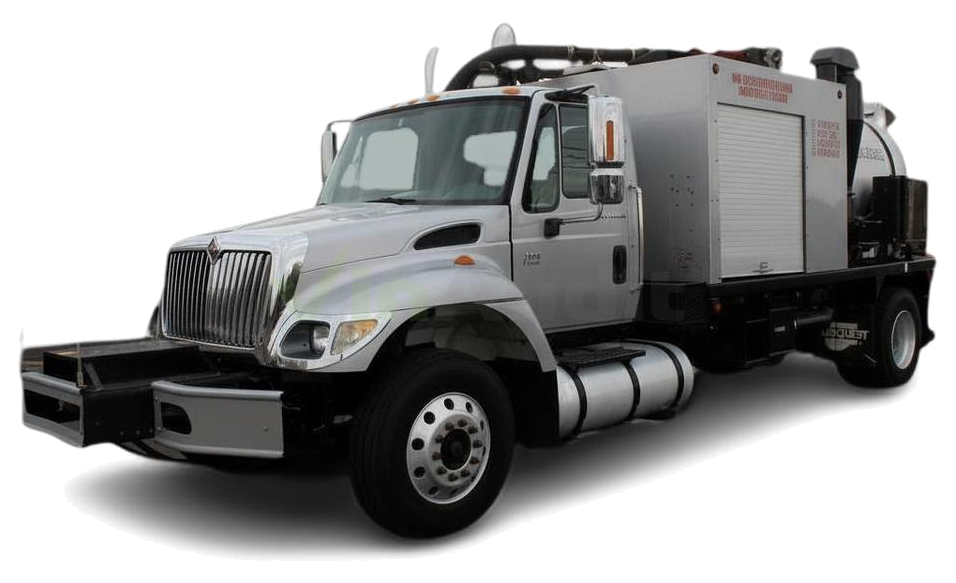
The Good
The 2007 International 7400 excels in raw performance and proven reliability, offering a no-nonsense, workhorse capability. Its rugged design inspires confidence for tough jobs, while the practical value proposition lies in its longevity and ability to withstand demanding conditions, appealing to both the pride of ownership in a capable machine and the logic of a sound investment.
The Bad
Potential weaknesses for the 2007 International 7400 include older technology regarding driver comfort and advanced safety features. Some owners report concerns with emission control systems, particularly with the diesel particulate filters. Maintenance can be specialized and costly, and specific engine or transmission issues might arise with high mileage.
2007 International 7400: Quick Overview
- Engine Options: The 2007 International 7400 was typically equipped with Navistar's VT 365 diesel engine or the MaxxForce DT, which replaced it in later iterations. Other options could include Cummins ISB or ISC engines, depending on the specific vocational application and customer preference.
- Horsepower: Horsepower ratings generally ranged from approximately 200 hp to over 300 hp, with higher outputs available for more demanding tasks. For example, a common configuration might offer around 215 hp to 250 hp for standard duty, while heavier-duty vocational setups could reach up to 300 hp or more.
- Fuel Economy: Fuel economy for vehicles of this class and age is highly variable, depending on the engine, transmission, load, and operating conditions. Owners typically reported between 5-10 miles per gallon (MPG) in vocational use, with highway cruising potentially yielding slightly better results, though this is not a primary design consideration for such trucks.
- 0-60 Times: 0-60 mph acceleration is not a relevant metric for the 2007 International 7400, as it is designed for work and hauling, not performance driving. Its focus is on torque and pulling power, not rapid acceleration.
- Towing Capacity: Towing capacity is highly dependent on the chassis configuration, axle ratings, and specific upfit. As a chassis cab or glider, it could be configured for a Gross Combined Weight Rating (GCWR) of 30,000 lbs to over 70,000 lbs, allowing for substantial towing or payload capacities depending on its intended use (e.g., dump truck, tow truck, medium-duty tractor).
- Trim-Level Features: The concept of "trim levels" as found in consumer vehicles does not apply to the International 7400. Instead, features are determined by the vocational body and equipment installed. Standard features often included a robust frame, heavy-duty axles, power steering, and basic instrumentation. Optional features could range from specialized hydraulics and power take-offs (PTOs) to advanced braking systems (air brakes), specific body integrations (e.g., dump beds, service bodies, crane mounts), and climate control systems. Driver comfort features were typically basic, focusing on functionality over luxury.
2007 International 7400 Specifications
Vehicle Information
| Year | 2007 |
| Make | International |
| Model | 7400 |
| Trim | - |
| Style | - |
| Type | Truck |
| Category | Heavy Truck |
Manufacturing Details
| Made In | Mexico |
| Manufacturing City | GARLAND |
Dimensions
| Doors | - |
| Curb Weight | - |
| Gross Vehicle Weight Rating | 55001 pounds |
| Overall Height | - |
| Overall Length | - |
| Overall Width | - |
| Wheelbase Length | - |
| Standard Seating | - |
Engine & Performance
| Engine | 9.3L I6 |
| Engine Size | 9.3L |
| Engine Cylinders | 6 |
| Transmission | - |
| Transmission Type | - |
| Transmission Speeds | - |
| Drivetrain | 6x4 |
Additional Features
| Anti-Brake System | - |
| Steering Type | - |
Pricing
| Manufacturer Suggested Retail Price (MSRP) | - |
| Invoice Price | - |
| Delivery Charges | - |
Vehicle History Report
Specifications
History
Events
History Check
Check
Check
Check
Check
Listings
Recalls
Check
Analysis
What Problems Does the 2007 International 7400 Have?
While specific recalls for the 2007 model year need to be verified through NHTSA or Navistar, general recalls for International trucks around this period often addressed issues related to braking systems, electrical components, and fuel delivery. Long-term reliability is heavily dependent on the specific engine, transmission, and the vocational application it has been subjected to. Trucks used in severe service environments, such as construction or frequent stop-and-go operation, may experience accelerated wear on drivetrain components compared to those used for less demanding roles. Maintenance is paramount; owners who adhere to strict maintenance schedules, including regular oil changes, filter replacements, and DPF cleaning, tend to report higher reliability. Conversely, neglected trucks can quickly develop costly problems. Some anecdotal reports suggest that while the core chassis and drivetrain are robust, ancillary systems like HVAC or certain electronic modules can be less durable over time. Specific issues can also be tied to the transmission type fitted (e.g., Allison automatics are generally well-regarded, while manual transmissions have their own wear characteristics). Overall, while the International 7400 is built for durability, proactive maintenance and awareness of common diesel engine issues are crucial for long-term owner satisfaction.
How long will the 2007 International 7400 last?
What Technology & Safety Features are Included?
Technology & Entertainment: Standard technology was minimal. Expect a basic AM/FM radio, and potentially a CD player as an option. Digital displays were limited to essential gauges for engine status, speed, and warnings. Navigation systems were not standard and would have been aftermarket additions. Connectivity features like Bluetooth or USB ports were non-existent in the standard configuration. The focus was on operational information rather than driver entertainment or convenience.
Driver-Assistance Features: Driver-assistance features were virtually nonexistent in the conventional sense. Features like cruise control might have been optional. Advanced systems such as lane departure warning, adaptive cruise control, or blind-spot monitoring were not available. The primary "assistance" came from the truck's robust chassis, powerful engine for hauling, and power steering.
Safety Features: Standard safety features included seat belts and potentially anti-lock braking systems (ABS), especially if equipped with air brakes. Reflective tape and lighting were crucial for visibility. Air brakes, a common option on heavy-duty trucks like the 7400, provided superior stopping power. Some models might have offered basic stability control systems, but this was not widespread or as sophisticated as modern systems.
Optional Features: Optional features were highly dependent on the specific vocational body and intended use. This could include air conditioning, power windows and locks, heated mirrors, and more robust lighting packages. For specific applications, features like heavy-duty alternators, high-idle controls, or specialized hydraulic systems for body functions could be optioned.
Crash-Test Ratings: Crash-test ratings for commercial truck chassis like the 2007 International 7400 are not typically conducted or published by organizations like the NHTSA or IIHS in the same way as passenger vehicles. The design philosophy for these trucks prioritizes occupant protection in severe environments through structural integrity and robust build, rather than undergoing standardized collision tests designed for lighter vehicles. Manufacturers focus on meeting specific regulatory safety standards for commercial vehicles.
What Colors Options are Available?
2007 International 7400 Prices and Market Value
2007 International 7400 Cost of Ownership
2007 International 7400 Fuel Efficiency
2007 International 7400 Recalls & Defects
Parking Brake:conventional:air
Suspension
Suspension:rear:axle:non-Powered Axle Assembly
Parking Brake
Suspension:rear:axle:spindle
Engine and Engine Cooling
2007 International 7400 Warranty
Basic
Powertrain
Rust
2007 International 7400 Insurance
reasonable repair costs.
How Does the 2007 International 7400 Compare to Other Truck?
Performance: In terms of performance, the International 7400 generally offers comparable power and torque to its rivals, especially when equipped with similar Cummins or Navistar engines. Performance is geared towards work capacity rather than speed. The choice often comes down to specific engine tuning and transmission pairings.
Features: Features across these vocational trucks from 2007 are generally utilitarian. While International might have had specific chassis advantages for certain vocational builds, competitors like Freightliner and Peterbilt are also known for offering robust chassis and a wide array of factory or dealer-installed options for specialized applications. Advanced technology and creature comforts were minimal across the board in this era and class.
Reliability: Reliability is a mixed bag for all trucks in this segment and age. Navistar engines (VT 365, MaxxForce) have had known issues, particularly with EGR systems, which were also concerns for other manufacturers using similar diesel technology. However, the underlying chassis construction of the 7400 is generally considered robust. Competitors like Peterbilt and Kenworth often carry a reputation for slightly better build quality and long-term durability, though this can be highly subjective and dependent on maintenance. Freightliner also offers solid, reliable platforms.
Price: Pricing when new was competitive across the board, with final costs heavily dictated by specifications. In the used market, the 2007 International 7400 often represents a good value due to potentially lower acquisition costs compared to equivalent Peterbilt or Kenworth models, especially if found in good condition. However, this can sometimes be offset by potential repair costs if common issues aren't addressed.
Alternatives:
- Similar Alternatives: Freightliner M2 series, Sterling Acterra (if found), and similar vocational models from Hino or Isuzu (though these are often in a slightly lighter class but can be configured for some similar tasks).
- Potentially Better Alternatives (depending on priorities): For those prioritizing perceived long-term durability and resale value, a comparable Kenworth T370 or Peterbilt 335 might be worth the potentially higher upfront cost in the used market. However, if budget is the primary concern and the specific vocational need is met, the International 7400 remains a strong contender for its functional capabilities.
Final Verdict: Is the 2007 International 7400 a Good Truck?

Jovan
Jovan specializes in interpreting vehicle records and making sense of VIN data. With over 10 years of experience in the automotive data industry, his work ensures that every report is clear, accurate, and useful for car buyers.