
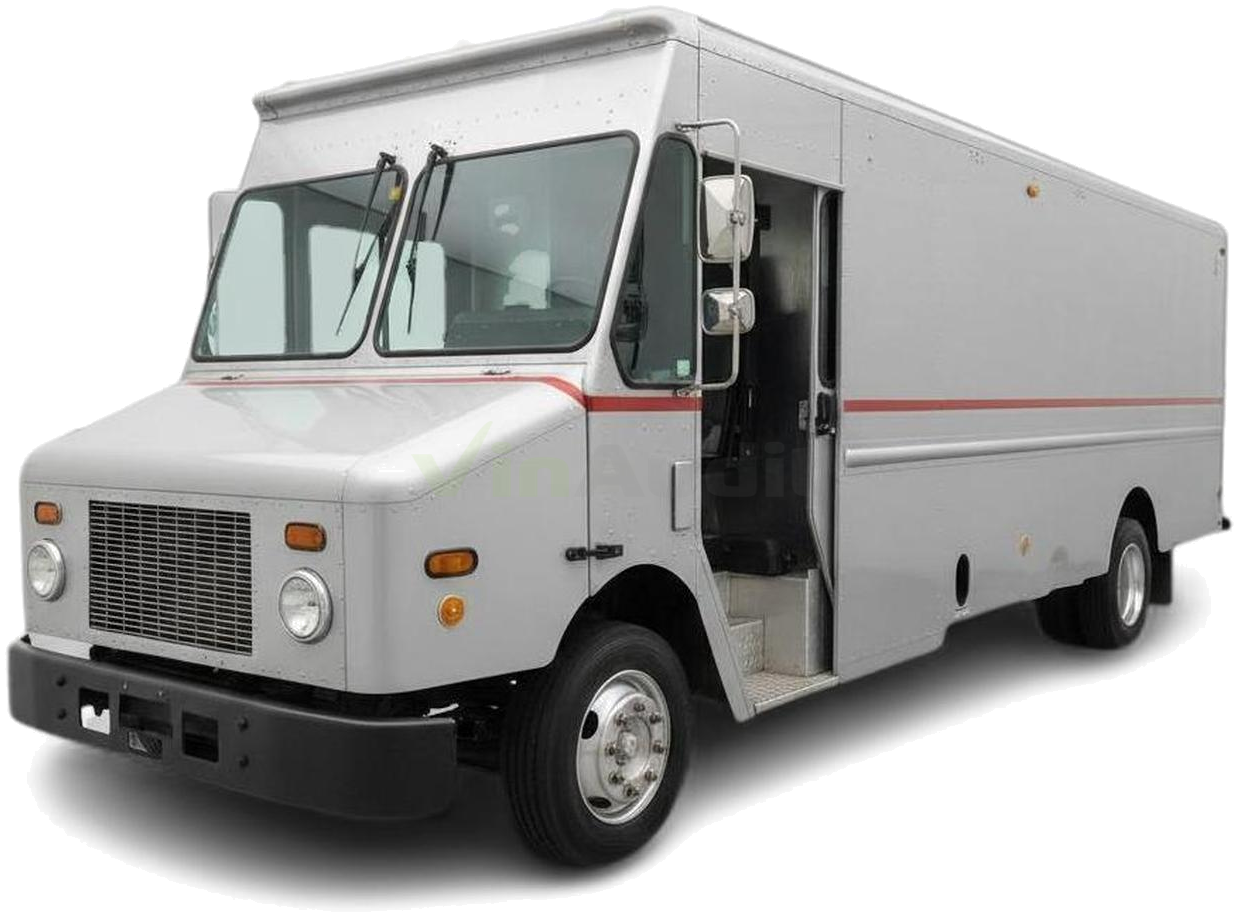
The Good
The 2002 Freightliner MT55 Chassis offers exceptional reliability and a strong, no-nonsense design built for hard work. Its straightforward engineering translates to practical value and ease of maintenance, while its solid construction provides peace of mind for the long haul, appealing to both the budget-conscious and those prioritizing dependability.
The Bad
Potential weaknesses for the 2002 Freightliner MT55 Chassis include older technology, which means a lack of modern comfort and safety features. Some units may exhibit wear and tear on suspension components or exhaust systems due to their vocational use. Rust on the frame or body can also be a concern depending on climate.
2002 Freightliner MT55 Chassis: Quick Overview
- Engine Options: The 2002 Freightliner MT55 Chassis typically offered a selection of robust diesel engines. Common options included:
- Caterpillar C7 diesel engine
- Cummins ISB or ISC diesel engine
- Mercedes-Benz MBE 900 or 4000 diesel engine
- Horsepower: Horsepower varied significantly depending on the specific engine and its configuration. Generally, these engines ranged from approximately 170 horsepower to over 300 horsepower. For example, a Caterpillar C7 could be found in the 200-250 hp range, while larger Cummins or Mercedes-Benz engines could offer upwards of 275-300 hp.
- Fuel Economy: Fuel economy for a vehicle of this type is highly dependent on the engine, transmission, payload, and driving conditions. Typical estimates for diesel engines in this class might range from 8 to 15 miles per gallon (MPG).
- 0-60 Times: 0-60 mph times are not a primary metric for vocational chassis like the MT55, as they are designed for utility and hauling rather than acceleration. Loaded, these vehicles would have considerably slower acceleration times, often exceeding 20-30 seconds.
- Towing Capacity: Towing capacity is determined by the specific upfit and chassis configuration, including the rear axle rating and frame strength. While the chassis itself is robust, the effective towing capacity is often dictated by the body it supports and any added towing equipment. It's designed for substantial hauling, often in the tens of thousands of pounds for specialized applications.
- Trim-Level Features: The MT55 is a chassis, not a traditional trim-level vehicle. Therefore, features are dictated by the body manufacturer and any optional equipment installed. Standard chassis features would include:
- Heavy-duty frame construction
- Power steering
- Hydraulic disc brakes (front and rear)
- Robust suspension components
- Standard gauge cluster
- Basic interior amenities for the driver
2002 Freightliner MT55 Chassis Specifications
Vehicle Information
| Year | 2002 |
| Make | Freightliner |
| Model | MT55 Chassis |
| Trim | - |
| Style | - |
| Type | Truck |
| Category | Medium Truck |
Manufacturing Details
| Made In | United States |
| Manufacturing City | GAFFNEY |
Dimensions
| Doors | - |
| Curb Weight | - |
| Gross Vehicle Weight Rating | - |
| Overall Height | - |
| Overall Length | - |
| Overall Width | - |
| Wheelbase Length | - |
| Standard Seating | - |
Engine & Performance
| Engine | 5.9L I6 |
| Engine Size | 5.9L |
| Engine Cylinders | 6 |
| Transmission | - |
| Transmission Type | - |
| Transmission Speeds | - |
| Drivetrain | Rear-Wheel Drive |
Additional Features
| Anti-Brake System | - |
| Steering Type | - |
Pricing
| Manufacturer Suggested Retail Price (MSRP) | - |
| Invoice Price | - |
| Delivery Charges | - |
Vehicle History Report
Specifications
History
Events
History Check
Check
Check
Check
Check
Listings
Recalls
Check
Analysis
What Problems Does the 2002 Freightliner MT55 Chassis Have?
One common area for attention is the exhaust system. Due to constant exposure to heat and exhaust gases, components like mufflers, catalytic converters, and exhaust pipes can corrode and eventually fail, requiring replacement. This is not specific to the 2002 model year but a general consideration for older diesel vehicles.
Fuel system components, particularly on older diesel engines, can also be a source of problems. Issues with fuel injectors, fuel pumps, or fuel lines can lead to performance issues, rough idling, or starting difficulties. Regular fuel filter changes and the use of quality diesel fuel can mitigate these risks.
The cooling system is another critical area. Radiator leaks, hoses deteriorating over time, or issues with water pumps can lead to overheating, which can cause significant engine damage if not addressed promptly. Consistent coolant checks and replacement are vital.
On the electrical side, while generally robust, older wiring harnesses can degrade, leading to intermittent electrical faults. Issues with sensors, alternators, or starter motors are also not uncommon as the vehicle ages and accumulates mileage.
Regarding recalls, for a vehicle of this type from 2002, specific recalls would be tied to the original manufacturer of the chassis (Freightliner) and potentially the upfitters who built the body. Recalls for commercial vehicles often address safety-critical components. It is essential for owners to check with Freightliner or relevant regulatory bodies (like the NHTSA in the US) for any outstanding recalls for their specific VIN.
In terms of long-term reliability, the MT55 chassis is built for durability. Its success lies in its straightforward engineering and heavy-duty construction. The primary determinant of long-term reliability is the owner's maintenance regimen. Vehicles that have received regular oil changes, fluid checks, and proactive repairs tend to far outlast those that have been neglected. The most significant weaknesses tend to be related to the natural aging of components and the stresses of vocational use rather than inherent design flaws.
How long will the 2002 Freightliner MT55 Chassis last?
What Technology & Safety Features are Included?
Built-in Tech and Entertainment: In 2002, the tech and entertainment features on a chassis like the MT55 were very basic. Standard equipment typically included a functional AM/FM radio, often with a single-disc CD player. Auxiliary inputs or advanced infotainment systems were generally not standard. The dashboard would feature essential analog gauges for speed, RPM, fuel level, engine temperature, and oil pressure. Air conditioning was often an optional feature, not universally standard across all configurations.
Driver-Assistance Features: Driver-assistance technologies as we know them today were virtually nonexistent on the 2002 Freightliner MT55 Chassis. Features like lane departure warning, adaptive cruise control, or blind-spot monitoring were not integrated. The primary assistance provided was through power steering and robust braking systems.
Safety Features: Safety features were focused on passive protection and structural integrity. Standard safety equipment would include:
- Seat belts for the driver and any passengers.
- Heavy-duty frame and body structure designed to withstand operational stresses and provide a degree of occupant protection.
- Hydraulic disc brakes, which were considered advanced for commercial vehicles at the time, providing reliable stopping power.
- External lighting systems (headlights, taillights, turn signals) crucial for visibility and signaling.
Optional Features: Optional features would have been largely dictated by the body builder. These could include things like upgraded seating, power windows (less common on vocational chassis of that era), additional lighting, communication systems for dispatch, or specialized upfitting for specific trades. Some higher-end engine options might have come with more sophisticated engine monitoring systems.
Crash-Test Ratings: Specific crash-test ratings, such as those provided by the NHTSA or IIHS for passenger vehicles, are generally not available for chassis platforms like the 2002 Freightliner MT55. Commercial vehicles undergo different regulatory testing and certification processes focused on structural integrity, braking performance, and emissions compliance rather than occupant survivability in simulated crash scenarios in the same way as cars. The design emphasis for the MT55 is on a robust build to withstand the rigors of commercial use, which inherently provides a level of structural safety.
What Colors Options are Available?
2002 Freightliner MT55 Chassis Prices and Market Value
2002 Freightliner MT55 Chassis Cost of Ownership
2002 Freightliner MT55 Chassis Fuel Efficiency
2002 Freightliner MT55 Chassis Warranty
Basic
Powertrain
Rust
2002 Freightliner MT55 Chassis Insurance
reasonable repair costs.
How Does the 2002 Freightliner MT55 Chassis Compare to Other Truck?
- International (Navistar): Models like the 4000 series offered comparable capabilities.
- Ford: The Ford E-Series chassis (especially in heavier configurations) and later F-series chassis could be adapted for similar vocational uses, though often with less robust heavy-duty options.
- GMC/Chevrolet: Their medium-duty trucks also provided platforms for commercial bodies.
- Hino: A Japanese manufacturer known for reliable trucks and buses.
Performance: The MT55 typically offered strong diesel powertrains, often outperforming gasoline-powered alternatives in torque and hauling capability. Performance was generally task-oriented rather than speed-focused, with reliability being the paramount factor.
Features: Features were utilitarian. Compared to modern vehicles, it lacked advanced technology, infotainment, and driver aids. Rivals from the same era would have offered similarly basic feature sets, with luxury and convenience being secondary to functionality. Freightliner often had an edge in heavy-duty engineering.
Reliability: Freightliner, as a dedicated truck manufacturer, built the MT55 chassis with a reputation for solid reliability and durability, a core strength that often set it apart. While rivals also offered reliable options, Freightliner's focus on commercial applications often translated to a more robust build for demanding tasks. However, individual component reliability could vary based on specific engine choices (e.g., Caterpillar, Cummins, Mercedes-Benz).
Price: Pricing was competitive within its class. New, the MT55 chassis was priced in line with comparable chassis from International and Ford, with significant variation based on specific configurations and options. Used, the MT55 often holds its value well due to its durability.
Alternatives:
- Similar: For a similar heavy-duty vocational chassis, consider other Freightliner models or comparable offerings from International. Hino chassis are also excellent alternatives known for reliability.
- Potentially Better (depending on need): If the primary need is for a lighter-duty commercial van or a simpler delivery vehicle, a heavily modified Ford E-Series van chassis might be considered, though likely with less robust underpinnings. For newer technology and potentially better fuel efficiency, one would need to look at significantly newer models or different vehicle classes.
Final Verdict: Is the 2002 Freightliner MT55 Chassis a Good Truck?

Cathleen V
Cathleen is an exceptional freelance writer covering hot topics in the automotive world from a gearhead's perspective. Her articles delve into various aspects of automotive technology and history, offering readers detailed insights into engine performance, reliability, and maintenance. Through her engaging and informative writing, Cathleen provides valuable information to automotive enthusiasts and consumers alike, helping them make informed decisions about vehicle maintenance and purchases.