The 2009 Peterbilt 365 is a robust vocational truck known for its durability and versatility. Primarily offered as a conventional cab chassis, it has been a staple in the Peterbilt lineup for many years, with the 2009 model being part of a well-established generation. While specific trims vary widely based on vocational application (e.g., dump truck, concrete mixer, refuse truck), the core 365 model is recognized for its strong build and customizable nature. Its popularity stems from its ability to be configured for demanding tasks, offering a solid return on investment for businesses requiring reliable workhorses.
The Good
The 2009 Peterbilt 365 excels in rugged performance and unwavering reliability, built to tackle the toughest jobs. Its practical design prioritizes driver comfort for long hauls, while its robust construction promises exceptional value and longevity, appealing to both the head and the heart of any fleet owner or operator.
The Bad
Potential weaknesses for the 2009 Peterbilt 365 often revolve around the complexity and cost of specific after-treatment systems if equipped with certain diesel engines, and the possibility of wear and tear on vocational-specific components due to heavy usage. Regular maintenance is crucial.
2009 Peterbilt 365: Quick Overview
- Engine Options: The 2009 Peterbilt 365 was typically offered with a range of powerful PACCAR PX-series engines, including the PX-6, PX-8, and larger PX-9 engines, as well as Cummins ISX and ISL engine options. These engines are known for their robust performance and durability in heavy-duty applications.
- Horsepower: Horsepower ratings varied significantly depending on the specific engine and configuration, generally ranging from approximately 200 horsepower for lighter duty applications up to over 500 horsepower for the most demanding vocational tasks.
- Fuel Economy: Fuel economy figures for heavy-duty trucks like the 2009 Peterbilt 365 are highly dependent on engine choice, transmission, axle ratios, load weight, terrain, and driving style. Precise MPG figures are not readily available or comparable to light-duty vehicles, but efficiency was a consideration, particularly with the PACCAR engines designed for better fuel management.
- 0-60 Times: 0-60 mph acceleration is not a standard metric for commercial trucks like the Peterbilt 365, as their primary purpose is not rapid acceleration but rather sustained power for hauling and vocational work.
- Towing Capacity: Towing and hauling capacities are extremely versatile and depend heavily on the chassis configuration, axle ratings, suspension, and driveline chosen. The 365 is designed for a wide spectrum of heavy-duty tasks, capable of Gross Vehicle Weight Ratings (GVWR) well over 50,000 pounds and often used in applications with significant trailer weights.
- Trim-Level Features: The 2009 Peterbilt 365 does not follow traditional light-duty trim levels. Instead, features are dictated by the vocational application. Common configurations include:
- Chassis: Available in various wheelbase lengths and frame rail configurations for specific body mounting.
- Cab: Typically offered as a standard day cab, with options for extended day cabs or briefly a short sleeper for regional operations.
- Suspension: A variety of heavy-duty suspension systems, including leaf spring and air suspension options, tailored to load requirements.
- Drivetrain: Wide selection of transmissions (manual and automatic) and rear axle configurations (single and tandem).
- Wheelbase and Axle Configurations: Customizable to accommodate dump bodies, concrete mixers, cranes, refuse bodies, and other specialized equipment.
- Interior: Functional and durable interiors focused on operator ergonomics, with options for enhanced comfort, instrumentation, and storage.
2009 Peterbilt 365 Specifications
Vehicle Information
| Year | 2009 |
| Make | Peterbilt |
| Model | 365 |
| Trim | - |
| Style | - |
| Type | Truck |
| Category | Medium Truck |
Manufacturing Details
| Made In | United States |
| Manufacturing City | DENTON |
Dimensions
| Doors | - |
| Curb Weight | - |
| Gross Vehicle Weight Rating | - |
| Overall Height | - |
| Overall Length | - |
| Overall Width | - |
| Wheelbase Length | - |
| Standard Seating | - |
Engine & Performance
| Engine | 12.0L L6 DIESEL |
| Engine Size | 12L |
| Engine Cylinders | 6 |
| Transmission | - |
| Transmission Type | - |
| Transmission Speeds | - |
| Drivetrain | Rear-Wheel Drive |
Additional Features
| Anti-Brake System | - |
| Steering Type | - |
Pricing
| Manufacturer Suggested Retail Price (MSRP) | - |
| Invoice Price | - |
| Delivery Charges | - |
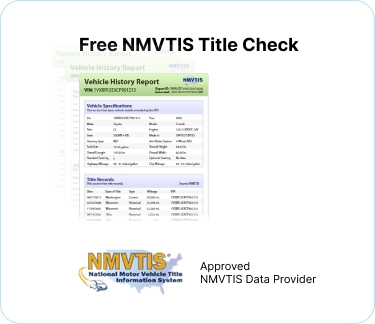
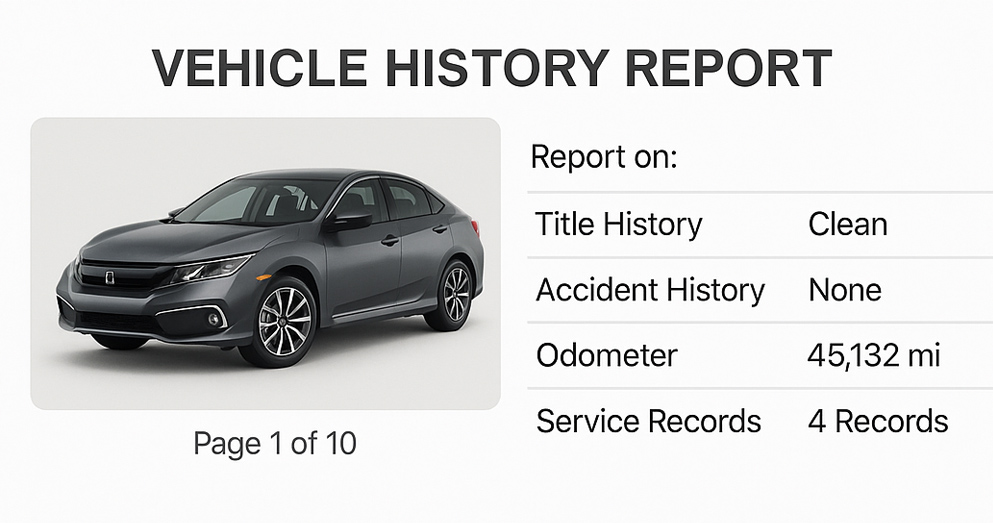
Vehicle History Report
Vehicle
Specifications
Specifications
Ownership
History
History
All History
Events
Events
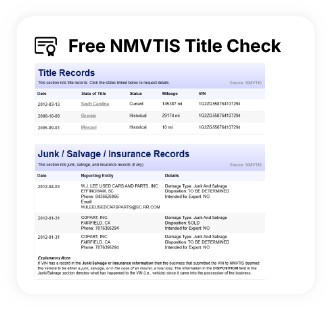
NMVTIS Title
History Check
History Check
Salvage/Rebuilt
Check
Check
Accident
Check
Check
Theft
Check
Check
Open Lien
Check
Check
Past Sale
Listings
Listings
Safety
Recalls
Recalls
Odometer
Check
Check
Market Price
Analysis
Analysis
What Problems Does the 2009 Peterbilt 365 Have?
For the 2009 Peterbilt 365, as with many heavy-duty vocational trucks, issues are often tied to the specific powertrain, transmission, and the demanding nature of their work. One area to watch can be the exhaust gas recirculation (EGR) systems and diesel particulate filters (DPFs) on models equipped with certain EPA 2007 compliant engines. These systems, while designed to reduce emissions, can sometimes lead to clogs or sensor failures if not maintained rigorously, potentially causing derates or downtime. For the 2009 model year, specific to engines like the PACCAR PX-8 or Cummins ISL/ISX, owners have occasionally reported issues related to injectors, turbochargers, and cooling system components, particularly under sustained heavy loads or prolonged idling.
While Peterbilt is renowned for its robust build quality, transmission issues can arise, especially with manual transmissions in high-mileage or high-torque applications. Clutch wear, synchronizer problems, or issues with transmission mounts can occur. For automatic transmissions, particularly older models, hydraulic leaks or solenoid failures are not uncommon. Electrical gremlins can also surface, such as intermittent dashboard warning lights or issues with the lighting systems, though these are often traceable to specific harnesses or modules.
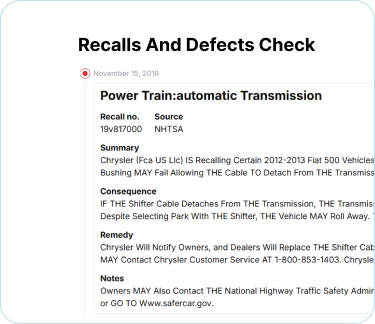
Recalls for heavy-duty trucks are less frequent than for passenger vehicles and are usually safety-related. Owners should always check the NHTSA website (National Highway Traffic Safety Administration) for any open recalls specific to their VIN. Long-term reliability is largely contingent on the owner's maintenance regimen. Consistent oil changes, fuel filter replacements, coolant flushes, and regular inspections of critical components like brakes, suspension, and steering are paramount. Trucks used in severe duty cycles (e.g., construction sites, mining) will naturally experience more wear and tear on components like the chassis, body, and undercarriage compared to those used for highway hauling. The 2009 model year falls into a period where emissions control technologies were evolving, so understanding the specific engine and after-treatment system installed is key to anticipating potential maintenance needs.
While Peterbilt is renowned for its robust build quality, transmission issues can arise, especially with manual transmissions in high-mileage or high-torque applications. Clutch wear, synchronizer problems, or issues with transmission mounts can occur. For automatic transmissions, particularly older models, hydraulic leaks or solenoid failures are not uncommon. Electrical gremlins can also surface, such as intermittent dashboard warning lights or issues with the lighting systems, though these are often traceable to specific harnesses or modules.
Recalls for heavy-duty trucks are less frequent than for passenger vehicles and are usually safety-related. Owners should always check the NHTSA website (National Highway Traffic Safety Administration) for any open recalls specific to their VIN. Long-term reliability is largely contingent on the owner's maintenance regimen. Consistent oil changes, fuel filter replacements, coolant flushes, and regular inspections of critical components like brakes, suspension, and steering are paramount. Trucks used in severe duty cycles (e.g., construction sites, mining) will naturally experience more wear and tear on components like the chassis, body, and undercarriage compared to those used for highway hauling. The 2009 model year falls into a period where emissions control technologies were evolving, so understanding the specific engine and after-treatment system installed is key to anticipating potential maintenance needs.
How long will the 2009 Peterbilt 365 last?
The 2009 Peterbilt 365 is built for longevity and can achieve well over a million miles with proper and consistent maintenance. Owner data and common industry observations suggest that a well-maintained 365 can remain in reliable service for 15-20 years, or even longer in some cases. The chassis and frame are exceptionally durable, designed to withstand significant stress. Weaknesses that emerge over time are often related to the powertrain and its associated components. Engines, if regularly serviced with quality fluids and filters, can last for hundreds of thousands of miles before requiring major overhauls. Transmission and drivetrain components will also wear, but are typically serviceable. The key to maximizing its lifespan lies in proactive maintenance, addressing minor issues before they become major, and understanding the specific demands placed upon the vehicle in its operational role.


What Technology & Safety Features are Included?
The 2009 Peterbilt 365, being a vocational truck, prioritizes functionality, durability, and operator awareness over advanced infotainment or cutting-edge driver-assistance technologies common in modern passenger vehicles.
Built-in Tech & Entertainment: Standard features typically included a functional instrument cluster with essential gauges for engine performance, air pressure, and fuel levels. Entertainment options were basic, often limited to an AM/FM radio, and potentially a single-CD player. Auxiliary power outlets were standard for charging devices. More advanced audio systems or even satellite radio might have been available as optional upgrades. Connectivity options were minimal, with no integrated Bluetooth or USB ports as standard on most configurations.
Driver-Assistance Features: Advanced driver-assistance systems (ADAS) were largely absent on the 2009 Peterbilt 365. Features like adaptive cruise control, lane departure warning, or automatic emergency braking were not typically offered. The focus was on providing the driver with excellent visibility and a comfortable, ergonomic workspace to manage the vehicle safely. Options might have included improved lighting systems or heated mirrors for enhanced visibility in adverse conditions.
Safety Features: Standard safety features focused on robust construction and essential driver controls. This included heavy-duty braking systems (air brakes were common), durable seat belts, and strong cab construction designed to protect occupants in the event of a collision. ABS (Anti-lock Braking System) was often standard or a common option. Visibility was a key design consideration, with large windows and well-placed mirrors.
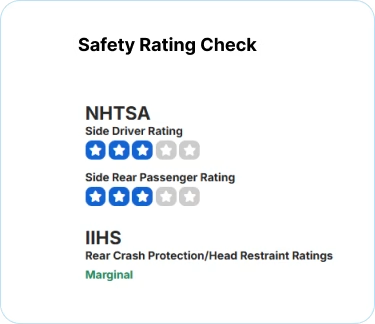
Crash-Test Ratings: Formal crash-test ratings from organizations like the NHTSA or IIHS are generally not available for heavy-duty commercial trucks like the Peterbilt 365. These vehicles are built to meet rigorous Federal Motor Vehicle Safety Standards (FMVSS) specific to commercial vehicles, which are designed to ensure occupant protection and structural integrity under extreme conditions. The sheer size and weight of these trucks mean they are inherently more resistant to damage in collisions with smaller vehicles, but the focus is on the survivability of the occupants within the truck itself.
Built-in Tech & Entertainment: Standard features typically included a functional instrument cluster with essential gauges for engine performance, air pressure, and fuel levels. Entertainment options were basic, often limited to an AM/FM radio, and potentially a single-CD player. Auxiliary power outlets were standard for charging devices. More advanced audio systems or even satellite radio might have been available as optional upgrades. Connectivity options were minimal, with no integrated Bluetooth or USB ports as standard on most configurations.
Driver-Assistance Features: Advanced driver-assistance systems (ADAS) were largely absent on the 2009 Peterbilt 365. Features like adaptive cruise control, lane departure warning, or automatic emergency braking were not typically offered. The focus was on providing the driver with excellent visibility and a comfortable, ergonomic workspace to manage the vehicle safely. Options might have included improved lighting systems or heated mirrors for enhanced visibility in adverse conditions.
Safety Features: Standard safety features focused on robust construction and essential driver controls. This included heavy-duty braking systems (air brakes were common), durable seat belts, and strong cab construction designed to protect occupants in the event of a collision. ABS (Anti-lock Braking System) was often standard or a common option. Visibility was a key design consideration, with large windows and well-placed mirrors.
Crash-Test Ratings: Formal crash-test ratings from organizations like the NHTSA or IIHS are generally not available for heavy-duty commercial trucks like the Peterbilt 365. These vehicles are built to meet rigorous Federal Motor Vehicle Safety Standards (FMVSS) specific to commercial vehicles, which are designed to ensure occupant protection and structural integrity under extreme conditions. The sheer size and weight of these trucks mean they are inherently more resistant to damage in collisions with smaller vehicles, but the focus is on the survivability of the occupants within the truck itself.
What Colors Options are Available?
2009 Peterbilt 365 Prices and Market Value
When new, the 2009 Peterbilt 365 had a broad price range depending heavily on its configuration, engine, and vocational upfitting. Base models could start in the $80,000 to $100,000 range, with highly specialized or heavily optioned units potentially reaching $150,000 or more.
Currently, the used market for a 2009 Peterbilt 365 varies significantly based on mileage, condition, engine hours, maintenance history, and the specific vocational body installed. A reasonable estimate for a well-maintained unit without specialized bodies might range from $25,000 to $60,000. Trucks equipped with specialized equipment like dump beds or concrete mixers will command higher prices.
Peterbilt trucks, especially the 365, are known for their strong resale value due to their robust build and reputation for durability. Depreciation is less steep than for many other vehicle types, particularly for models with lower mileage and a history of diligent maintenance. Factors that significantly affect resale value include the overall condition of the powertrain, chassis, and any installed vocational equipment, as well as compliance with current emissions standards. Trucks in good working order that have been consistently serviced will hold their value much better.
Currently, the used market for a 2009 Peterbilt 365 varies significantly based on mileage, condition, engine hours, maintenance history, and the specific vocational body installed. A reasonable estimate for a well-maintained unit without specialized bodies might range from $25,000 to $60,000. Trucks equipped with specialized equipment like dump beds or concrete mixers will command higher prices.
Peterbilt trucks, especially the 365, are known for their strong resale value due to their robust build and reputation for durability. Depreciation is less steep than for many other vehicle types, particularly for models with lower mileage and a history of diligent maintenance. Factors that significantly affect resale value include the overall condition of the powertrain, chassis, and any installed vocational equipment, as well as compliance with current emissions standards. Trucks in good working order that have been consistently serviced will hold their value much better.
2009 Peterbilt 365 Cost of Ownership
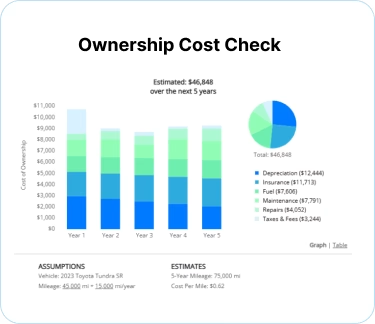
Owning a 2009 Peterbilt 365 is a significant investment, and costs are substantial. Insurance premiums will be higher than for lighter vehicles, reflecting the truck's value and operating risks. Fuel costs are a major factor, directly related to the powerful diesel engines and the heavy loads carried. Maintenance and repair costs are also considerable; while Peterbilts are durable, specialized parts and labor for heavy-duty trucks are expensive. Regular preventative maintenance is crucial to mitigate larger, costly repairs down the line. Overall, the 365 is not an economical vehicle to own in terms of day-to-day expenses, but its long-term durability and capability can provide significant value and profitability when used for commercial purposes.
2009 Peterbilt 365 Fuel Efficiency
Fuel Type
Diesel
Fuel Capacity
-
City Mileage
-
Highway Mileage
-
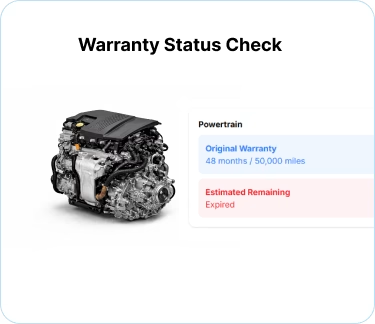
2009 Peterbilt 365 Warranty
Basic
Original warranty
0 months / No data
Estimated remaining
Expired
Powertrain
Original warranty
0 months / No data
Estimated remaining
Expired
Rust
Original warranty
0 months / No data
Estimated remaining
Expired
2009 Peterbilt 365 Insurance
Insurance for a 2009 Peterbilt 365 is moderately priced, reflecting its status as a Truck with strong safety ratings and
reasonable repair costs.
How Does the 2009 Peterbilt 365 Compare to Other Truck?
The 2009 Peterbilt 365 competes in the heavy-duty vocational truck segment against formidable rivals such as the Kenworth T800, Freightliner Business Class M2 (though often lighter duty depending on configuration), and International WorkStar models.
Performance: In terms of raw performance for tough vocational tasks, the Peterbilt 365 generally stands toe-to-toe with its competitors. Peterbilt trucks, including the 365, are known for their powerful engine options and robust drivetrains capable of handling heavy loads and challenging terrain. Rivals like the Kenworth T800 offer similarly strong performance characteristics with comparable engine and chassis options. Freightliner's offerings in this segment can be very competitive but might lean towards slightly different design philosophies. International's WorkStar series is also a strong contender, often excelling in specific vocational niches.
Features: Feature sets are highly customizable in this class, meaning direct comparisons can be tricky. The 365 offers a practical, driver-focused interior with a strong emphasis on durability rather than luxury. Rivals generally offer similar levels of basic functionality, with optional upgrades for comfort and convenience. Advanced tech and safety features are less common across all these models from this era, with the focus being on essential controls and visibility.
Reliability: Peterbilt has a long-standing reputation for exceptional reliability and build quality, and the 365 is a testament to this. They are built to withstand significant wear and tear, often outlasting competitors in demanding applications when properly maintained. Kenworth, Peterbilt's sister company, also boasts excellent reliability. Freightliner and International also produce durable trucks, though perceptions of long-term reliability can sometimes vary between operators.
Price: When new, these vocational trucks generally fall within a similar price bracket, with variations due to brand prestige, specific configurations, and options. Used, the Peterbilt 365 often holds its value very well, reflecting its perceived durability and demand.
Alternatives:
Performance: In terms of raw performance for tough vocational tasks, the Peterbilt 365 generally stands toe-to-toe with its competitors. Peterbilt trucks, including the 365, are known for their powerful engine options and robust drivetrains capable of handling heavy loads and challenging terrain. Rivals like the Kenworth T800 offer similarly strong performance characteristics with comparable engine and chassis options. Freightliner's offerings in this segment can be very competitive but might lean towards slightly different design philosophies. International's WorkStar series is also a strong contender, often excelling in specific vocational niches.
Features: Feature sets are highly customizable in this class, meaning direct comparisons can be tricky. The 365 offers a practical, driver-focused interior with a strong emphasis on durability rather than luxury. Rivals generally offer similar levels of basic functionality, with optional upgrades for comfort and convenience. Advanced tech and safety features are less common across all these models from this era, with the focus being on essential controls and visibility.
Reliability: Peterbilt has a long-standing reputation for exceptional reliability and build quality, and the 365 is a testament to this. They are built to withstand significant wear and tear, often outlasting competitors in demanding applications when properly maintained. Kenworth, Peterbilt's sister company, also boasts excellent reliability. Freightliner and International also produce durable trucks, though perceptions of long-term reliability can sometimes vary between operators.
Price: When new, these vocational trucks generally fall within a similar price bracket, with variations due to brand prestige, specific configurations, and options. Used, the Peterbilt 365 often holds its value very well, reflecting its perceived durability and demand.
Alternatives:
- Kenworth T800: A very similar truck to the Peterbilt 365, offering comparable build quality, performance, and reliability. Often considered a direct competitor with a slightly different styling.
- International WorkStar: A strong contender, especially for specialized vocational applications. Can sometimes offer more diverse configurations for niche markets.
- Freightliner M2/SD Series: Depending on the specific model and configuration, Freightliner can offer compelling alternatives. The M2 series can be lighter, while the SD series steps up for heavier duty.
Final Verdict: Is the 2009 Peterbilt 365 a Good Truck?
The 2009 Peterbilt 365 is ideal for businesses and owner-operators in demanding vocational sectors such as construction, excavation, refuse collection, and heavy hauling, where extreme durability and reliability are paramount. It is an excellent purchase for those who prioritize a rugged, workhorse vehicle capable of withstanding continuous, heavy-duty use.
Given its age, buying a 2009 Peterbilt 365 new is not an option; therefore, its value lies solely in the used market. It is absolutely worth buying for its reputation of longevity and robust construction, provided it is thoroughly inspected. Potential buyers should scrutinize the engine hours, maintenance records, and the condition of any vocational equipment. For specific applications, like dump trucks or concrete mixers, a well-maintained unit with the right configuration can be a highly cost-effective investment, offering years of reliable service. It's less suitable for those seeking modern creature comforts or fuel efficiency for light-duty tasks.