The 1988 Jaguar XJ Sedan, part of the XJ40 generation introduced in 1986 and produced until 1994, is a full-size luxury sedan that embodies classic British elegance. Known for its refined driving experience and opulent interior, it stood out with its distinctive styling. Key trims included the Sovereign and the Vanden Plas, offering increasing levels of luxury. While pricing varied significantly by trim and options, it was positioned as a premium offering in its segment.
The Good
The 1988 Jaguar XJ Sedan offers a blend of sophisticated styling and a remarkably comfortable ride, appealing to those who appreciate timeless design and a serene cabin. Its smooth power delivery and luxurious appointments satisfy emotional desires, while its robust engineering offers practical appeal for discerning buyers.
The Bad
Potential buyers of the 1988 Jaguar XJ Sedan should be aware of the possibility of electrical gremlins, rust issues particularly around wheel arches and sills, and the need for diligent maintenance to keep the sophisticated systems functioning optimally. Cooling system issues can also be a concern.
1988 Jaguar XJ Sedan: Quick Overview
- Engine Options: The 1988 Jaguar XJ Sedan primarily featured a 3.6-liter inline-six engine (often referred to as the AJ6). In some markets and later in the model run, a larger 4.0-liter version of this engine became available, offering increased power and torque.
- Horsepower: The 3.6-liter engine typically produced around 221 horsepower, while the 4.0-liter version offered approximately 245 horsepower.
- Fuel Economy: Due to its size and engine displacement, fuel economy was not a strong suit. Expect combined city/highway figures in the range of 15-18 MPG, depending on engine and driving conditions.
- 0-60 Times: Performance was respectable for its class, with 0-60 mph times generally falling in the 8-9 second range, again varying with engine size and specific configuration.
- Towing Capacity: The Jaguar XJ Sedan was not designed for towing, and therefore, towing capacity information is not applicable.
- Trim-Level Features:
- XJ6: The base model still offered a luxurious experience with leather upholstery, wood veneer trim, power windows, power locks, cruise control, and a premium sound system.
- Sovereign: This trim added further enhancements such as upgraded leather, automatic climate control, a more sophisticated suspension system, and often larger alloy wheels.
- Vanden Plas: The top-tier trim denoted ultimate luxury, featuring plush seating, often with extra lumbar support and heating, picnic tables for rear passengers, enhanced sound insulation, and more exclusive interior detailing.
1988 Jaguar XJ Sedan Specifications
Vehicle Information
| Year | 1988 |
| Make | Jaguar |
| Model | XJ Sedan |
| Trim | - |
| Style | - |
| Type | Sedan |
| Category | Compact Car |
Manufacturing Details
| Made In | United Kingdom |
| Manufacturing City | BROWNS LANE |
Dimensions
| Doors | 4-Door |
| Curb Weight | - |
| Gross Vehicle Weight Rating | - |
| Overall Height | - |
| Overall Length | - |
| Overall Width | - |
| Wheelbase Length | - |
| Standard Seating | - |
Engine & Performance
| Engine | 3.6L L6 |
| Engine Size | 3.6L |
| Engine Cylinders | 6 |
| Transmission | - |
| Transmission Type | Automatic |
| Transmission Speeds | - |
| Drivetrain | Rear-Wheel Drive |
Additional Features
| Anti-Brake System | - |
| Steering Type | - |
Pricing
| Manufacturer Suggested Retail Price (MSRP) | - |
| Invoice Price | - |
| Delivery Charges | - |
Vehicle History Report
Vehicle
Specifications
Specifications
Ownership
History
History
All History
Events
Events
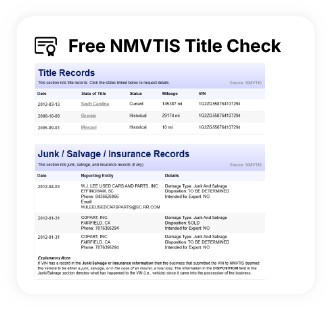
NMVTIS Title
History Check
History Check
Salvage/Rebuilt
Check
Check
Accident
Check
Check
Theft
Check
Check
Open Lien
Check
Check
Past Sale
Listings
Listings
Safety
Recalls
Recalls
Odometer
Check
Check
Market Price
Analysis
Analysis
What Problems Does the 1988 Jaguar XJ Sedan Have?
The 1988 Jaguar XJ Sedan, while a handsome and comfortable car, is known to have several potential problem areas that owners should be aware of. Electrical issues are perhaps the most frequently cited concern. This can manifest as intermittent failures of various systems, from power windows and central locking to the complex engine management and dashboard warning lights. The wiring harnesses, particularly at this age, can become brittle or corroded, leading to diagnostic challenges.
Cooling system problems are another common area of concern. Overheating can occur due to leaks in the radiator, hoses, or water pump, or issues with the thermostat or fan clutch. Neglecting these can lead to more significant engine damage.
Rust is a perennial enemy of many older vehicles, and the XJ Sedan is no exception. Areas particularly prone to corrosion include the wheel arches, sills, the bottom of the doors, and around the windshield. Thorough inspection for rust, especially on cars that have lived in areas with harsh winters or high humidity, is crucial.
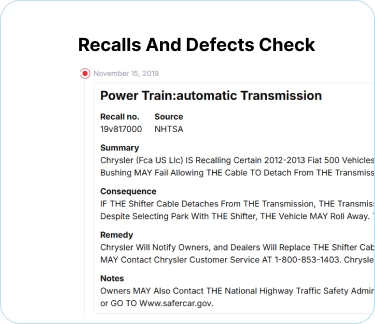
While specific recalls for the 1988 model year might be limited, general long-term reliability can be impacted by the complexity of its systems. The independent rear suspension, while excellent for handling, can also be a source of wear and tear on bushings and bearings over time. Maintaining the hydraulic self-leveling suspension, if equipped, requires specialized knowledge and fluid. Early XJ40s, including the 1988 model, are sometimes noted for more initial teething problems compared to later iterations, particularly concerning the early implementation of some electronic systems.
Cooling system problems are another common area of concern. Overheating can occur due to leaks in the radiator, hoses, or water pump, or issues with the thermostat or fan clutch. Neglecting these can lead to more significant engine damage.
Rust is a perennial enemy of many older vehicles, and the XJ Sedan is no exception. Areas particularly prone to corrosion include the wheel arches, sills, the bottom of the doors, and around the windshield. Thorough inspection for rust, especially on cars that have lived in areas with harsh winters or high humidity, is crucial.
While specific recalls for the 1988 model year might be limited, general long-term reliability can be impacted by the complexity of its systems. The independent rear suspension, while excellent for handling, can also be a source of wear and tear on bushings and bearings over time. Maintaining the hydraulic self-leveling suspension, if equipped, requires specialized knowledge and fluid. Early XJ40s, including the 1988 model, are sometimes noted for more initial teething problems compared to later iterations, particularly concerning the early implementation of some electronic systems.
How long will the 1988 Jaguar XJ Sedan last?
Based on owner data and typical maintenance habits, a well-maintained 1988 Jaguar XJ Sedan can realistically achieve 150,000 to 200,000 miles, and sometimes even more. However, this longevity is heavily dependent on consistent and proactive maintenance. The car's long-term durability is often hampered by its complex electrical systems and susceptibility to rust. While the core mechanical components, like the AJ6 engine, are robust and capable of lasting, the supporting systems require diligent attention. Owners who adhere to a strict maintenance schedule, addressing minor issues before they escalate and ensuring rust protection, will see the best results. Neglect, particularly regarding the cooling system and electrical gremlins, can significantly shorten its service life and increase repair costs.
What Technology & Safety Features are Included?
The 1988 Jaguar XJ Sedan offered a good balance of technology and luxury for its era, focusing on comfort and convenience. Standard tech features typically included power windows, power door locks, central locking, cruise control, and a premium AM/FM stereo system with a cassette player. The climate control system was also a notable feature, offering automatic temperature regulation in higher trims, ensuring a comfortable cabin environment regardless of external conditions.
Driver-assistance features were rudimentary by today's standards but included things like power steering and anti-lock braking systems (ABS), which were considered advanced for the late 1980s.
Safety features were also present, with three-point seatbelts for all occupants, padded interior surfaces, and an energy-absorbing steering column. While formal crash-test ratings from organizations like the NHTSA or IIHS for this specific 1988 model are not readily available in the way they are for modern vehicles, Jaguars of this era were generally built with a strong emphasis on occupant protection, featuring robust body structures. Optional features could include a power-adjustable steering column, heated front seats, and a more advanced sound system with additional speakers. The car's sophisticated suspension, particularly the self-leveling rear suspension on some models, also contributed to a stable and controlled driving experience, indirectly enhancing safety by improving handling and ride comfort.
Driver-assistance features were rudimentary by today's standards but included things like power steering and anti-lock braking systems (ABS), which were considered advanced for the late 1980s.
Safety features were also present, with three-point seatbelts for all occupants, padded interior surfaces, and an energy-absorbing steering column. While formal crash-test ratings from organizations like the NHTSA or IIHS for this specific 1988 model are not readily available in the way they are for modern vehicles, Jaguars of this era were generally built with a strong emphasis on occupant protection, featuring robust body structures. Optional features could include a power-adjustable steering column, heated front seats, and a more advanced sound system with additional speakers. The car's sophisticated suspension, particularly the self-leveling rear suspension on some models, also contributed to a stable and controlled driving experience, indirectly enhancing safety by improving handling and ride comfort.
What Colors Options are Available?
1988 Jaguar XJ Sedan Prices and Market Value
When new in 1988, the Jaguar XJ Sedan commanded a premium price. Base XJ6 models would have likely started in the range of $40,000 to $50,000, with the higher trims like the Sovereign and Vanden Plas pushing prices well into the $50,000s and potentially $60,000s, depending on options and market.
Today, the used market prices for a 1988 Jaguar XJ Sedan vary widely. Well-maintained examples in excellent condition can fetch anywhere from $8,000 to $15,000 or more. However, many examples are available for significantly less, often in the $3,000 to $7,000 range, especially if they require some level of mechanical or cosmetic refurbishment.
Depreciation for these vehicles has been substantial. They are no longer subject to the rapid depreciation of their early years. Factors affecting resale value include the car's condition (mechanical and cosmetic), maintenance history, mileage, originality, and the desirability of the specific trim level and color combination. Rare models or those with exceptionally low mileage and documented service records will command the highest prices.
Today, the used market prices for a 1988 Jaguar XJ Sedan vary widely. Well-maintained examples in excellent condition can fetch anywhere from $8,000 to $15,000 or more. However, many examples are available for significantly less, often in the $3,000 to $7,000 range, especially if they require some level of mechanical or cosmetic refurbishment.
Depreciation for these vehicles has been substantial. They are no longer subject to the rapid depreciation of their early years. Factors affecting resale value include the car's condition (mechanical and cosmetic), maintenance history, mileage, originality, and the desirability of the specific trim level and color combination. Rare models or those with exceptionally low mileage and documented service records will command the highest prices.
1988 Jaguar XJ Sedan Cost of Ownership
Owning a 1988 Jaguar XJ Sedan is generally considered costly, rather than economical. Insurance premiums can be higher than for average sedans due to its luxury status and parts availability. Fuel costs will be significant, with its V6 engines averaging 15-18 MPG. Maintenance requires specialized knowledge and often premium parts, making routine servicing more expensive. Repairs, especially for the complex electrical and hydraulic systems, can be particularly costly and may require specialist Jaguar mechanics, who are not always readily available. While enthusiast-owned examples can be managed, general ownership lean towards the higher end of expenses.
1988 Jaguar XJ Sedan Fuel Efficiency
Fuel Type
Gasoline
Fuel Capacity
-
City Mileage
-
Highway Mileage
-
1988 Jaguar XJ Sedan Insurance
Insurance for a 1988 Jaguar XJ Sedan is moderately priced, reflecting its status as a Sedan with strong safety ratings and
reasonable repair costs.
How Does the 1988 Jaguar XJ Sedan Compare to Other Sedan?
The 1988 Jaguar XJ Sedan competed in the executive luxury sedan segment against formidable rivals such as the Mercedes-Benz W124 E-Class, BMW 5 Series (E34), and the American offerings like the Lincoln Continental.
Performance: The XJ Sedan offered a smooth, refined power delivery from its inline-six engines, prioritizing comfortable cruising over outright sportiness. Rivals like the BMW 5 Series often provided a more engaging driving experience with sharper handling and more powerful engine options. Mercedes-Benz offered a balance of performance and refinement.

Features: Jaguar excelled in interior luxury, with opulent wood and leather appointments, creating a distinctively British ambiance. While its rivals also offered high-quality interiors and advanced features for the time, the XJ often felt more hand-crafted and plush. However, the XJ's electrical systems were generally considered less robust than those of its German counterparts.
Reliability: This is where the Jaguar XJ Sedan historically lagged behind its German competitors. While the core mechanicals were generally sound, electrical gremlins, rust, and cooling system issues were more prevalent in the XJ compared to the typically more dependable Mercedes-Benz and BMW.
Price: The XJ Sedan was positioned as a premium luxury vehicle, often priced competitively with its German rivals. However, its lower long-term reliability and higher maintenance costs could offset initial purchase price savings over time.
Alternatives: For buyers prioritizing bulletproof reliability and a more dynamic driving experience, the BMW 5 Series (E34) would be a strong alternative. If a supremely well-built, comfortable, and reliable daily driver is the goal, the Mercedes-Benz W124 E-Class is an excellent choice. For those seeking similar classic British luxury but with a slightly more robust reputation, consider earlier models of the Jaguar XJ-S or a higher-end model from brands like Lexus (e.g., LS400, though newer).
Performance: The XJ Sedan offered a smooth, refined power delivery from its inline-six engines, prioritizing comfortable cruising over outright sportiness. Rivals like the BMW 5 Series often provided a more engaging driving experience with sharper handling and more powerful engine options. Mercedes-Benz offered a balance of performance and refinement.



Features: Jaguar excelled in interior luxury, with opulent wood and leather appointments, creating a distinctively British ambiance. While its rivals also offered high-quality interiors and advanced features for the time, the XJ often felt more hand-crafted and plush. However, the XJ's electrical systems were generally considered less robust than those of its German counterparts.
Reliability: This is where the Jaguar XJ Sedan historically lagged behind its German competitors. While the core mechanicals were generally sound, electrical gremlins, rust, and cooling system issues were more prevalent in the XJ compared to the typically more dependable Mercedes-Benz and BMW.
Price: The XJ Sedan was positioned as a premium luxury vehicle, often priced competitively with its German rivals. However, its lower long-term reliability and higher maintenance costs could offset initial purchase price savings over time.
Alternatives: For buyers prioritizing bulletproof reliability and a more dynamic driving experience, the BMW 5 Series (E34) would be a strong alternative. If a supremely well-built, comfortable, and reliable daily driver is the goal, the Mercedes-Benz W124 E-Class is an excellent choice. For those seeking similar classic British luxury but with a slightly more robust reputation, consider earlier models of the Jaguar XJ-S or a higher-end model from brands like Lexus (e.g., LS400, though newer).
Final Verdict: Is the 1988 Jaguar XJ Sedan a Good Sedan?
The 1988 Jaguar XJ Sedan is ideal for the classic car enthusiast who appreciates timeless styling, a supremely comfortable ride, and the prestige of the Jaguar marque, and who is prepared for the potential maintenance demands. It's worth buying for those who prioritize a luxurious aesthetic and a unique driving experience over everyday practicality and rock-solid reliability. This car is best purchased as a used vehicle, ideally one with a comprehensive service history and in excellent mechanical and cosmetic condition. Specific trims like the Sovereign or Vanden Plas offer enhanced luxury and are often more desirable. It is crucial to buy from a reputable seller or have a pre-purchase inspection by a Jaguar specialist to avoid costly surprises. It's not a car for a first-time owner or someone seeking a low-maintenance daily driver.