
Free VIN Check & Vehicle History Lookup
Run a free VIN check or license plate lookup to review title records, theft history, salvage status, recalls, and key vehicle details before you buy.
Trusted Vehicle Data Sources
We use trusted data sources such as NMVTIS-related reporting, VinAudit, NHTSA, and FMCSA to support VIN decoding, title checks, recall research, and broader vehicle verification. These authoritative databases help protect you from fraud, unsafe vehicles, and hidden issues.
 Approved NMVTIS Data Provider



Research any vehicle before you buy!
VinCheck.info offers free VIN and license plate lookup tools to help you review title information, recalls, market value, theft records, and other key used-car details.
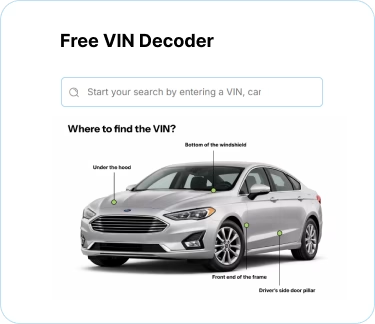
Discover the core features and details of any vehicle with a powerful free VIN decoder
Instantly access accurate specifications such as engine type, transmission, drivetrain, fuel economy, dimensions, and more — all decoded directly from the VIN. Whether you're researching a used car, verifying details before purchase, or exploring what makes a model unique, this tool delivers fast, reliable insights in seconds.
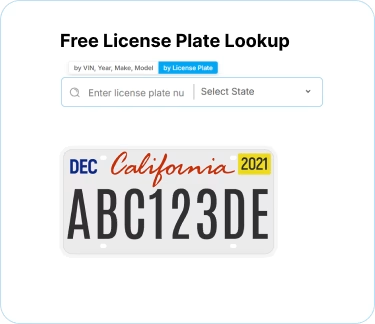
Enter a License Plate to Reveal Vehicle Details Instantly
Just enter a license plate number and state, and get fast access to essential information — including make, model, year, and vehicle history data when available. Whether you're checking a used car or verifying ownership details, our system pulls from trusted databases to deliver accurate, up-to-date results. No VIN? No problem — start your search with a plate.
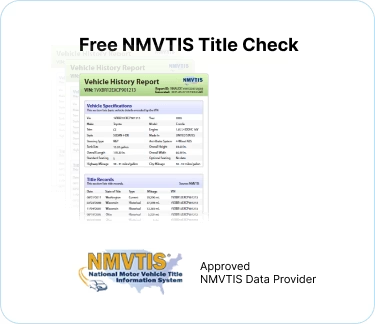
Check title history, salvage check, and more
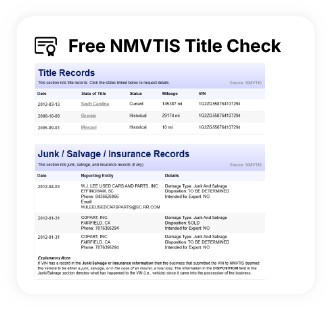
Access trusted, government-backed vehicle history data with our NMVTIS Title Report. The National Motor Vehicle Title Information System (NMVTIS) helps protect consumers by providing key details about a vehicle's title status, current and historical states of registration, odometer readings, and potential branding like salvage, junk, or flood damage.
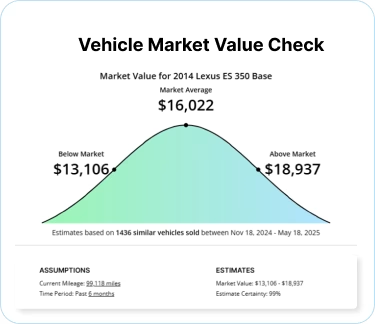
Check Your Car's Value Instantly
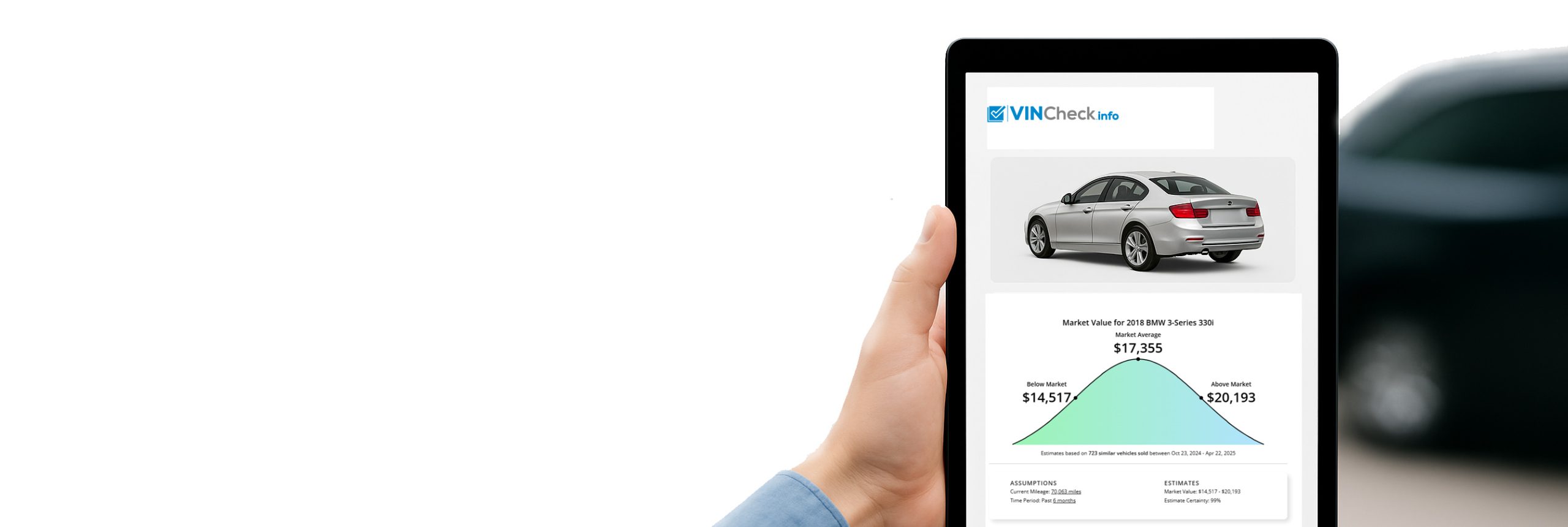
Get a realistic view of what a vehicle is worth with our Market Value tool. Using real-time data from vehicle listings, pricing guides, and market trends, we estimate the fair value of any car based on its make, model, year, mileage, and condition.
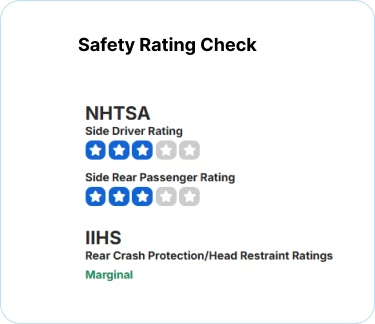
Find Out How Your Vehicle Ranks in Safety
Our safety ratings are based on data from trusted sources like NHTSA and IIHS. These organizations conduct rigorous crash tests and evaluate vehicle performance in the following areas: frontal crash, side crash, rollover resistance, and crash avoidance & mitigation.
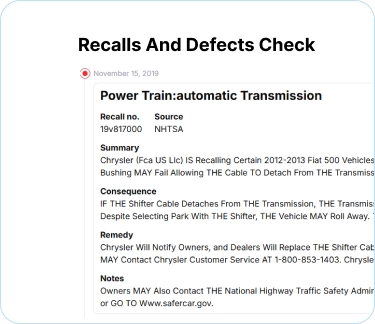
Check Manufacturer-issued defect notices
Check for any open recalls, manufacturer defects, or safety issues that could affect the performance or reliability of the vehicle. This information comes directly from official government databases and automakers.
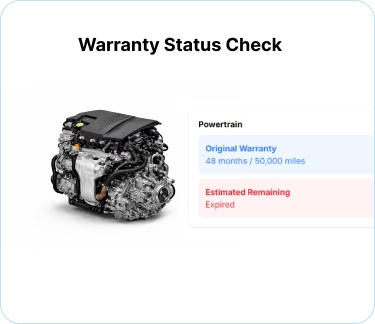
Check if the Warranty Still Active
Before buying a used car or planning major repairs, it's important to check the vehicle's current warranty status. Whether it's factory coverage or an extended service contract, knowing what's still active can save you thousands in unexpected costs.
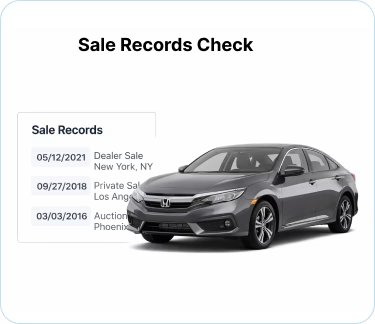
See the Sales History of Any Vehicle
Sales records give insight into a vehicle's past, including how many times it changed hands and whether it was part of a dealership trade-in, private sale, or auction.
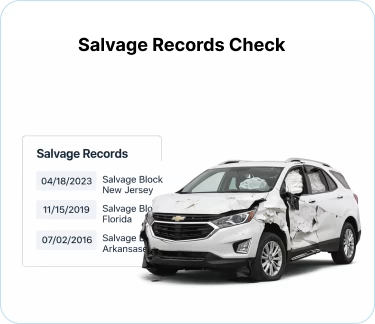
Salvage Check
A salvage title indicates the vehicle was declared a total loss by an insurance company due to severe damage, theft, or other major issues.
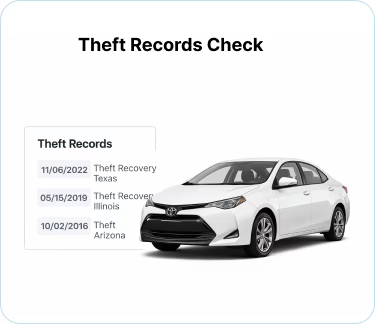
Theft Check
A theft record indicates the vehicle was reported stolen, which can raise concerns about its history, authenticity, or title status.
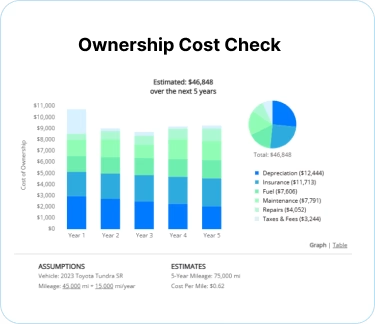
Know what to expect beyond the sticker price
From fuel and maintenance to insurance and depreciation, get a clear breakdown of the real costs of owning a vehicle.
Hear from real drivers before you decide
Get real-world insights from the people who know best — the owners. Learn about long-term reliability, fuel economy, comfort, performance, and maintenance costs from real people.
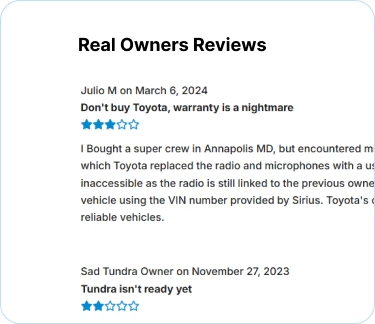
Common Issues You Should Know About
Our tool highlights frequent issues by make, model, and year so you can spot red flags before they become your problem.
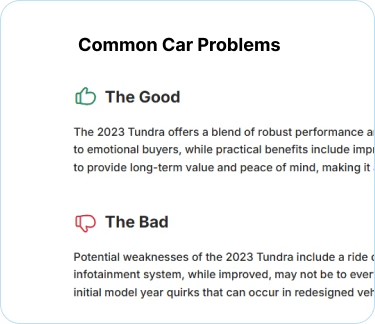
How to Run a Free VIN Check in 3 Easy Steps
VinCheck.info provides free access to comprehensive vehicle information sourced from trusted channels. Users can lookup and search for vehicle records by VIN, regardless of the make or model, across all 50 states in under a minute, absolutely free!
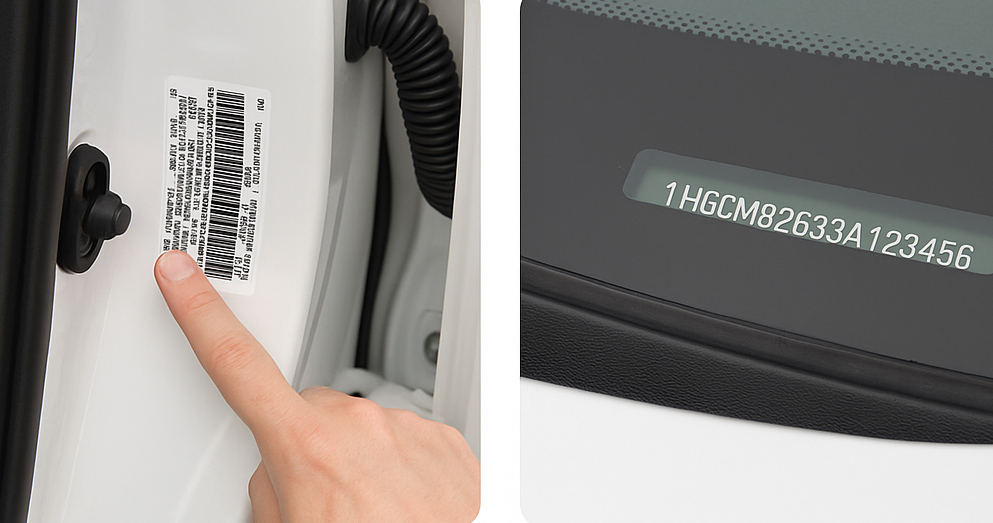
Step 1: Look for the VIN
It is typically found on the inside of the driver’s door jamb, the dashboard near the windshield, or vehicle documents..
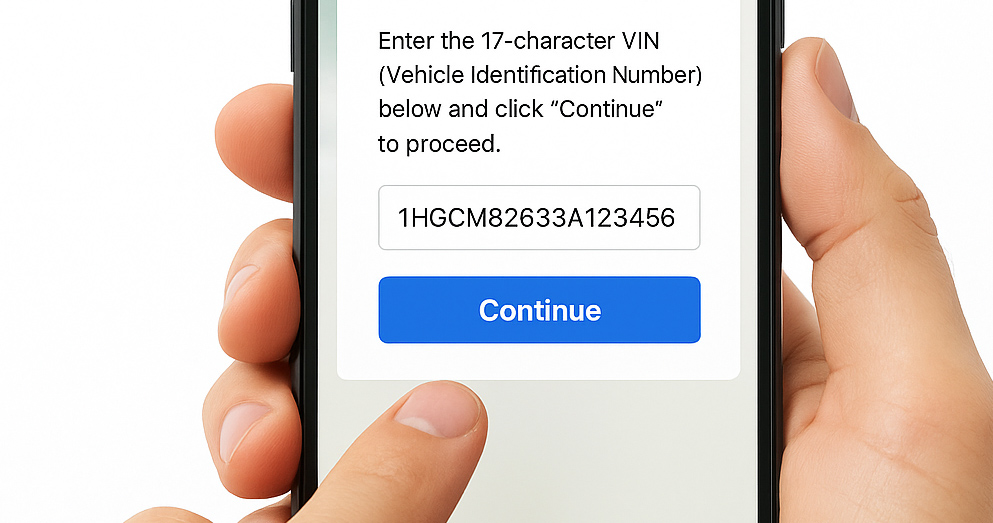
Step 2: Start the VIN search
Enter the VIN into the search box and let the system find matching vehicle records.
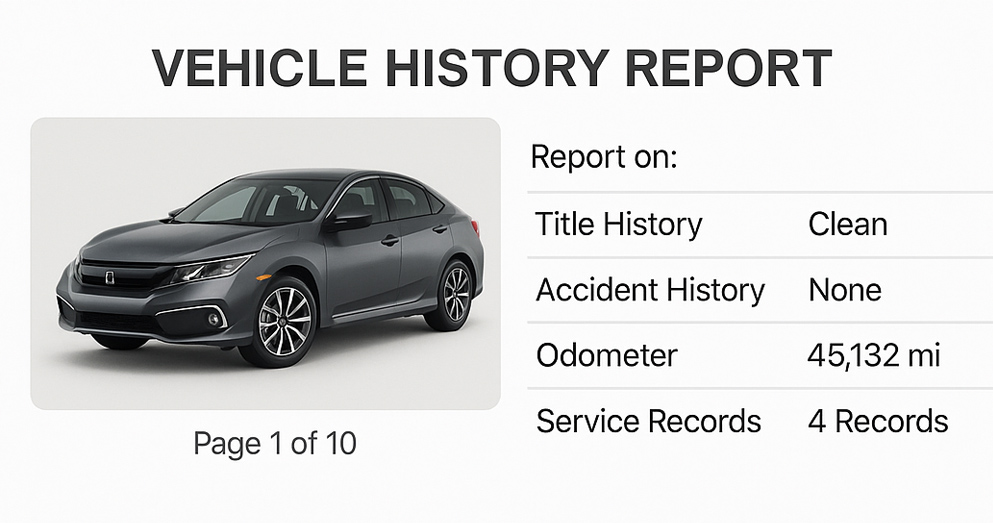
Step 3: Get Vehicle History
Browse the report to review core vehicle details, title history, recalls, and other important signals.
Used Vehicle Reviews and Buying Insights
Our used vehicle reviews combine expert insights, real consumer feedback from our extensive database, and verified vehicle history reports — all in one place. Whether you’re comparing models or evaluating a specific vehicle, you’ll find detailed analysis on reliability, performance, ownership costs, and resale value. With pros, cons, and real-world experiences at your fingertips, you get a complete picture before you buy.
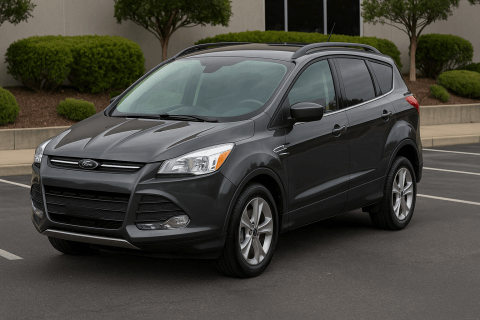


2021 Ford Expedition Review: Reliable Large SUV With Some Higher Ownership Costs As It Ages

2016 Honda Odyssey Review: Well-Made & Spacious Minivan With No Major Mechanical Problems
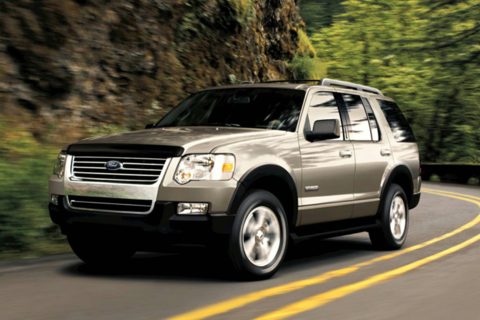
2007 Ford Explorer Review: A Bad Year Buyers Should Avoid With Expensive Mechanical Problems
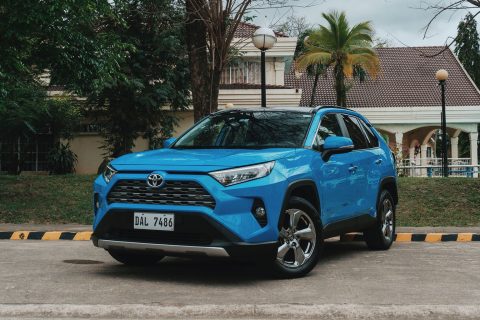
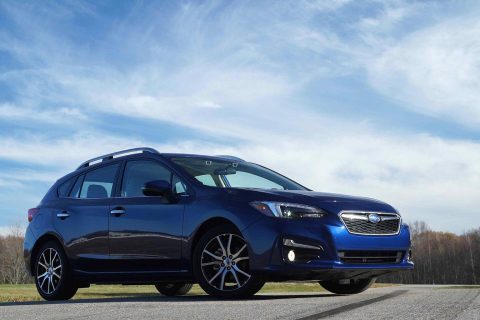
2017 Subaru Impreza Review: Dependable & Comfortable Compact Car With No Widespread Problems
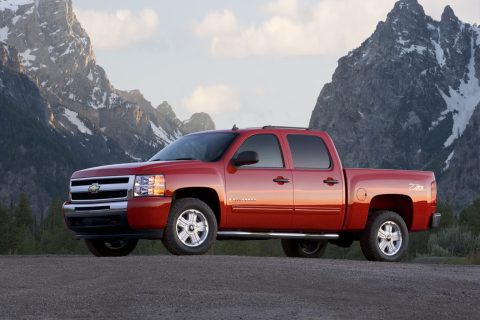
2010 Chevrolet Silverado 1500 Review: A Dependable Half-Ton Truck With An Average Price Tag
Our Commitment to You
At VinCheck.info, our mission is to deliver free, accurate, and transparent vehicle history information to every user. We believe that access to essential car data shouldn’t come at a price — so we’ve made it our goal to provide reliable reports at no cost.
Whether you’re researching a used car or verifying a VIN, we’re here to empower your decisions with trustworthy data, real ownership insights, and easy-to-understand reports — all designed to help you buy with confidence.
Reliable Data Sources
We gather data from government agencies, industry partners, and trusted automotive sources to ensure the information you receive is credible, up-to-date, and meaningful.
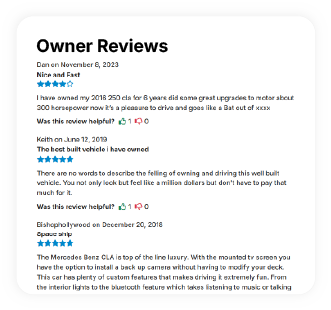
Real Owner Reviews
Our database includes insights from real vehicle owners to help you better understand how a car performs in everyday use — beyond just the technical specs.
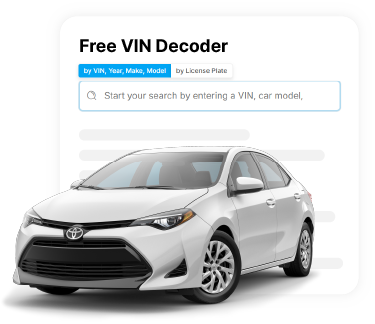
Comprehensive & Infomative
VinCheck.info reports are designed to be clear and comprehensive. We simplify complex data — title checks, accident history, recalls, and more — so you can review everything you need in just minutes.
Browse By Category
Looking for a specific type of vehicle? Explore our listings by category to quickly find the style that fits your needs — from practical sedans and spacious SUVs to sporty coupes and rugged trucks. Start your search by selecting a category below.







Browse By Manufacturer
Find detailed information on vehicles from all major automakers. Whether you’re researching a specific brand or comparing multiple manufacturers, explore our database to view specs, reviews, common issues, and more — all organized by manufacturer for easy access.

































Frequently Asked Questions
What is a VIN?
Where can I find the VIN?
- On the dashboard (driver’s side)
- Inside the driver’s door jamb
- On vehicle registration, title, or insurance documents
Why does it say "Invalid VIN"?
- It contains typos or incorrect characters (e.g., I, O, Q are never used)
- It’s not exactly 17 characters long
- On vehicle registration, title, or insurance documents
Double-check for accuracy before running the search.
What is a VIN check?
What are the limitations of free VIN lookup services?
VIN decoder vs. VIN check—what's the difference?
Is it legal to perform a VIN check?
Who should run a VIN lookup?
Can a VIN lookup show the names of previous owners?
What can a free vehicle history report tell me?
- vehicle specifications
- equipment details
- market value
- fuel efficiency
- safety rating
- inspection checklist
- recalls and defects
- auto insurance information