
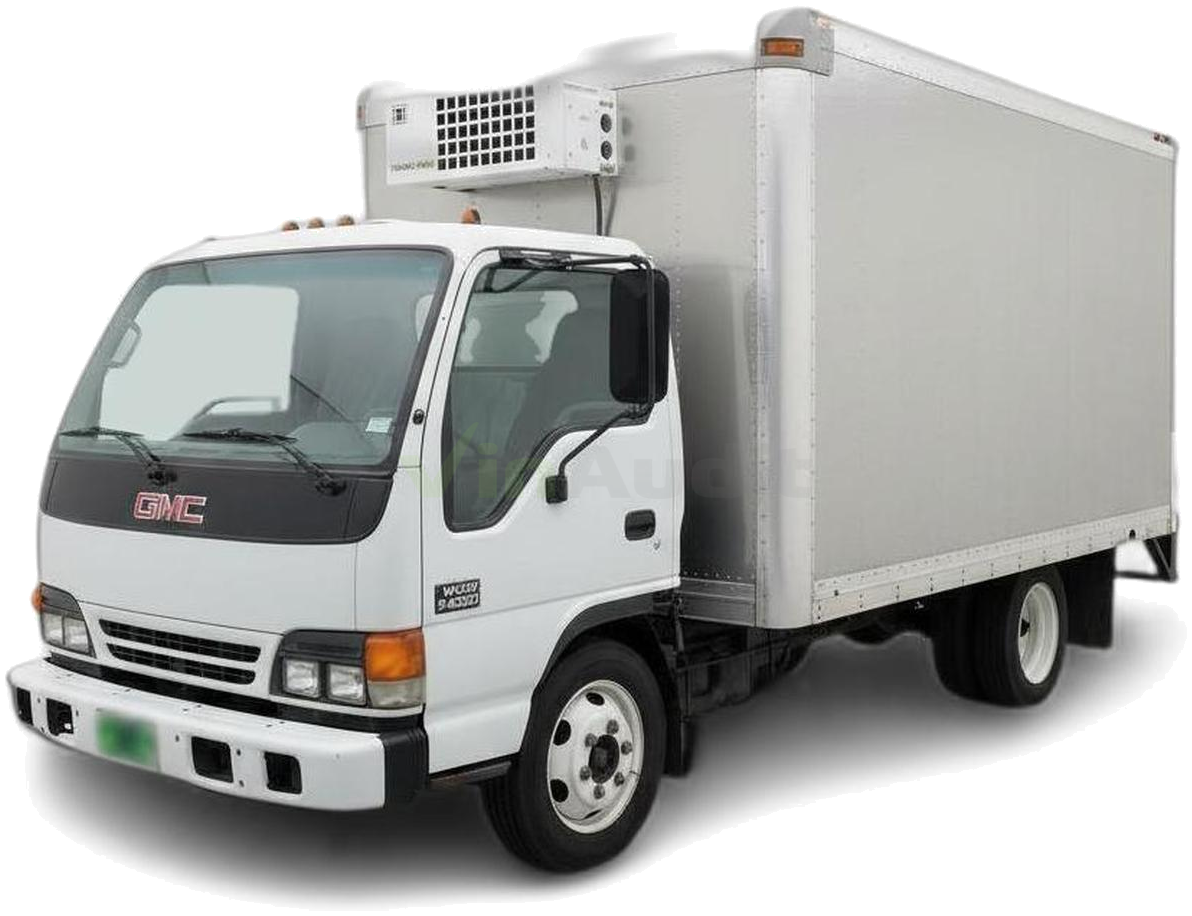
The 2002 GMC W35042 is a chassis cab truck, part of GMC's medium-duty lineup, primarily serving commercial and vocational needs. While specific model years for the W35042 can vary within broader W-Series generations, this model was a robust workhorse. Key trims often revolved around engine and drivetrain configurations. New pricing was typically in the $20,000-$30,000 range, varying significantly with upfitting. Its popularity stems from its heavy-duty construction, versatile platform for customization, and GMC's reputation for durability.
The Good
The 2002 GMC W35042 excels in raw capability and unwavering reliability, offering a no-nonsense, dependable platform for demanding tasks. Its sturdy design inspires confidence for hard work, while its straightforward nature appeals to those valuing practicality and long-term value over luxury.
The Bad
Potential owners should watch for signs of extensive commercial use, such as worn interiors and drivetrain fatigue. Older models might exhibit rust, especially in harsh climates, and the basic interior amenities might feel dated compared to modern vehicles.
2002 GMC W35042: Quick Overview
- Engine Options: The 2002 GMC W35042 typically offered a range of robust gasoline and diesel engines designed for commercial duty.
- Gasoline: Common options included V8 engines like the 5.7L Vortec 350 V8 and potentially larger displacement options for increased power.
- Diesel: Duramax diesel engines, known for their torque and fuel efficiency in heavy applications, were also available, such as the 6.6L Duramax V8.
- Horsepower: Horsepower varied significantly based on the engine choice and model year. Gasoline V8s generally produced between 200-250 horsepower, while the Duramax diesel could offer upwards of 230-250 horsepower with substantial torque.
- Fuel Economy: Fuel economy for a vehicle of this class and vintage is not a primary focus and can be quite poor, especially when loaded or towing. Expect figures in the single digits to low teens miles per gallon (MPG) depending on the engine, transmission, and payload.
- 0-60 Times: 0-60 mph times are generally not published for commercial chassis trucks as they are not designed for spirited acceleration. Performance is geared towards hauling and utility.
- Towing Capacity: Towing capacity is a strong suit, but depends heavily on the specific chassis configuration, engine, and axle ratios. These trucks are designed to tow substantial loads, often in the 10,000-20,000+ pound range when properly equipped and upfitted.
- Trim-Level Features: Trim levels were less about luxury and more about functionality and Gross Vehicle Weight Ratings (GVWR). Standard features would be basic and utilitarian, focused on durability and ease of maintenance.
- Standard: Heavy-duty frame, robust suspension, power steering, power brakes, durable interior materials, basic instrumentation.
- Optional: Air conditioning, upgraded audio systems (though basic), cruise control, various PTO (Power Take-Off) options for auxiliary equipment, different axle ratios, and specialized body upfits (e.g., flatbed, service body, dump bed).
2002 GMC W35042 Specifications
Vehicle Information
| Year | 2002 |
| Make | GMC |
| Model | W35042 |
| Trim | - |
| Style | - |
| Type | Truck |
| Category | Heavy Truck |
Manufacturing Details
| Made In | Japan |
| Manufacturing City | FUJISAWA |
Dimensions
| Doors | - |
| Curb Weight | - |
| Gross Vehicle Weight Rating | 14000 pounds |
| Overall Height | - |
| Overall Length | - |
| Overall Width | - |
| Wheelbase Length | - |
| Standard Seating | - |
Engine & Performance
| Engine | 4.8L L4 TURBO DIESEL |
| Engine Size | 4.8L |
| Engine Cylinders | 4 |
| Transmission | - |
| Transmission Type | - |
| Transmission Speeds | - |
| Drivetrain | Rear-Wheel Drive |
Additional Features
| Anti-Brake System | - |
| Steering Type | - |
Pricing
| Manufacturer Suggested Retail Price (MSRP) | - |
| Invoice Price | - |
| Delivery Charges | - |
Vehicle History Report
Vehicle
Specifications
Specifications
Ownership
History
History
All History
Events
Events
NMVTIS Title
History Check
History Check
Salvage/Rebuilt
Check
Check
Accident
Check
Check
Theft
Check
Check
Open Lien
Check
Check
Past Sale
Listings
Listings
Safety
Recalls
Recalls
Odometer
Check
Check
Market Price
Analysis
Analysis
What Problems Does the 2002 GMC W35042 Have?
The 2002 GMC W35042, as a medium-duty truck, generally benefits from robust construction, leading to good long-term reliability when properly maintained. However, like any vehicle, especially those used for commercial purposes, certain issues can arise over time.
A common concern across many heavy-duty vehicles of this era, including GMC trucks, is the potential for rust, particularly in areas exposed to road salt and moisture. Frame rails, wheel wells, and cab corners are areas to inspect closely.
Regarding engine and drivetrain, the Duramax diesel engines, while powerful and generally reliable, can be susceptible to issues such as injector problems or turbocharger wear if not maintained with appropriate oil changes and fuel. Early versions of the Duramax in this period might have had some specific TSBs (Technical Service Bulletins) related to emissions or engine management, but widespread critical failures are not as common as in some other diesel platforms. Gasoline V8 engines from GM are typically robust, but wear and tear on components like intake manifold gaskets, spark plug wires, and exhaust systems can occur.
Transmission issues, particularly with automatic transmissions, can manifest as slipping or delayed engagement, often due to fluid degradation or internal wear from heavy use. Manual transmissions are generally very durable but clutch wear is a factor of usage.
Suspension and brake components will experience wear proportionate to the vehicle's workload. Leaf springs can sag under heavy loads, and brake pads and rotors will require frequent replacement. Steering components can also develop play over time with heavy use.
While specific major recalls for the 2002 W35042 might not be extensively documented compared to passenger vehicles, it's always advisable to check with the NHTSA (National Highway Traffic Safety Administration) database for any outstanding safety recalls applicable to this model and its specific configuration. Overall, the reliability hinges heavily on its history of use and the diligence of its maintenance. A well-maintained W35042 can far outlast a neglected one.
A common concern across many heavy-duty vehicles of this era, including GMC trucks, is the potential for rust, particularly in areas exposed to road salt and moisture. Frame rails, wheel wells, and cab corners are areas to inspect closely.
Regarding engine and drivetrain, the Duramax diesel engines, while powerful and generally reliable, can be susceptible to issues such as injector problems or turbocharger wear if not maintained with appropriate oil changes and fuel. Early versions of the Duramax in this period might have had some specific TSBs (Technical Service Bulletins) related to emissions or engine management, but widespread critical failures are not as common as in some other diesel platforms. Gasoline V8 engines from GM are typically robust, but wear and tear on components like intake manifold gaskets, spark plug wires, and exhaust systems can occur.
Transmission issues, particularly with automatic transmissions, can manifest as slipping or delayed engagement, often due to fluid degradation or internal wear from heavy use. Manual transmissions are generally very durable but clutch wear is a factor of usage.
Suspension and brake components will experience wear proportionate to the vehicle's workload. Leaf springs can sag under heavy loads, and brake pads and rotors will require frequent replacement. Steering components can also develop play over time with heavy use.
While specific major recalls for the 2002 W35042 might not be extensively documented compared to passenger vehicles, it's always advisable to check with the NHTSA (National Highway Traffic Safety Administration) database for any outstanding safety recalls applicable to this model and its specific configuration. Overall, the reliability hinges heavily on its history of use and the diligence of its maintenance. A well-maintained W35042 can far outlast a neglected one.
How long will the 2002 GMC W35042 last?
The 2002 GMC W35042, built with commercial-grade components, is designed for longevity. With regular and diligent maintenance, including timely oil changes, fluid checks, and addressing minor issues promptly, these trucks can easily surpass 200,000 miles and continue serving for 15-20 years or more. Many are used in fleet operations where mileage accumulation is rapid, often exceeding 25,000-30,000 miles per year. Durability is a strong suit, with the chassis, engine, and transmission built to withstand significant abuse. However, its long-term weaknesses are primarily related to environmental factors like rust, especially on the frame and body panels in corrosive climates, and wear-and-tear items such as suspension components, brakes, and potential engine accessory failures if neglected. The lifespan is heavily dependent on the severity of its work and the owner's commitment to upkeep.
What Technology & Safety Features are Included?
The 2002 GMC W35042 prioritizes function over flashy technology, reflecting its commercial purpose. Built-in tech, entertainment, and driver-assistance features are minimal to none by modern standards. The focus is on operational essentials.
Technology & Entertainment: Standard entertainment typically consisted of a basic AM/FM radio, possibly with a cassette player or a single-disc CD player in higher optioned models. Auxiliary inputs and Bluetooth connectivity were nonexistent. The instrument cluster would display essential driving information like speed, RPM, fuel level, oil pressure, and coolant temperature, with warning lights for critical systems.
Driver-Assistance Features: Advanced driver-assistance systems (ADAS) like adaptive cruise control, lane departure warning, or blind-spot monitoring were not available. The primary driver assistance was power steering and power brakes, making the vehicle more manageable to operate, especially under load. ABS (Anti-lock Braking System) was likely standard on this model for improved braking control.
Safety Features: Standard safety features were basic. This would include seatbelts, a sturdy cab structure designed for durability, and the aforementioned ABS. Airbags for the driver and front passenger were generally standard for this era. More advanced safety features like electronic stability control were not common in this class of vehicle at the time.
Optional Features: Depending on the specific configuration and dealer options, a customer could have added air conditioning, a tilt steering wheel, cruise control, and potentially a more robust audio system. For vocational use, the most significant optional features would have been related to power take-off (PTO) systems, auxiliary electrical outputs, and specialized body upfits designed for specific trades (e.g., utility bodies, dump beds, tow trucks).
Crash-Test Ratings: Specific crash-test ratings for commercial chassis trucks like the 2002 GMC W35042 are not typically conducted or published by organizations like the IIHS or NHTSA in the same way they are for light-duty passenger vehicles. The design philosophy for these trucks emphasizes robust construction and occupant protection in a heavy-duty environment rather than standardized crash performance metrics.
Technology & Entertainment: Standard entertainment typically consisted of a basic AM/FM radio, possibly with a cassette player or a single-disc CD player in higher optioned models. Auxiliary inputs and Bluetooth connectivity were nonexistent. The instrument cluster would display essential driving information like speed, RPM, fuel level, oil pressure, and coolant temperature, with warning lights for critical systems.
Driver-Assistance Features: Advanced driver-assistance systems (ADAS) like adaptive cruise control, lane departure warning, or blind-spot monitoring were not available. The primary driver assistance was power steering and power brakes, making the vehicle more manageable to operate, especially under load. ABS (Anti-lock Braking System) was likely standard on this model for improved braking control.
Safety Features: Standard safety features were basic. This would include seatbelts, a sturdy cab structure designed for durability, and the aforementioned ABS. Airbags for the driver and front passenger were generally standard for this era. More advanced safety features like electronic stability control were not common in this class of vehicle at the time.
Optional Features: Depending on the specific configuration and dealer options, a customer could have added air conditioning, a tilt steering wheel, cruise control, and potentially a more robust audio system. For vocational use, the most significant optional features would have been related to power take-off (PTO) systems, auxiliary electrical outputs, and specialized body upfits designed for specific trades (e.g., utility bodies, dump beds, tow trucks).
Crash-Test Ratings: Specific crash-test ratings for commercial chassis trucks like the 2002 GMC W35042 are not typically conducted or published by organizations like the IIHS or NHTSA in the same way they are for light-duty passenger vehicles. The design philosophy for these trucks emphasizes robust construction and occupant protection in a heavy-duty environment rather than standardized crash performance metrics.
What Colors Options are Available?
2002 GMC W35042 Prices and Market Value
When new, the 2002 GMC W35042 chassis cab likely had a base price ranging from approximately $20,000 to $30,000, but this figure would significantly increase with engine upgrades, drivetrain options, and especially with the cost of any custom body upfits. Depreciation for a commercial vehicle like this is different from a passenger car; its value is tied more to its utility and condition than its age. Heavily used or abused examples can depreciate rapidly, while well-maintained units with desirable upfits (like a service body or dump bed) can retain a significant portion of their value. Currently, used market prices for the 2002 W35042 can range broadly from $3,000 for rougher, higher-mileage examples to $15,000-$20,000 or more for well-kept models with sought-after configurations and lower mileage. Resale value is heavily influenced by the condition of the chassis, engine, transmission, the presence and quality of any installed vocational equipment, and its operational history.
2002 GMC W35042 Cost of Ownership
Owning a 2002 GMC W35042 is generally not an economical choice for a personal vehicle. Insurance premiums can be higher than for light-duty trucks due to its commercial nature. Fuel costs are substantial, with thirsty gasoline engines and even the diesel variants offering modest MPG, especially when loaded. Maintenance and repair costs are also considerable; parts are typically more expensive than for passenger cars, and specialized mechanics may be required for diesel engines or complex upfits. While durable, eventual repairs on major components like engines or transmissions can be costly. Overall, it's a costly vehicle to own if not used for its intended commercial purpose.
2002 GMC W35042 Fuel Efficiency
Fuel Type
Diesel
Fuel Capacity
-
City Mileage
-
Highway Mileage
-
2002 GMC W35042 Warranty
Basic
Original warranty
0 months / No data
Estimated remaining
Expired
Powertrain
Original warranty
0 months / No data
Estimated remaining
Expired
Rust
Original warranty
0 months / No data
Estimated remaining
Expired
2002 GMC W35042 Insurance
Insurance for a 2002 GMC W35042 is moderately priced, reflecting its status as a Truck with strong safety ratings and
reasonable repair costs.
How Does the 2002 GMC W35042 Compare to Other Truck?
The 2002 GMC W35042 competes in the medium-duty commercial chassis market, facing strong rivals such as the Ford F-Series Super Duty Chassis Cab, Dodge Ram Chassis Cab (later Ram Trucks), and potentially Isuzu NPR models.
Performance: In terms of raw performance for work, the W35042, particularly with the Duramax diesel, offered competitive torque and towing capabilities. Rivals like the Ford Super Duty with their Power Stroke diesel engines provided similar or superior power outputs. Gasoline V8s from GM were robust but might have lagged behind the larger V10s offered by Ford in certain heavy-duty applications.
Features: As a commercial truck from 2002, features were basic across the board. GMC generally offered a no-frills, functional interior focused on durability. Rivals also emphasized utility. Ford might have offered slightly more creature comforts or available options in higher trims of their Super Duty line, but the core purpose remained work. Isuzu NPRs, often diesel-powered, were known for their maneuverability and straightforward diesel technology.
Reliability: GMC had a solid reputation for building durable trucks. The Duramax diesel, though having some early-life issues across the industry, proved to be a strong performer. Ford's Power Stroke engines of this era also had their share of issues, but overall, both GMC and Ford offered reliable platforms for commercial use. Isuzu is renowned for its diesel engine longevity.
Price: New pricing was competitive within the segment, with individual configurations and upfitting driving most costs. Used pricing varies greatly based on condition and specific vocational application.
Alternatives: For similar capability, the Ford F-650/F-750 (larger class but often compared for heavy work) would offer more power and capacity, but at a higher cost and complexity. A **Ford F-350/F-450 Super Duty Chassis Cab** from the same era is a very close competitor, offering comparable powerplants and chassis strength. For those prioritizing Japanese engineering and specific diesel efficiency, an **Isuzu NPR** could be a viable alternative, though often with a different driving feel and smaller cabin dimensions. For most users seeking a robust, American-made chassis cab of this size and vintage, the GMC W35042 remains a capable choice, with the Ford Super Duty Chassis Cab being its most direct and comparable rival.
Performance: In terms of raw performance for work, the W35042, particularly with the Duramax diesel, offered competitive torque and towing capabilities. Rivals like the Ford Super Duty with their Power Stroke diesel engines provided similar or superior power outputs. Gasoline V8s from GM were robust but might have lagged behind the larger V10s offered by Ford in certain heavy-duty applications.
Features: As a commercial truck from 2002, features were basic across the board. GMC generally offered a no-frills, functional interior focused on durability. Rivals also emphasized utility. Ford might have offered slightly more creature comforts or available options in higher trims of their Super Duty line, but the core purpose remained work. Isuzu NPRs, often diesel-powered, were known for their maneuverability and straightforward diesel technology.
Reliability: GMC had a solid reputation for building durable trucks. The Duramax diesel, though having some early-life issues across the industry, proved to be a strong performer. Ford's Power Stroke engines of this era also had their share of issues, but overall, both GMC and Ford offered reliable platforms for commercial use. Isuzu is renowned for its diesel engine longevity.
Price: New pricing was competitive within the segment, with individual configurations and upfitting driving most costs. Used pricing varies greatly based on condition and specific vocational application.
Alternatives: For similar capability, the Ford F-650/F-750 (larger class but often compared for heavy work) would offer more power and capacity, but at a higher cost and complexity. A **Ford F-350/F-450 Super Duty Chassis Cab** from the same era is a very close competitor, offering comparable powerplants and chassis strength. For those prioritizing Japanese engineering and specific diesel efficiency, an **Isuzu NPR** could be a viable alternative, though often with a different driving feel and smaller cabin dimensions. For most users seeking a robust, American-made chassis cab of this size and vintage, the GMC W35042 remains a capable choice, with the Ford Super Duty Chassis Cab being its most direct and comparable rival.
Final Verdict: Is the 2002 GMC W35042 a Good Truck?
The 2002 GMC W35042 is ideal for small businesses, tradespeople, municipalities, or individuals who require a rugged, customizable platform for specific vocational tasks. It is absolutely not suited for daily commuting or personal transport if comfort and fuel economy are priorities.
It is worth buying if found in good condition with a documented maintenance history, particularly if it has a desirable and functional upfit like a service body or a flatbed. Buying new is impractical as this model is discontinued. The best approach is to purchase a well-maintained used model. Focus on inspecting the chassis for rust, checking the powertrain for signs of abuse, and ensuring any vocational equipment functions correctly. Prioritize models with the Duramax diesel for better torque and potential fuel efficiency in heavy work applications. It represents good value for its intended purpose, offering robust capability at a lower cost than newer commercial trucks.