
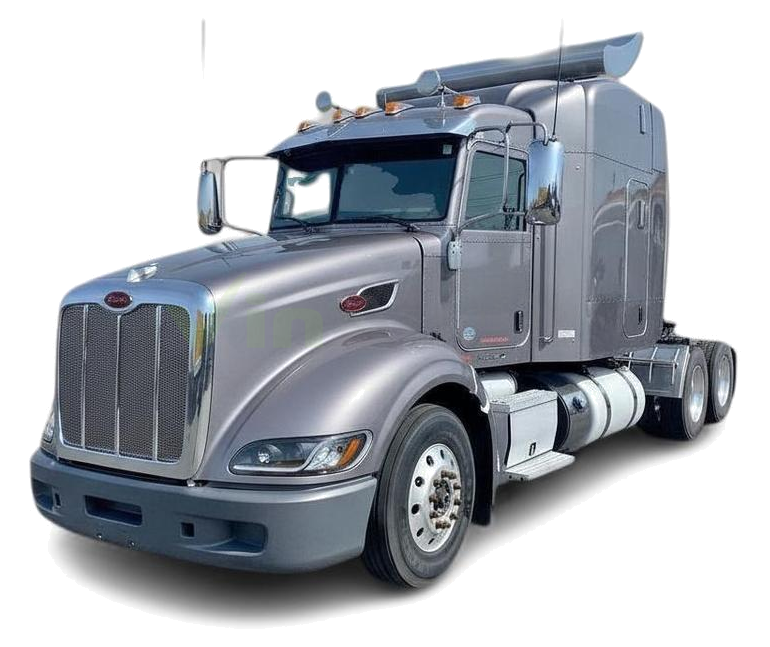
The Good
The 2012 Peterbilt 386 excels in fuel efficiency and driver comfort, offering a premium cabin experience. Its robust construction and reliable powertrain appeal to practical buyers, while its iconic, aerodynamic styling and refined ride satisfy emotional desires for a prestigious and capable truck.
The Bad
Potential buyers of the 2012 Peterbilt 386 should be aware of possible issues with the diesel particulate filter (DPF) system, especially if driven primarily in stop-and-go conditions. Electrical gremlins and wear on interior components in high-mileage units are also points to scrutinize.
2012 Peterbilt 386: Quick Overview
- Engine Options: The 2012 Peterbilt 386 typically came equipped with PACCAR PX-8 and PX-9 engines, as well as Cummins ISX engines.
- Horsepower: Engine options generally ranged from 335 horsepower to over 550 horsepower, depending on the specific engine chosen and vocational application.
- Fuel Economy: Precise EPA ratings are not typically provided for Class 8 trucks. However, the 386 was designed with aerodynamics and efficient powertrains to maximize fuel economy, with real-world MPG varying significantly based on load, terrain, driving style, and engine configuration. Owners often report figures in the range of 5-8 MPG.
- 0-60 Times: 0-60 mph times are not a standard metric for heavy-duty trucks as they are designed for sustained hauling rather than rapid acceleration.
- Towing Capacity: The towing capacity is highly dependent on the truck's configuration, axle ratings, and chassis specifications. As a Class 8 truck, the Peterbilt 386 is built for heavy-duty hauling, with typical Gross Combination Weight Ratings (GCWR) often exceeding 80,000 pounds and capable of much more in specialized applications, easily handling tractor-trailer loads.
- Trim-Level Features: While not having traditional "trims" like passenger cars, the 386 offered various configurations and options focused on vocational use and driver comfort. Key features included:
- Aerodynamic hood and chassis design for improved fuel efficiency.
- Multiple sleeper configurations (e.g., 48-inch, 63-inch, 72-inch) offering living space for long-haul drivers.
- High-quality interior materials with options for premium seating, enhanced insulation for noise reduction, and advanced climate control.
- Advanced diagnostics and customizable instrumentation.
- Optional features could include premium sound systems, refrigerators, auxiliary heaters, and various power take-off (PTO) options for vocational applications.
- Various axle and suspension configurations to suit different hauling needs.
2012 Peterbilt 386 Specifications
Vehicle Information
| Year | 2012 |
| Make | Peterbilt |
| Model | 386 |
| Trim | - |
| Style | - |
| Type | Truck |
| Category | Medium Truck |
Manufacturing Details
| Made In | United States |
| Manufacturing City | DENTON |
Dimensions
| Doors | - |
| Curb Weight | - |
| Gross Vehicle Weight Rating | 52000 pounds |
| Overall Height | - |
| Overall Length | - |
| Overall Width | - |
| Wheelbase Length | - |
| Standard Seating | - |
Engine & Performance
| Engine | 14.9L I6 |
| Engine Size | 14.9L |
| Engine Cylinders | 6 |
| Transmission | Manual 10-speed |
| Transmission Type | Manual |
| Transmission Speeds | 10-Speed |
| Drivetrain | 6x4 |
Additional Features
| Anti-Brake System | - |
| Steering Type | - |
Pricing
| Manufacturer Suggested Retail Price (MSRP) | - |
| Invoice Price | - |
| Delivery Charges | - |
Vehicle History Report
Specifications
History
Events
History Check
Check
Check
Check
Check
Listings
Recalls
Check
Analysis
What Problems Does the 2012 Peterbilt 386 Have?
Another area to watch for can be the complex electrical systems. While generally robust, issues with sensors, wiring harnesses, or control modules can surface over time, potentially leading to intermittent faults or warning lights. For the 2012 model year specifically, there were occasional recalls issued by Peterbilt and its component suppliers. These often related to braking system components, steering linkages, or certain electrical connectors, designed to address potential safety concerns. It's crucial for prospective buyers to review the vehicle's service history and any recall notices that may have been issued for that specific VIN.
Furthermore, as with any heavy-duty truck that sees extensive use, wear and tear on drivetrain components (engine, transmission, differential) is to be expected. The longevity of these major components is heavily influenced by the quality of maintenance performed. Regular fluid changes, filter replacements, and adherence to the manufacturer's service intervals are paramount for mitigating long-term reliability concerns. While specific widespread issues tied exclusively to the 2012 model year are not heavily documented beyond general emissions system considerations, proactive inspection of these key areas is recommended.
How long will the 2012 Peterbilt 386 last?
What Technology & Safety Features are Included?
Driver-assistance features were less sophisticated than modern passenger vehicles but included essential systems for heavy-duty operation. Anti-lock Braking Systems (ABS) were standard for enhanced stability during braking. Advanced features could include various auxiliary lighting packages for improved visibility in adverse conditions, and depending on the specific configuration, some trucks might have been equipped with electronic stability control systems, though these were not as universally prevalent as they are today.
Safety was paramount in the 386's design, with a reinforced cab structure built to withstand significant impact. High-visibility lighting, durable exterior mirrors, and robust door latches were standard. While formal crash-test ratings like those from NHTSA are not typically published for heavy-duty commercial trucks in the same way as passenger cars, Peterbilt vehicles are engineered to meet or exceed stringent federal safety standards for commercial vehicles. Optional safety upgrades could have included lane departure warning systems on some later production models or specific vocational safety enhancements depending on the intended use of the truck.
What Colors Options are Available?
2012 Peterbilt 386 Prices and Market Value
Currently, the used market prices for a 2012 Peterbilt 386 vary widely based on mileage, condition, engine, and maintenance history. You can expect to find them from around $40,000 to $90,000+. Depreciation is relatively slow for these trucks, especially for well-maintained units with desirable configurations. Factors like remaining engine life, transmission condition, tire wear, and overall cosmetic appearance significantly impact resale value. Trucks with lower mileage and comprehensive service records will always command a premium.
2012 Peterbilt 386 Cost of Ownership
2012 Peterbilt 386 Fuel Efficiency
2012 Peterbilt 386 Recalls & Defects
Fuel System, Other:storage:tank Assembly
Service Brakes, Air:supply:check Valve
Equipment:other:labels
Tires
Electrical System:alternator/Generator/Regulator
Electrical System:alternator/Generator/Regulator
Electronic Stability Control (Esc)
Service Brakes, Air:antilock:abs Warning Light
2012 Peterbilt 386 Warranty
Basic
Powertrain
Rust
2012 Peterbilt 386 Insurance
reasonable repair costs.
How Does the 2012 Peterbilt 386 Compare to Other Truck?
Performance: The Peterbilt 386, often powered by robust PACCAR or Cummins engines, delivers strong performance comparable to its peers. Its aerodynamic design aids in maintaining highway speeds efficiently, a trait shared with the T700 and Cascadia, which also emphasize fuel economy. The ProStar, while capable, sometimes lagged slightly in overall powertrain refinement and fuel efficiency in this model year.
Features: Peterbilt is renowned for its driver-focused interiors, and the 386 is no exception. It offers a high level of comfort, build quality, and quiet operation, often surpassing competitors in cabin aesthetics and driver ergonomics. The T700 is a close competitor in terms of comfort and design, while the Cascadia and ProStar offer more utilitarian, though still functional, cabins.
Reliability: Peterbilt has a long-standing reputation for robust construction and reliability. While all these trucks can face issues, Peterbilt and Kenworth (which share many components and engineering philosophies) are generally considered top-tier for durability and longevity. Freightliner and International are also reliable but may present slightly more varied long-term ownership experiences depending on specific component choices.
Price: The 2012 Peterbilt 386 typically commanded a premium price when new, reflecting its brand prestige and build quality. Used, it generally holds its value well, often being more expensive than a comparable Freightliner Cascadia or International ProStar, and sometimes even a Kenworth T700, due to its desirability.
Recommendations:
- Similar Alternative: The 2012 Kenworth T700 is a very close rival. It shares many PACCAR components and design philosophies, offering comparable performance, comfort, and reliability, often at a slightly more competitive price point in the used market.
- Alternative for Cost-Conscious Buyers: The 2012 Freightliner Cascadia is a strong contender, often providing excellent fuel efficiency and a modern design at a lower acquisition cost, both new and used, though some may find the interior less premium than a Peterbilt.
Final Verdict: Is the 2012 Peterbilt 386 a Good Truck?
It is absolutely worth buying, especially on the used market, provided it has been well-maintained. Buyers should focus on trucks with comprehensive service records, lower mileage for their age, and a thorough inspection, paying close attention to the DPF system and overall powertrain condition. While originally a premium-priced truck, its strong resale value and enduring build quality make it a sound investment for those seeking a dependable and prestigious Class 8 tractor. Avoid units with extensive vocational use or poor maintenance histories.

Jovan
Jovan specializes in interpreting vehicle records and making sense of VIN data. With over 10 years of experience in the automotive data industry, his work ensures that every report is clear, accurate, and useful for car buyers.