The 1993 Harley-Davidson FLSTF, known as the Fat Boy, is an iconic cruiser renowned for its distinctive styling. Introduced in 1990, the FLSTF is part of Harley-Davidson's Softail family, characterized by its hidden rear suspension. Key trims for this era often included the standard FLSTF. New, it ranged from approximately $12,000 to $14,000. Its popularity stems from its retro, masculine aesthetic, drawing inspiration from post-WWII motorcycles, making it a timeless classic.
The Good
The 1993 FLSTF offers a strong V-twin performance feel, robust build quality promising reliability, and a comfortable riding posture for cruising. Its undeniable classic design is a major emotional draw, while its straightforward mechanics offer practical value for ownership.
The Bad
Potential weaknesses include carburetor tuning issues, oil leaks common in older Harley-Davidsons, and the need for regular maintenance. Some owners report vibration at higher speeds and the basic braking system of the era, which may require upgrades for modern performance.
1993 Harley-Davidson FLSTF: Quick Overview
- Engine Options: The 1993 Harley-Davidson FLSTF primarily featured the Evolution (Evo) engine. Specifically, it was equipped with a 1339cc (82 cubic inch) air-cooled, V-twin engine.
- Horsepower: While official horsepower figures were not always prominently advertised by Harley-Davidson in this era, the 1339cc Evo engine typically produced around 50-55 horsepower.
- Torque: The engine was known for its strong low-end torque, usually in the range of 65-70 ft-lbs, which is characteristic of Harley-Davidson cruisers and provides a satisfying pull off the line.
- Fuel Economy: Fuel economy for the 1993 FLSTF was generally in the range of 35-45 miles per gallon (MPG), depending on riding conditions and throttle input.
- 0-60 Times: Acceleration figures were not a primary focus for this model. A 0-60 mph time would typically fall in the 5-6 second range, which is respectable for its class and era, emphasizing a relaxed cruising experience over outright speed.
- Towing Capacity: The FLSTF is a cruiser motorcycle and is not designed or equipped for towing. Towing capacity is not applicable.
- Trim-Level Features: The 1993 FLSTF was offered in the "Fat Boy" trim. Key features included:
- Distinctive 1940s styling cues, including a teardrop fuel tank and a broad, flat handlebar.
- Polished stainless steel bodywork and chrome accents.
- Solid aluminum disc wheels, often referred to as "billet" wheels, contributing to its iconic look.
- Front and rear suspension designed to mimic a rigid frame appearance (Harley-Davidson's Softail design).
- A single-seat setup, though accessory seats were widely available.
- Harley-Davidson's reliable Evolution engine, known for its strong character and broad torque band.
- Wide, comfortable handlebars and floorboards for rider comfort.
- Disc brakes front and rear.
1993 Harley-Davidson FLSTF Specifications
Vehicle Information
| Year | 1993 |
| Make | Harley-Davidson |
| Model | FLSTF |
| Trim | - |
| Style | - |
| Type | Motorcycle |
| Category | Motorcycle |
Manufacturing Details
| Made In | United States |
| Manufacturing City | YORK |
Dimensions
| Doors | - |
| Curb Weight | - |
| Gross Vehicle Weight Rating | - |
| Overall Height | - |
| Overall Length | - |
| Overall Width | - |
| Wheelbase Length | - |
| Standard Seating | - |
Engine & Performance
| Engine | 1340CC |
| Engine Size | 1340L |
| Engine Cylinders | 2 |
| Transmission | - |
| Transmission Type | - |
| Transmission Speeds | - |
| Drivetrain | - |
Additional Features
| Anti-Brake System | - |
| Steering Type | - |
Pricing
| Manufacturer Suggested Retail Price (MSRP) | - |
| Invoice Price | - |
| Delivery Charges | - |
Vehicle History Report
Vehicle
Specifications
Specifications
Ownership
History
History
All History
Events
Events
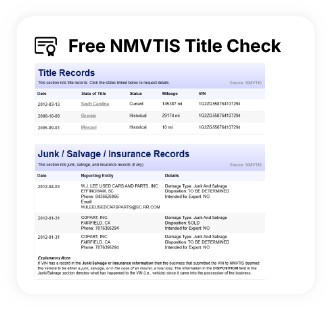
NMVTIS Title
History Check
History Check
Salvage/Rebuilt
Check
Check
Accident
Check
Check
Theft
Check
Check
Open Lien
Check
Check
Past Sale
Listings
Listings
Safety
Recalls
Recalls
Odometer
Check
Check
Market Price
Analysis
Analysis
What Problems Does the 1993 Harley-Davidson FLSTF Have?
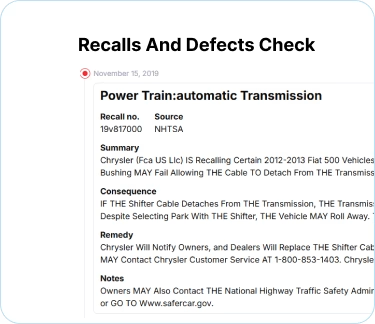
The 1993 Harley-Davidson FLSTF, like many motorcycles of its vintage, can exhibit common issues related to age and mileage. One frequently reported concern is the potential for oil leaks. These can originate from various seals and gaskets, particularly around the engine cases, transmission, and primary drive. Regular inspection and timely replacement of these components are crucial for maintaining oil integrity. Carburetor tuning can also be a point of attention; the Keihin CV carburetor, while generally reliable, may require periodic adjustment for optimal performance and fuel efficiency, especially with altitude changes or modifications. Electrical system issues, though not rampant, can arise with age. This might include aging wiring harnesses, failing voltage regulators, or starter issues. Owners often recommend proactively inspecting and servicing these components. Vibration is inherent in V-twin engines, but excessive vibration could indicate engine mounting problems or imbalance. Braking performance, while adequate for its time, is often considered a weakness by modern standards; upgrades to the braking system are a common modification for enhanced safety and stopping power. Regarding recalls, specific recalls for the 1993 FLSTF model year would need to be checked against Harley-Davidson's official records, but typical recalls for this era might have involved issues with brake lines, fuel tanks, or electrical components if any safety defects were identified. Long-term reliability is generally considered good if the motorcycle has been consistently maintained. The Evolution engine is known for its durability. However, components like the clutch, transmission bearings, and suspension bushings will wear over time and require attention. The paint and chrome can also show signs of age, requiring careful polishing and protection. There are no widely documented widespread model-year-specific critical failures for the 1993 FLSTF that significantly detract from its overall reputation for durability, provided it has received consistent care.
How long will the 1993 Harley-Davidson FLSTF last?
Based on owner data and typical usage patterns, a well-maintained 1993 Harley-Davidson FLSTF can comfortably achieve 100,000 miles or more. Many owners report their bikes continuing to run strong well into the 150,000-mile range. Long-term durability is a hallmark of the Evolution engine, which is robust and designed for longevity. However, owners must be diligent with regular maintenance. Weaknesses that emerge over time often relate to wear-and-tear items such as seals, gaskets, suspension components, and clutch plates. The chrome and paint finish also require ongoing care to combat the effects of time and exposure. Proactive maintenance, addressing minor issues before they become major, is key to maximizing its service life.
What Technology & Safety Features are Included?
The 1993 Harley-Davidson FLSTF is a purist's motorcycle, and its built-in technology reflects the era's minimalist approach. It does not feature advanced tech, entertainment systems, or driver-assistance features commonly found in modern vehicles. The focus is on the riding experience and mechanical connection.
Built-in Tech: The primary "tech" is the reliable Evolution engine and its associated mechanical systems. Instrumentation is typically analog, consisting of a speedometer, odometer, tachometer (often optional or part of a specific package), and indicator lights for oil pressure, neutral, and turn signals.
Entertainment: There is no integrated entertainment system, such as a radio or audio system. The primary sound is the distinctive rumble of the V-twin engine and the open-road environment. Aftermarket audio systems could be installed by owners, but they were not factory options.
Driver-Assistance Features: Driver-assistance features as we understand them today simply did not exist on motorcycles in 1993. There are no anti-lock braking systems (ABS), traction control, cruise control (though some aftermarket cruise control kits were available), or rider modes. The rider is solely responsible for controlling the motorcycle.
Safety Features: Safety features are basic and primarily mechanical. These include:
Built-in Tech: The primary "tech" is the reliable Evolution engine and its associated mechanical systems. Instrumentation is typically analog, consisting of a speedometer, odometer, tachometer (often optional or part of a specific package), and indicator lights for oil pressure, neutral, and turn signals.
Entertainment: There is no integrated entertainment system, such as a radio or audio system. The primary sound is the distinctive rumble of the V-twin engine and the open-road environment. Aftermarket audio systems could be installed by owners, but they were not factory options.
Driver-Assistance Features: Driver-assistance features as we understand them today simply did not exist on motorcycles in 1993. There are no anti-lock braking systems (ABS), traction control, cruise control (though some aftermarket cruise control kits were available), or rider modes. The rider is solely responsible for controlling the motorcycle.
Safety Features: Safety features are basic and primarily mechanical. These include:
- Disc brakes front and rear for stopping power.
- Headlight, taillight, and turn signals for visibility.
- Mirrors for rearward vision.
What Colors Options are Available?
1993 Harley-Davidson FLSTF Prices and Market Value
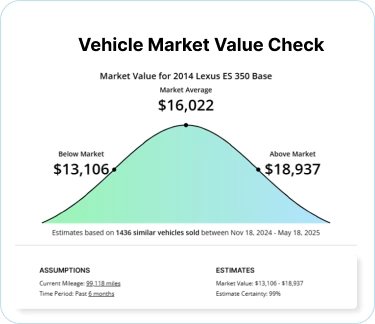
When new, the 1993 Harley-Davidson FLSTF "Fat Boy" typically retailed between $12,000 and $14,000 USD, depending on options and dealer pricing. Today, the used market prices for a 1993 FLSTF vary significantly based on condition, mileage, and originality. Expect to see prices ranging from $7,000 to $15,000 or more for pristine, low-mileage examples. The Fat Boy has held its value remarkably well due to its iconic status and enduring appeal. Depreciation is minimal for well-maintained examples, and many appreciate as collector items. Factors affecting resale value include the overall condition, maintenance history, originality of parts, mileage, and any desirable modifications or custom touches. A bike that has been meticulously cared for and kept close to its original specification will command a higher price.
1993 Harley-Davidson FLSTF Cost of Ownership
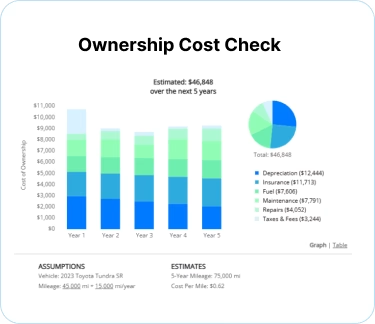
Owning a 1993 Harley-Davidson FLSTF can be a moderately costly endeavor, but not excessively so for its class. Insurance premiums will vary based on rider age, experience, location, and coverage, but expect it to be comparable to other large cruisers. Fuel costs depend on mileage, typically 35-45 MPG, which is reasonable for its engine size. Regular maintenance, including oil changes, filter replacements, and periodic checks, is essential and will add to annual costs. Repairs, especially for specialized Harley-Davidson parts, can be more expensive than for Japanese motorcycles. Overall, it's neither overtly economical nor prohibitively expensive, but rather a classic machine that requires dedicated ownership investment.


1993 Harley-Davidson FLSTF Fuel Efficiency
Fuel Type
Gasoline
Fuel Capacity
-
City Mileage
-
Highway Mileage
-
1993 Harley-Davidson FLSTF Warranty
Basic
Original warranty
0 months / No data
Estimated remaining
Expired
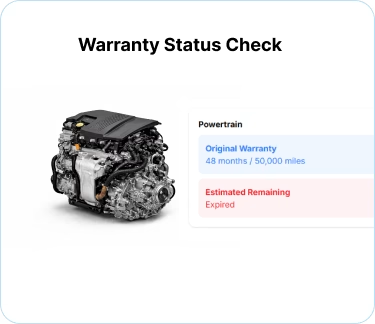
Powertrain
Original warranty
0 months / No data
Estimated remaining
Expired
Rust
Original warranty
0 months / No data
Estimated remaining
Expired
1993 Harley-Davidson FLSTF Insurance
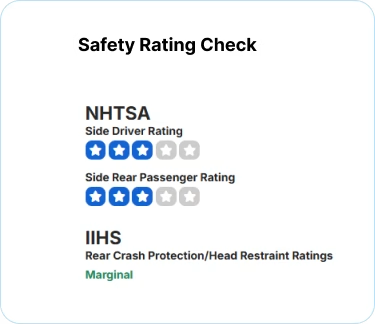
Insurance for a 1993 Harley-Davidson FLSTF is moderately priced, reflecting its status as a Motorcycle with strong safety ratings and
reasonable repair costs.
How Does the 1993 Harley-Davidson FLSTF Compare to Other Motorcycle?
In 1993, the Harley-Davidson FLSTF Fat Boy stood in a cruiser segment dominated by American and Japanese offerings. Key rivals included models like the Indian Chief (though less prevalent in production at this time), and Japanese manufacturers' interpretations of the cruiser ethos.
Performance: The FLSTF's performance was characterized by its strong, torquey V-twin, offering a relaxed yet powerful riding experience rather than outright speed. Competitors from Honda (like the Magna series) or Yamaha (V-Star) might have offered more refined power delivery or higher horsepower figures, but often lacked the distinctive rumble and character of the Harley.
Features: The Fat Boy was intentionally sparse on features, focusing on its iconic styling and mechanical purity. Rivals might have offered more creature comforts like cruise control (rare), better suspension sophistication, or more integrated instrumentation. Harley's strength was its aesthetic, a blend of retro charm and robust build.
Reliability: Harley-Davidson's Evolution engine was generally reliable for its era, though routine maintenance was and remains crucial. Japanese competitors often held a reputation for superior reliability and lower maintenance needs out-of-the-box, with less propensity for minor leaks or vibrations. However, the simpler mechanicals of the Harley could make some repairs more straightforward for DIY enthusiasts.
Price: The FLSTF was positioned as a premium cruiser, often priced higher than comparable Japanese models. This was part of the Harley-Davidson brand appeal and exclusivity.
Alternatives:
Performance: The FLSTF's performance was characterized by its strong, torquey V-twin, offering a relaxed yet powerful riding experience rather than outright speed. Competitors from Honda (like the Magna series) or Yamaha (V-Star) might have offered more refined power delivery or higher horsepower figures, but often lacked the distinctive rumble and character of the Harley.
Features: The Fat Boy was intentionally sparse on features, focusing on its iconic styling and mechanical purity. Rivals might have offered more creature comforts like cruise control (rare), better suspension sophistication, or more integrated instrumentation. Harley's strength was its aesthetic, a blend of retro charm and robust build.
Reliability: Harley-Davidson's Evolution engine was generally reliable for its era, though routine maintenance was and remains crucial. Japanese competitors often held a reputation for superior reliability and lower maintenance needs out-of-the-box, with less propensity for minor leaks or vibrations. However, the simpler mechanicals of the Harley could make some repairs more straightforward for DIY enthusiasts.
Price: The FLSTF was positioned as a premium cruiser, often priced higher than comparable Japanese models. This was part of the Harley-Davidson brand appeal and exclusivity.
Alternatives:
- Similar: If seeking a similar stylistic and mechanical feel from the era, other Harley-Davidson Softail models like the FLSTN (Nostalgia) would be comparable. The FLSTC (Classic) also shared many characteristics.
- Better Performance/Features (Japanese): For riders prioritizing smoother performance, potentially more modern features (for the time), and perhaps easier maintenance, models like the Honda Shadow 1100, Yamaha V-Star 1100, or Kawasaki Vulcan 1500 would be worth considering. These offered different takes on the cruiser formula with varying levels of refinement.
Final Verdict: Is the 1993 Harley-Davidson FLSTF a Good Motorcycle?
The 1993 Harley-Davidson FLSTF Fat Boy is ideal for riders who appreciate classic American motorcycle styling, a strong V-twin character, and a relatively uncomplicated mechanical experience. It's perfect for those who value the iconic Fat Boy aesthetic and the undeniable presence it commands on the road.
It is absolutely worth buying for enthusiasts who understand the maintenance requirements of an older Harley-Davidson. Buying used is the only option, and condition is paramount. Look for bikes with a documented maintenance history and minimal cosmetic damage. Avoid bikes with excessive modifications unless they are period-correct and well-executed. It's a purchase for someone who enjoys the heritage and lifestyle associated with Harley-Davidson, and is prepared for the ongoing commitment to keep such a classic machine running beautifully. It's not for the rider seeking cutting-edge technology or minimal upkeep.