The 2012 Polaris RMK is a highly regarded snowmobile designed for mountain riding. Introduced as part of Polaris's lineup of off-trail and deep-snow machines, the RMK series has consistently been a benchmark for performance in challenging terrain. For the 2012 model year, key trims included the RMK Assault and the RMK Pro, catering to riders seeking extreme agility and power. While new pricing varied by trim, it typically ranged from $10,000 to $13,000+. Its popularity stems from its lightweight chassis, powerful engine options, and advanced suspension systems, enabling riders to carve through powder and tackle steep ascents with confidence.
The Good
The 2012 Polaris RMK excels in delivering exhilarating mountain performance with its potent engines and agile handling. It offers a rider-forward design for optimal control and confidence. While not its primary focus, reasonable reliability for its class and a focus on lightweight construction contribute to its appeal, making it a desirable choice for serious snowmobilers seeking adventure.
The Bad
Potential weaknesses of the 2012 Polaris RMK include susceptibility to track damage in rocky or icy conditions due to its deep lug design. Some owners have reported concerns with the durability of certain plastic components and occasional issues with the exhaust system. Fuel consumption can also be a factor for extended rides.
2012 Polaris RMK: Quick Overview
- Engine Options: The 2012 Polaris RMK offered a choice of powerful Liberty engines, primarily the 795cc parallel-twin two-stroke.

- Horsepower: Depending on the specific engine tune and trim, horsepower figures typically ranged from approximately 140 hp to over 150 hp. The RMK Pro models often featured higher output variants.
- Fuel Economy: Fuel economy is not a primary metric for high-performance mountain snowmobiles. Expect figures in the range of 10-15 miles per gallon, heavily dependent on riding style and terrain.
- 0-60 Times: 0-60 times are not a standard specification for snowmobiles as performance is measured more by acceleration and top-end speed in varied conditions. However, these machines are known for rapid acceleration out of the hole, especially in deep snow.
- Towing Capacity: Snowmobiles are not designed for towing trailers.
- Trim-Level Features:
- RMK Pro: Positioned as the top-tier model for aggressive mountain riding. Key features include a more advanced and lighter chassis (PRO-RIDE™), longer track options (e.g., 155-inch or 163-inch with 2.25-inch lugs), Walker Evans® adjustable shocks for superior damping and adjustability, and a rider-forward seating position for enhanced control and maneuverability. Designed for optimal flotation and climbing ability.
- RMK Assault: Designed for riders who tackle challenging terrain and are looking for a balance of deep snow capability and agility. Features often included a lighter chassis, aggressive track (e.g., 155-inch with 2.25-inch lugs), and improved suspension components compared to standard RMK models. It offered a more aggressive stance for backcountry exploration.
- Common Features Across Trims: Deep lug tracks for superior traction in powder, lightweight construction, powerful two-stroke engines, independent front suspension, and a robust rear suspension designed for absorbing big impacts.
2012 Polaris RMK Specifications
Vehicle Information
| Year | 2012 |
| Make | Polaris |
| Model | RMK |
| Trim | - |
| Style | - |
| Type | Recreational Vehicle |
| Category | Offroad Vehicle Low Speed Vehicle |
Manufacturing Details
| Made In | United States |
| Manufacturing City | ROSEAU |
Dimensions
| Doors | - |
| Curb Weight | - |
| Gross Vehicle Weight Rating | - |
| Overall Height | - |
| Overall Length | - |
| Overall Width | - |
| Wheelbase Length | - |
| Standard Seating | - |
Engine & Performance
| Engine | 0.795000 2 |
| Engine Size | 0.7L |
| Engine Cylinders | 2 |
| Transmission | - |
| Transmission Type | - |
| Transmission Speeds | - |
| Drivetrain | - |
Additional Features
| Anti-Brake System | - |
| Steering Type | - |
Pricing
| Manufacturer Suggested Retail Price (MSRP) | - |
| Invoice Price | - |
| Delivery Charges | - |
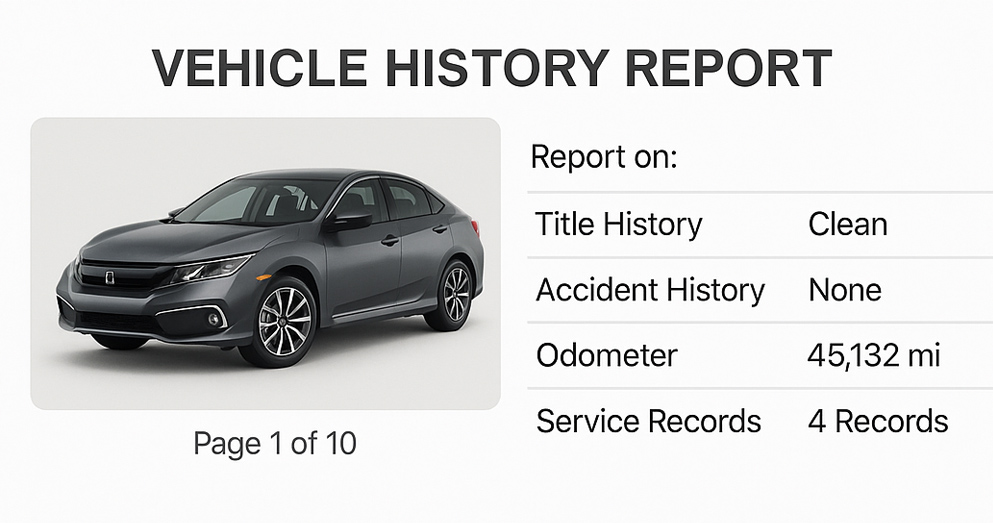
Vehicle History Report
Vehicle
Specifications
Specifications
Ownership
History
History
All History
Events
Events
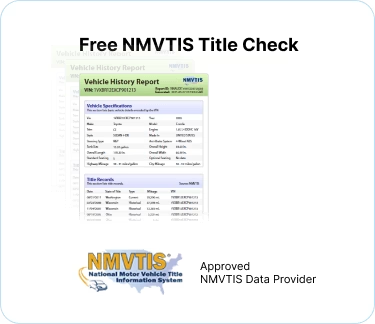
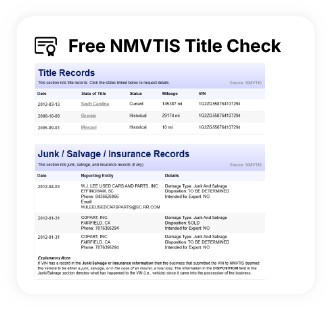
NMVTIS Title
History Check
History Check
Salvage/Rebuilt
Check
Check
Accident
Check
Check
Theft
Check
Check
Open Lien
Check
Check
Past Sale
Listings
Listings
Safety
Recalls
Recalls
Odometer
Check
Check
Market Price
Analysis
Analysis
What Problems Does the 2012 Polaris RMK Have?
The 2012 Polaris RMK, like many high-performance snowmobiles, has had some reported issues over its lifespan. A common area of concern for this generation of RMK, particularly models with the PRO-RIDE™ chassis, can be the durability of the rear suspension components, especially under extreme use. Some owners have reported premature wear or failure of shocks and connecting rods, particularly if the machine is consistently subjected to heavy jumps or rough terrain.
Another area that occasionally arises in owner forums is the potential for exhaust leaks, especially around the manifold or pipe connections. This can lead to reduced performance and increased noise. Regular inspection and tightening of these connections are recommended.
Regarding the engine, the Liberty two-stroke engines are generally robust, but like any high-strung engine, they require diligent maintenance. Issues such as crank seal leaks or carburetor problems have been reported, though often these are related to improper maintenance or modification. Spark plug fouling can also be an issue if the engine is not ridden hard enough or if the fuel/air mixture is not optimal.
Track durability is a perennial concern for mountain sleds. The deep lugs on the RMK are excellent for traction, but they can be susceptible to damage from rocks, ice, or debris, especially on less-than-perfect snow conditions or during spring riding. Regular inspection of the track for tears or missing lugs is advised.
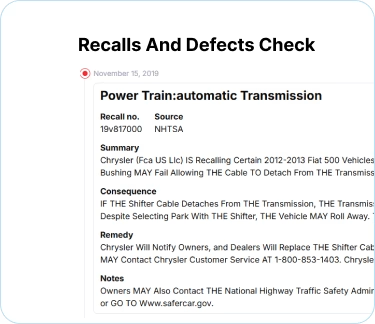
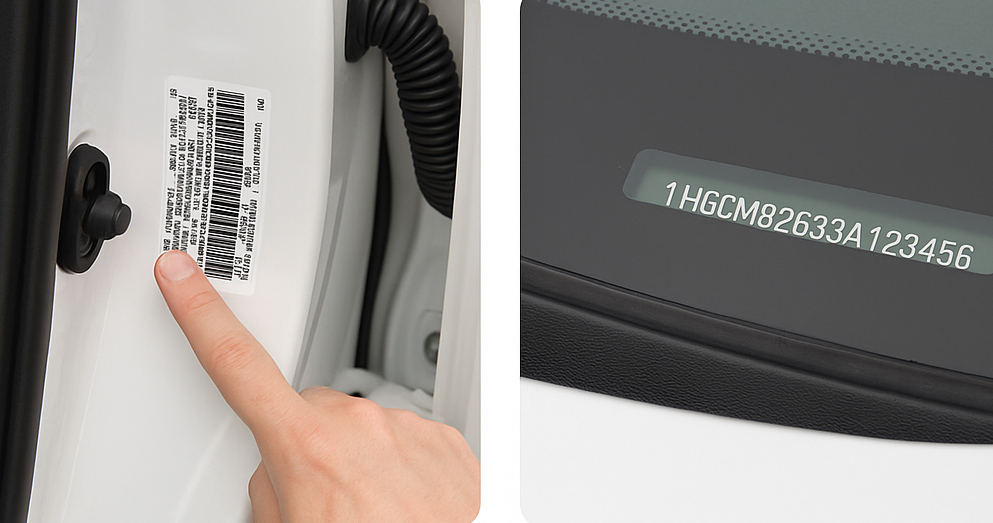
It's worth noting that specific recalls for the 2012 RMK model year are not as widespread or critical as some other model years or manufacturers. However, it is always advisable for owners to check the Polaris official website or contact a dealer with their VIN to ensure all applicable safety recalls have been addressed. Long-term reliability largely hinges on consistent and proper maintenance, including regular oil changes, clutch cleaning, and suspension checks. Machines that have been meticulously maintained tend to perform better and last longer.
Another area that occasionally arises in owner forums is the potential for exhaust leaks, especially around the manifold or pipe connections. This can lead to reduced performance and increased noise. Regular inspection and tightening of these connections are recommended.
Regarding the engine, the Liberty two-stroke engines are generally robust, but like any high-strung engine, they require diligent maintenance. Issues such as crank seal leaks or carburetor problems have been reported, though often these are related to improper maintenance or modification. Spark plug fouling can also be an issue if the engine is not ridden hard enough or if the fuel/air mixture is not optimal.
Track durability is a perennial concern for mountain sleds. The deep lugs on the RMK are excellent for traction, but they can be susceptible to damage from rocks, ice, or debris, especially on less-than-perfect snow conditions or during spring riding. Regular inspection of the track for tears or missing lugs is advised.
It's worth noting that specific recalls for the 2012 RMK model year are not as widespread or critical as some other model years or manufacturers. However, it is always advisable for owners to check the Polaris official website or contact a dealer with their VIN to ensure all applicable safety recalls have been addressed. Long-term reliability largely hinges on consistent and proper maintenance, including regular oil changes, clutch cleaning, and suspension checks. Machines that have been meticulously maintained tend to perform better and last longer.
How long will the 2012 Polaris RMK last?
Estimating average mileage for a 2012 Polaris RMK is challenging as usage varies greatly. However, well-maintained machines can easily accumulate over 5,000 miles and provide many years of service, often 10-15 years or more. Durability is highly dependent on the owner's maintenance regimen. Those who perform regular fluid changes, clutch maintenance, and inspect suspension components can expect excellent longevity. Conversely, neglect can lead to accelerated wear, particularly in the suspension and drivetrain. Weaknesses over time often manifest as worn shock seals, fatigued suspension bushings, and potential issues with the exhaust system if not regularly inspected. The lightweight chassis, while an advantage for performance, can be more susceptible to cosmetic damage or stress fractures if subjected to extreme abuse without proper upkeep. Overall, with diligent care, the 2012 RMK is built for longevity in its intended environment.
What Technology & Safety Features are Included?
The 2012 Polaris RMK is a specialized performance vehicle, and its technology, entertainment, and safety features are geared towards its function rather than luxury amenities.
Built-in Tech & Entertainment:
Tech features are minimal and focus on performance monitoring. Standard instrumentation typically includes an analog speedometer and tachometer, along with digital readouts for odometer, trip meter, and engine temperature. There are no advanced infotainment systems, GPS, or audio systems integrated into the dashboard of the 2012 RMK. These are machines built for the pure experience of riding in the backcountry, where connectivity and entertainment are secondary to performance and safety.
Driver-Assistance & Safety Features:
Driver-assistance features as we understand them in modern vehicles are non-existent. The primary safety features are inherent in the design and engineering of the snowmobile itself:
Crash-Test Ratings:
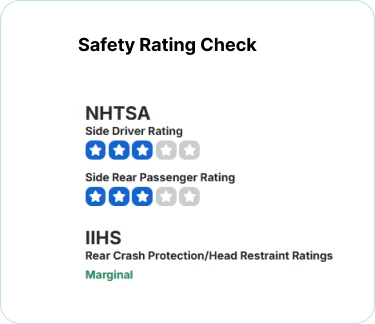
Snowmobiles, unlike cars, are not subjected to standardized crash-test ratings (e.g., NHTSA or IIHS). Safety is paramount in their design, but it is focused on rider protection through handling, braking, and the structural integrity of the vehicle to withstand typical off-road impacts. The responsibility for safety largely falls on the rider's skill, protective gear, and adherence to safe riding practices.
Built-in Tech & Entertainment:
Tech features are minimal and focus on performance monitoring. Standard instrumentation typically includes an analog speedometer and tachometer, along with digital readouts for odometer, trip meter, and engine temperature. There are no advanced infotainment systems, GPS, or audio systems integrated into the dashboard of the 2012 RMK. These are machines built for the pure experience of riding in the backcountry, where connectivity and entertainment are secondary to performance and safety.
Driver-Assistance & Safety Features:
Driver-assistance features as we understand them in modern vehicles are non-existent. The primary safety features are inherent in the design and engineering of the snowmobile itself:
- PRO-RIDE™ Chassis: This lightweight and rigid chassis contributes to better handling and rider control, which are crucial safety aspects in challenging terrain.
- Independent Front Suspension (IFS): Provides improved handling and stability over varied snow conditions, absorbing bumps and helping the rider maintain control.
- Hydraulic Disc Brakes: Essential for stopping power in all conditions.
- Deep Lug Track: Provides superior traction, which is a critical safety element for climbing, descending, and maneuvering in deep snow.
- Ergonomic Design: The rider-forward position enhances control and reduces fatigue, contributing to safer operation.
Crash-Test Ratings:
Snowmobiles, unlike cars, are not subjected to standardized crash-test ratings (e.g., NHTSA or IIHS). Safety is paramount in their design, but it is focused on rider protection through handling, braking, and the structural integrity of the vehicle to withstand typical off-road impacts. The responsibility for safety largely falls on the rider's skill, protective gear, and adherence to safe riding practices.
What Colors Options are Available?
2012 Polaris RMK Prices and Market Value
When new, the 2012 Polaris RMK models typically ranged from approximately $10,500 for a base RMK to upwards of $12,500-$13,000 for the premium RMK Pro trim. These prices reflected the advanced technology, powerful engines, and specialized design for mountain riding.
Currently, the used market prices for a 2012 Polaris RMK can vary significantly, generally falling between $4,000 and $7,500, depending on the specific trim (Pro typically fetches higher prices), mileage, overall condition, and any aftermarket additions.
Depreciation for these performance snowmobiles is fairly significant in the first few years but then plateaus. Factors affecting resale value include:
Currently, the used market prices for a 2012 Polaris RMK can vary significantly, generally falling between $4,000 and $7,500, depending on the specific trim (Pro typically fetches higher prices), mileage, overall condition, and any aftermarket additions.
Depreciation for these performance snowmobiles is fairly significant in the first few years but then plateaus. Factors affecting resale value include:
- Condition: Meticulously maintained machines with low mileage and no damage command higher prices.
- Trim Level: The RMK Pro models, with their premium features, hold their value better.
- Modifications: While some tasteful modifications might be desirable, excessive or poorly done modifications can detract from value.
- Track and Suspension: The condition of the track, suspension components, and shocks are critical.
- Market Demand: Popularity of mountain riding and local market conditions also play a role.
2012 Polaris RMK Cost of Ownership
Owning a 2012 Polaris RMK can be moderately costly, especially when considering all aspects. Insurance costs vary by location and coverage, but expect to pay more than for a basic utility sled. Fuel consumption, given its high-performance two-stroke engine, is not economical, averaging around 10-15 MPG depending on usage. Maintenance is crucial for longevity; regular oil changes, track inspection, and suspension servicing are necessary, adding to annual costs. Repairs can be expensive, particularly for engine or advanced suspension components. Overall, while not as costly as a luxury vehicle, the RMK is a performance machine and its ownership costs reflect that, making it more of a costly enthusiast's toy than an economical mode of transport.
2012 Polaris RMK Fuel Efficiency
Fuel Type
Gasoline
Fuel Capacity
-
City Mileage
-
Highway Mileage
-
2012 Polaris RMK Insurance
Insurance for a 2012 Polaris RMK is moderately priced, reflecting its status as a Recreational Vehicle with strong safety ratings and
reasonable repair costs.
How Does the 2012 Polaris RMK Compare to Other Recreational Vehicle?
The 2012 Polaris RMK competed primarily against other high-performance mountain snowmobiles from brands like Ski-Doo and Arctic Cat.
Performance: In its class, the RMK was known for its strong power-to-weight ratio and agile handling, especially in deep snow. Its PRO-RIDE™ chassis was a significant advantage, offering excellent maneuverability and a connected feel to the snow. Ski-Doo's Summit series often boasted similar or superior deep snow flotation and climbing ability, while Arctic Cat's M Series offered potent engines and a rugged build.
Features: The RMK's key features were its lightweight chassis, potent Liberty engine, and the specialized RMK Pro trims with advanced suspension like Walker Evans shocks. Ski-Doo's Summit often featured their E-TEC engines and Pyramide chassis, known for weight distribution and stability. Arctic Cat's M Series often featured their own powerful engines and a well-regarded front suspension system. In terms of pure technology and rider amenities, all three brands were relatively basic in 2012, focusing on core performance.
Reliability: Reliability is a mixed bag across all brands and models in this segment. Polaris had made strides with the Liberty engines, but like most two-strokes, they require diligent maintenance. Ski-Doo's E-TEC engines were generally well-regarded for their efficiency and reliability, though complex. Arctic Cat's reliability has historically varied. For the 2012 RMK, common issues were often related to the suspension or exhaust rather than catastrophic engine failures, provided they were maintained.
Price: Pricing was generally competitive within the mountain segment. The Polaris RMK, Ski-Doo Summit, and Arctic Cat M Series typically occupied similar price brackets when new, with higher-end trims commanding a premium.
Alternatives:
Performance: In its class, the RMK was known for its strong power-to-weight ratio and agile handling, especially in deep snow. Its PRO-RIDE™ chassis was a significant advantage, offering excellent maneuverability and a connected feel to the snow. Ski-Doo's Summit series often boasted similar or superior deep snow flotation and climbing ability, while Arctic Cat's M Series offered potent engines and a rugged build.
Features: The RMK's key features were its lightweight chassis, potent Liberty engine, and the specialized RMK Pro trims with advanced suspension like Walker Evans shocks. Ski-Doo's Summit often featured their E-TEC engines and Pyramide chassis, known for weight distribution and stability. Arctic Cat's M Series often featured their own powerful engines and a well-regarded front suspension system. In terms of pure technology and rider amenities, all three brands were relatively basic in 2012, focusing on core performance.
Reliability: Reliability is a mixed bag across all brands and models in this segment. Polaris had made strides with the Liberty engines, but like most two-strokes, they require diligent maintenance. Ski-Doo's E-TEC engines were generally well-regarded for their efficiency and reliability, though complex. Arctic Cat's reliability has historically varied. For the 2012 RMK, common issues were often related to the suspension or exhaust rather than catastrophic engine failures, provided they were maintained.
Price: Pricing was generally competitive within the mountain segment. The Polaris RMK, Ski-Doo Summit, and Arctic Cat M Series typically occupied similar price brackets when new, with higher-end trims commanding a premium.
Alternatives:
- Similar: The 2012 Ski-Doo Summit XP is a very strong contender, often praised for its excellent deep snow performance and the reliability of its E-TEC engines. The 2012 Arctic Cat M800 also offered similar power and deep-snow capability with a robust feel.
- Consider Newer: If budget allows, looking at slightly newer models (2014-2016) from any of these manufacturers would offer significant improvements in chassis design, engine technology, and potentially more refined suspension systems. For example, a 2014 Ski-Doo Summit X or a 2015 Polaris RMK with the AXYS chassis would represent a generational leap in mountain snowmobiling.
Final Verdict: Is the 2012 Polaris RMK a Good Recreational Vehicle?
The 2012 Polaris RMK is ideal for experienced mountain riders and backcountry enthusiasts who prioritize agility, a responsive chassis, and strong climbing performance. It's a machine built for carving through powder and tackling challenging terrain.
It is definitely worth buying, but primarily on the used market. As a new vehicle, it would be obsolete. When considering a purchase, focus on the RMK Pro trims for the best performance and features. Thoroughly inspect any used model for track condition, suspension wear, and overall maintenance history. If you find a well-maintained 2012 RMK, especially a Pro, at a fair price, it remains a very capable and fun mountain sled. It's best suited for riders who understand the demands of deep snow riding and are willing to perform the necessary maintenance to keep it in top condition.