
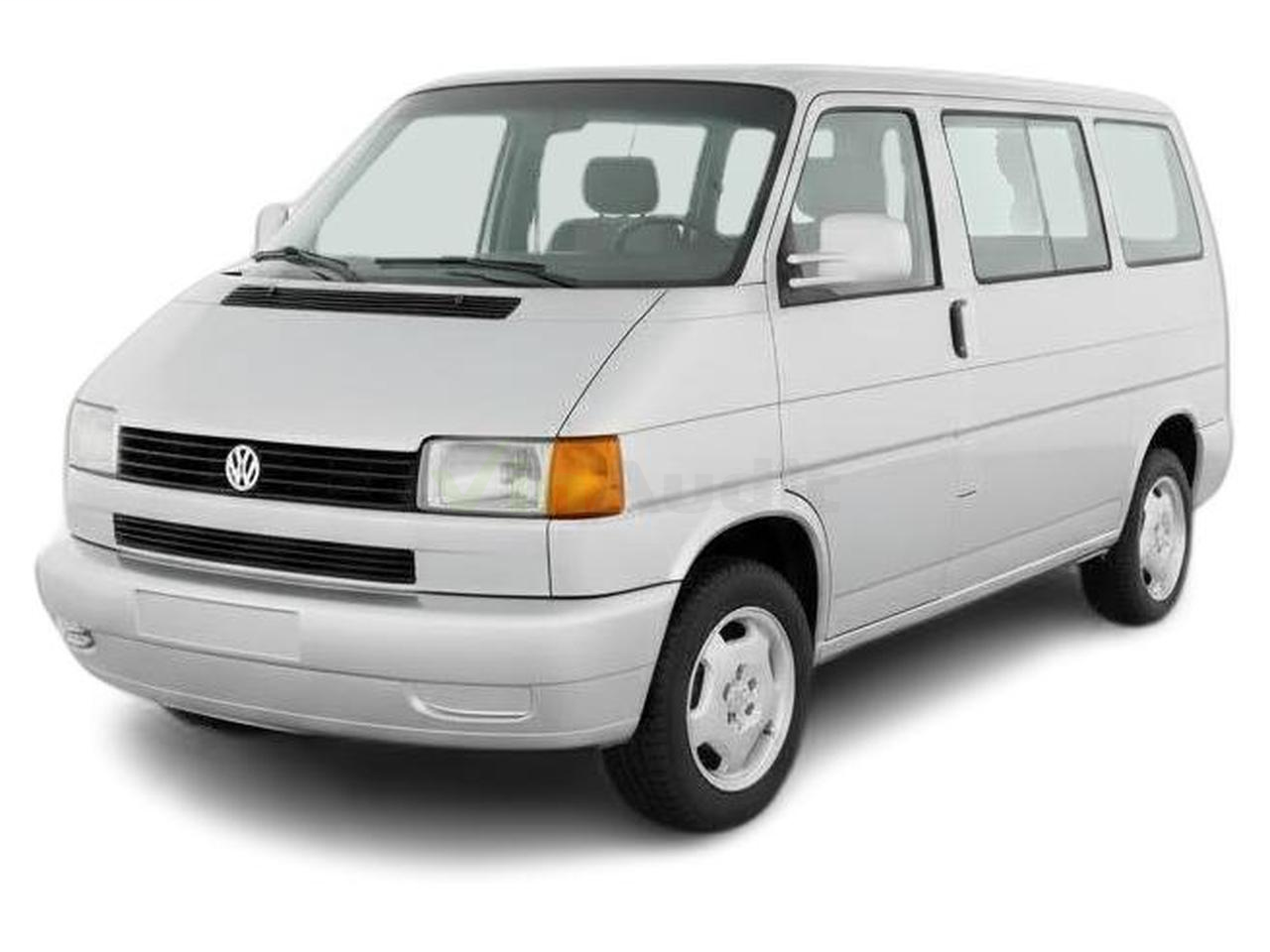
The Good
The 1992 EuroVan offered a comfortable ride and surprisingly car-like handling for its size, appealing to families seeking practicality and a unique style. Its spacious interior provided excellent versatility, while its European design gave it an undeniable charm that resonated with those wanting something different.
The Bad
Owners should be aware of potential issues with the cooling system, particularly the radiator and hoses, which can be prone to leaks. Electrical gremlins, including dashboard warning lights and accessory malfunctions, are also reported. Rust can be a concern, especially in certain climates.
1992 Volkswagen EuroVan: Quick Overview
- Engine Options: The 1992 Volkswagen EuroVan was primarily equipped with a 2.5-liter, 5-cylinder gasoline engine. Early models may have had a 2.4-liter diesel engine in some markets, though it was less common in North America.
- Horsepower: The 2.5-liter gasoline engine typically produced around 109 horsepower.
- Fuel Economy: Fuel economy varied depending on driving conditions, but owners generally reported figures in the range of 15-18 MPG in city driving and 20-24 MPG on the highway.
- 0-60 Times: Acceleration was not a strong suit of the EuroVan. 0-60 MPH times were typically in the 12-15 second range, reflecting its practical, rather than performance, orientation.
- Towing Capacity: While not a primary focus, the EuroVan generally had a modest towing capacity, often around 1,500 to 3,000 pounds, suitable for small trailers or recreational equipment. Specific ratings varied by configuration and year.
- Trim-Level Features:
- Base Trim: Typically included essential features such as power steering, power windows, air conditioning, and a basic AM/FM stereo system. Seating arrangements were usually for 7 passengers with foldable rear seats for cargo flexibility.
- GL Trim: Added enhancements like upgraded interior fabrics, captain's chairs in the first and second rows, cruise control, and sometimes alloy wheels. Optional features could include a sunroof and a more advanced sound system. Both trims benefited from the EuroVan's signature van-like interior space and modular seating.
1992 Volkswagen EuroVan Specifications
Vehicle Information
| Year | 1992 |
| Make | Volkswagen |
| Model | EuroVan |
| Trim | - |
| Style | - |
| Type | Minivan |
| Category | Cargo Van |
Manufacturing Details
| Made In | Germany |
| Manufacturing City | HANNOVER |
Dimensions
| Doors | - |
| Curb Weight | - |
| Gross Vehicle Weight Rating | - |
| Overall Height | - |
| Overall Length | - |
| Overall Width | - |
| Wheelbase Length | - |
| Standard Seating | - |
Engine & Performance
| Engine | 2.5L I5 |
| Engine Size | 2.5L |
| Engine Cylinders | 5 |
| Transmission | - |
| Transmission Type | - |
| Transmission Speeds | - |
| Drivetrain | Front-Wheel Drive |
Additional Features
| Anti-Brake System | - |
| Steering Type | - |
Pricing
| Manufacturer Suggested Retail Price (MSRP) | - |
| Invoice Price | - |
| Delivery Charges | - |
Vehicle History Report
Specifications
History
Events
History Check
Check
Check
Check
Check
Listings
Recalls
Check
Analysis
What Problems Does the 1992 Volkswagen EuroVan Have?
Regarding reliability, the 5-cylinder engine is generally considered robust if maintained, but it's not immune to age-related wear. Long-term concerns often involve the transmission. While some have reported smooth operation for many years, others have experienced premature failure, especially if the transmission fluid hasn't been regularly changed. The clutch system in manual transmission models can also wear out over time.
Rust is a significant factor to watch for, particularly on the body panels, wheel arches, and undercarriage. Vehicles in areas with heavy road salt use are more susceptible. While specific recalls for the 1992 model year might be limited and vary by region, it's always advisable to check the National Highway Traffic Safety Administration (NHTSA) database for any outstanding safety recalls. Overall, while the EuroVan offers a unique and functional package, its long-term reliability hinges significantly on consistent and thorough maintenance, and addressing potential issues before they become major problems.
How long will the 1992 Volkswagen EuroVan last?
What Technology & Safety Features are Included?
Built-in Tech & Entertainment: Standard entertainment typically consisted of an AM/FM radio with a cassette player. Higher trims might have offered an upgraded stereo system with more speakers, but sophisticated infotainment systems were not part of the package. Features like power windows and locks were common, especially in the GL trim, enhancing convenience. Air conditioning was a standard inclusion, crucial for comfort in a vehicle of this size. Cruise control was often an option on higher trims.
Driver-Assistance Features: In 1992, advanced driver-assistance systems were virtually non-existent. The EuroVan relied on the driver's awareness and skill. Features like anti-lock braking systems (ABS) were becoming more common, and may have been an option or standard on certain models or in specific markets, but were not universal. Parking sensors or rearview cameras were not available.
Safety Features: Standard safety equipment would have included seatbelts for all occupants, and potentially front airbags for the driver and front passenger, though this was an evolving safety standard for 1992. The vehicle's robust construction was its primary safety asset.
Optional Features: Beyond what was standard or on higher trims, some EuroVans might have been equipped with a sunroof, tinted glass, and more comfortable interior materials.
Crash-Test Ratings: Comprehensive crash-test data from organizations like the NHTSA or IIHS for vehicles from 1992 is often scarce or less detailed than modern ratings. However, vehicles of this size and era generally performed moderately in frontal impact tests. Side-impact and rollover data would be even more limited. Owners should consult contemporary automotive reviews or safety indices from the early 1990s for any available evaluations.
What Colors Options are Available?
1992 Volkswagen EuroVan Prices and Market Value
1992 Volkswagen EuroVan Cost of Ownership
1992 Volkswagen EuroVan Fuel Efficiency
1992 Volkswagen EuroVan Warranty
Basic
Powertrain
Rust
1992 Volkswagen EuroVan Insurance
reasonable repair costs.
How Does the 1992 Volkswagen EuroVan Compare to Other Minivan?
Performance: Rivals like the Dodge Grand Caravan or Ford Aerostar offered more powerful engine options and quicker acceleration. The EuroVan's 109-horsepower 5-cylinder was adequate but rarely thrilling.
Features: While the EuroVan offered a spacious and versatile interior with modular seating, competitors like the Chrysler minivans were often ahead in terms of available comfort and convenience features, such as rear climate control and more advanced entertainment options.
Reliability: This is a nuanced comparison. While the EuroVan's engine could be durable, its complex cooling system and electrical components were often cited as more problematic than the simpler systems in some American rivals. However, overall build quality and road manners were often praised.
Price: The EuroVan typically competed at a slightly higher price point than some of its domestic rivals when new, reflecting its imported status and European engineering.
Alternatives:
Similar alternatives offering van-like utility include:
- Dodge Grand Caravan/Plymouth Voyager/Chrysler Town & Country: Excellent value, plentiful features, and widely available parts, though perhaps less distinctive styling.
- Ford Aerostar: Offered good cargo space and a range of engine options, sometimes with more robust towing capabilities.
- Toyota Previa: Known for its unique mid-engine, rear-wheel-drive layout and excellent reliability, though seating capacity might be less flexible than the EuroVan.
If seeking a more modern and reliable van experience, consider newer models from any of these manufacturers. If the unique charm and driving feel of the EuroVan are paramount, and you're willing to invest in maintenance, it remains a compelling, albeit quirky, choice.
Final Verdict: Is the 1992 Volkswagen EuroVan a Good Minivan?

Drew B
Drew is a seasoned automotive expert and contributor to VinCheck.info. With nearly 15 years of experience as a former Porsche technician, he brings a wealth of hands-on knowledge to his writing. Born in North Carolina, a region renowned for its deep-rooted NASCAR culture, Drew developed a passion for cars early in life, often building and working on vehicles from a young age. At VINCheck, Drew leverages his extensive technical background to provide in-depth analyses of various vehicles. His articles often focus on engine performance, reliability, and maintenance insights, offering readers practical information grounded in real-world experience. Some of his notable contributions include reviews on the Mazda CX-5's longevity and detailed examinations of engine options for models like the 2011 Toyota Camry and Tacoma