
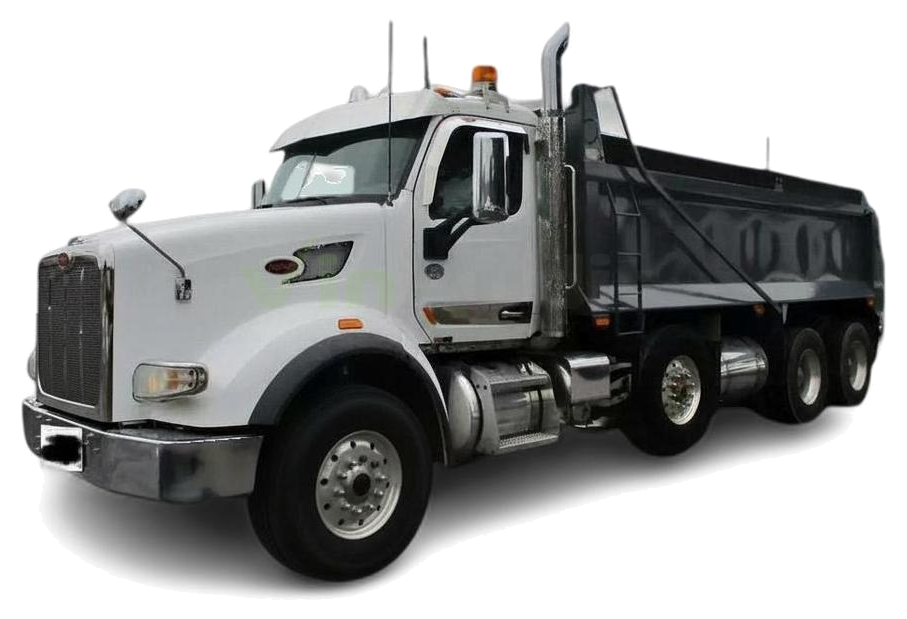
The Good
The 2017 Peterbilt 567 offers exceptional durability and unwavering reliability, crucial for demanding vocational tasks. Its powerful performance and customizable design cater to practical needs, while the legendary Peterbilt reputation and striking aesthetics appeal to owner pride and long-term value.
The Bad
Potential weaknesses for the 2017 Peterbilt 567 can include the complexity of advanced electronics in heavily optioned models, which may require specialized diagnostics. Some drivers might find the ride less refined compared to highway tractors due to its vocational focus. Maintenance costs for specialized vocational components can also be higher.
2017 Peterbilt 567: Quick Overview
The 2017 Peterbilt 567 is a highly configurable vocational truck, meaning its specifications vary significantly based on its intended application. Here's a summary of typical key specs:
- Engine Options: Primarily features PACCAR MX-13 engines. Cummins ISX15 and Caterpillar C15/C16 engines were also common options in previous years and sometimes carried over or were spec'd by some fleets. PACCAR PX-7 and PX-9 engines are also available for lighter-duty vocational applications within the 567 range.
- Horsepower: PACCAR MX-13 engines typically range from 380 to 500 horsepower. Other available engines could offer a similar or slightly wider range.
- Torque: Torque figures for the PACCAR MX-13 generally range from 1,450 to 1,850 lb-ft.
- Fuel Economy: Fuel economy is highly dependent on application, gearing, and driving style. For vocational use, expect significantly lower MPG than highway tractors, often in the range of 4-7 MPG.
- 0-60 Times: Not applicable or relevant for this type of heavy-duty vocational truck. These vehicles are designed for slow, steady power under load, not acceleration.
- Towing Capacity: As a Class 8 truck, towing capacity is extremely high and dictated by the chassis configuration, axle ratings, and trailer weight. Gross Combination Weight Ratings (GCWR) can easily exceed 80,000 lbs and go up to 140,000+ lbs for specialized heavy haul applications.
- Transmission Options: Typically offered with manual transmissions (e.g., Eaton Fuller 10-speed, 13-speed, 18-speed) and automatic transmissions (e.g., Allison, PACCAR Automated Transmission).
- Axle Configurations: Available in various configurations including 4x2, 6x4, and sometimes 8x4, depending on the vocational need.
- Front Axle Ratings: Can range from 12,000 lbs up to 20,000 lbs or more for heavy-duty applications.
- Rear Axle Ratings: Typically tandem rear axles rated from 40,000 lbs to 46,000 lbs, with higher ratings available for specialized trucks.
- Suspension: Various suspension options are available, including multi-leaf springs, air-ride suspensions (like Peterbilt Air Trac or Flex Air), and heavy-duty vocational suspensions designed for rough terrain.
- Brakes: Typically air brakes with standard ABS.
- Trim-Level Features: While not having distinct "trims" like a light-duty vehicle, features are dictated by vocational body upfits and customer specifications. Common features include:
- Heavy-duty frames and chassis components.
- Customizable cab configurations (day cab, extended day cab).
- Wide range of PTO (Power Take-Off) options for auxiliary equipment.
- Various wheelbase lengths.
- High-visibility lighting.
- Robust HVAC systems.
- Durable interior materials designed for heavy use.
- Optional driver amenities for long shifts, though typically less luxurious than highway trucks.
- Specialized bodies such as dump beds, concrete mixers, cranes, or sanitation equipment.
2017 Peterbilt 567 Specifications
Vehicle Information
| Year | 2017 |
| Make | Peterbilt |
| Model | 567 |
| Trim | - |
| Style | - |
| Type | Truck |
| Category | Medium Truck |
Manufacturing Details
| Made In | United States |
| Manufacturing City | DENTON |
Dimensions
| Doors | - |
| Curb Weight | - |
| Gross Vehicle Weight Rating | - |
| Overall Height | - |
| Overall Length | - |
| Overall Width | - |
| Wheelbase Length | - |
| Standard Seating | - |
Engine & Performance
| Engine | 14.9L I6 |
| Engine Size | 14.9L |
| Engine Cylinders | 6 |
| Transmission | - |
| Transmission Type | - |
| Transmission Speeds | - |
| Drivetrain | Tractor 6x4 |
Additional Features
| Anti-Brake System | - |
| Steering Type | - |
Pricing
| Manufacturer Suggested Retail Price (MSRP) | - |
| Invoice Price | - |
| Delivery Charges | - |
Vehicle History Report
Specifications
History
Events
History Check
Check
Check
Check
Check
Listings
Recalls
Check
Analysis
What Problems Does the 2017 Peterbilt 567 Have?
Electrical System: As vehicles become more sophisticated with integrated controls for vocational equipment, electrical gremlins can arise. This might include intermittent issues with sensors, lighting controls, or the body control module, especially if aftermarket equipment has been installed without proper integration. Loose connections or corrosion in high-moisture or dusty environments common in vocational work can exacerbate these problems.
Emissions Systems (DEF/DPF): For diesel engines meeting EPA 2010 and later emissions standards, the Diesel Particulate Filter (DPF) and Selective Catalytic Reduction (SCR) systems (using Diesel Exhaust Fluid - DEF) are frequent sources of concern. Clogged DPFs or malfunctioning DEF sensors/injectors can lead to reduced engine power, increased fuel consumption, and costly downtime if not maintained properly. Regeneration cycles need to be completed correctly, and drivers need to be aware of the system's requirements. Specific issues with DEF sensors or heaters in extremely cold weather have been reported across various truck brands using similar systems.
HVAC System: Due to the demanding work environments and often prolonged idling periods, HVAC systems can experience wear and tear. Compressor failures, leaks, or blower motor issues are not uncommon, especially after several years of service in harsh conditions.
Suspension and Drivetrain Wear: In vocational applications involving rough terrain, heavy loads, and frequent stop-start operation, components like suspension bushings, U-joints, and differential seals can experience accelerated wear. This is more a function of usage than a specific model year weakness.
Recalls: Recalls for Peterbilt trucks, including the 567 model year 2017, are typically issued by the National Highway Traffic Safety Administration (NHTSA) for specific components. These can range from issues with braking systems, steering components, seatbelt retractors, or electrical wiring harnesses. It is crucial for owners to regularly check the NHTSA website or contact a Peterbilt dealer with their VIN to ensure all applicable recalls have been addressed.
Long-Term Reliability: Generally, Peterbilt trucks are renowned for their long-term durability. The 2017 Peterbilt 567, built on a robust chassis and with quality components, should provide many years of service if properly maintained. The key to long-term reliability lies in diligent adherence to the recommended maintenance schedule, using quality parts, and addressing minor issues before they escalate. The vocational nature of the 567 means that its longevity is highly tied to the specific work it performs and how that work impacts its components. Trucks used in less strenuous applications will naturally endure longer with fewer major repairs.
How long will the 2017 Peterbilt 567 last?
What Technology & Safety Features are Included?
Built-in Tech & Entertainment: Standard offerings usually include a digital dashboard display providing critical vehicle information, such as fuel levels, engine status, and diagnostic alerts. For entertainment, a basic AM/FM radio with auxiliary input is common. Higher-spec models or optional packages might include a more advanced stereo system with Bluetooth connectivity for hands-free calling and audio streaming, and possibly a small, integrated display screen for diagnostics or navigation. The focus remains on delivering information efficiently to the driver.
Driver-Assistance Features: Advanced driver-assistance systems (ADAS) are less common and less comprehensive on vocational trucks of this era compared to modern highway tractors or passenger cars. However, some optional features might have been available or integrated into specific vocational configurations. These could include:
- Backup Cameras: Increasingly standard, especially on trucks with complex bodywork or limited rear visibility.
- Lane Departure Warning Systems: More likely found on highway-spec models but could be an option.
- Collision Mitigation Systems: Less common on vocational variants, but some advanced braking systems might have been selectable.
Safety Features: Standard safety features include:
- Robust Chassis and Cab Structure: Peterbilt is known for its strong frames and cabs designed to withstand significant stress.
- Air Brakes: Powerful and reliable braking system, essential for heavy loads.
- Anti-lock Braking System (ABS): Standard for enhanced braking control.
- Seatbelts: Essential safety restraints for all occupants.
- Visibility: Large windshields and side windows, coupled with well-placed mirrors, offer excellent all-around visibility, crucial for safe operation in varied environments.
- Interior Safety: Energy-absorbing steering columns and dashboard components are designed to minimize injury in the event of a collision.
Optional Features: Many safety and convenience features are optional and depend heavily on the specific vocational application and customer order. These can include enhanced lighting packages for nighttime operations, specialized mirrors for improved blind-spot coverage, and various integrated systems for controlling vocational equipment safely.
Crash-Test Ratings: Formal crash-test ratings, like those from IIHS or NHTSA for passenger cars, are not typically conducted or published for heavy-duty vocational trucks such as the Peterbilt 567. These vehicles operate under different safety regulations and testing protocols. Their safety is primarily assessed by their structural integrity, braking performance, and the availability of driver-assistance and safety features designed to prevent accidents in their specific operational contexts. Manufacturers rely on internal testing, industry standards, and real-world durability data to ensure safety.
What Colors Options are Available?
2017 Peterbilt 567 Prices and Market Value
Currently, the used market prices for a 2017 Peterbilt 567 are highly dependent on mileage, condition, engine hours, maintenance history, and the specific vocational body installed. Expect to find these trucks ranging from approximately $40,000 to $90,000. Trucks with lower mileage, well-maintained PACCAR engines, and desirable vocational bodies (e.g., a good condition dump body or mixer chassis) will command higher prices.
Peterbilt trucks, in general, have excellent resale value compared to many other makes due to their reputation for durability and build quality. Depreciation is typically strong in the first few years but then flattens out significantly, leading to sustained value over a long service life. Factors positively affecting resale value include a strong maintenance record, low hours/mileage for its age, remaining warranty coverage (if any), and the overall condition of both the chassis and the vocational equipment.
2017 Peterbilt 567 Cost of Ownership
2017 Peterbilt 567 Fuel Efficiency
2017 Peterbilt 567 Recalls & Defects
Electrical System:ignition:module
Structure:body
Tires
Fuel System, Other:delivery:hoses, Lines/Piping, and Fittings
Exterior Lighting
Electrical System:wiring:fuses and Circuit Breakers
Fuel System, Diesel
Electrical System: Instrument Cluster/Panel
Power Train:automatic Transmission:gear Position Indication (Prndl)
Electronic Stability Control (Esc)
Service Brakes, Air:antilock:abs Warning Light
Engine and Engine Cooling:engine:diesel
Electrical System:12v/24v/48v Battery:cables
Electronic Stability Control (Esc)
Service Brakes, Air:antilock:abs Warning Light
Electrical System:wiring
2017 Peterbilt 567 Warranty
Basic
Powertrain
Rust
2017 Peterbilt 567 Insurance
reasonable repair costs.
How Does the 2017 Peterbilt 567 Compare to Other Truck?
Performance: The Peterbilt 567, often equipped with PACCAR MX-13 engines, offers robust performance suitable for demanding vocational tasks. Its performance is comparable to similar models from Kenworth and Freightliner, which also offer powerful engine options from PACCAR, Cummins, or Detroit Diesel. Western Star trucks are often favored for their ruggedness in extreme off-road applications. Mack trucks, with their proprietary engines and durable transmissions, are also strong contenders in performance.
Features: Peterbilt excels in offering a high degree of customization. The 567 can be configured precisely for almost any vocational need. Kenworth trucks are also highly configurable, often sharing many chassis components with Peterbilt. Freightliner offers a blend of technology and vocational capability, often with a slightly more modern interior. Western Star and Mack tend to focus on robust, no-nonsense vocational builds. In terms of technology, the 2017 models across these brands would have similar levels of basic driver information systems, with advanced ADAS features being less prevalent and more of an option.
Reliability: Peterbilt has a stellar reputation for long-term reliability and durability, which is a major selling point. Kenworth trucks, being closely related to Peterbilts, share a similar reputation for robustness. Freightliner, while offering a wide range of reliable trucks, sometimes faces more varied feedback on long-term durability compared to its premium counterparts. Western Star and Mack are also known for building tough trucks designed for hard work, with strong reputations for reliability in their intended applications.
Price: Generally, Peterbilt and Kenworth trucks command a premium price when new due to their premium brand positioning and reputation. Freightliner trucks can often be more competitively priced, offering strong value. Western Star and Mack can also be priced competitively, especially for their specific vocational niches. The 2017 Peterbilt 567 would have been in the upper-middle to higher end of the price spectrum for vocational trucks.
Alternatives:
- Similar Alternatives: The Kenworth T880 is a very close competitor, often sharing similar powertrains and chassis designs, offering comparable vocational versatility and durability. The Freightliner Vocational Cascadia provides a strong balance of features, performance, and often a more accessible price point, making it a compelling option for fleet operators.
- Potentially Better Alternatives (depending on specific needs): For extreme off-road or mining applications, a Western Star 4700 or 4900 might offer superior chassis strength and ground clearance. For applications prioritizing heavy-duty construction and quarry work, a Mack Granite is a robust and purpose-built alternative.
Ultimately, the best choice depends on the specific vocational task, desired level of customization, budget, and brand loyalty.
Final Verdict: Is the 2017 Peterbilt 567 a Good Truck?
It is generally worth buying, especially on the used market, for its excellent reputation for longevity and its strong resale value. Buying used is often the most practical approach, as new vocational trucks are a significant investment. When purchasing a used 2017 Peterbilt 567, prioritize trucks with well-documented maintenance records, lower mileage for their intended vocational use, and ensure the vocational body is in good condition. Trims configured for specific vocational needs are generally the best buy, as they are purpose-built for efficiency in their task. It represents a solid investment for businesses that depend on reliable heavy-duty equipment.

Eugene S
Eugene is an automotive enthusiast with over 15 years of experience in the used car market. As a writer at VINCheck.info, he brings deep industry insight and a passion for cars, helping readers make smart, informed decisions. Eugene has written hundreds of used car reviews and is known for breaking down complex automotive topics into clear, actionable advice. Over the years, he has driven and worked on a wide range of vehicles—starting with tuning street cars in his early days and eventually focusing on performance upgrades and reliability improvements. Today, he specializes in evaluating used vehicles through the lens of real-world ownership and enthusiast needs. A longtime fan of Porsche, Eugene especially appreciates vehicles that blend durability with driving enjoyment.