by VIN, Year, Make, Model by License Plate

2016 Peterbilt 365 Overview, Reviews, Ratings & Specs

Rating: 0.00
Based on 0 Owner Reviews
Eugene S | January 8, 2026
The 2016 Peterbilt 365 is a robust vocational truck, a staple in demanding work environments. Primarily a Class 8 truck, it's recognized for its durability and versatility. While specific trims can vary greatly depending on vocational application (e.g., dump, mixer, heavy haul), its core design has remained consistent through its model years. The 365 is popular for its strong chassis, reliable powertrain options, and the iconic Peterbilt reputation for quality, making it a sought-after workhorse in construction and other heavy-duty sectors. Pricing for a new 2016 model would have varied significantly based on configuration but typically fell within the commercial truck market's higher end, with used prices reflecting its robust nature.

The Good

The 2016 Peterbilt 365 excels in raw performance and unwavering reliability, essential for tough jobs. Its rugged design instills confidence, while the surprisingly comfortable cabin enhances driver productivity. This truck offers exceptional value through its longevity and operational efficiency, appealing to both the pragmatic need for a dependable workhorse and the emotional pride of owning a legendary Peterbilt.

The Bad

Potential weaknesses for the 2016 Peterbilt 365 often center around its vocational focus, meaning less refined on-road manners and potentially higher fuel consumption compared to highway tractors. Early models might exhibit wear on interior components due to heavy use, and complex vocational upfits can sometimes introduce specific maintenance challenges.

2016 Peterbilt 365: Quick Overview

  • Engine Options: The 2016 Peterbilt 365 was typically equipped with powerful PACCAR PX-8 or PX-9 engines, offering robust performance for vocational applications. Cummins ISX15 engines were also a common option for heavier-duty configurations.
  • Horsepower: Engine options generally ranged from approximately 240 horsepower to over 500 horsepower, depending on the specific engine and configuration chosen. For instance, the PACCAR PX-8 might offer a range from 240-350 hp, while the PX-9 and Cummins ISX15 could reach 400-500+ hp.
  • Fuel Economy: Specific fuel economy figures for commercial trucks like the 2016 Peterbilt 365 are highly variable and depend heavily on load, terrain, driving style, and the specific engine and transmission combination. However, for vocational applications, MPG figures are typically significantly lower than passenger vehicles, often in the range of 4-8 MPG.
  • 0-60 Times: 0-60 mph acceleration times are not a standard metric for this class of heavy-duty vocational truck. Performance is measured by its ability to haul heavy loads and maneuver in challenging conditions, not by rapid acceleration.
  • Towing Capacity: Towing and hauling capacities are determined by the specific configuration, chassis rating, and components selected. The 365 is designed for substantial loads, with Gross Combination Weight Ratings (GCWR) often exceeding 80,000 lbs, and can be configured for specialized heavy haul applications requiring even higher capacities.
  • Trim-Level Features: As a vocational truck, the concept of traditional "trim levels" like those in consumer vehicles is less applicable. Instead, features are dictated by the intended vocational use. Common configurations and features include:
    • Dump Truck: Robust chassis, heavy-duty suspension, dump body, hydraulic systems.
    • Concrete Mixer: Reinforced frame, mixer drum, specialized PTO (Power Take-Off) systems.
    • Heavy Haul: Extended chassis, reinforced axles, specialized fifth wheels, enhanced cooling.
    • Standard features across models often include: durable interiors designed for heavy use, power steering, air brakes, various transmission options (manual and automatic), and a straightforward, functional dashboard.

2016 Peterbilt 365 Specifications

Vehicle Information
Year 2016
Make Peterbilt
Model 365
Trim -
Style -
Type Truck
Category Medium Truck
Manufacturing Details
Made In Canada
Manufacturing City MONTREAL
Dimensions
Doors -
Curb Weight -
Gross Vehicle Weight Rating -
Overall Height -
Overall Length -
Overall Width -
Wheelbase Length -
Standard Seating -
Engine & Performance
Engine 11.9L I6
Engine Size 11.9L
Engine Cylinders 6
Transmission -
Transmission Type -
Transmission Speeds -
Drivetrain 6x4
Additional Features
Anti-Brake System -
Steering Type -
Pricing
Manufacturer Suggested Retail Price (MSRP) -
Invoice Price -
Delivery Charges -

Vehicle History Report

Vehicle
Specifications
Ownership
History
All History
Events
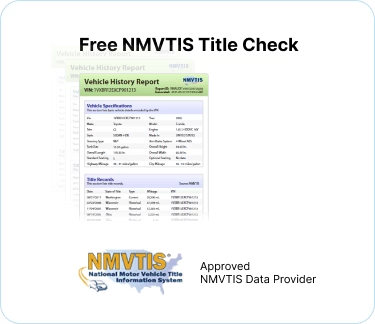
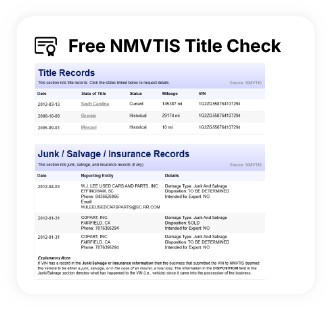
NMVTIS Title
History Check
Salvage/Rebuilt
Check
Accident
Check
Theft
Check
Open Lien
Check
Past Sale
Listings
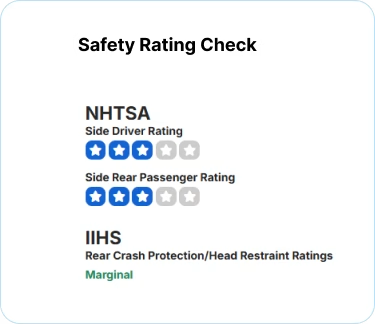
Safety
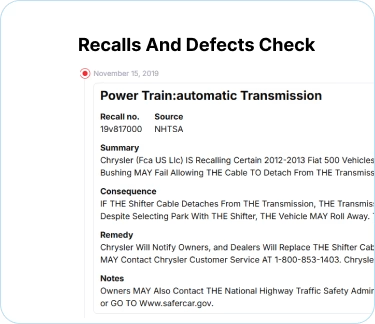
Recalls
Odometer
Check
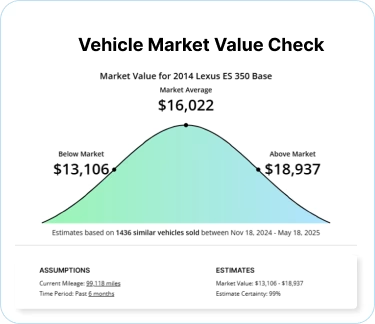
Market Price
Analysis

What Problems Does the 2016 Peterbilt 365 Have?

The 2016 Peterbilt 365, like most heavy-duty vocational trucks, is built for durability and long service life, and as such, widespread, critical flaws are uncommon. However, common areas that owners report issues with over time, regardless of the specific model year within this period, tend to be related to the intensive vocational use they endure. For instance, electrical system issues, such as wiring harness problems or sensor malfunctions, can arise due to vibration and exposure to harsh elements. Exhaust Gas Recirculation (EGR) system issues, particularly with the earlier iterations of modern emissions controls, were a concern across many heavy-duty diesel engines of that era, including those offered in Peterbilts. These could lead to reduced power and increased soot buildup. Drivetrain components, while robust, can experience wear and tear under constant heavy loads, potentially leading to issues with transmissions or differentials over extended mileage. Suspension components, especially in dump truck configurations, can be subject to stress fractures or wear due to rough terrain and heavy loads. Cooling systems, crucial for high-demand operations, can sometimes develop leaks or radiator issues if not properly maintained. Recalls for specific model years are typically for component-level issues, such as a faulty brake part or a specific engine sensor, and are addressed by the manufacturer. It is always advisable to check the NHTSA website for any outstanding recalls related to a specific VIN. Long-term reliability is generally excellent, provided consistent and thorough maintenance is performed. The key is proactive maintenance and addressing minor issues before they escalate, which is standard practice for commercial fleet operators.

How long will the 2016 Peterbilt 365 last?

The 2016 Peterbilt 365 is engineered for longevity, with many units expected to serve for 10-15 years or even longer, accumulating hundreds of thousands, if not millions, of miles. Under consistent, professional maintenance, these trucks are known for their exceptional long-term durability. The chassis and core components are designed to withstand significant abuse. Weaknesses that may emerge over time are typically related to the cumulative effects of extreme vocational use, such as wear on suspension and braking systems, or potential issues with emission control components. However, with regular servicing, fluid changes, and component inspections, the 365 can remain a highly reliable workhorse for an extended operational life, far exceeding that of typical consumer vehicles. Its robust build is its greatest asset for enduring the rigors of daily work.

What Technology & Safety Features are Included?

The 2016 Peterbilt 365 prioritizes functionality and safety over advanced infotainment and driver-assistance technologies common in passenger vehicles, reflecting its vocational purpose. Built-in tech is generally focused on operational efficiency and diagnostics. Standard features typically include:

Safety Features:
  • Air brakes with ABS (Anti-lock Braking System) are standard for robust stopping power.
  • High-visibility lighting systems are crucial for operation in various conditions and at night.
  • Durable construction with a reinforced cab structure is inherent to its design for driver protection.
  • Seat belts are, of course, standard.

Driver Assistance:
Driver-assistance features are minimal on standard configurations. While advanced systems like lane departure warning or adaptive cruise control were not common for vocational trucks of this era, some optional packages might have included:
  • Backup cameras, particularly useful for navigating tight job sites and preventing accidents.
  • Optional exterior mirrors providing enhanced visibility around the vehicle.

Technology and Entertainment:
Entertainment and connectivity are basic, designed to be durable and unobtrusive. Standard options usually include:
  • A basic AM/FM radio.
  • An auxiliary input for connecting external devices.
  • Optional upgrades could include satellite radio or a more integrated sound system.
  • Many trucks were also equipped with diagnostic displays for engine performance monitoring and fault codes.

Optional Features:
The 365 is highly configurable, meaning optional features are extensive and tailored to specific vocational needs. These can include:
  • Various transmission types (manual, automatic, automated manual).
  • Different axle ratios and suspension systems.
  • Enhanced HVAC systems for extreme climates.
  • Aftermarket integration for specialized equipment (e.g., snow plows, cranes).

Crash-Test Ratings:
Dedicated crash-test ratings, like those from the NHTSA or IIHS for passenger cars, are not typically performed or published for heavy-duty commercial vocational trucks like the 2016 Peterbilt 365. Their design and construction standards focus on mitigating damage and protecting occupants in the event of an accident during demanding work operations, rather than meeting consumer vehicle crash safety benchmarks.

What Colors Options are Available?

We’re working on this section!
In the meantime, feel free to explore the other sections for more content.

2016 Peterbilt 365 Prices and Market Value

When new, the 2016 Peterbilt 365 would have carried a significant price tag, typically ranging from $100,000 to over $200,000, heavily dependent on the specific vocational configuration, engine, transmission, and options selected. As a robust vocational truck, its depreciation curve is different from consumer vehicles. While initial depreciation can be substantial, the 365 holds its value exceptionally well over time due to its renowned durability and the high demand for capable work trucks. Current used market prices for a 2016 model can range widely, from $40,000 to $100,000+, again contingent on mileage, condition, maintenance history, and the specific application it was used for. Factors like remaining engine life, chassis integrity, and the condition of specialized vocational equipment significantly impact resale value. A well-maintained unit with lower mileage will command a premium.

2016 Peterbilt 365 Cost of Ownership

Owning a 2016 Peterbilt 365 is generally considered costly, reflecting its heavy-duty nature. Insurance premiums are substantial due to the vehicle's high value and the risks associated with commercial operation. Fuel costs are significant, with MPG typically ranging from 4-8, depending heavily on the load and application. Maintenance and repair costs are also considerable; while built to last, parts and labor for commercial trucks are specialized and expensive. Routine maintenance, such as oil changes, filter replacements, and component checks, is critical for longevity. Despite these ongoing expenses, the 365's long service life and operational efficiency in its intended tasks can make it an economical choice in the long run compared to less durable alternatives that require more frequent replacement.

2016 Peterbilt 365 Fuel Efficiency

Fuel Type Diesel
Fuel Capacity -
City Mileage -
Highway Mileage -

2016 Peterbilt 365 Warranty

Basic
Original warranty 0 months / No data
Estimated remaining Expired
Powertrain
Original warranty 0 months / No data
Estimated remaining Expired
Rust
Original warranty 0 months / No data
Estimated remaining Expired

2016 Peterbilt 365 Insurance

Insurance for a 2016 Peterbilt 365 is moderately priced, reflecting its status as a Truck with strong safety ratings and
reasonable repair costs.

How Does the 2016 Peterbilt 365 Compare to Other Truck?

The 2016 Peterbilt 365 competes in the demanding vocational truck segment against strong contenders like the Kenworth T880, International PayStar, and Mack Granite. In terms of performance, all these trucks offer comparable heavy-duty powertrains and chassis designed for hauling and demanding work. Peterbilt often distinguishes itself with its iconic styling and a reputation for a solid, driver-focused build. The 365 is typically powered by PACCAR or Cummins engines, providing ample horsepower and torque for vocational tasks, a level of performance matched by its rivals.

When it comes to features, the 365 leans towards essential functionality rather than luxury. Its cabin is designed for durability and driver comfort during long shifts, but it won't offer the advanced infotainment or driver-assistance suites found in newer consumer vehicles or even some higher-spec highway tractors. Rivals like the Kenworth T880 also offer robust, no-nonsense interiors, while the International PayStar might offer some more specialized chassis options for extreme conditions.

Reliability is a core strength for all these brands. Peterbilt, Kenworth, and Mack have long-standing reputations for building trucks that endure. The 365 is renowned for its robust chassis and drivetrain components, designed for longevity. While specific issues can arise with any heavy machinery, these brands generally offer excellent long-term reliability when properly maintained.

In terms of price, new vocational trucks from these manufacturers are significant investments, with the 2016 Peterbilt 365 falling within a competitive, albeit high, price bracket. Used prices for a 2016 model will also be comparable across these brands, with condition and mileage being the primary differentiators.

Alternatives:
The Kenworth T880 is perhaps the most direct competitor, offering similar capabilities, build quality, and a strong reputation. The Mack Granite is another excellent choice, particularly known for its durability and serviceability. For extremely challenging off-road or heavy-haul applications, the International PayStar series might offer more specialized configurations. Ultimately, the choice often comes down to dealer support, specific vocational needs, and driver preference, as all are highly capable machines.

Final Verdict: Is the 2016 Peterbilt 365 a Good Truck?

The 2016 Peterbilt 365 is ideal for businesses and owner-operators in demanding vocational sectors such as construction, heavy hauling, and specialized transport. It is a workhorse built for durability and relentless performance, not for comfort or cutting-edge technology. It is absolutely worth buying for those who prioritize reliability, longevity, and robust capability over pampering features. Given its age, purchasing a used 2016 model is the most common scenario. Buyers should thoroughly inspect the vehicle's maintenance records, assess the condition of its vocational-specific components (e.g., dump body hydraulics, mixer drum), and check for excessive wear or rust. Focus on well-maintained units with documented service history, especially those that haven't been overworked in extreme conditions. It's a sound investment when acquired with due diligence.

2016 Peterbilt 365 Owner Reviews

0.00
Consumer Rating, Based on 0 Consumer Reviews
Overall rating
Cancel
Thank You for Your Review!

We truly appreciate the time and effort you took to share your experience with us.

Uh oh!

Something went wrong, please try again later.

Author Image
Eugene S

Eugene is an automotive enthusiast with over 15 years of experience in the used car market. As a writer at VINCheck.info, he brings deep industry insight and a passion for cars, helping readers make smart, informed decisions. Eugene has written hundreds of used car reviews and is known for breaking down complex automotive topics into clear, actionable advice. Over the years, he has driven and worked on a wide range of vehicles—starting with tuning street cars in his early days and eventually focusing on performance upgrades and reliability improvements. Today, he specializes in evaluating used vehicles through the lens of real-world ownership and enthusiast needs. A longtime fan of Porsche, Eugene especially appreciates vehicles that blend durability with driving enjoyment.