
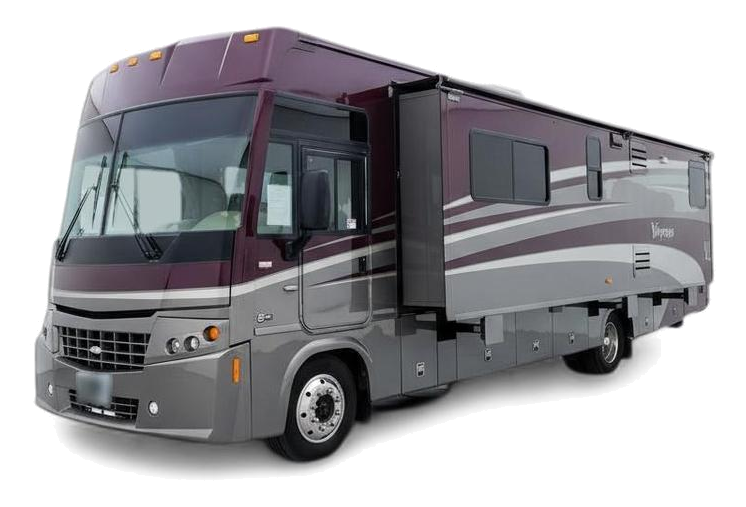
The 2007 Workhorse W22 is a Class 4-6 chassis typically utilized for custom motorhome conversions and heavy-duty commercial applications. Primarily produced from the early 2000s until Workhorse Custom Chassis ceased operations in 2013, the W22 is a robust chassis known for its substantial towing and hauling capabilities. While specific trims vary greatly due to its nature as a chassis, its popularity stems from its strong foundation for building larger recreational vehicles and specialized commercial trucks, offering a durable platform for various needs.
The Good
The 2007 Workhorse W22 excels in raw performance and reliability, offering a strong, stable platform for demanding tasks. Its robust construction appeals to practical buyers, while the potential for customized living or working spaces provides emotional satisfaction for owners.
The Bad
Owners should be aware of potential issues with the Allison transmission, brake system components, and the chassis's susceptibility to rust, especially in harsh climates. Regular maintenance is crucial to mitigate these common concerns.
2007 WORKHORSE W22: Quick Overview
- Engine Options: The 2007 Workhorse W22 chassis was predominantly equipped with a Chevrolet-designed 8.1L V8 Vortec gasoline engine. Diesel options, often from Cummins or Caterpillar, were available in some configurations, particularly for higher GVWR models.
- Horsepower: The 8.1L V8 Vortec gasoline engine typically produced around 330 horsepower. Diesel engine options would offer higher horsepower figures, often exceeding 300 hp depending on the specific engine and tuning.
- Fuel Economy: Fuel economy for the W22 chassis is generally poor due to its size, weight, and powerful engines. Owners typically report figures in the range of 7-12 miles per gallon, heavily dependent on load, terrain, and driving style.
- 0-60 Times: 0-60 mph times are not a primary focus for this type of chassis. When equipped as a fully loaded motorhome or commercial vehicle, acceleration is deliberately slow and steady, prioritizing stability over speed. Estimates would likely be in the 20-30 second range for a heavily laden vehicle.
- Towing Capacity: Towing capacity varies significantly based on the specific chassis configuration, GVWR, and any custom bodywork. However, W22 chassis are designed for substantial towing, often capable of towing trailers weighing 10,000 lbs or more when properly equipped and within legal weight limits.
- Trim-Level Features: As a chassis, Workhorse W22 doesn't have traditional trim levels like passenger vehicles. Instead, features are dictated by the OEM that purchases the chassis and builds upon it (e.g., RV manufacturers). Standard features on the chassis itself typically include power steering, power brakes, a robust suspension system designed for heavy loads, and often an integrated engine and transmission control system. Optional features would be determined by the coachbuilder and could range from advanced instrumentation to specific chassis enhancements for different applications.
2007 WORKHORSE W22 Specifications
Vehicle Information
| Year | 2007 |
| Make | WORKHORSE |
| Model | W22 |
| Trim | - |
| Style | - |
| Type | Recreational Vehicle |
| Category | Heavy Truck |
Manufacturing Details
| Made In | United States |
| Manufacturing City | UNION CITY |
Dimensions
| Doors | - |
| Curb Weight | - |
| Gross Vehicle Weight Rating | 26000 pounds |
| Overall Height | - |
| Overall Length | - |
| Overall Width | - |
| Wheelbase Length | - |
| Standard Seating | - |
Engine & Performance
| Engine | 8.1L V8 |
| Engine Size | 8.1L |
| Engine Cylinders | 8 |
| Transmission | Automatic 7-Speed |
| Transmission Type | Automatic |
| Transmission Speeds | 7-Speed |
| Drivetrain | Rear-Wheel Drive |
Additional Features
| Anti-Brake System | - |
| Steering Type | - |
Pricing
| Manufacturer Suggested Retail Price (MSRP) | - |
| Invoice Price | - |
| Delivery Charges | - |
Vehicle History Report
Vehicle
Specifications
Specifications
Ownership
History
History
All History
Events
Events
NMVTIS Title
History Check
History Check
Salvage/Rebuilt
Check
Check
Accident
Check
Check
Theft
Check
Check
Open Lien
Check
Check
Past Sale
Listings
Listings
Safety
Recalls
Recalls
Odometer
Check
Check
Market Price
Analysis
Analysis
What Problems Does the 2007 WORKHORSE W22 Have?
The 2007 Workhorse W22, like many heavy-duty chassis, has its share of frequently reported issues that owners should be aware of. One significant concern often cited is the reliability of the Allison transmission, particularly the electronic controls and shifting mechanisms. While generally robust, failures can be expensive to repair. Another common area of concern is the braking system. Over time, brake lines can corrode, and components like calipers and rotors may require frequent attention, especially in areas with road salt usage. Many owners have reported issues with ABS sensors and the overall responsiveness of the braking system as the vehicle ages.
Rust and corrosion are also significant long-term reliability concerns, particularly on the chassis frame and suspension components. This is more pronounced in regions with harsh winters or coastal environments. Regular undercoating and diligent washing can help mitigate this, but it remains a persistent challenge. The 8.1L Vortec V8 gasoline engine, while generally dependable, can experience issues such as intake manifold gasket leaks, which can lead to coolant leaks and potential overheating if not addressed promptly. Spark plug and ignition coil failures are also not uncommon.
While specific recalls for the 2007 W22 model year might be scarce and often relate to broader component issues from suppliers, it's crucial for owners to check the NHTSA website for any applicable safety recalls. Long-term reliability hinges heavily on proactive maintenance. Regular fluid changes, thorough inspections of critical systems, and addressing minor issues before they become major problems are paramount. The overall lifespan of a W22 chassis can be very long if well-maintained, often exceeding 200,000 miles, but this requires diligent care and investment in repairs.
Rust and corrosion are also significant long-term reliability concerns, particularly on the chassis frame and suspension components. This is more pronounced in regions with harsh winters or coastal environments. Regular undercoating and diligent washing can help mitigate this, but it remains a persistent challenge. The 8.1L Vortec V8 gasoline engine, while generally dependable, can experience issues such as intake manifold gasket leaks, which can lead to coolant leaks and potential overheating if not addressed promptly. Spark plug and ignition coil failures are also not uncommon.
While specific recalls for the 2007 W22 model year might be scarce and often relate to broader component issues from suppliers, it's crucial for owners to check the NHTSA website for any applicable safety recalls. Long-term reliability hinges heavily on proactive maintenance. Regular fluid changes, thorough inspections of critical systems, and addressing minor issues before they become major problems are paramount. The overall lifespan of a W22 chassis can be very long if well-maintained, often exceeding 200,000 miles, but this requires diligent care and investment in repairs.
How long will the 2007 WORKHORSE W22 last?
Based on owner data and typical maintenance practices, the 2007 Workhorse W22 chassis is built for longevity and can endure extensive service life, often exceeding 200,000 miles when properly maintained. Many motorhome conversions built on this chassis see service for 15-20 years or more. Its long-term durability is a strong suit, attributed to its heavy-duty construction and robust powertrain. However, weaknesses emerge over time, primarily related to corrosion on the frame and suspension components, especially in areas with road salt. Wear and tear on braking systems, transmission electronics, and exhaust components are also common as mileage accumulates. Proactive maintenance is the key differentiator for achieving maximum service life and mitigating potential costly repairs.
What Technology & Safety Features are Included?
The 2007 Workhorse W22, as a chassis platform rather than a finished vehicle, has a different approach to technology, entertainment, and safety features. Built-in tech is generally focused on the operational aspects of the chassis. This includes an instrument cluster with essential gauges for speed, RPM, fuel level, engine temperature, and oil pressure. Diagnostic systems would provide alerts for the engine and transmission. Entertainment and driver-assistance features are almost entirely determined by the coachbuilder or upfitter who converts the chassis. For motorhomes, this could range from basic AM/FM radios to sophisticated infotainment systems with navigation, backup cameras, and integrated entertainment systems for living quarters.
Driver-assistance features, beyond standard power steering and anti-lock braking systems (ABS), were not a significant focus for chassis manufacturers at this time. Features like lane departure warnings, adaptive cruise control, or advanced emergency braking were largely absent or would be aftermarket additions. Safety features are primarily inherent to the robust construction of the chassis, designed to handle significant loads and provide stability. This includes a strong frame, sturdy suspension, and reliable brakes. Seatbelts for the driver and any passenger seats are standard.
As a commercial chassis and a basis for RVs, official crash-test ratings in the conventional sense (like those for passenger cars from NHTSA or IIHS) are not typically available for the W22 chassis itself. The safety of the final vehicle depends heavily on the design and construction of the body built upon it. Optional features on the chassis itself would likely be limited to specific drivetrain configurations, suspension upgrades for particular load requirements, or auxiliary power take-off (PTO) options for commercial applications. The integration of advanced technology and comfort features falls entirely to the companies that purchase and customize these chassis.
Driver-assistance features, beyond standard power steering and anti-lock braking systems (ABS), were not a significant focus for chassis manufacturers at this time. Features like lane departure warnings, adaptive cruise control, or advanced emergency braking were largely absent or would be aftermarket additions. Safety features are primarily inherent to the robust construction of the chassis, designed to handle significant loads and provide stability. This includes a strong frame, sturdy suspension, and reliable brakes. Seatbelts for the driver and any passenger seats are standard.
As a commercial chassis and a basis for RVs, official crash-test ratings in the conventional sense (like those for passenger cars from NHTSA or IIHS) are not typically available for the W22 chassis itself. The safety of the final vehicle depends heavily on the design and construction of the body built upon it. Optional features on the chassis itself would likely be limited to specific drivetrain configurations, suspension upgrades for particular load requirements, or auxiliary power take-off (PTO) options for commercial applications. The integration of advanced technology and comfort features falls entirely to the companies that purchase and customize these chassis.
What Colors Options are Available?
2007 WORKHORSE W22 Prices and Market Value
The original price of a 2007 Workhorse W22 chassis varied significantly depending on the specific configuration, intended application (motorhome chassis vs. commercial truck chassis), and any optional equipment. However, a bare chassis could range from $50,000 to $80,000 or more. When built into a complete motorhome or commercial vehicle, the total cost would be considerably higher, often well into six figures. Current used market prices for a 2007 Workhorse W22 chassis, often found within older motorhomes or as standalone chassis, can range from $10,000 to $30,000, heavily dependent on mileage, condition, and whether it's part of a larger vehicle. Depreciation is steep initially, but older, well-maintained W22s can hold their value better than many other vehicles due to their robust build. Resale value is primarily influenced by the condition of the chassis components, engine and transmission health, and overall maintenance history. RVs built on the W22 chassis can retain value longer if they are well-cared for and feature desirable amenities.
2007 WORKHORSE W22 Cost of Ownership
Owning a 2007 Workhorse W22 is generally considered costly. Insurance premiums can be higher due to its classification as a heavy-duty vehicle, especially when used for commercial purposes or as a motorhome. Fuel costs are significant, with the 8.1L V8 engine achieving low MPG figures, making it uneconomical for daily driving. Maintenance requires specialized mechanics familiar with heavy-duty truck components, which can increase labor costs. Repairs, particularly for the transmission or engine, can be very expensive. Overall, while its initial price and robust build offer long-term potential, the ongoing expenses for fuel, maintenance, and potential repairs position the W22 as a costly vehicle to own and operate.
2007 WORKHORSE W22 Fuel Efficiency
Fuel Type
Gasoline
Fuel Capacity
-
City Mileage
-
Highway Mileage
-
2007 WORKHORSE W22 Recalls & Defects
Service Brakes, Hydraulic
Recall date
2009-04-03
Recall no.
09v110000
Source
NHTSA
Summary
Navistar IS Recalling Certain Model Year MY 2001-2008 Workhorse W20, W21 and W22 Chassis and Certain Model Year 2009 Through 2011 Monaco RV Admiral, Arista, Monarch, and Riptide Recreational Vehicles Equipped With Axles That Include Bosch Zops or Zoht PIN Slide Hydraulic Disc Brakes. When Combined With Occasional or Seasonal Vehicle Operation MAY Experience Calipers Sticking IN THE Applied Position. This CAN Result IN Abnormal Heat Generation AT THE Wheel END Causing Brake Drag. THE Driver Would Normally Have Warning OF THE Brake Drag IF Undetected BY THE Driver.
Consequence
THE Temperature Increase AT THE Wheel END CAN Eventually Lead TO Soft Pedal Conditions DUE TO Brake Fluid Boil, and Possible Extended Stopping Distance Increasing THE Risk OF A Crash.
Remedy
Workhorse Dealers Will Replace All Four Bosch Brake Caliper Assemblies Free OF Charge. THE Safety Recall Began ON September 16, 2010. Owners MAY Contact Workhorse AT 1-877-246-7731.
Notes
Workhorse Recall NO. 50901-C and 51101-C.owners MAY Also Contact THE National Highway Traffic Safety Administration's Vehicle Safety Hotline AT 1-888-327-4236 (Tty 1-800-424-9153), or GO TO <A Href=http://Www.safercar.gov>http://www.safercar.gov</a> .
2007 WORKHORSE W22 Warranty
Basic
Original warranty
0 months / No data
Estimated remaining
Expired
Powertrain
Original warranty
0 months / No data
Estimated remaining
Expired
Rust
Original warranty
0 months / No data
Estimated remaining
Expired
2007 WORKHORSE W22 Insurance
Insurance for a 2007 WORKHORSE W22 is moderately priced, reflecting its status as a Recreational Vehicle with strong safety ratings and
reasonable repair costs.
reasonable repair costs.
How Does the 2007 WORKHORSE W22 Compare to Other Recreational Vehicle?
The 2007 Workhorse W22 operated in a niche market, primarily serving as a robust chassis for Class 4-6 applications, especially for motorhome manufacturers. Its key rivals would include chassis from manufacturers like Freightliner (e.g., the Freightliner M2 chassis) and sometimes Ford (e.g., F-Series Super Duty chassis used for heavier applications).
Performance: The W22, with its 8.1L Vortec V8, offered strong torque and hauling capabilities, suitable for its intended purpose. Freightliner chassis often provided a wider range of engine options, including more powerful diesel engines, giving them an edge in outright performance and towing capacity for the heaviest loads. Ford chassis, while capable, were generally aimed at slightly lighter-duty applications compared to the W22 or Freightliner.
Features: As a chassis, features were determined by the coachbuilder. However, Workhorse was known for its integrated systems. Freightliner often offered more advanced integrated diagnostics and potentially a wider array of factory-installed comfort and safety options on their chassis. Ford chassis typically provided a more familiar automotive-like interior in the driver's cabin for their Super Duty trucks, which could be appealing for certain applications.
Reliability: Workhorse chassis generally had a reputation for being durable, but specific issues, as mentioned, could arise. Freightliner chassis are well-regarded for their long-term reliability and extensive dealer support network, a significant advantage for owners. Ford's Super Duty chassis are also known for their robust build, though their specific reliability in heavy commercial or RV use might vary compared to dedicated chassis manufacturers.
Price: Pricing is complex as it refers to the chassis cost before conversion. Workhorse was often positioned as a competitive option. Freightliner chassis could be more expensive, reflecting their premium build and brand reputation. Ford chassis, when used for heavier conversions, could also be a significant investment.
Alternatives: For motorhome applications, similar or better alternatives would include the Freightliner chassis (e.g., XCS or custom variants), which often offer superior diesel engine options and a wider support network. For some heavier truck conversions, International or Hino chassis might be considered. If the application is closer to a heavy-duty truck rather than a full-size RV, Ford F-Series Super Duty chassis (F-650/F-750) are also relevant competitors.
Performance: The W22, with its 8.1L Vortec V8, offered strong torque and hauling capabilities, suitable for its intended purpose. Freightliner chassis often provided a wider range of engine options, including more powerful diesel engines, giving them an edge in outright performance and towing capacity for the heaviest loads. Ford chassis, while capable, were generally aimed at slightly lighter-duty applications compared to the W22 or Freightliner.
Features: As a chassis, features were determined by the coachbuilder. However, Workhorse was known for its integrated systems. Freightliner often offered more advanced integrated diagnostics and potentially a wider array of factory-installed comfort and safety options on their chassis. Ford chassis typically provided a more familiar automotive-like interior in the driver's cabin for their Super Duty trucks, which could be appealing for certain applications.
Reliability: Workhorse chassis generally had a reputation for being durable, but specific issues, as mentioned, could arise. Freightliner chassis are well-regarded for their long-term reliability and extensive dealer support network, a significant advantage for owners. Ford's Super Duty chassis are also known for their robust build, though their specific reliability in heavy commercial or RV use might vary compared to dedicated chassis manufacturers.
Price: Pricing is complex as it refers to the chassis cost before conversion. Workhorse was often positioned as a competitive option. Freightliner chassis could be more expensive, reflecting their premium build and brand reputation. Ford chassis, when used for heavier conversions, could also be a significant investment.
Alternatives: For motorhome applications, similar or better alternatives would include the Freightliner chassis (e.g., XCS or custom variants), which often offer superior diesel engine options and a wider support network. For some heavier truck conversions, International or Hino chassis might be considered. If the application is closer to a heavy-duty truck rather than a full-size RV, Ford F-Series Super Duty chassis (F-650/F-750) are also relevant competitors.
Final Verdict: Is the 2007 WORKHORSE W22 a Good Recreational Vehicle?
The 2007 Workhorse W22 is ideal for individuals or companies seeking a robust and capable chassis for custom motorhome conversions or specialized commercial vehicles that require significant hauling and towing power. It's worth buying primarily on the used market, provided it has been meticulously maintained. Buyers should be prepared for potentially higher ongoing costs related to fuel, maintenance, and repairs. A thorough inspection by a mechanic experienced with heavy-duty chassis is essential. It is less about specific trims and more about the condition of the chassis, engine, and transmission. This chassis is not suitable for those seeking economy or low running costs; it's for those prioritizing a strong foundation for a heavy-duty build and willing to invest in its upkeep.

Jovan
Jovan specializes in interpreting vehicle records and making sense of VIN data. With over 10 years of experience in the automotive data industry, his work ensures that every report is clear, accurate, and useful for car buyers.