The 2003 Freightliner FL70 is a robust Class 7 truck, a popular choice in the medium-duty segment, produced by Freightliner Trucks. It primarily served commercial and vocational applications, including delivery, construction, and specialized hauling. While specific trims varied based on customization for vocational use, its broad utility and Freightliner's reputation for durability made it a standout. Pricing when new varied significantly based on configuration but typically ranged from $50,000 to $100,000+.
The Good
The 2003 Freightliner FL70 offered strong performance for its class, exceptional reliability backed by Freightliner's engineering, and a surprisingly comfortable cab for long hauls. Its rugged design instilled confidence, while its workhorse nature provided excellent long-term value for businesses.
The Bad
Potential buyers of the 2003 Freightliner FL70 should be aware of possible issues with older exhaust gas recirculation (EGR) systems, wear and tear on suspension components, and the general need for diligent maintenance. Electrical gremlins can also surface in older vehicles.
2003 Freightliner FL70: Quick Overview
- Engine Options: The 2003 Freightliner FL70 was commonly equipped with robust diesel engines from manufacturers like Cummins and Mercedes-Benz (DaimlerChrysler).
- Cummins ISB Series: Typically offered in displacements such as 5.9 liters.
- Mercedes-Benz MBE Series: Also available, providing efficient power.
- Horsepower: Engine power output varied depending on the specific engine and configuration. Common ranges included:
- Cummins ISB: Approximately 170 hp to 230 hp.
- Mercedes-Benz MBE: Similar horsepower ratings, often tuned for torque.
- Fuel Economy: Fuel economy for medium-duty trucks is highly dependent on load, terrain, driving style, and specific engine tune. For the FL70, typical figures might range from 8-12 miles per gallon (MPG), with heavier loads and less optimal conditions pushing it towards the lower end.
- 0-60 Times: 0-60 mph acceleration is not a primary metric for trucks of this nature and is highly variable. Loaded or unloaded, these vehicles are built for steady progress rather than rapid acceleration, with estimates being largely impractical and not representative of their intended use.
- Towing Capacity: The towing capacity is a critical specification for the FL70, as it was designed for hauling. This capability varied significantly based on the chassis, rear axle ratio, and braking systems. Capacities could range from approximately 10,000 lbs for lighter configurations up to 30,000 lbs or more for heavier-duty setups, often depending on whether it was equipped for fifth-wheel or gooseneck towing.
- Trim-Level Features: As a vocational truck, the FL70 was highly customizable, and specific "trims" were less about luxury packages and more about functional configurations. Key features and options included:
- Chassis Configurations: Various wheelbase options, single rear axle, or tandem rear axles.
- Body Upfits: Configured for dump trucks, box trucks, flatbeds, utility bodies, service trucks, tow trucks, and more.
- Cab Options: Standard day cab configuration was most common, designed for functionality. Extended or crew cabs were less common but available for specific needs.
- Suspension: Leaf spring suspension was standard, with air suspension options available for improved ride quality and load leveling.
- Braking Systems: Air brakes were standard for enhanced stopping power.
- Powertrain Options: Choice of manual or automatic transmissions.
- Interior Amenities: Focused on durability and utility, with basic comforts for the driver. Vinyl or cloth seating, straightforward dashboards, and essential instrumentation.
2003 Freightliner FL70 Specifications
Vehicle Information
| Year | 2003 |
| Make | Freightliner |
| Model | FL70 |
| Trim | - |
| Style | - |
| Type | Truck |
| Category | Medium Truck |
Manufacturing Details
| Made In | Mexico |
| Manufacturing City | SANTIAGO |
Dimensions
| Doors | - |
| Curb Weight | - |
| Gross Vehicle Weight Rating | - |
| Overall Height | - |
| Overall Length | - |
| Overall Width | - |
| Wheelbase Length | - |
| Standard Seating | - |
Engine & Performance
| Engine | 6.4L I6 |
| Engine Size | 6.4L |
| Engine Cylinders | 6 |
| Transmission | - |
| Transmission Type | - |
| Transmission Speeds | - |
| Drivetrain | Rear-Wheel Drive |
Additional Features
| Anti-Brake System | - |
| Steering Type | - |
Pricing
| Manufacturer Suggested Retail Price (MSRP) | - |
| Invoice Price | - |
| Delivery Charges | - |
Vehicle History Report
Vehicle
Specifications
Specifications
Ownership
History
History
All History
Events
Events
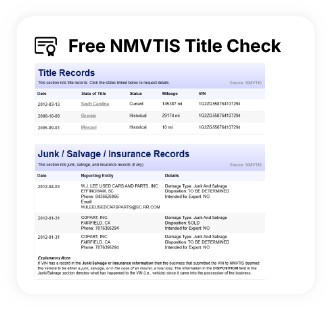
NMVTIS Title
History Check
History Check
Salvage/Rebuilt
Check
Check
Accident
Check
Check
Theft
Check
Check
Open Lien
Check
Check
Past Sale
Listings
Listings
Safety
Recalls
Recalls
Odometer
Check
Check
Market Price
Analysis
Analysis
What Problems Does the 2003 Freightliner FL70 Have?
The 2003 Freightliner FL70, like many commercial vehicles of its era, can present a range of issues as it ages. One of the more frequently discussed concerns revolves around the Exhaust Gas Recirculation (EGR) system. These systems, designed to reduce emissions, can become clogged with soot over time, leading to reduced engine performance, increased smoke, and potential engine fault codes. Cleaning or replacing EGR components is a common maintenance task for these trucks. Another area to watch is the fuel injection system, particularly with older diesel engines. Issues with injectors, fuel pumps, or related sensors can lead to rough running, poor fuel economy, or starting problems. For Cummins ISB engines, specific injector issues have been noted. Electrical system issues are also not uncommon in vehicles of this age. Wiring harnesses can degrade, corrosion can affect connectors, and sensors can fail, leading to a variety of intermittent or persistent electrical gremlins, including issues with lights, gauges, or engine controls. Suspension and braking components, due to the nature of their work, are also subject to wear. Leaf springs can weaken or break, and brake components (pads, rotors, air brake system parts) require regular inspection and replacement. While there were no widespread, model-year-specific major recalls that significantly plagued the 2003 FL70 across the board, it is always prudent for owners to check with Freightliner or the NHTSA for any applicable safety recalls that may have been issued. Long-term reliability hinges heavily on the quality and consistency of maintenance. Trucks that have been regularly serviced, with fluids changed, filters replaced, and proactive attention to potential issues, tend to hold up much better than those neglected. The powertrain is generally robust if maintained, but auxiliary systems and wear items are where most problems tend to arise on a 2003 model.
How long will the 2003 Freightliner FL70 last?
Based on owner data and typical usage patterns for vocational trucks, the 2003 Freightliner FL70 is expected to provide significant service life. With diligent maintenance, including regular oil changes, filter replacements, and proactive attention to wear items, it's not uncommon for these trucks to reach 300,000 to 500,000 miles or even more. The underlying chassis and powertrain are generally built for durability. However, weaknesses that emerge over time often relate to the auxiliary systems and components exposed to the rigors of commercial use. Electrical components, suspension parts, and exhaust systems can be prone to wear and require replacement or repair well before the core engine or transmission give out. Consistent maintenance is the key determinant of long-term durability.
What Technology & Safety Features are Included?
The 2003 Freightliner FL70 was designed primarily as a workhorse, prioritizing functionality and durability over advanced technology, driver assistance, or luxury entertainment features commonly found in modern passenger vehicles. Consequently, its built-in tech is relatively basic.
Standard Features:
The core technology would typically include a functional AM/FM radio and possibly a cassette player for entertainment. Instrumentation would be straightforward, with essential gauges for engine status, speed, fuel, and air pressure. Power windows and locks might have been available as options or on higher-spec configurations, but manual operation was common. Basic climate control, including heating and ventilation, was standard, with air conditioning often being an optional upgrade.
Driver-Assistance and Safety Features:
Driver-assistance features in the traditional sense (like lane departure warning or adaptive cruise control) were virtually non-existent on the 2003 FL70. The focus was on mechanical safety systems. Air brakes were a standard and critical safety feature, providing robust stopping power. Seat belts were mandatory. Visibility was generally good due to the truck's upright cab design and large windows. Some models might have offered optional heated mirrors for improved visibility in inclement weather.
Optional Features:
Beyond basic comforts, options were typically focused on enhancing vocational capability and driver comfort for long hours. This could include upgraded seating materials, auxiliary lighting, heavy-duty alternators, and specialized electronic controls for specific upfits (like lift gates or hydraulic systems).
Crash-Test Ratings:
Formal crash-test ratings from organizations like the NHTSA or IIHS for commercial trucks like the 2003 Freightliner FL70 are not readily available in the same way they are for light-duty vehicles. The testing methodologies and reporting standards are different, and these trucks are evaluated based on their structural integrity for their intended use and cargo protection, rather than passenger car-style impact simulations. Their robust construction and emphasis on frame strength and braking systems are their primary safety attributes.
Standard Features:
The core technology would typically include a functional AM/FM radio and possibly a cassette player for entertainment. Instrumentation would be straightforward, with essential gauges for engine status, speed, fuel, and air pressure. Power windows and locks might have been available as options or on higher-spec configurations, but manual operation was common. Basic climate control, including heating and ventilation, was standard, with air conditioning often being an optional upgrade.
Driver-Assistance and Safety Features:
Driver-assistance features in the traditional sense (like lane departure warning or adaptive cruise control) were virtually non-existent on the 2003 FL70. The focus was on mechanical safety systems. Air brakes were a standard and critical safety feature, providing robust stopping power. Seat belts were mandatory. Visibility was generally good due to the truck's upright cab design and large windows. Some models might have offered optional heated mirrors for improved visibility in inclement weather.
Optional Features:
Beyond basic comforts, options were typically focused on enhancing vocational capability and driver comfort for long hours. This could include upgraded seating materials, auxiliary lighting, heavy-duty alternators, and specialized electronic controls for specific upfits (like lift gates or hydraulic systems).
Crash-Test Ratings:
Formal crash-test ratings from organizations like the NHTSA or IIHS for commercial trucks like the 2003 Freightliner FL70 are not readily available in the same way they are for light-duty vehicles. The testing methodologies and reporting standards are different, and these trucks are evaluated based on their structural integrity for their intended use and cargo protection, rather than passenger car-style impact simulations. Their robust construction and emphasis on frame strength and braking systems are their primary safety attributes.
What Colors Options are Available?
2003 Freightliner FL70 Prices and Market Value
When new, the 2003 Freightliner FL70's price varied significantly based on its specific configuration, engine, transmission, and vocational upfit, but generally ranged from approximately $50,000 to well over $100,000 for highly specialized models.
On the current used market, prices for a 2003 Freightliner FL70 can range from $5,000 to $25,000 or more. This wide disparity is heavily influenced by mileage, overall condition, maintenance history, the type of body installed (e.g., a well-maintained box truck versus a worn-out dump truck), and the specific engine and transmission.
Depreciation is steep in the first few years, typical for commercial vehicles, but after a decade or more, the value stabilizes and is primarily determined by condition and operational readiness. Factors affecting resale value include:

On the current used market, prices for a 2003 Freightliner FL70 can range from $5,000 to $25,000 or more. This wide disparity is heavily influenced by mileage, overall condition, maintenance history, the type of body installed (e.g., a well-maintained box truck versus a worn-out dump truck), and the specific engine and transmission.
Depreciation is steep in the first few years, typical for commercial vehicles, but after a decade or more, the value stabilizes and is primarily determined by condition and operational readiness. Factors affecting resale value include:

- Mileage and engine hours
- Condition of the engine, transmission, and drivetrain
- Structural integrity (rust, frame damage)
- Condition and functionality of the vocational upfit
- Maintenance records
- Tire condition
- Current market demand for specific truck types.

2003 Freightliner FL70 Cost of Ownership
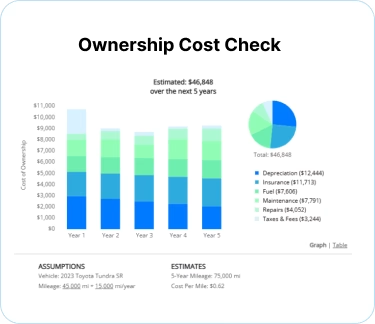
Owning a 2003 Freightliner FL70 involves substantial costs beyond the purchase price. Insurance will be higher than for a passenger car, reflecting its commercial use and value. Fuel costs, with diesel prices fluctuating, are a significant ongoing expense, averaging 8-12 MPG depending on use. Maintenance is critical and requires regular budgeting for oil changes, filters, and inspections. Repairs can be costly, especially for engine or transmission work. Overall, the FL70 is not an economical vehicle to own in the same vein as a car; it is a costly but potentially profitable tool for businesses that require its hauling and vocational capabilities. Regular, proactive maintenance is key to managing long-term costs.

2003 Freightliner FL70 Fuel Efficiency
Fuel Type
Diesel
Fuel Capacity
-
City Mileage
-
Highway Mileage
-
2003 Freightliner FL70 Warranty
Basic
Original warranty
0 months / No data
Estimated remaining
Expired
Powertrain
Original warranty
0 months / No data
Estimated remaining
Expired
Rust
Original warranty
0 months / No data
Estimated remaining
Expired
2003 Freightliner FL70 Insurance
Insurance for a 2003 Freightliner FL70 is moderately priced, reflecting its status as a Truck with strong safety ratings and
reasonable repair costs.
How Does the 2003 Freightliner FL70 Compare to Other Truck?
The 2003 Freightliner FL70 operated in the highly competitive medium-duty truck market. Key rivals included models from International (e.g., 4000 Series), Kenworth (e.g., T300), Peterbilt (e.g., 330), and Sterling (though Sterling's market presence would evolve).
Performance: In terms of raw engine power and towing capacity, the FL70 was generally competitive, offering robust diesel engines from Cummins and Mercedes-Benz. Rivals like International and Kenworth also provided strong powertrain options. Performance was rated on hauling capability and durability rather than speed.
Features: Feature sets were typically utilitarian across the board for this era. Comfort and technology were secondary to functionality. Freightliner's cab design was known for being practical. Competitors offered similar levels of basic amenities, with higher-end options usually limited to creature comforts like air-ride seats or better sound systems, which were optional on most.
Reliability: Freightliner has a reputation for solid, dependable trucks, and the FL70 generally upheld this. However, reliability is highly dependent on maintenance. In this regard, brands like Kenworth and Peterbilt often command a premium for their perceived build quality and long-term durability, though their initial price point was typically higher. International trucks of this era could be robust but sometimes faced more varied reliability reports. Sterling's reliability could also vary.
Price: The FL70 typically offered a competitive price point, balancing cost with Freightliner's established reputation. Rivals like Kenworth and Peterbilt were often more expensive when new, reflecting their premium positioning. International and Sterling might have offered slightly lower price points in some configurations.
Alternatives:
Performance: In terms of raw engine power and towing capacity, the FL70 was generally competitive, offering robust diesel engines from Cummins and Mercedes-Benz. Rivals like International and Kenworth also provided strong powertrain options. Performance was rated on hauling capability and durability rather than speed.
Features: Feature sets were typically utilitarian across the board for this era. Comfort and technology were secondary to functionality. Freightliner's cab design was known for being practical. Competitors offered similar levels of basic amenities, with higher-end options usually limited to creature comforts like air-ride seats or better sound systems, which were optional on most.
Reliability: Freightliner has a reputation for solid, dependable trucks, and the FL70 generally upheld this. However, reliability is highly dependent on maintenance. In this regard, brands like Kenworth and Peterbilt often command a premium for their perceived build quality and long-term durability, though their initial price point was typically higher. International trucks of this era could be robust but sometimes faced more varied reliability reports. Sterling's reliability could also vary.
Price: The FL70 typically offered a competitive price point, balancing cost with Freightliner's established reputation. Rivals like Kenworth and Peterbilt were often more expensive when new, reflecting their premium positioning. International and Sterling might have offered slightly lower price points in some configurations.
Alternatives:
- Similar Alternatives: For those seeking comparable capability and price, models like the International 4300 or Sterling Acterra would be direct competitors. They offered similar vocational applications and powertrain options.
- Potentially Better Alternatives (depending on priority): If maximum perceived long-term durability and resale value are paramount, even at a higher initial cost, a Kenworth T300 or Peterbilt 330 from the same era might be considered. These brands often hold their value better and are associated with slightly higher build quality in the eyes of many operators.
Final Verdict: Is the 2003 Freightliner FL70 a Good Truck?
The 2003 Freightliner FL70 is ideal for small to medium-sized businesses or individuals who require a dependable, no-frills work truck for vocational applications such as delivery, construction, utility work, or specialized hauling. It's not a vehicle for those seeking modern amenities or luxury.
It is worth buying if purchased with realistic expectations about its age and potential maintenance needs. As a new vehicle in 2003, it represented solid value. Today, buying a 2003 FL70 used is the only option. It is most worthwhile under specific conditions:
- Excellent Maintenance Records: A history of diligent servicing is paramount.
- Thorough Inspection: A pre-purchase inspection by a qualified mechanic is essential.
- Appropriate Upfit: Ensure the existing vocational body (dump bed, box, etc.) meets your needs and is in good condition.
- Budget for Maintenance: Be prepared for ongoing repair and maintenance costs inherent to any older commercial vehicle.