
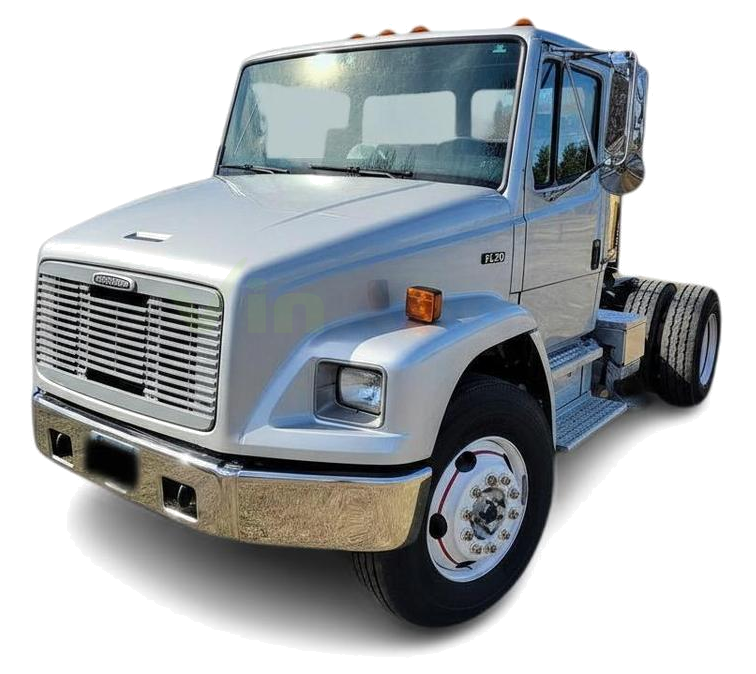
The Good
The 2000 Freightliner FL70 offers proven reliability and strong performance, ensuring peace of mind for practical buyers. Its durable build and functional design translate to long-term value, while a surprisingly comfortable cab provides a sense of command and capability for the driver, appealing to both heart and head.
The Bad
When considering a 2000 Freightliner FL70, potential buyers should watch for signs of wear and tear on the drivetrain, particularly with high-mileage units. Electrical system gremlins and occasional issues with the air brake system are also points to inspect carefully during any pre-purchase evaluation.
2000 Freightliner FL70: Quick Overview
- Engine Options: The 2000 Freightliner FL70 was typically offered with a range of robust diesel engines. Common options included the Cummins ISC series and sometimes the Caterpillar C7 engine. These engines were known for their durability and power output suitable for heavy-duty work.
- Horsepower: Horsepower ratings varied depending on the specific engine chosen, but generally ranged from approximately 250 horsepower up to 330 horsepower. This provided ample power for various commercial applications.
- Fuel Economy: Fuel economy for a vehicle of this class is highly dependent on load, terrain, and driving style. However, estimates suggest figures in the range of 8-12 miles per gallon (MPG) for the diesel engines, which is typical for Class 7 trucks.
- 0-60 Times: 0-60 mph acceleration times are not a primary metric for commercial trucks like the FL70 and are rarely tested or published. The focus is on load-carrying capacity and sustained performance, not rapid acceleration.
- Towing Capacity: The towing capacity is highly variable, depending on the chassis configuration (e.g., single rear axle, tandem rear axle), axle ratios, and overall Gross Vehicle Weight Rating (GVWR). As a Class 7 truck, it is designed to handle substantial trailer weights, often in the tens of thousands of pounds, but specific ratings require checking the VIN and truck specifications.
- Trim-Level Features: The FL70 was more about vocational application than traditional trim levels. Features were dictated by the intended use. Common configurations included:
- Day Cab: Standard cab for short-haul or local delivery, offering basic amenities.
- Extended Cab: Provided a bit more interior space for tools or short overnight trips.
- Chassis Configurations: Available as a straight truck chassis for box trucks, dump trucks, service trucks, etc., or as a tractor for towing fifth-wheel trailers.
- Powertrain Options: Choice of manual or automatic transmissions (e.g., Allison automatics).
- Suspension Systems: Various leaf spring or air-ride suspension options to suit load and ride comfort requirements.
- Braking Systems: Standard air brakes for reliable stopping power.
- Interior Amenities: Basic but functional interiors focused on durability and driver ergonomics, with options for upgraded seating, air conditioning, and infotainment systems depending on the vocational package.
2000 Freightliner FL70 Specifications
Vehicle Information
| Year | 2000 |
| Make | Freightliner |
| Model | FL70 |
| Trim | - |
| Style | Base Truck RWD 4AT 7.2L I6 |
| Type | Pickup Truck |
| Category | commercial |
Manufacturing Details
| Made In | United States |
| Manufacturing City | MT. HOLLY |
Dimensions
| Doors | 4-Door |
| Curb Weight | - |
| Gross Vehicle Weight Rating | - |
| Overall Height | - |
| Overall Length | - |
| Overall Width | - |
| Wheelbase Length | - |
| Standard Seating | - |
Engine & Performance
| Engine | 7.2L I6 |
| Engine Size | 7.2L |
| Engine Cylinders | 6 |
| Transmission | 4-Speed Automatic |
| Transmission Type | Automatic |
| Transmission Speeds | 4-Speed |
| Drivetrain | Rear-Wheel Drive |
Additional Features
| Anti-Brake System | - |
| Steering Type | - |
Pricing
| Manufacturer Suggested Retail Price (MSRP) | - |
| Invoice Price | - |
| Delivery Charges | - |
Vehicle History Report
Specifications
History
Events
History Check
Check
Check
Check
Check
Listings
Recalls
Check
Analysis
What Problems Does the 2000 Freightliner FL70 Have?
Another area that owners sometimes report issues with is the electrical system. This can manifest as intermittent problems with lights, sensors, or dashboard indicators. Given the age of the vehicle, corrosion on connectors or failing grounds can contribute to these gremlins. Maintenance and regular checks of wiring harnesses are crucial.
The air brake system, while robust, requires diligent maintenance. Issues can arise from worn air lines, leaking seals in the air compressor, or problems with the air dryer. Regular inspections and proper maintenance are key to preventing failures in this critical safety system.
Some anecdotal reports suggest potential issues with the transmission, especially if the vehicle has been subjected to heavy workloads without proper fluid changes and maintenance. Clutch wear in manual transmissions or torque converter issues in automatics can occur over time.
Regarding specific model years, the 2000 model year is generally considered part of a reliable production run for the FL70. However, it's important to note that any vehicle this age will have components that wear out. Issues are often more a function of mileage, maintenance history, and how the truck was operated rather than inherent flaws in the 2000 model year specifically. Recalls are less common for widespread mechanical failures on this model, but it is always advisable to check the NHTSA website for any outstanding recalls associated with the specific VIN.
How long will the 2000 Freightliner FL70 last?
What Technology & Safety Features are Included?
Driver-assistance features were minimal compared to modern vehicles. The primary focus was on the driver's control and awareness. Features like power steering, power brakes (air brakes), and a robust braking system were standard safety considerations. Some models might have offered options like heated mirrors for improved visibility in adverse weather.
Safety features were centered around occupant protection in a collision and preventing accidents. Standard safety equipment included seatbelts, durable construction designed to withstand considerable forces, and a robust chassis. Visibility from the cab was a design consideration, with large windows and well-positioned mirrors. Advanced driver-assistance systems such as lane departure warnings, adaptive cruise control, or automatic emergency braking were not available on this model.
Crash-test ratings for commercial vehicles like the Freightliner FL70 are not typically conducted or published in the same way as for passenger cars by organizations like the NHTSA or IIHS. The design emphasis for trucks is on structural integrity to protect occupants during heavy-duty operations and potential accidents. The FL70's solid frame and cab structure were designed with this in mind. Any available safety upgrades would have been vocational-specific, such as enhanced lighting packages or specialized safety equipment relevant to the truck's intended use (e.g., fire service, construction).
What Colors Options are Available?
2000 Freightliner FL70 Prices and Market Value
2000 Freightliner FL70 Cost of Ownership
2000 Freightliner FL70 Fuel Efficiency
2000 Freightliner FL70 Insurance
reasonable repair costs.
How Does the 2000 Freightliner FL70 Compare to Other Pickup Truck?
Performance: In terms of performance, the FL70 generally offers comparable engine power options to its rivals, with Cummins and Caterpillar engines providing robust hauling and pulling capabilities. Its chassis is designed for durability and work. International trucks of this era also offered strong diesel options, while Peterbilt and Kenworth are renowned for their powerful and reliable powertrains.
Features: Feature sets are often dictated by vocational needs rather than luxury. The FL70, International, Peterbilt, and Kenworth all offered functional, durable cabs. Comfort and creature comforts were secondary to work capability. Options for air conditioning, power steering, and various seating arrangements were common across all brands. Advanced technology was minimal across the board in 2000.
Reliability: Freightliner has a strong reputation for building reliable trucks, and the FL70 is no exception, especially when well-maintained. International trucks also offer good reliability, though some model years or specific components might have had more reported issues. Peterbilt and Kenworth are often considered the benchmarks for long-term reliability and build quality in the commercial truck industry, sometimes commanding a premium for their perceived robustness.
Price: When new, all these trucks were in a similar price bracket, with variations based on specific configurations and options. On the used market, the FL70 often presents a strong value proposition. International trucks can also be found at competitive prices. Peterbilt and Kenworth, due to their premium brand status and reputation for longevity, might retain higher resale values and thus command higher prices on the used market.
Alternatives:
- Similar: The International 4300/4400 series is a very similar alternative, offering comparable performance and durability at a competitive price point.
- Slightly Higher Tier: For those prioritizing extreme longevity and perceived build quality, a used Peterbilt Model 330/335 or Kenworth T300 from a similar model year might be considered, though they may come at a higher acquisition cost.
- Lower Cost: Depending on specific needs and condition, older models from other manufacturers or trucks with fewer creature comforts might offer a lower entry price.
Final Verdict: Is the 2000 Freightliner FL70 a Good Pickup Truck?
It is absolutely worth buying, particularly on the used market, provided it has been well-maintained. New FL70s are no longer produced, so the focus is on pre-owned units. A thorough pre-purchase inspection is critical. Buyers should prioritize trucks with comprehensive service records, lower mileage for their age, and those that align with their specific operational needs. Specific trims aren't as important as the overall condition, engine choice (Cummins is generally preferred), and transmission type. It represents excellent value for those seeking a workhorse truck that can deliver years of service.

Eugene S
Eugene is an automotive enthusiast with over 15 years of experience in the used car market. As a writer at VINCheck.info, he brings deep industry insight and a passion for cars, helping readers make smart, informed decisions. Eugene has written hundreds of used car reviews and is known for breaking down complex automotive topics into clear, actionable advice. Over the years, he has driven and worked on a wide range of vehicles—starting with tuning street cars in his early days and eventually focusing on performance upgrades and reliability improvements. Today, he specializes in evaluating used vehicles through the lens of real-world ownership and enthusiast needs. A longtime fan of Porsche, Eugene especially appreciates vehicles that blend durability with driving enjoyment.