
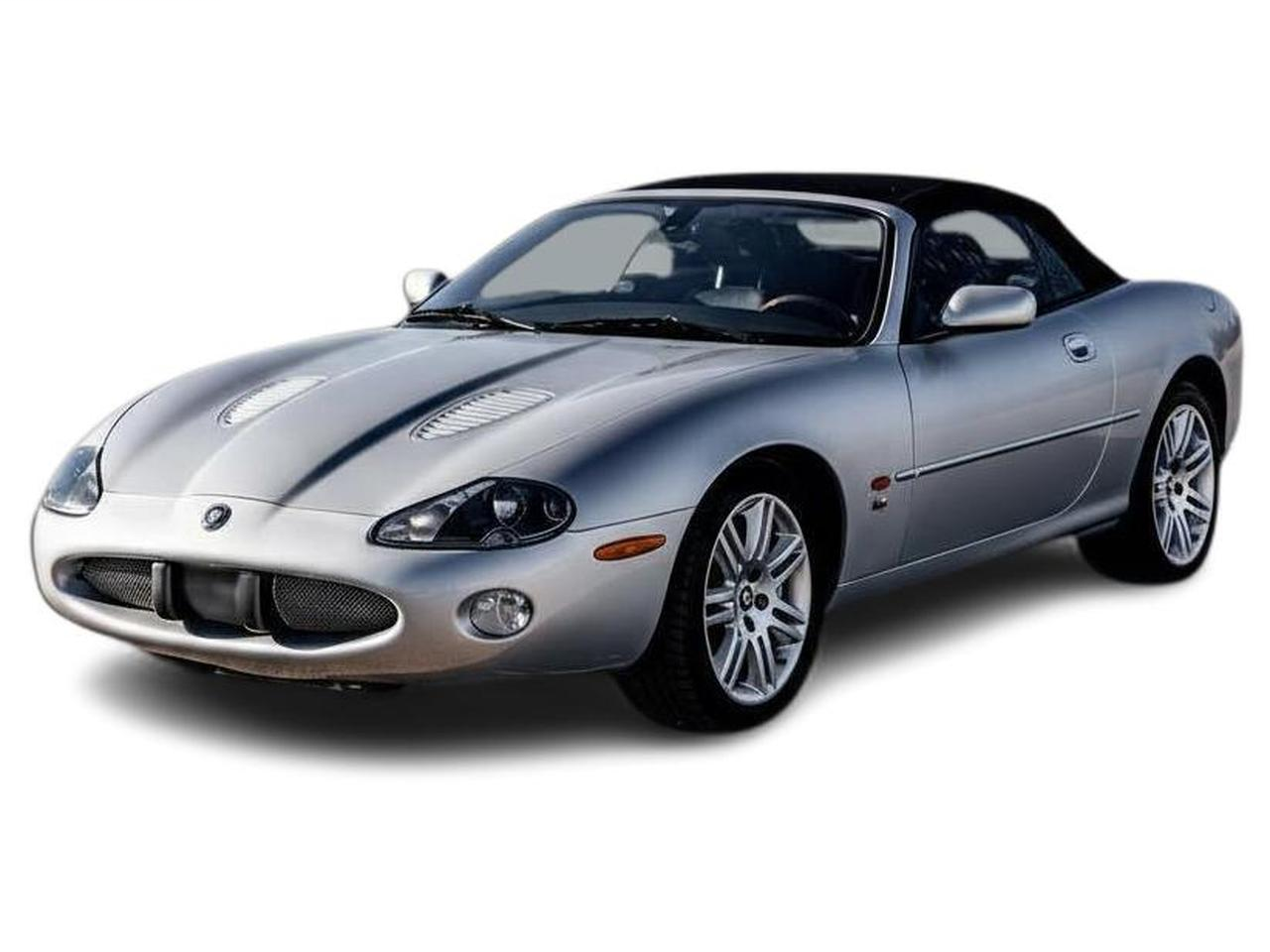
The 2003 Jaguar XKR is a luxury grand tourer that builds upon the elegant XK8. Produced from 1998 to 2006, the XKR was the supercharged variant, offering exhilarating performance. Available as a sleek coupe and a refined convertible, its key trim was the supercharged XKR. New pricing ranged from the high $70,000s to over $80,000. It stands out for its potent V8 engine, classic British styling, and a blend of sporty dynamics with opulent comfort, making it a desirable option for those seeking performance with prestige.
The Good
The 2003 XKR impresses with its thrilling supercharged V8 performance, offering a potent driving experience. Its timeless, sophisticated design appeals to emotion, while the plush interior and comfortable ride cater to practical needs. It offers a compelling blend of luxury and power at a competitive used price point.
The Bad
Potential buyers of the 2003 Jaguar XKR should be aware of common issues like aging electronics, particularly the climate control system and transmission problems. Rust can also be a concern, especially in the sills and wheel arches. Regular maintenance is crucial, and some repairs can be expensive.
2003 Jaguar XKR: Quick Overview
- Engine Options: The 2003 Jaguar XKR exclusively features a 4.2-liter supercharged V8 engine.
- Horsepower: This powerplant produces 390 horsepower.
- Torque: Torque output is rated at 399 lb-ft.
- Transmission: It comes paired with a 6-speed automatic transmission.
- Fuel Economy: Estimated EPA fuel economy is around 14 MPG city and 19 MPG highway.
- 0-60 MPH: Acceleration is brisk, typically ranging from 5.3 to 5.5 seconds.
- Towing Capacity: Towing capacity is not applicable as this is a luxury grand tourer.
- Trim-Level Features (XKR):
- Supercharged 4.2L V8 engine
- Adaptive Cruise Control
- Brembo front brakes
- 18-inch alloy wheels (standard, 19-inch optional)
- Leather upholstery with Alcantara headliner (on coupes)
- Wood interior trim
- Heated front seats and steering wheel
- Premium Alpine audio system
- Navigation system (optional)
- Power-adjustable front seats with memory
- Xenon headlights
- Front and side airbags
- Traction control and stability control
- Limited-slip differential
- Adjustable suspension settings (CATS - Computer Active Technology Suspension)
2003 Jaguar XKR Specifications
Vehicle Information
| Year | 2003 |
| Make | Jaguar |
| Model | XKR |
| Trim | - |
| Style | - |
| Type | Convertible |
| Category | Subcompact Car |
Manufacturing Details
| Made In | United Kingdom |
| Manufacturing City | BROWNS LANE |
Dimensions
| Doors | 2-Door |
| Curb Weight | 4039 pounds |
| Gross Vehicle Weight Rating | - |
| Overall Height | 50.70 inches |
| Overall Length | 187.40 inches |
| Overall Width | 72.00 inches |
| Wheelbase Length | 101.90 inches |
| Standard Seating | 4 |
Engine & Performance
| Engine | 4.2L V8 |
| Engine Size | 4.2L |
| Engine Cylinders | 8 |
| Transmission | 6-Speed Automatic |
| Transmission Type | Automatic |
| Transmission Speeds | 6-Speed |
| Drivetrain | Rear-Wheel Drive |
Additional Features
| Anti-Brake System | 4-Wheel ABS |
| Steering Type | Rack & Pinion |
Pricing
| Manufacturer Suggested Retail Price (MSRP) | $86,330 |
| Invoice Price | $78,561 |
| Delivery Charges | $645 |
Vehicle History Report
Vehicle
Specifications
Specifications
Ownership
History
History
All History
Events
Events
NMVTIS Title
History Check
History Check
Salvage/Rebuilt
Check
Check
Accident
Check
Check
Theft
Check
Check
Open Lien
Check
Check
Past Sale
Listings
Listings
Safety
Recalls
Recalls
Odometer
Check
Check
Market Price
Analysis
Analysis
What Problems Does the 2003 Jaguar XKR Have?
The 2003 Jaguar XKR, like many vehicles of its era, has its share of reported issues that potential owners should be aware of. A primary concern often cited is the reliability of the car's electronics. The climate control system, particularly the heater control valve and blower motor resistor, is prone to failure, leading to erratic or non-functional heating and air conditioning. Transmission issues, specifically with the ZF 6HP26 automatic gearbox, can manifest as harsh shifting, slipping, or complete failure, often requiring expensive rebuilds or replacements. This can be exacerbated by infrequent fluid changes. Another area of concern is electrical gremlins; owners have reported problems with power windows, central locking, and dashboard warning lights that can illuminate without apparent cause. The ABS module and related sensors are also known failure points. From a mechanical standpoint, while the supercharged V8 is powerful, it requires diligent maintenance. Spark plug changes can be labor-intensive. Cooling system components, such as the radiator and hoses, can degrade over time and lead to overheating. One significant long-term reliability concern for this generation of Jaguars is rust. Areas prone to corrosion include the rear wheel arches, sills, and around the sunroof (on coupes). Pre-purchase inspections should always include a thorough check for rust. While there were some recalls for earlier XK models, specific widespread recalls for the 2003 XKR are not as prominent as the common wear-and-tear or age-related issues. However, it is always recommended to check the NHTSA website for any outstanding recalls for a specific VIN. Overall, while the XKR offers a thrilling driving experience, its long-term reliability is often considered a mixed bag, heavily dependent on how well it was maintained and the extent to which common issues were addressed by previous owners.
How long will the 2003 Jaguar XKR last?
Based on owner data and typical maintenance habits, a well-maintained 2003 Jaguar XKR can reasonably expect to serve for an average of 150,000 to 200,000 miles. However, this is contingent on meticulous care. The long-term durability of the powertrain is generally good if oil changes are frequent and the supercharger receives attention. The primary weaknesses that emerge over time are related to the electrical systems and suspension components, which can require more frequent attention and expense as the car ages. Rust is a significant factor impacting long-term viability, particularly in regions with harsh winters. Cars that have been garaged and regularly serviced tend to hold up far better than those that have not.
What Technology & Safety Features are Included?
The 2003 Jaguar XKR offered a blend of luxury appointments and technology for its time, focusing on comfort and driver engagement rather than extensive driver-assistance systems as we know them today.
Built-in Tech and Entertainment: Standard entertainment features included an AM/FM stereo with a CD player and an 8-speaker Alpine audio system. The system was generally well-regarded for its sound quality. Optional features included a touch-screen navigation system, which was a premium offering in 2003, providing basic mapping and route guidance. The car also featured automatic climate control, power-adjustable front seats with memory settings for the driver, and a heated steering wheel, contributing to a luxurious cabin experience.
Driver-Assistance Features: Driver-assistance systems were limited by modern standards. Standard features included traction control and Jaguar's Computer Active Technology Suspension (CATS), which could adjust damping rates for improved handling and ride comfort. Adaptive Cruise Control was an optional feature, allowing the driver to set a desired speed and maintain a set distance from the vehicle ahead.
Safety Features: Safety was a priority, with the XKR equipped with front-seat airbags, side-impact airbags, and an anti-lock braking system (ABS). It also featured front seatbelt pretensioners and rear head airbags.
Crash-Test Ratings: Official crash-test ratings from organizations like the NHTSA or IIHS for the 2003 Jaguar XKR are not readily available in the same comprehensive format as they are for contemporary vehicles. However, Jaguar vehicles of this era were generally designed with robust safety structures.
In summary, the 2003 XKR focused on delivering a premium and engaging driving experience through its powertrain and refined interior, with technology geared towards comfort and convenience rather than advanced driver assistance.
Built-in Tech and Entertainment: Standard entertainment features included an AM/FM stereo with a CD player and an 8-speaker Alpine audio system. The system was generally well-regarded for its sound quality. Optional features included a touch-screen navigation system, which was a premium offering in 2003, providing basic mapping and route guidance. The car also featured automatic climate control, power-adjustable front seats with memory settings for the driver, and a heated steering wheel, contributing to a luxurious cabin experience.
Driver-Assistance Features: Driver-assistance systems were limited by modern standards. Standard features included traction control and Jaguar's Computer Active Technology Suspension (CATS), which could adjust damping rates for improved handling and ride comfort. Adaptive Cruise Control was an optional feature, allowing the driver to set a desired speed and maintain a set distance from the vehicle ahead.
Safety Features: Safety was a priority, with the XKR equipped with front-seat airbags, side-impact airbags, and an anti-lock braking system (ABS). It also featured front seatbelt pretensioners and rear head airbags.
Crash-Test Ratings: Official crash-test ratings from organizations like the NHTSA or IIHS for the 2003 Jaguar XKR are not readily available in the same comprehensive format as they are for contemporary vehicles. However, Jaguar vehicles of this era were generally designed with robust safety structures.
In summary, the 2003 XKR focused on delivering a premium and engaging driving experience through its powertrain and refined interior, with technology geared towards comfort and convenience rather than advanced driver assistance.
What Colors Options are Available?
2003 Jaguar XKR Prices and Market Value
When new, the 2003 Jaguar XKR had an MSRP that typically ranged from around $76,000 to $83,000, depending on body style (coupe or convertible) and optional features. As with most luxury performance vehicles, it experienced significant depreciation in its early years. Currently, the used market prices for a 2003 Jaguar XKR vary widely but generally fall between $8,000 and $20,000. Factors significantly affecting resale value include the vehicle's condition, mileage, maintenance history, and the presence of any rust or significant mechanical issues. Convertibles typically command a slight premium over coupes. Well-maintained examples with lower mileage and documented service records will always fetch higher prices. The inherent cost of potential repairs can also deter some buyers, impacting the resale value negatively if the car is perceived as a financial risk.
2003 Jaguar XKR Cost of Ownership
Owning a 2003 Jaguar XKR is generally considered costly. Insurance premiums can be higher due to its luxury and performance status. Fuel economy is modest, averaging around 14 MPG city and 19 MPG highway, making it not economical to fuel. Maintenance costs are significant; expect premium prices for parts and specialized labor. Repairs, especially for electrical issues, transmission, or the supercharger, can be very expensive. Long-term ownership requires a substantial budget to address potential age-related problems and maintain its luxurious appeal, making it a costly vehicle to own.
2003 Jaguar XKR Fuel Efficiency
Fuel Type
Gasoline
Fuel Capacity
19.90 gallons
City Mileage
16 miles/gallon
Highway Mileage
23 miles/gallon
2003 Jaguar XKR Safety Rating
NHTSA
IIHS
2003 Jaguar XKR Warranty
Basic
Original warranty
48 months / 50,000 miles
Estimated remaining
Expired
Powertrain
Original warranty
48 months / 50,000 miles
Estimated remaining
Expired
Rust
Original warranty
72 months / unlimited miles
Estimated remaining
Expired
2003 Jaguar XKR Insurance
Insurance for a 2003 Jaguar XKR is moderately priced, reflecting its status as a Convertible with strong safety ratings and
reasonable repair costs.
How Does the 2003 Jaguar XKR Compare to Other Convertible?
The 2003 Jaguar XKR competed in the luxury grand tourer segment against formidable rivals like the 2003 Porsche 911 Carrera, 2003 BMW 645Ci (though the 6 Series was new in '04, its predecessor the 8 Series was a competitor), and the 2003 Mercedes-Benz SL500.
Performance: The XKR's 390-horsepower supercharged V8 offered a compelling blend of straight-line acceleration and effortless cruising, often rivaling or exceeding the performance of its competitors in terms of raw power and torque delivery. The Porsche 911 Carrera, while often more agile and track-focused, might have had a smaller engine but offered a more dynamic driving experience for enthusiasts. The SL500 offered a potent V8 but was often perceived as more of a comfortable cruiser than a sharp sports car.
Features: In terms of luxury and features, the XKR presented a sophisticated cabin with rich wood trim and leather, competing well with the BMW and Mercedes. The navigation system and premium audio were competitive. However, the Porsche 911, while offering a driver-centric cockpit, might have been perceived as less opulent in its standard trim compared to the Jaguar.
Reliability: This is where the XKR often lagged behind its German rivals. While German cars of this era also had their issues, Jaguar's electronics and certain mechanical components were frequently reported as less reliable than those in comparable BMWs, Porsches, or Mercedes-Benz models. This is a significant factor that often dissuades buyers looking for worry-free ownership.
Price: The XKR offered a strong value proposition on the used market compared to its rivals. While new prices were competitive, depreciation meant that a used XKR could be acquired for significantly less than a comparable Porsche 911 or Mercedes SL, offering a taste of exotic luxury and performance at a more accessible price point.
Alternatives:
* Similar: The 2003 Mercedes-Benz SL500 offers a similar level of luxury and V8 power, though with a more traditional Mercedes feel and potentially better long-term reliability.
* More Engaging: For those prioritizing driving dynamics and brand prestige above all else, a 2003 Porsche 911 Carrera remains a benchmark, albeit at a higher price point and with potentially higher running costs.
* Practical Luxury: The BMW 645Ci (if considering a slightly newer model) or its predecessor, the 8 Series, could offer a blend of performance and luxury, though the 8 Series is rarer and might be less refined.
Ultimately, the XKR is for those who prioritize style, V8 power, and a sense of occasion, and are willing to accept a higher risk of maintenance costs compared to its German counterparts.
Performance: The XKR's 390-horsepower supercharged V8 offered a compelling blend of straight-line acceleration and effortless cruising, often rivaling or exceeding the performance of its competitors in terms of raw power and torque delivery. The Porsche 911 Carrera, while often more agile and track-focused, might have had a smaller engine but offered a more dynamic driving experience for enthusiasts. The SL500 offered a potent V8 but was often perceived as more of a comfortable cruiser than a sharp sports car.
Features: In terms of luxury and features, the XKR presented a sophisticated cabin with rich wood trim and leather, competing well with the BMW and Mercedes. The navigation system and premium audio were competitive. However, the Porsche 911, while offering a driver-centric cockpit, might have been perceived as less opulent in its standard trim compared to the Jaguar.
Reliability: This is where the XKR often lagged behind its German rivals. While German cars of this era also had their issues, Jaguar's electronics and certain mechanical components were frequently reported as less reliable than those in comparable BMWs, Porsches, or Mercedes-Benz models. This is a significant factor that often dissuades buyers looking for worry-free ownership.
Price: The XKR offered a strong value proposition on the used market compared to its rivals. While new prices were competitive, depreciation meant that a used XKR could be acquired for significantly less than a comparable Porsche 911 or Mercedes SL, offering a taste of exotic luxury and performance at a more accessible price point.
Alternatives:
* Similar: The 2003 Mercedes-Benz SL500 offers a similar level of luxury and V8 power, though with a more traditional Mercedes feel and potentially better long-term reliability.
* More Engaging: For those prioritizing driving dynamics and brand prestige above all else, a 2003 Porsche 911 Carrera remains a benchmark, albeit at a higher price point and with potentially higher running costs.
* Practical Luxury: The BMW 645Ci (if considering a slightly newer model) or its predecessor, the 8 Series, could offer a blend of performance and luxury, though the 8 Series is rarer and might be less refined.
Ultimately, the XKR is for those who prioritize style, V8 power, and a sense of occasion, and are willing to accept a higher risk of maintenance costs compared to its German counterparts.
Final Verdict: Is the 2003 Jaguar XKR a Good Convertible?
The 2003 Jaguar XKR is ideal for the discerning enthusiast who appreciates classic British styling, the thrilling rumble of a supercharged V8, and a luxurious grand touring experience. It's for those who value performance and prestige over absolute reliability and are prepared for potentially higher maintenance costs.
Whether it's worth buying hinges heavily on its condition and your tolerance for risk. As a used vehicle, it offers tremendous performance and luxury for the money. It is definitely worth buying for the right buyer, particularly if a thorough pre-purchase inspection by a Jaguar specialist has been performed and any significant issues have been addressed or factored into the price. Opting for a well-maintained coupe with lower mileage from a dry climate would be the most prudent choice. The XKR is not recommended for those seeking trouble-free, budget-friendly transportation.
