
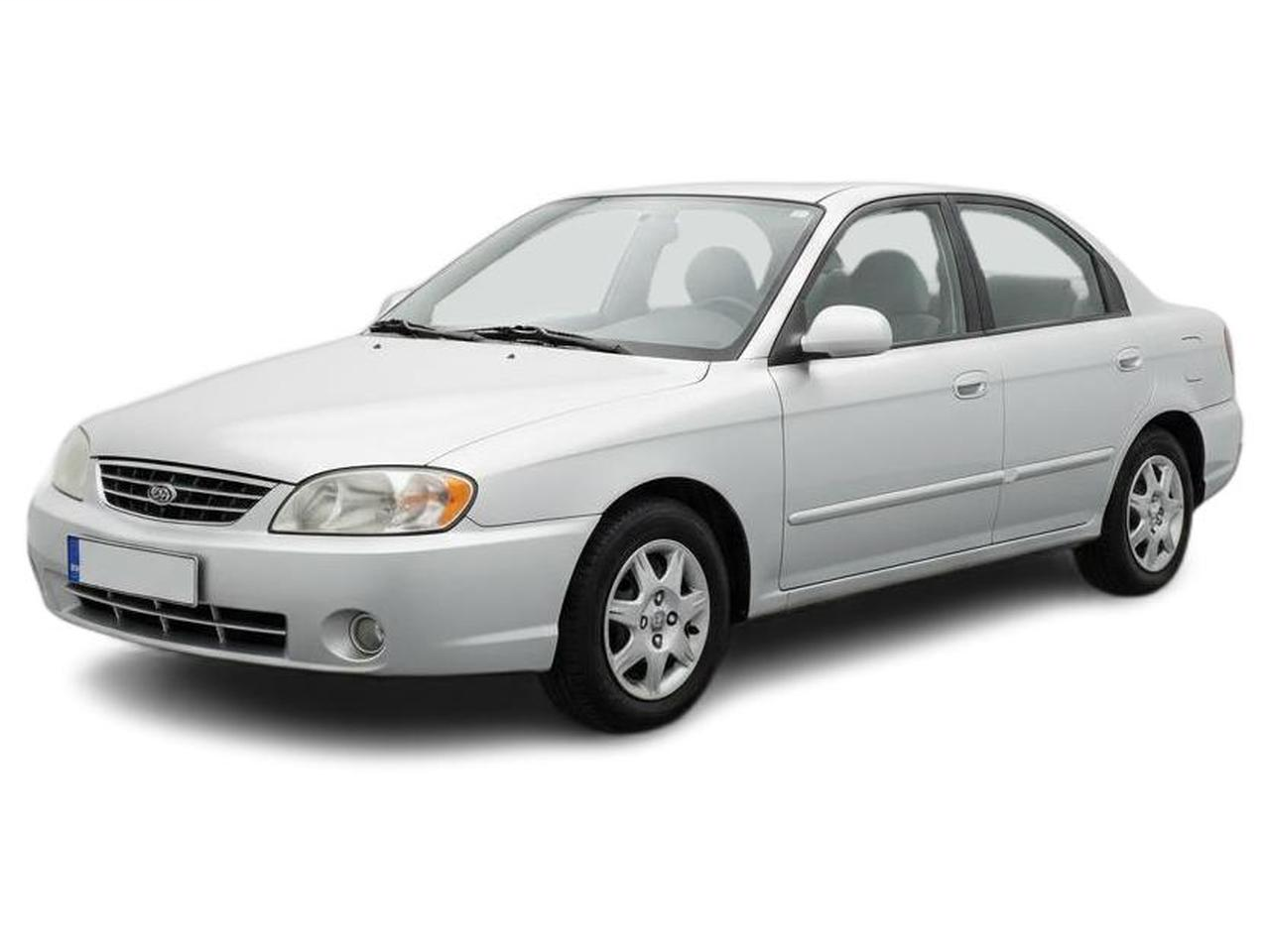
The Good
The 2003 KIA Spectra offered commendable value, appealing to practical buyers with its fuel efficiency and affordability. Emotionally, its unassuming yet cheerful design and a surprisingly comfortable ride for its class provided a pleasant ownership experience, especially for those seeking dependable, economical transportation.
The Bad
Potential buyers of the 2003 KIA Spectra should watch out for common issues such as premature brake wear, occasional transmission problems, and potential rust formation, especially in colder climates. Interior materials can also show wear and tear more readily than in some competitors.
2003 KIA Spectra: Quick Overview
- Engine Options: The 2003 KIA Spectra was primarily equipped with a 2.0-liter inline-4 cylinder engine.
- Horsepower: This engine typically produced around 125 horsepower.
- Fuel Economy: EPA estimates for the 2003 Spectra generally ranged from approximately 24 MPG in the city to 32 MPG on the highway, depending on transmission and driving conditions.
- 0-60 Times: Acceleration was modest, with 0-60 MPH times typically in the 9-10 second range.
- Towing Capacity: The KIA Spectra was not designed for towing, and no official towing capacity is listed.
- Trim-Level Features:
Base Trim: Typically included essential features like power steering, a tilt steering wheel, AM/FM radio with CD player, and dual front airbags. Air conditioning was often standard or a common option.
GS Trim: This trim often added features such as power windows, power door locks, keyless entry, upgraded interior trim, alloy wheels, and sometimes a more premium audio system. Fog lights might also be present on GS models. Both sedan and hatchback (Spectra5) body styles were available, with the Spectra5 often featuring a slightly sportier suspension and more aggressive styling.
Other common features across trims included intermittent windshield wipers, a rear defroster, and adjustable front seats. Anti-lock brakes (ABS) and side airbags were sometimes available as options or included on higher trims.
2003 KIA Spectra Specifications
Vehicle Information
| Year | 2003 |
| Make | Kia |
| Model | Spectra |
| Trim | - |
| Style | - |
| Type | - |
| Category | - |
Manufacturing Details
| Made In | - |
| Manufacturing City | - |
Dimensions
| Doors | - |
| Curb Weight | - |
| Gross Vehicle Weight Rating | - |
| Overall Height | - |
| Overall Length | - |
| Overall Width | - |
| Wheelbase Length | - |
| Standard Seating | - |
Engine & Performance
| Engine | - |
| Engine Size | - |
| Engine Cylinders | - |
| Transmission | - |
| Transmission Type | - |
| Transmission Speeds | - |
| Drivetrain | - |
Additional Features
| Anti-Brake System | - |
| Steering Type | - |
Pricing
| Manufacturer Suggested Retail Price (MSRP) | - |
| Invoice Price | - |
| Delivery Charges | - |
Vehicle History Report
Specifications
History
Events
History Check
Check
Check
Check
Check
Listings
Recalls
Check
Analysis
What Problems Does the 2003 KIA Spectra Have?
Another area of concern is the braking system. Numerous reports indicate accelerated wear on brake pads and rotors, leading to a need for more frequent replacements than might be expected. This could be a combination of component quality and driving habits.
Suspension components, such as ball joints and control arms, have also been noted as potential wear items that may require attention over time, especially on higher-mileage examples.
Rust and corrosion can be a significant issue, particularly for vehicles that have spent their lives in areas with harsh winters and road salt. Undercarriage components, wheel wells, and body panels are susceptible to rust.
While specific recalls for the 2003 model year are less common and tend to be for minor issues, it's always advisable to check the National Highway Traffic Safety Administration (NHTSA) website for any outstanding recalls associated with the vehicle's VIN. Overall, while the Spectra can be a reliable car with proper maintenance, owners should be prepared for potential repairs related to its transmission, brakes, and suspension as it ages.
How long will the 2003 KIA Spectra last?
What Technology & Safety Features are Included?
Entertainment: Standard entertainment typically included an AM/FM stereo system with a single-disc CD player. While auxiliary inputs were rare for this model year, the sound system provided basic audio playback. Higher trims might have offered a slightly upgraded speaker system.
Tech & Convenience: Features like power steering and a tilt steering wheel were standard. Power windows, power door locks, and keyless entry were often found on the higher GS trim levels or as optional additions. Cruise control was also an available option.
Driver-Assistance: Advanced driver-assistance systems were virtually non-existent in the 2003 Spectra. The focus was on basic functionality. Anti-lock brakes (ABS) were an available option on some trims, providing a rudimentary form of driver assistance during emergency braking.
Safety Features: Standard safety equipment included dual front airbags. Optional safety features could include side-impact airbags for front occupants. Seatbelt pretensioners were also standard.
Crash-Test Ratings: According to the National Highway Traffic Safety Administration (NHTSA), the 2003 KIA Spectra sedan received **four out of five stars** for the driver in the frontal crash test and **five out of five stars** for the passenger. For side impacts, it received **four out of five stars** for both the front and rear occupants. The Insurance Institute for Highway Safety (IIHS) gave the 2003 Spectra a 'Good' rating in its frontal offset crash tests, which was considered good for its class at the time. These ratings, while not indicative of modern safety standards, placed it competitively among its peers when new.
What Colors Options are Available?
2003 KIA Spectra Prices and Market Value
2003 KIA Spectra Cost of Ownership
2003 KIA Spectra Fuel Efficiency
2003 KIA Spectra Safety Rating
NHTSA
2003 KIA Spectra Insurance
reasonable repair costs.
How Does the 2003 KIA Spectra Compare to Other Vehicle?
Performance: In terms of performance, the Spectra's 2.0-liter engine (around 125 hp) was comparable to many base-model competitors, but it generally lagged behind sportier options like some Civic trims or the Mazda3. Its 0-60 mph times were in the mid-to-high 9-second range, adequate but not exhilarating.
Features: For its price point, the Spectra often offered a decent feature set, sometimes including power accessories and a CD player as standard or readily available options. However, rivals like the Honda Civic and Toyota Corolla were often praised for offering a slightly more refined interior and a broader range of available premium features, even on lower trims.
Reliability: This is where the Spectra often faced its toughest competition. While generally considered reliable for the price, the Civic and Corolla set the benchmark for long-term reliability and durability, with fewer reported major issues. The Spectra, as previously noted, had more prevalent concerns with transmissions and brake wear compared to its Japanese counterparts.
Price: The Spectra's strongest suit was its affordability. It was typically priced lower than the Civic and Corolla, making it a more accessible option for budget-conscious buyers. The Ford Focus and Chevrolet Cavalier were closer rivals in terms of price, but often fell short in overall refinement and perceived quality.
Alternatives: For those seeking a similar price point with potentially better reliability, the Chevrolet Cavalier or Pontiac Sunfire could be considered, though they also had their own mechanical quirks. The Ford Focus offered a more engaging driving experience and better handling. However, if reliability and long-term value are paramount, stretching the budget slightly for a used Honda Civic or Toyota Corolla from the same era would likely be a wiser investment, despite a higher initial used price. A similar alternative that offered a good blend of value and features might be the Hyundai Elantra of the same generation, which shared some platform components with the Spectra.
Final Verdict: Is the 2003 KIA Spectra a Good Vehicle?

Eugene S
Eugene is an automotive enthusiast with over 15 years of experience in the used car market. As a writer at VINCheck.info, he brings deep industry insight and a passion for cars, helping readers make smart, informed decisions. Eugene has written hundreds of used car reviews and is known for breaking down complex automotive topics into clear, actionable advice. Over the years, he has driven and worked on a wide range of vehicles—starting with tuning street cars in his early days and eventually focusing on performance upgrades and reliability improvements. Today, he specializes in evaluating used vehicles through the lens of real-world ownership and enthusiast needs. A longtime fan of Porsche, Eugene especially appreciates vehicles that blend durability with driving enjoyment.