The 1994 Rolls-Royce Silver Spur is a pinnacle of British automotive luxury, based on the long-wheelbase variant of the Silver Spirit. Produced from 1980 to 1998, the Silver Spur (and its shorter counterpart, the Silver Spirit) represented the pinnacle of bespoke craftsmanship. The 1994 model year falls within the later iterations of the Series IV. Its standout feature is the unparalleled comfort, opulent interior, and the imposing presence only a Rolls-Royce can command, making it highly sought after by those seeking ultimate prestige.
The Good
The 1994 Rolls-Royce Silver Spur excels in sublime comfort, exquisite craftsmanship, and a commanding presence. Its V8 engine offers effortless cruising, while the refined ride coddles occupants. For practical buyers, the robust build and timeless design offer enduring value. Emotionally, it represents ultimate status and luxury.

The Bad
Potential buyers of a 1994 Rolls-Royce Silver Spur should watch for complex and costly hydraulic suspension issues, aging electronic components, and potential rust, especially in the lower body panels and sills. Meticulous maintenance history is crucial due to the expense of specialized repairs.
1994 Rolls-Royce Silver Spur: Quick Overview
- Engine Options: The 1994 Rolls-Royce Silver Spur is powered by a 6.75-liter naturally aspirated V8 engine. This engine was a cornerstone of Rolls-Royce and Bentley vehicles for decades, known for its smooth torque delivery rather than outright power.
- Horsepower: While Rolls-Royce historically did not officially state horsepower figures to maintain an air of mystique and focus on torque, the 6.75L V8 in the 1994 Silver Spur was estimated to produce around 220-230 horsepower. The emphasis was always on effortless acceleration and a serene driving experience, not raw performance metrics.
- Fuel Economy: Unsurprisingly, fuel economy is not a strong suit for the 1994 Silver Spur. Owners typically report figures in the range of 10-12 miles per gallon in city driving and around 14-17 miles per gallon on the highway. The substantial weight and large displacement engine contribute to this.
- 0-60 Times: Due to its luxury-focused nature and considerable weight (around 4,800 lbs), the 0-60 mph acceleration is not rapid. Estimates place it in the range of 9 to 10 seconds, which is perfectly adequate for its intended purpose of smooth, unhurried travel.
- Towing Capacity: The 1994 Rolls-Royce Silver Spur was not designed or intended for towing. It lacks the structural provisions and cooling systems necessary for towing significant loads, and doing so would be detrimental to the vehicle's components.
- Trim-Level Features: As a Rolls-Royce, the 1994 Silver Spur was exceptionally well-equipped as standard. Key features included:
- Long wheelbase for enhanced rear passenger legroom.
- Hand-stitched Connolly leather upholstery.
- Real wood veneer interior trim.
- Automatic climate control.
- Power-adjustable front and rear seats, often with memory functions.
- Electrically operated windows, mirrors, and door locks.
- Durable self-leveling hydropneumatic suspension system.
- DAB radio (Digital Audio Broadcasting) was not standard in 1994, but premium audio systems with cassette players were common.
- Cruise control.
- Anti-lock braking system (ABS).
- Airbags for driver and front passenger.
- Exterior brightwork, including the iconic grille and Spirit of Ecstasy hood ornament.
1994 Rolls-Royce Silver Spur Specifications
Vehicle Information
| Year | 1994 |
| Make | Rolls-Royce |
| Model | Silver Spur |
| Trim | - |
| Style | - |
| Type | Sedan |
| Category | Compact Car |
Manufacturing Details
| Made In | United Kingdom |
| Manufacturing City | CREWE |
Dimensions
| Doors | 4-Door |
| Curb Weight | 5440 pounds |
| Gross Vehicle Weight Rating | - |
| Overall Height | 58.50 inches |
| Overall Length | 211.80 inches |
| Overall Width | 79.10 inches |
| Wheelbase Length | 124.50 inches |
| Standard Seating | 5 |
Engine & Performance
| Engine | 6.8L V8 |
| Engine Size | 6.8L |
| Engine Cylinders | 8 |
| Transmission | 4-Speed Automatic |
| Transmission Type | Automatic |
| Transmission Speeds | 4-Speed |
| Drivetrain | Rear-Wheel Drive |
Additional Features
| Anti-Brake System | - |
| Steering Type | Rack & Pinion |
Pricing
| Manufacturer Suggested Retail Price (MSRP) | $189,900 |
| Invoice Price | - |
| Delivery Charges | - |
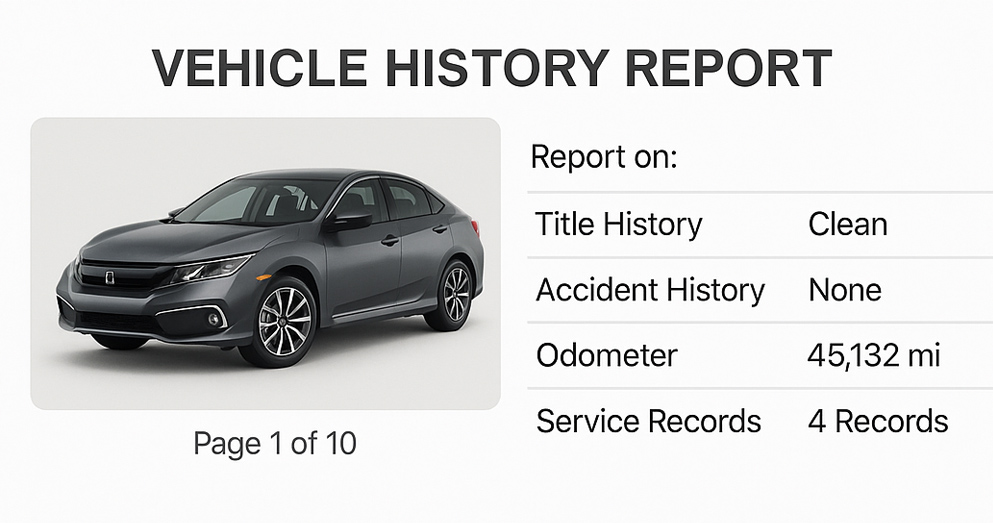
Vehicle History Report
Vehicle
Specifications
Specifications
Ownership
History
History
All History
Events
Events
NMVTIS Title
History Check
History Check
Salvage/Rebuilt
Check
Check
Accident
Check
Check
Theft
Check
Check
Open Lien
Check
Check
Past Sale
Listings
Listings
Safety
Recalls
Recalls
Odometer
Check
Check
Market Price
Analysis
Analysis
What Problems Does the 1994 Rolls-Royce Silver Spur Have?
The 1994 Rolls-Royce Silver Spur, while built to exacting standards, is not immune to issues that arise with age and mileage. One of the most significant concerns revolves around the complex hydropneumatic suspension system. These self-leveling systems, while providing an unparalleled ride, can become problematic as components age. Leaks in the hydraulic lines, failing accumulators, and issues with the nitrogen spheres can lead to a loss of ride height, a bouncy or harsh ride, or complete system failure. Repairs can be exceptionally costly, requiring specialized knowledge and parts.
Another area of concern is the aging electronics. The wiring harnesses, while robust for their time, can degrade, leading to intermittent failures in various systems, including power windows, central locking, climate control, and the infotainment system. The original fuel injection system and engine management electronics, while generally reliable, can also develop issues requiring diagnosis by a mechanic familiar with these older British V8s.
Rust is a perennial concern for any vehicle of this vintage, and the Silver Spur is no exception, particularly in wetter climates. Areas prone to corrosion include the lower body panels, wheel arches, sills, and the undercarriage. Thorough inspection is paramount.
Cooling system issues, including radiator leaks and thermostat problems, can occur, especially if the vehicle has not been consistently maintained with appropriate coolant. The transmission, typically a GM sourced automatic, is generally robust but requires regular fluid changes to ensure longevity.
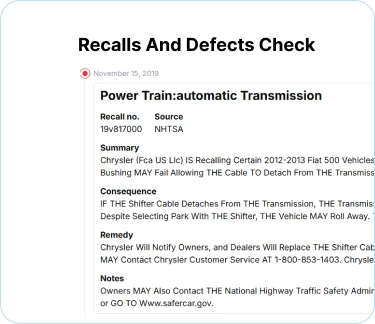
While specific recalls for the 1994 model year are not as extensively documented as for mass-produced vehicles, any recalls that did exist would have been for critical safety or emissions-related components. Owners should always verify if any outstanding recalls have been addressed. Long-term reliability hinges heavily on the meticulousness of its maintenance history. A well-maintained Silver Spur can still offer a dependable experience, but neglected examples can become financial black holes due to the expense of specialized repairs.
Another area of concern is the aging electronics. The wiring harnesses, while robust for their time, can degrade, leading to intermittent failures in various systems, including power windows, central locking, climate control, and the infotainment system. The original fuel injection system and engine management electronics, while generally reliable, can also develop issues requiring diagnosis by a mechanic familiar with these older British V8s.
Rust is a perennial concern for any vehicle of this vintage, and the Silver Spur is no exception, particularly in wetter climates. Areas prone to corrosion include the lower body panels, wheel arches, sills, and the undercarriage. Thorough inspection is paramount.
Cooling system issues, including radiator leaks and thermostat problems, can occur, especially if the vehicle has not been consistently maintained with appropriate coolant. The transmission, typically a GM sourced automatic, is generally robust but requires regular fluid changes to ensure longevity.
While specific recalls for the 1994 model year are not as extensively documented as for mass-produced vehicles, any recalls that did exist would have been for critical safety or emissions-related components. Owners should always verify if any outstanding recalls have been addressed. Long-term reliability hinges heavily on the meticulousness of its maintenance history. A well-maintained Silver Spur can still offer a dependable experience, but neglected examples can become financial black holes due to the expense of specialized repairs.
How long will the 1994 Rolls-Royce Silver Spur last?
Based on owner data and maintenance habits, a 1994 Rolls-Royce Silver Spur can reasonably be expected to provide enjoyable service for well over 150,000 to 200,000 miles, and in some cases, significantly more, provided it receives consistent and expert maintenance. The underlying V8 engine and gearbox are robust and capable of immense longevity. However, the car's long-term durability is highly susceptible to the quality of its upkeep. Weaknesses that manifest over time are primarily related to the complex hydraulic suspension, aging electrical components, and potential corrosion. If regularly serviced by specialists familiar with these vehicles, the Silver Spur demonstrates remarkable resilience. Neglect, however, will accelerate the deterioration of its sophisticated systems, leading to expensive repairs and reduced service life.
What Technology & Safety Features are Included?
The 1994 Rolls-Royce Silver Spur represented the zenith of automotive technology and luxury for its era, though it predates many modern driver-assistance systems.
Technology and Entertainment: Standard features included a premium sound system, typically a cassette player with multiple speakers, providing clear and rich audio. Automatic climate control was a key feature, ensuring a consistent and comfortable cabin temperature regardless of external conditions. Power windows, door locks, and mirrors were operated by electric motors. Cruise control was standard for effortless highway cruising. While not as integrated as modern systems, the dashboard was designed for functionality and elegance, with all controls intuitively placed.
Driver-Assistance Features: Advanced driver-assistance systems as we know them today were virtually non-existent. The primary driver-assistance features were the Anti-lock Braking System (ABS), which helped prevent wheel lock-up during hard braking, and the self-leveling hydropneumatic suspension, which maintained a consistent ride height and improved handling by compensating for load variations. Power steering was standard, offering a light yet precise feel.
Safety Features: Safety was addressed through robust construction and passive safety measures. Standard safety equipment included airbags for the driver and front passenger. The car's substantial weight and strong steel construction provided a significant safety cell. Seatbelts for all occupants were, of course, standard.
Optional Features: Rolls-Royce offered extensive customization, meaning specific optional features would vary widely. These could include heated seats, memory seat functions, electrically adjustable steering columns, and potentially more advanced audio systems or even early forms of satellite navigation in some very late examples, though these were rare.
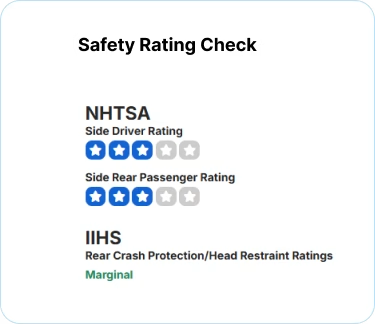
Crash-Test Ratings: Formal crash-test ratings from agencies like the NHTSA or IIHS for vehicles of this vintage and ultra-luxury segment are generally not available. Rolls-Royce vehicles of this era were built to extremely high standards of structural integrity, prioritizing occupant safety through sheer mass and advanced (for the time) engineering rather than relying on standardized crash testing protocols.
Technology and Entertainment: Standard features included a premium sound system, typically a cassette player with multiple speakers, providing clear and rich audio. Automatic climate control was a key feature, ensuring a consistent and comfortable cabin temperature regardless of external conditions. Power windows, door locks, and mirrors were operated by electric motors. Cruise control was standard for effortless highway cruising. While not as integrated as modern systems, the dashboard was designed for functionality and elegance, with all controls intuitively placed.
Driver-Assistance Features: Advanced driver-assistance systems as we know them today were virtually non-existent. The primary driver-assistance features were the Anti-lock Braking System (ABS), which helped prevent wheel lock-up during hard braking, and the self-leveling hydropneumatic suspension, which maintained a consistent ride height and improved handling by compensating for load variations. Power steering was standard, offering a light yet precise feel.
Safety Features: Safety was addressed through robust construction and passive safety measures. Standard safety equipment included airbags for the driver and front passenger. The car's substantial weight and strong steel construction provided a significant safety cell. Seatbelts for all occupants were, of course, standard.
Optional Features: Rolls-Royce offered extensive customization, meaning specific optional features would vary widely. These could include heated seats, memory seat functions, electrically adjustable steering columns, and potentially more advanced audio systems or even early forms of satellite navigation in some very late examples, though these were rare.
Crash-Test Ratings: Formal crash-test ratings from agencies like the NHTSA or IIHS for vehicles of this vintage and ultra-luxury segment are generally not available. Rolls-Royce vehicles of this era were built to extremely high standards of structural integrity, prioritizing occupant safety through sheer mass and advanced (for the time) engineering rather than relying on standardized crash testing protocols.
What Colors Options are Available?
1994 Rolls-Royce Silver Spur Prices and Market Value
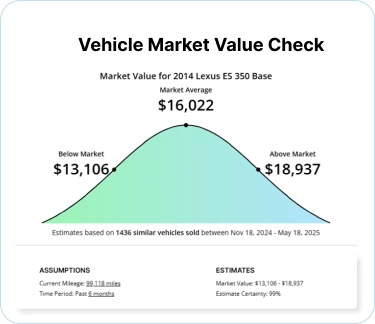
When new, a 1994 Rolls-Royce Silver Spur commanded an astronomical price, typically in the range of $200,000 to $250,000 USD or even more with bespoke options. These vehicles were symbols of extreme wealth and status. Due to their high initial cost and the specialized nature of their maintenance, depreciation was significant in the early years.
Currently, the used market prices for a 1994 Silver Spur vary widely depending on condition, mileage, and service history. Well-maintained examples in excellent condition can fetch anywhere from $25,000 to $50,000+, while those needing significant work can be found for much less, sometimes under $15,000. Factors significantly affecting resale value include the presence of complete service records from reputable specialists, the condition of the leather and wood interior, the functionality of the hydraulic suspension, and the absence of rust or major mechanical issues. Immaculate examples that have been meticulously cared for can hold or even appreciate in value as classic luxury cars.
1994 Rolls-Royce Silver Spur Cost of Ownership
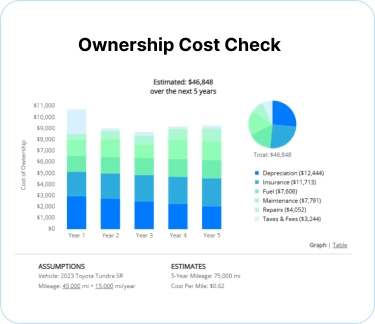
Owning a 1994 Rolls-Royce Silver Spur is decidedly costly. Insurance will be higher than average due to its value and specialized nature. Fuel consumption is poor, requiring frequent premium fuel fill-ups. Maintenance and repairs are where the significant costs lie. Specialized mechanics are necessary, and parts can be expensive and difficult to source. Routine servicing can easily run into the thousands of dollars annually. Complex issues like suspension repairs or engine work can cost tens of thousands. This vehicle is not economical to own; it is a luxury purchase that demands a substantial and ongoing financial commitment for upkeep.
1994 Rolls-Royce Silver Spur Fuel Efficiency
Fuel Type
Gasoline
Fuel Capacity
28.50 gallons
City Mileage
10 miles/gallon
Highway Mileage
15 miles/gallon
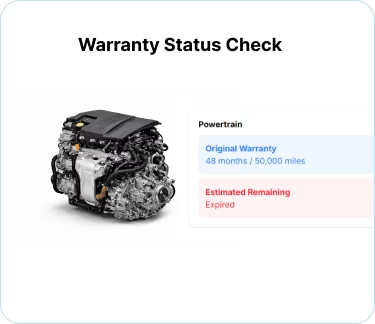
1994 Rolls-Royce Silver Spur Warranty
Basic
Original warranty
0 months / No data
Estimated remaining
Expired
Powertrain
Original warranty
0 months / No data
Estimated remaining
Expired
Rust
Original warranty
0 months / No data
Estimated remaining
Expired
1994 Rolls-Royce Silver Spur Insurance
Insurance for a 1994 Rolls-Royce Silver Spur is moderately priced, reflecting its status as a Sedan with strong safety ratings and
reasonable repair costs.
How Does the 1994 Rolls-Royce Silver Spur Compare to Other Sedan?
The 1994 Rolls-Royce Silver Spur occupied a unique niche, directly competing with other ultra-luxury sedans and its corporate sibling, the Bentley.
Key Rivals:
* Bentley Turbo R/Brooklands: Often considered the more sporting counterpart to the Silver Spur. While sharing the same platform and V8 engine, Bentley models typically offered higher horsepower figures and a slightly firmer suspension setup. Features were comparable, focusing on opulent interiors, but the Bentley leaned towards driver engagement. Reliability was similar, with shared component vulnerabilities. Price-wise, Bentleys often commanded a premium when new and may still do so on the used market for comparable examples.
* Mercedes-Benz S-Class (W140): The W140 S-Class, particularly the V8 and V12 models (e.g., S500, S600), offered similar levels of luxury, advanced technology, and comfort. Mercedes-Benz generally had a reputation for superior long-term reliability and a more extensive service network. While luxurious, the S-Class interiors, though high-quality, lacked the bespoke, hand-crafted feel of the Rolls-Royce. Performance in V12 models could surpass the Silver Spur. Price on the used market is often significantly lower.
* Jaguar XJ (XJ12/XJR): The top-tier Jaguar XJ models offered a potent combination of V12 power, refined handling, and a more sporting character than the Silver Spur. Interiors were luxurious, though perhaps not as overtly opulent as the Rolls-Royce. Reliability for Jaguars of this era could be more variable than for Mercedes-Benz or even Rolls-Royce. Prices are typically much more accessible.
Comparison: The Silver Spur's undisputed strengths lie in its unparalleled ride comfort, the sheer prestige associated with the Rolls-Royce badge, and the feeling of being cocooned in ultimate luxury. Its performance is serene and effortless, not sporty. Reliability is a significant concern compared to a Mercedes-Benz S-Class, with repair costs being exponentially higher.
Recommendations: If ultimate prestige and a supremely comfortable ride are paramount, and budget for maintenance is ample, the 1994 Silver Spur remains a compelling choice. However, for a more reliable and potentially more engaging driving experience with comparable luxury, a Mercedes-Benz S600 (W140) is a strong alternative, offering V12 power and a more robust service infrastructure. For those seeking a blend of luxury and sportiness with a more manageable purchase price, a well-maintained Jaguar XJR (X300) could be considered, though with potential reliability caveats.
Key Rivals:
* Bentley Turbo R/Brooklands: Often considered the more sporting counterpart to the Silver Spur. While sharing the same platform and V8 engine, Bentley models typically offered higher horsepower figures and a slightly firmer suspension setup. Features were comparable, focusing on opulent interiors, but the Bentley leaned towards driver engagement. Reliability was similar, with shared component vulnerabilities. Price-wise, Bentleys often commanded a premium when new and may still do so on the used market for comparable examples.
* Mercedes-Benz S-Class (W140): The W140 S-Class, particularly the V8 and V12 models (e.g., S500, S600), offered similar levels of luxury, advanced technology, and comfort. Mercedes-Benz generally had a reputation for superior long-term reliability and a more extensive service network. While luxurious, the S-Class interiors, though high-quality, lacked the bespoke, hand-crafted feel of the Rolls-Royce. Performance in V12 models could surpass the Silver Spur. Price on the used market is often significantly lower.
* Jaguar XJ (XJ12/XJR): The top-tier Jaguar XJ models offered a potent combination of V12 power, refined handling, and a more sporting character than the Silver Spur. Interiors were luxurious, though perhaps not as overtly opulent as the Rolls-Royce. Reliability for Jaguars of this era could be more variable than for Mercedes-Benz or even Rolls-Royce. Prices are typically much more accessible.
Comparison: The Silver Spur's undisputed strengths lie in its unparalleled ride comfort, the sheer prestige associated with the Rolls-Royce badge, and the feeling of being cocooned in ultimate luxury. Its performance is serene and effortless, not sporty. Reliability is a significant concern compared to a Mercedes-Benz S-Class, with repair costs being exponentially higher.
Recommendations: If ultimate prestige and a supremely comfortable ride are paramount, and budget for maintenance is ample, the 1994 Silver Spur remains a compelling choice. However, for a more reliable and potentially more engaging driving experience with comparable luxury, a Mercedes-Benz S600 (W140) is a strong alternative, offering V12 power and a more robust service infrastructure. For those seeking a blend of luxury and sportiness with a more manageable purchase price, a well-maintained Jaguar XJR (X300) could be considered, though with potential reliability caveats.
Final Verdict: Is the 1994 Rolls-Royce Silver Spur a Good Sedan?
The 1994 Rolls-Royce Silver Spur is ideal for the discerning enthusiast who prioritizes ultimate luxury, unparalleled ride comfort, and a commanding presence above all else. It is not a car for the budget-conscious or those seeking sporty performance. Its value proposition lies in its ability to transport occupants in serene opulence, making it perfect for collectors, classic car enthusiasts with a passion for British motoring heritage, or individuals who appreciate the statement it makes.
It is worth buying if you have a substantial budget allocated for ongoing maintenance and repairs. Buying used is the only realistic option. Prioritize examples with impeccable, documented service history from marque specialists. A well-maintained Silver Spur is a magnificent machine, but a neglected one can quickly become an expensive disappointment. The late Series IV models are generally preferred for their slightly refined features, but the core ownership experience remains consistent.