The 2012 Peterbilt 365 is a Class 8 vocational truck renowned for its versatility and robust construction. Primarily offered as a conventional tractor, it has been a staple in the Peterbilt lineup for many years, including the 2012 model year. While specific trims are less defined than in passenger vehicles, its popularity stems from its adaptability for various heavy-duty applications like construction, towing, and specialized hauling. New pricing would have varied significantly based on configuration, but used models generally range from $40,000 to $80,000 depending on condition and mileage.
The Good
The 2012 Peterbilt 365 offers exceptional durability and a powerful performance, making it a trusted workhorse for demanding jobs. Its spacious and comfortable cab appeals to drivers on long hauls, while its robust engineering ensures long-term reliability and strong resale value, satisfying both practical and emotional needs.

The Bad
Potential owners should watch for common issues like exhaust gas recirculation (EGR) system problems and potential DPF filter clogging, especially in models used for frequent short-haul or idle-intensive operations. Electrical gremlins and wear on suspension components are also areas to inspect closely.
2012 Peterbilt 365: Quick Overview
- Engine Options: The 2012 Peterbilt 365 was typically equipped with powerful PACCAR PX-8 or Cummins ISX15 engines. Other options might have included PACCAR PX-7 engines in lower configurations.
- Horsepower: Horsepower ratings varied significantly based on the engine choice. PACCAR PX-8 engines generally ranged from 260 to 350 horsepower, while the Cummins ISX15 could offer outputs from 400 to 600 horsepower.
- Fuel Economy: Fuel economy is highly variable for heavy-duty trucks and depends heavily on the engine, transmission, axle ratios, load, and driving conditions. A typical range for this class might be between 5-8 miles per gallon (MPG).
- 0-60 Times: 0-60 mph times are not a standard metric for heavy-duty trucks, as their purpose is not acceleration but sustained performance under load.
- Towing Capacity: The towing capacity is a primary consideration for the Peterbilt 365 and is dependent on the specific chassis configuration, engine, axle ratings, and fifth-wheel rating. Gross Combined Weight Ratings (GCWR) could easily exceed 80,000 pounds, often reaching well over 100,000 pounds for specialized applications.
- Trim-Level Features: The 365 is a vocational truck, so trim levels are less about luxury and more about function. Key features would include different cab configurations (day cab, extended day cab), various axle and suspension options to suit specific vocational needs (e.g., heavy-duty front axles for dump trucks, robust suspension for rough terrain), multiple wheelbase options, and specialized PTO (Power Take-Off) capabilities for auxiliary equipment. Standard features would include a driver-focused dashboard, durable interior materials, and essential instrumentation. Options could include air conditioning, power windows, and upgraded seating for driver comfort.
2012 Peterbilt 365 Specifications
Vehicle Information
| Year | 2012 |
| Make | Peterbilt |
| Model | 365 |
| Trim | - |
| Style | - |
| Type | Truck |
| Category | Medium Truck |
Manufacturing Details
| Made In | Canada |
| Manufacturing City | MONTREAL |
Dimensions
| Doors | - |
| Curb Weight | - |
| Gross Vehicle Weight Rating | - |
| Overall Height | - |
| Overall Length | - |
| Overall Width | - |
| Wheelbase Length | - |
| Standard Seating | - |
Engine & Performance
| Engine | 11.9L I6 |
| Engine Size | 11.9L |
| Engine Cylinders | 6 |
| Transmission | - |
| Transmission Type | - |
| Transmission Speeds | - |
| Drivetrain | 6x4 |
Additional Features
| Anti-Brake System | - |
| Steering Type | - |
Pricing
| Manufacturer Suggested Retail Price (MSRP) | - |
| Invoice Price | - |
| Delivery Charges | - |
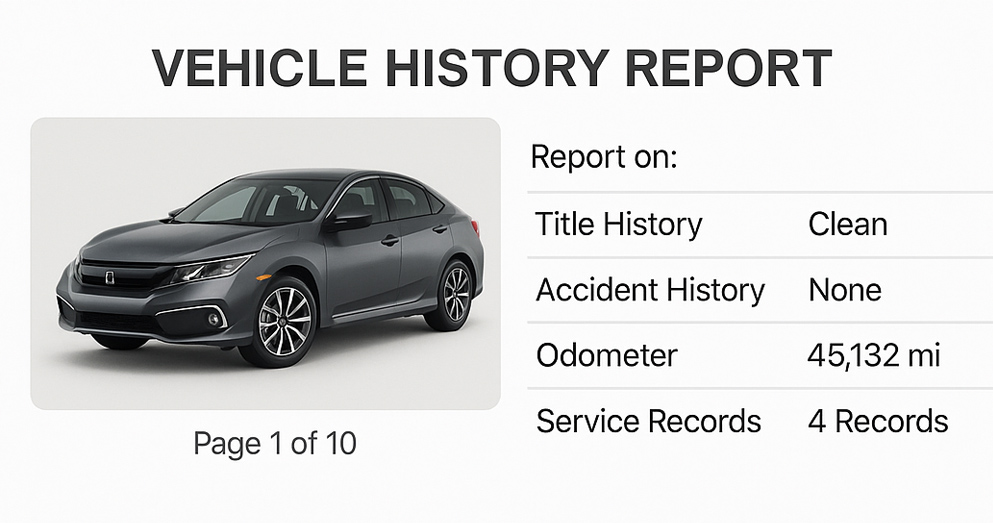
Vehicle History Report
Vehicle
Specifications
Specifications
Ownership
History
History
All History
Events
Events
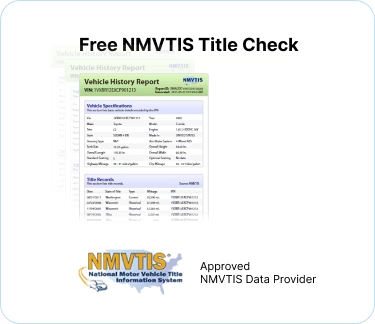
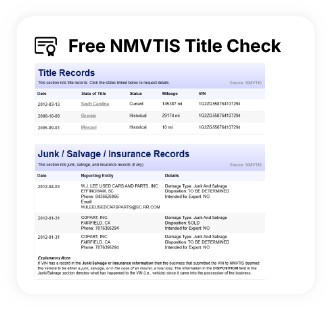
NMVTIS Title
History Check
History Check
Salvage/Rebuilt
Check
Check
Accident
Check
Check
Theft
Check
Check
Open Lien
Check
Check
Past Sale
Listings
Listings
Safety
Recalls
Recalls
Odometer
Check
Check
Market Price
Analysis
Analysis
What Problems Does the 2012 Peterbilt 365 Have?
For the 2012 Peterbilt 365, common issues often revolve around the emissions control system, particularly the Exhaust Gas Recirculation (EGR) valve and the Diesel Particulate Filter (DPF). These components can become clogged or fail, leading to reduced engine performance and warning lights. This is particularly prevalent in trucks that spend a lot of time idling or making frequent short trips where the DPF cannot complete its regeneration cycle. EGR cooler leaks are another frequently cited problem, which can lead to coolant loss and potential engine damage if not addressed promptly. Some owners have reported electrical issues, such as intermittent sensor failures or problems with the dashboard instrumentation.
While Peterbilt is known for its robust build, like any heavy-duty vehicle, component wear is inevitable. The drive train, suspension, and braking systems will require regular maintenance and eventual replacement of parts such as U-joints, shock absorbers, and brake pads/rotors. Clutch wear, particularly in manual transmission models, can also be a concern depending on the operating environment and driving style.
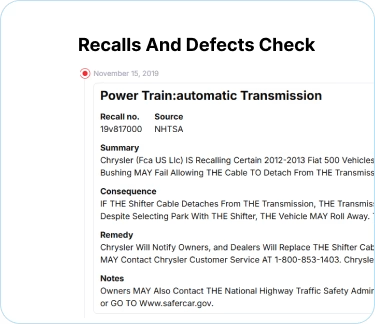
Recalls for this model year, as with any vehicle, would typically be issued by the manufacturer for specific safety concerns. These could range from brake system components to electrical wiring harnesses. It is crucial for prospective buyers to research any outstanding recalls for the specific VIN they are considering. Long-term reliability is generally good, but it is heavily dependent on the truck's operating history, the quality of maintenance it has received, and the specific configuration. A well-maintained 365 can last for hundreds of thousands of miles, but neglected maintenance, especially concerning the emissions system, can lead to costly repairs.
While Peterbilt is known for its robust build, like any heavy-duty vehicle, component wear is inevitable. The drive train, suspension, and braking systems will require regular maintenance and eventual replacement of parts such as U-joints, shock absorbers, and brake pads/rotors. Clutch wear, particularly in manual transmission models, can also be a concern depending on the operating environment and driving style.
Recalls for this model year, as with any vehicle, would typically be issued by the manufacturer for specific safety concerns. These could range from brake system components to electrical wiring harnesses. It is crucial for prospective buyers to research any outstanding recalls for the specific VIN they are considering. Long-term reliability is generally good, but it is heavily dependent on the truck's operating history, the quality of maintenance it has received, and the specific configuration. A well-maintained 365 can last for hundreds of thousands of miles, but neglected maintenance, especially concerning the emissions system, can lead to costly repairs.
How long will the 2012 Peterbilt 365 last?
Based on owner data and typical maintenance habits for heavy-duty vocational trucks, a 2012 Peterbilt 365 can realistically achieve between 500,000 and 1,000,000 miles or more. Their construction is designed for longevity. Long-term durability is exceptional, especially for the chassis and core powertrain components, provided regular and diligent maintenance is performed. Weaknesses that tend to emerge over time include wear and tear on suspension components, exhaust system issues (EGR, DPF), and potential electrical system quirks. The most critical factor for extending service life is adherence to the manufacturer's maintenance schedule, especially regarding fluid changes, filter replacements, and proactive checks of emissions-related systems. Neglecting these can significantly shorten the truck's useful life and lead to expensive repairs.
What Technology & Safety Features are Included?
The 2012 Peterbilt 365, as a vocational truck, prioritizes functionality and durability over advanced tech found in passenger vehicles. Built-in tech is generally basic but robust. Standard entertainment features would typically include an AM/FM radio and possibly a CD player. Optional upgrades might have offered auxiliary inputs or even satellite radio capabilities. Communication features might have included pre-wiring for CB radios.
Driver-assistance features were minimal to non-existent by modern passenger car standards. Technologies like adaptive cruise control, lane departure warnings, or blind-spot monitoring were not common or likely offered as options in this model year. The primary focus was on the driver's direct control and awareness of the vehicle's operation.
Safety features would primarily consist of the fundamental structural integrity of the Peterbilt cab, designed to withstand significant stress and impact. Standard safety equipment would include seatbelts, advanced braking systems (depending on configuration, e.g., air brakes), and exterior lighting. Optional safety features might have included more robust mirror configurations for enhanced visibility or potentially antilock braking systems (ABS), which were becoming more standard.
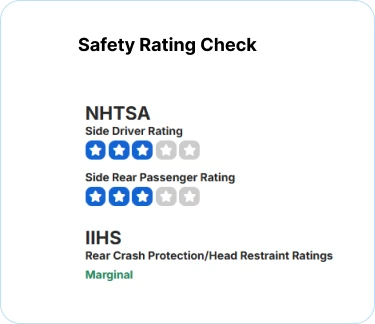
Crash-test ratings for heavy-duty commercial trucks like the Peterbilt 365 are not typically conducted or published by agencies like the NHTSA or IIHS in the same way they are for light-duty vehicles. The design and engineering of these trucks are focused on occupant protection in severe operational environments and the prevention of catastrophic failures rather than standardized crash test performance. The emphasis is on robust construction, effective braking, and driver visibility. The operational environment and weight class of these vehicles make direct comparisons to passenger car crash tests impractical and irrelevant.
Driver-assistance features were minimal to non-existent by modern passenger car standards. Technologies like adaptive cruise control, lane departure warnings, or blind-spot monitoring were not common or likely offered as options in this model year. The primary focus was on the driver's direct control and awareness of the vehicle's operation.
Safety features would primarily consist of the fundamental structural integrity of the Peterbilt cab, designed to withstand significant stress and impact. Standard safety equipment would include seatbelts, advanced braking systems (depending on configuration, e.g., air brakes), and exterior lighting. Optional safety features might have included more robust mirror configurations for enhanced visibility or potentially antilock braking systems (ABS), which were becoming more standard.
Crash-test ratings for heavy-duty commercial trucks like the Peterbilt 365 are not typically conducted or published by agencies like the NHTSA or IIHS in the same way they are for light-duty vehicles. The design and engineering of these trucks are focused on occupant protection in severe operational environments and the prevention of catastrophic failures rather than standardized crash test performance. The emphasis is on robust construction, effective braking, and driver visibility. The operational environment and weight class of these vehicles make direct comparisons to passenger car crash tests impractical and irrelevant.
What Colors Options are Available?
2012 Peterbilt 365 Prices and Market Value
When new, the 2012 Peterbilt 365 would have had a starting price that could range from approximately $90,000 to well over $150,000, depending heavily on the chosen engine, chassis configuration, axle options, and any specialized vocational equipment.
Currently, on the used market, the 2012 Peterbilt 365 typically falls within the range of $40,000 to $80,000. Resale value is remarkably strong for Peterbilt trucks due to their reputation for durability and build quality. Factors significantly affecting resale value include mileage, engine condition, transmission health, maintenance history, overall cosmetic condition, and the presence of any specialized vocational equipment that is in demand. Trucks with lower mileage, comprehensive maintenance records, and well-maintained emissions systems tend to command higher prices. Depreciation is relatively slow compared to many other vehicle types, reflecting their long service life and robust construction.
2012 Peterbilt 365 Cost of Ownership
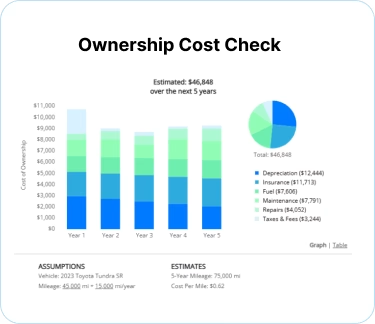
Owning a 2012 Peterbilt 365 is generally considered costly, but justifiable for its capabilities. Insurance premiums will be substantial, reflecting the vehicle's high value and commercial use. Fuel costs are significant due to the large diesel engines, with MPG typically between 5-8. Maintenance is ongoing and essential; expect regular oil changes, filter replacements, and inspections. Repairs, especially for major engine or drivetrain components, can be very expensive. While not economical in terms of day-to-day running costs, its long-term durability and strong resale value can make it a cost-effective investment for businesses that rely on its heavy-duty performance.
2012 Peterbilt 365 Fuel Efficiency
Fuel Type
Diesel
Fuel Capacity
-
City Mileage
-
Highway Mileage
-
2012 Peterbilt 365 Warranty
Basic
Original warranty
0 months / No data
Estimated remaining
Expired
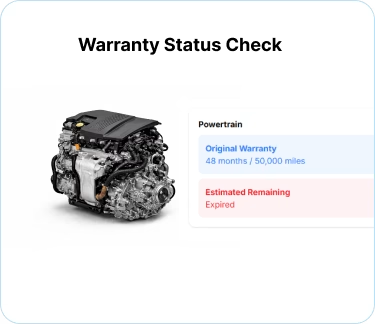
Powertrain
Original warranty
0 months / No data
Estimated remaining
Expired
Rust
Original warranty
0 months / No data
Estimated remaining
Expired
2012 Peterbilt 365 Insurance
Insurance for a 2012 Peterbilt 365 is moderately priced, reflecting its status as a Truck with strong safety ratings and
reasonable repair costs.
How Does the 2012 Peterbilt 365 Compare to Other Truck?
The 2012 Peterbilt 365 competes in the heavy-duty vocational truck segment, facing strong rivals such as the Kenworth T800, Freightliner Cascadia, and Mack Pinnacle models.
Performance: The Peterbilt 365, often powered by PACCAR or Cummins engines, delivers robust performance suitable for demanding vocational tasks. Its competitors offer similar power and torque capabilities, with specific engine options and transmissions allowing for tailored performance. For instance, the Kenworth T800 is renowned for its ruggedness and versatility, often equipped with comparable powertrains. The Freightliner Cascadia, while sometimes perceived as more on-highway focused, also offers powerful engine choices and a strong chassis for vocational applications. Mack trucks are known for their durable powertrains and robust build, particularly suited for construction and heavy hauling.
Features: In terms of features, the Peterbilt 365 offers a functional and durable cabin. Its competitors generally provide similar levels of basic comfort and essential instrumentation. More premium or technologically advanced features were less common in this vocational segment during 2012, with a focus on utility. However, brands like Freightliner might have offered slightly more contemporary cabin designs.
Reliability: Peterbilt has a legendary reputation for reliability and build quality, which is a major selling point for the 365. Kenworth trucks are also highly regarded for their durability and longevity. Mack trucks are known for their robust engineering, often built for extreme conditions. Freightliner, while a major player, historically had a broader range of reliability perceptions depending on the specific model and components used. For the 2012 model year, the Peterbilt 365 stands out for its consistent build quality and ability to withstand harsh vocational use.
Price: Used prices for comparable models from Kenworth, Freightliner, and Mack will often be in a similar range to the Peterbilt 365, with variations based on specific configurations, mileage, and condition.
Alternatives: For similar performance and reliability in a vocational application, a well-maintained Kenworth T800 is a very close alternative. If a slightly more modern cabin feel is desired without sacrificing too much vocational prowess, a used Freightliner Cascadia (configured for vocational use) could be considered. For extreme durability and heavy-duty applications, a Mack Pinnacle is also a strong contender. The choice often comes down to specific vocational needs, dealer support in the region, and personal preference for brand reputation and driver ergonomics.
Performance: The Peterbilt 365, often powered by PACCAR or Cummins engines, delivers robust performance suitable for demanding vocational tasks. Its competitors offer similar power and torque capabilities, with specific engine options and transmissions allowing for tailored performance. For instance, the Kenworth T800 is renowned for its ruggedness and versatility, often equipped with comparable powertrains. The Freightliner Cascadia, while sometimes perceived as more on-highway focused, also offers powerful engine choices and a strong chassis for vocational applications. Mack trucks are known for their durable powertrains and robust build, particularly suited for construction and heavy hauling.
Features: In terms of features, the Peterbilt 365 offers a functional and durable cabin. Its competitors generally provide similar levels of basic comfort and essential instrumentation. More premium or technologically advanced features were less common in this vocational segment during 2012, with a focus on utility. However, brands like Freightliner might have offered slightly more contemporary cabin designs.
Reliability: Peterbilt has a legendary reputation for reliability and build quality, which is a major selling point for the 365. Kenworth trucks are also highly regarded for their durability and longevity. Mack trucks are known for their robust engineering, often built for extreme conditions. Freightliner, while a major player, historically had a broader range of reliability perceptions depending on the specific model and components used. For the 2012 model year, the Peterbilt 365 stands out for its consistent build quality and ability to withstand harsh vocational use.
Price: Used prices for comparable models from Kenworth, Freightliner, and Mack will often be in a similar range to the Peterbilt 365, with variations based on specific configurations, mileage, and condition.
Alternatives: For similar performance and reliability in a vocational application, a well-maintained Kenworth T800 is a very close alternative. If a slightly more modern cabin feel is desired without sacrificing too much vocational prowess, a used Freightliner Cascadia (configured for vocational use) could be considered. For extreme durability and heavy-duty applications, a Mack Pinnacle is also a strong contender. The choice often comes down to specific vocational needs, dealer support in the region, and personal preference for brand reputation and driver ergonomics.
Final Verdict: Is the 2012 Peterbilt 365 a Good Truck?
The 2012 Peterbilt 365 is ideally suited for businesses and owner-operators requiring a rugged, dependable, and versatile truck for demanding vocational applications such as construction, heavy hauling, towing, and specialized services. It is absolutely worth buying, particularly in the used market, given its excellent long-term durability and strong resale value. When purchasing, buyers should prioritize trucks with comprehensive maintenance records, focusing on the condition of the engine, transmission, and emissions systems. A thorough pre-purchase inspection by a qualified heavy-duty mechanic is essential. While new models are no longer available, a well-maintained used 2012 Peterbilt 365, especially one configured with a powerful engine and appropriate vocational chassis, represents a sound investment for anyone needing a workhorse that can handle tough jobs reliably for many years to come.