
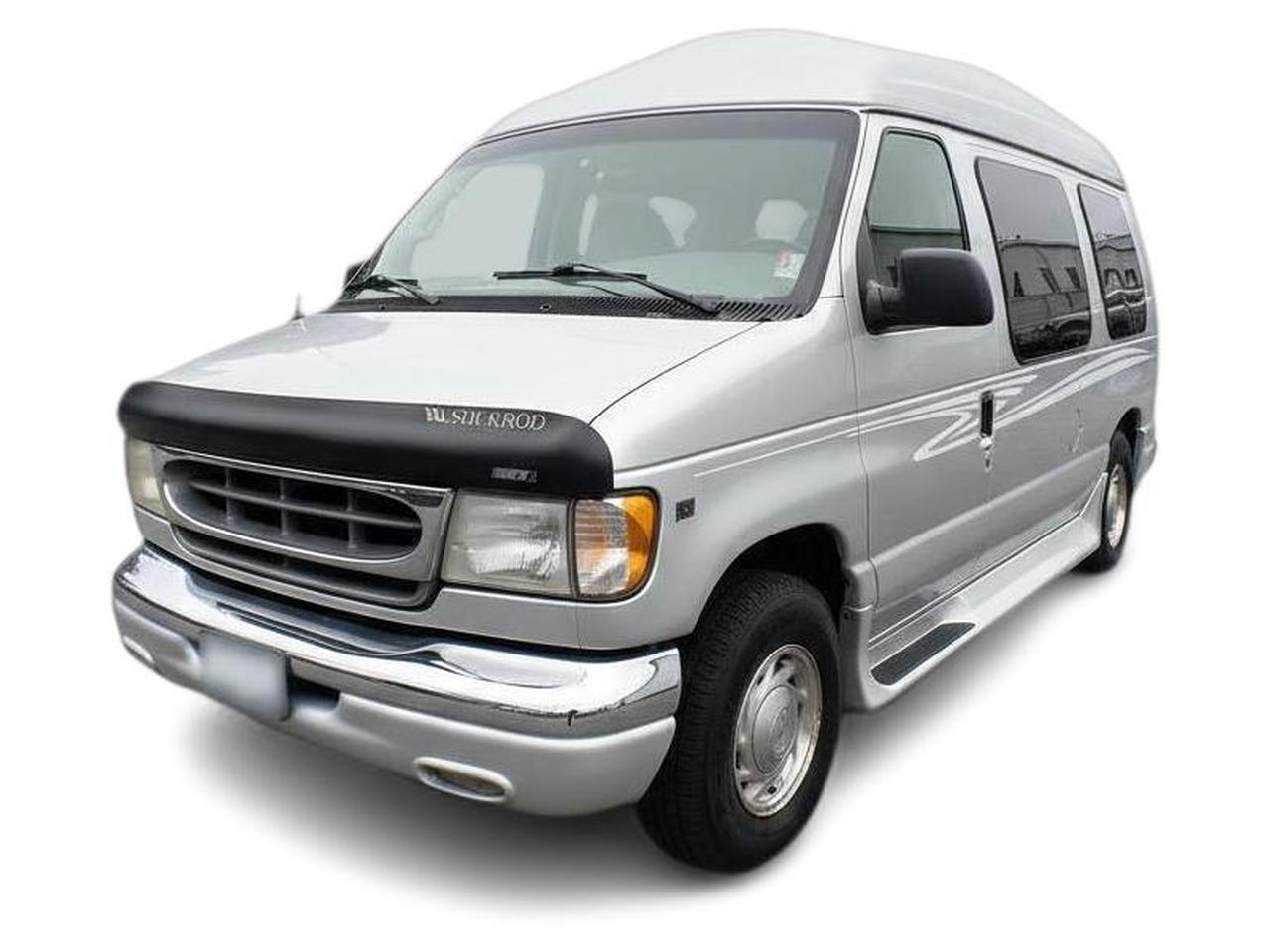
The Good
The 2001 Econoline Cargo offers robust V8 performance for hauling, legendary Ford reliability ensuring peace of mind, and a straightforward, functional design. Its immense cargo capacity provides unparalleled practicality, while its enduring nature delivers exceptional long-term value for any business or individual needing dependable transportation.
The Bad
Potential buyers of the 2001 Ford Econoline Cargo should watch for rust, particularly in the rocker panels and wheel wells, as well as transmission issues, especially on higher-mileage examples. Electrical gremlins, such as faulty window motors or dashboard lights, can also surface. Engine cooling system maintenance is crucial.
2001 Ford Econoline Cargo: Quick Overview
- Engine Options: The 2001 Ford Econoline Cargo offered a selection of robust gasoline engines.
- 4.2L V6: This was the base engine, providing adequate power for general use.
- 4.6L Triton V8: A popular choice offering a good balance of power and efficiency for its class.
- 5.4L Triton V8: The most powerful option, ideal for heavier loads and towing.
- Horsepower:
- 4.2L V6: Approximately 202 horsepower.
- 4.6L V8: Approximately 215 horsepower.
- 5.4L V8: Approximately 235 horsepower.
- Fuel Economy: Fuel economy varied significantly based on engine, drivetrain, and load, but generally ranged from 12-16 MPG combined for V8 models, and slightly better for the V6. Expect lower figures in city driving and when under load.
- 0-60 Times: Official 0-60 mph times were not typically advertised for these work-oriented vehicles, but expect figures well over 10 seconds, likely in the 12-15 second range depending on the engine and configuration.
- Towing Capacity: The Econoline Cargo was capable of substantial towing. Depending on the configuration (engine, axle ratio, towing packages), towing capacities could range from around 5,000 lbs up to over 10,000 lbs.
- Trim-Level Features:
- Base Trim: Typically included essentials like vinyl seating, manual windows and locks, a basic AM/FM radio, and black vinyl floor covering. Focus was on utility and durability.
- XLT Trim: Offered more comfort and convenience features, such as upgraded cloth or vinyl seating, power windows and locks, cruise control, a more advanced audio system, and sometimes a tilt steering wheel. Air conditioning was often standard or a popular option.
- Body Styles and Wheelbases: Available in standard and extended wheelbase versions, offering different cargo volumes. Cargo and passenger van configurations were also offered.
2001 Ford Econoline Cargo Specifications
Vehicle Information
| Year | 2001 |
| Make | Ford |
| Model | Econoline Cargo |
| Trim | - |
| Style | 3-Door 8-Cyclinder |
| Type | Van |
| Category | Cargo Van |
Manufacturing Details
| Made In | United States |
| Manufacturing City | LORAIN |
Dimensions
| Doors | 3-Door |
| Curb Weight | 4778 pounds |
| Gross Vehicle Weight Rating | 6700 pounds |
| Overall Height | 80.70 inches |
| Overall Length | 211.90 inches |
| Overall Width | 79.30 inches |
| Wheelbase Length | 138.00 inches |
| Standard Seating | 2 |
Engine & Performance
| Engine | 5.4L V8 |
| Engine Size | 5.4L |
| Engine Cylinders | 8 |
| Transmission | 4-Speed Automatic |
| Transmission Type | Automatic |
| Transmission Speeds | 4-Speed |
| Drivetrain | Rear-Wheel Drive |
Additional Features
| Anti-Brake System | 2-Wheel ABS |
| Steering Type | Recirculating |
Pricing
| Manufacturer Suggested Retail Price (MSRP) | $21,055 |
| Invoice Price | $18,693 |
| Delivery Charges | $690 |
Vehicle History Report
Specifications
History
Events
History Check
Check
Check
Check
Check
Listings
Recalls
Check
Analysis
What Problems Does the 2001 Ford Econoline Cargo Have?
Another area of concern is the cooling system. Radiator leaks, water pump failures, and thermostat issues can lead to overheating if not addressed promptly. This is particularly important for vehicles used in demanding conditions or hot climates.
Rust is a significant long-term reliability concern, especially for vans operating in areas with road salt. Common rust spots include the rocker panels, wheel wells, frame rails, and the area around the rear bumper. Early detection and treatment are vital to prevent structural integrity issues.
Electrical problems can also manifest. Owners have reported issues with power windows and locks, dashboard warning lights illuminating unexpectedly, and faulty fuel pump relays. The ignition switch can also be a point of failure.
Regarding recalls, specific to the 2001 model year, there were recalls related to potential issues with the steering shaft, which could lead to a loss of steering control. There were also recalls concerning potential fuel leaks and issues with the airbag system. It is imperative for owners to check if their specific VIN has been subject to any outstanding recalls and to have them addressed by a qualified Ford dealership.
While the V8 engines are generally robust, the 4.6L and 5.4L Triton V8s can experience issues like intake manifold leaks or spark plug ejection (though less common on later versions). Routine maintenance is key to maximizing the lifespan of these engines. Despite these potential issues, with consistent maintenance and prompt repairs, many 2001 Ford Econoline Cargo vans continue to provide dependable service for many years.
How long will the 2001 Ford Econoline Cargo last?
What Technology & Safety Features are Included?
Technology and Entertainment:
Standard features typically included an AM/FM radio, often with a single-disc CD player as an upgrade. Manual windows and door locks were common on the base trim, with power windows and locks being an option, particularly on the XLT trim. A tilt steering wheel was also an optional convenience feature. Air conditioning was a highly desirable option and often included on higher trims. The dashboard was functional and straightforward, prioritizing access to essential controls. There was no integrated navigation, Bluetooth connectivity, or advanced infotainment systems available; these were pre-smartphone era vehicles.
Driver-Assistance Features:
Driver-assistance features were virtually non-existent in the 2001 Econoline Cargo. Features like rearview cameras, parking sensors, lane departure warnings, or adaptive cruise control were not offered. The focus was on providing a stable and predictable driving experience.
Safety Features:
Standard safety features included front airbags for the driver and passenger. Anti-lock braking system (ABS) was typically standard on the rear wheels and often available or standard on all four wheels depending on the configuration. Seatbelts were standard for all occupants.
Crash-Test Ratings:
Crash-test ratings for commercial vehicles like the 2001 Ford Econoline Cargo are not always readily available or directly comparable to passenger car ratings from organizations like the NHTSA or IIHS. However, given the robust body-on-frame construction, these vans generally offered good structural integrity. The focus in safety for this era of van was on basic occupant protection and preventing rollovers, which the van's design generally helped with due to its wide track and low center of gravity relative to its size.
What Colors Options are Available?
2001 Ford Econoline Cargo Prices and Market Value
2001 Ford Econoline Cargo Cost of Ownership
2001 Ford Econoline Cargo Fuel Efficiency
2001 Ford Econoline Cargo Safety Rating
NHTSA
IIHS
2001 Ford Econoline Cargo Warranty
Basic
Powertrain
Rust
2001 Ford Econoline Cargo Insurance
reasonable repair costs.
How Does the 2001 Ford Econoline Cargo Compare to Other Van?
Performance: The Econoline's V8 engines offered strong towing and hauling power, often exceeding that of the base V6 options in the Chevy twins. While all these vans were not designed for sporty acceleration, the Econoline's V8s provided robust performance for work. Features-wise, the Econoline focused on utility. While the Chevy twins offered similar configurations, the Mercedes Sprinter, if available in cargo form, would have offered more advanced powertrain options and potentially better fuel economy (especially its diesel), but at a significantly higher price point.
Features: The 2001 Econoline Cargo was basic, with comfort and convenience features being optional or limited to higher trims. Its rivals offered similar levels of basic features. The Sprinter, however, would have had more modern available features like more advanced safety systems and potentially better interior ergonomics, but again, at a premium.
Reliability: The Ford Econoline has a reputation for ruggedness and long-term durability, especially its powertrain. The Chevy Express/Savana twins are also known for reliability, often sharing similar componentry. The Sprinter, while capable, could have more complex and expensive-to-repair systems, particularly its diesel engines and associated emissions controls.
Price: The 2001 Econoline Cargo was generally competitively priced, offering excellent value for its capability. The Chevy twins were priced similarly. The Mercedes Sprinter was considerably more expensive when new, and this price difference often carried over to the used market.
Recommendations:
For a direct competitor offering similar ruggedness and value, the Chevrolet Express/GMC Savana twins are very comparable. They offer a similar range of engines and capabilities. If a slightly more modern feel or potentially better fuel efficiency (especially with diesel options) is desired and budget is less of a concern, a used **Mercedes-Benz Sprinter** might be considered, but be prepared for higher maintenance costs. For pure, no-frills utility and proven long-term durability at a budget-friendly price on the used market, the 2001 Ford Econoline Cargo remains a strong contender, often outlasting competitors in terms of sheer operational life if maintained.
Final Verdict: Is the 2001 Ford Econoline Cargo a Good Van?

Jovan
Jovan specializes in interpreting vehicle records and making sense of VIN data. With over 10 years of experience in the automotive data industry, his work ensures that every report is clear, accurate, and useful for car buyers.