
by VIN, Year, Make, Model by License Plate

2000 Harley-Davidson FLTR Overview, Reviews, Ratings & Specs

Rating: 0.00
Based on 0 Owner Reviews
Simon A | February 18, 2026
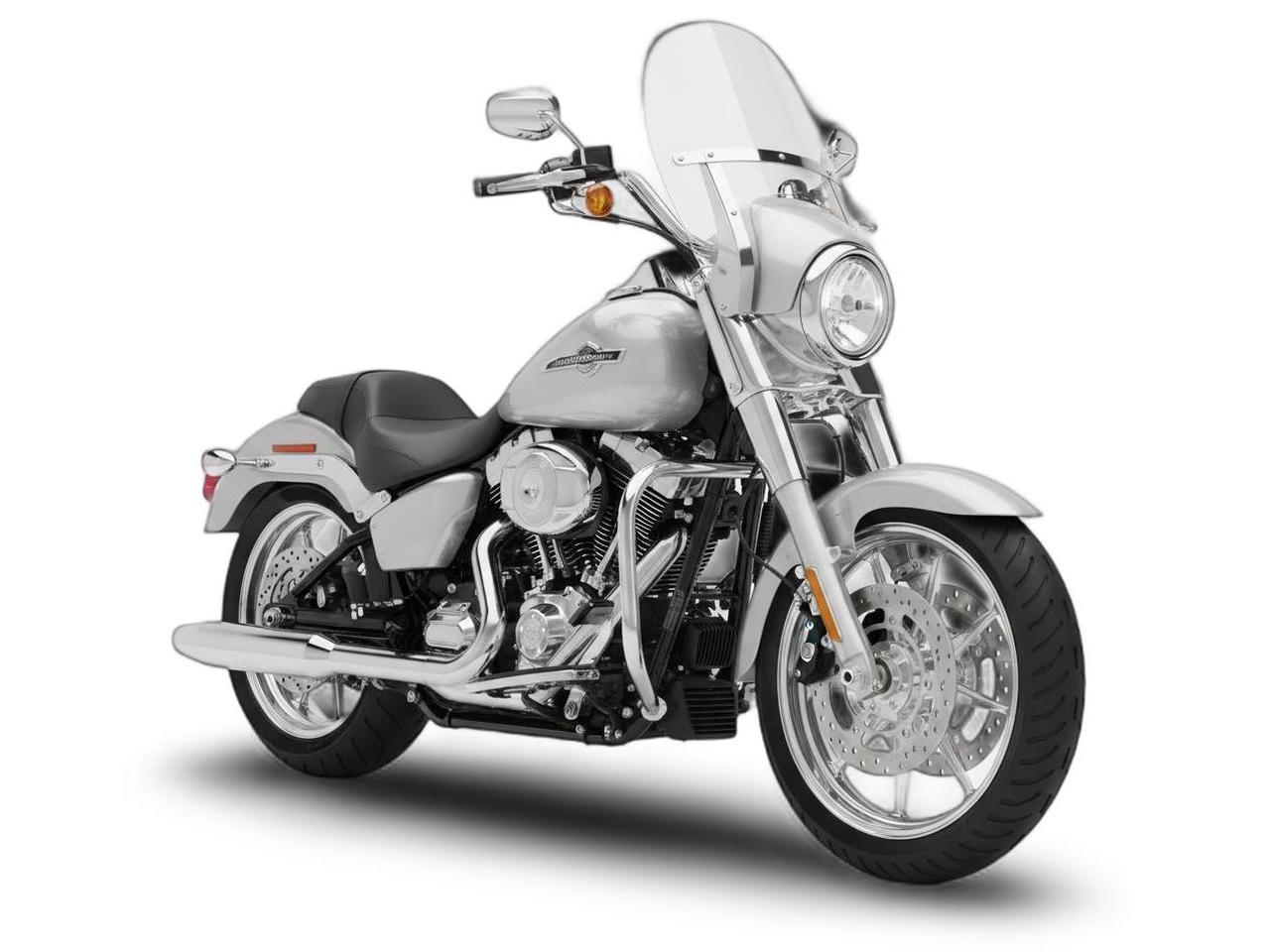
The 2000 Harley-Davidson FLTR, commonly known as the Road Glide, is a full-dress touring motorcycle introduced in the early 1990s. Its distinctive aerodynamic fairing, often referred to as the "shark nose," is frame-mounted, providing excellent wind protection and stability. The FLTR model years encompass a broad range, with the 2000 model being part of a well-established lineage. Key trims are generally within the FLT (touring) family. New pricing in 2000 was in the high teens to low twenties of thousands of dollars. Its popularity stems from its comfortable ride, substantial storage, and iconic Harley-Davidson styling, making it a favorite for long-distance cruising.
The Good

The 2000 Harley-Davidson FLTR offers robust V-twin performance and a comfortable, stable ride thanks to its frame-mounted fairing. Its ample storage appeals to practical riders, while the classic Harley-Davidson design and the rumble of its engine resonate emotionally with enthusiasts seeking the open-road experience.

The Bad

Potential weaknesses for the 2000 Harley-Davidson FLTR include aging electrical components, particularly the notorious "known issues" with the starter solenoids and potential fuel system leaks. Brake performance can be adequate but not cutting-edge by modern standards. Overheating in slow traffic can also be a concern.

2000 Harley-Davidson FLTR: Quick Overview

  • Engine: The 2000 Harley-Davidson FLTR is powered by the Harley-Davidson Evolution (Evo) Big Twin engine.
  • Displacement: For 2000, the FLTR typically featured the 1450cc (88 cubic inch) displacement.
  • Fuel System: Most models for 2000 came with carburetion (Keihin CV carburetor), though fuel injection was becoming an option on some higher-end Harley models in this era.
  • Horsepower: Official horsepower figures were not always prominently advertised by Harley-Davidson in this period, but estimates for the 1450cc Evolution engine generally hover around 60-65 horsepower at the crankshaft.
  • Torque: Torque figures were more emphasized, with the 1450cc engine producing around 75-80 lb-ft of torque.
  • Fuel Economy: Fuel economy varied significantly based on riding style, conditions, and modifications, but a reasonable expectation would be in the range of 35-45 miles per gallon (MPG).
  • 0-60 Times: Acceleration figures for large touring bikes like the FLTR are not typically a primary focus. However, 0-60 mph times are generally estimated to be in the 5-6 second range.
  • Towing Capacity: As a motorcycle, the FLTR does not have a specified towing capacity in the automotive sense. It is designed to carry rider, passenger, and luggage, and can tow a small motorcycle trailer.
  • Trim-Level Features (FLTR):
    • Frame-Mounted Fairing: The signature "shark nose" fairing with integrated windshield and dual headlights.
    • Full Instrumentation: Analog speedometer, tachometer, fuel gauge, oil pressure gauge, and voltmeter.
    • Ample Storage: Large hard saddlebags and a spacious tour-pak (often optional or part of a package) offering significant cargo space.
    • Comfortable Seating: Plush rider and passenger seats designed for long-distance comfort.
    • Cruise Control: Often a standard or optional feature on touring models like the FLTR.
    • Advanced Suspension: Air-adjustable rear suspension for tuning ride comfort and load carrying.
    • Integrated Audio System: Some models featured a radio and CB functionality.

2000 Harley-Davidson FLTR Specifications

Vehicle Information
Year 2000
Make Harley-Davidson
Model FLTR
Trim -
Style -
Type Motorcycle
Category Motorcycle
Manufacturing Details
Made In United States
Manufacturing City YORK
Dimensions
Doors -
Curb Weight -
Gross Vehicle Weight Rating -
Overall Height -
Overall Length -
Overall Width -
Wheelbase Length -
Standard Seating -
Engine & Performance
Engine 1550CC
Engine Size 1550L
Engine Cylinders 2
Transmission -
Transmission Type -
Transmission Speeds -
Drivetrain -
Additional Features
Anti-Brake System -
Steering Type -
Pricing
Manufacturer Suggested Retail Price (MSRP) -
Invoice Price -
Delivery Charges -

Vehicle History Report

Vehicle
Specifications
Ownership
History
All History
Events
NMVTIS Title
History Check
Salvage/Rebuilt
Check
Accident
Check
Theft
Check
Open Lien
Check
Past Sale
Listings
Safety
Recalls
Odometer
Check
Market Price
Analysis

What Problems Does the 2000 Harley-Davidson FLTR Have?

The 2000 Harley-Davidson FLTR, like many motorcycles of its era, has some commonly reported issues that owners should be aware of. One of the most frequently cited problems revolves around the starter system. Specifically, starter solenoids can become faulty, leading to intermittent or complete failure to start the engine. This is not necessarily model-year specific but a known wear-and-tear item on Harleys of this generation. Another area of concern can be the fuel system, particularly with the carburetor. Leaks from the fuel lines or issues with the carburetor's seals can develop over time. Overheating, especially in stop-and-go traffic or hot weather, can also be an issue for the air-cooled Evolution engine, potentially leading to performance degradation or premature wear if not managed. Electrical gremlins are also not uncommon in older Harleys; things like failing voltage regulators, stator issues, or corroded connections in wiring harnesses can manifest as spurious problems. While there weren't widespread, model-year-specific recalls that stood out dramatically for the 2000 FLTR, routine maintenance and attention to common wear items are crucial for long-term reliability. Owners often report success by proactively addressing these known issues, such as upgrading the starter solenoid, ensuring proper fuel line maintenance, and keeping the cooling fins clean. The overall reliability of the Evolution engine itself is generally considered robust, but its age means that attention to detail in maintenance and a willingness to address these common quirks are paramount for a dependable riding experience.

How long will the 2000 Harley-Davidson FLTR last?

The 2000 Harley-Davidson FLTR, when properly maintained, can achieve significant mileage, often exceeding 100,000 miles. Many owners report their bikes enduring for 15-20 years or more of active service. The Evolution engine is renowned for its durability, but its weaknesses over time tend to be related to the auxiliary systems. Components like the starter, charging system (stator and regulator), and wheel bearings may require replacement as the bike ages. Routine maintenance, including regular oil changes, filter replacements, and attention to the known electrical and fuel system issues, is critical for extending its service life and maintaining its long-term reliability. Neglecting these can lead to premature wear or more costly repairs.

What Technology & Safety Features are Included?

The 2000 Harley-Davidson FLTR represents a more analog era of motorcycle technology, focusing on the riding experience rather than a vast array of electronic aids. Built-in tech is relatively basic by today's standards. The instrumentation cluster typically includes a speedometer, tachometer, fuel gauge, oil pressure warning light, and voltmeter, all presented in a classic analog style. For entertainment, some models in this year were equipped with an AM/FM radio, and potentially a CB radio and intercom system, particularly if optioned with the full touring package. These systems were often integrated into the fairing's dashboard. Driver-assistance features were virtually non-existent on motorcycles of this vintage, with no traction control, ABS, or sophisticated electronic rider aids. Safety features were primarily mechanical: good braking systems (though not as powerful as modern systems), durable tires, and the inherent stability provided by the motorcycle's design and its frame-mounted fairing, which offers considerable wind protection. Optional features often enhanced comfort and utility, such as cruise control, heated grips, a passenger backrest, and a larger tour-pak for increased storage. It's important to note that motorcycles of this era were not subjected to formal crash-test ratings in the same way as automobiles. Safety was more about the rider's skill and the mechanical integrity of the machine. While the FLTR offers a solid, dependable platform for touring, prospective buyers should not expect modern electronic amenities. The focus is on the visceral connection to the road and the mechanical feel of the ride.

What Colors Options are Available?

We’re working on this section!
In the meantime, feel free to explore the other sections for more content.

2000 Harley-Davidson FLTR Prices and Market Value

When new, the 2000 Harley-Davidson FLTR had an MSRP typically ranging from $18,000 to $22,000, depending on optional features and paint schemes. Harley-Davidson motorcycles, especially those with classic styling and a strong following, tend to hold their value relatively well compared to many other vehicle types. Current used market prices for a 2000 FLTR can vary widely based on condition, mileage, and originality, generally falling between $6,000 and $12,000. Factors significantly affecting resale value include meticulous maintenance records, low mileage, stock or well-executed modifications, and overall cosmetic condition. Depreciation is most pronounced in the first few years, but after that, values tend to stabilize for well-maintained examples, especially as they become appreciated classics. Clean, original bikes with desirable features command the highest prices.

2000 Harley-Davidson FLTR Cost of Ownership

Owning a 2000 Harley-Davidson FLTR can be moderately costly. Insurance premiums will vary based on rider experience, coverage, and location but are generally higher than for smaller displacement bikes. Fuel costs are in line with its engine size, typically around 35-45 MPG. Maintenance is crucial; regular oil changes, filter replacements, and check-ups are necessary. Repairs, especially for common issues like starter solenoids or aging electrical components, can add up. While not an economical choice in terms of initial purchase price or ongoing running costs compared to many modern vehicles, its long-term durability and strong resale value can offset some expenses for dedicated owners. It's a costly to own but potentially rewarding investment.

2000 Harley-Davidson FLTR Fuel Efficiency

Fuel Type Gasoline
Fuel Capacity -
City Mileage -
Highway Mileage -

2000 Harley-Davidson FLTR Warranty

Basic
Original warranty 0 months / No data
Estimated remaining Expired
Powertrain
Original warranty 0 months / No data
Estimated remaining Expired
Rust
Original warranty 0 months / No data
Estimated remaining Expired

2000 Harley-Davidson FLTR Insurance

Insurance for a 2000 Harley-Davidson FLTR is moderately priced, reflecting its status as a Motorcycle with strong safety ratings and
reasonable repair costs.

How Does the 2000 Harley-Davidson FLTR Compare to Other Motorcycle?

The 2000 Harley-Davidson FLTR competed in the premium touring motorcycle segment, with key rivals of the era including the Honda Gold Wing GL1500, the Yamaha Royal Star Venture, and arguably the BMW K1200LT. In terms of performance, the FLTR's 1450cc Evolution engine offered strong, low-end torque characteristic of Harley-Davidson, prioritizing cruising comfort over outright speed. Rivals like the Gold Wing often offered more refined, smoother power delivery and a higher top-end performance. The features on the FLTR were focused on touring essentials: generous storage, comfortable seating, and wind protection from its frame-mounted fairing. Competitors like the Gold Wing and LT typically offered more advanced features, such as extensive audio systems, ABS (more common on these rivals than the FLTR), and sometimes reverse gear. Reliability is where the comparison becomes nuanced. While the Harley Evolution engine is robust, it was known for certain common electrical and mechanical quirks (starter issues, potential overheating) that required more frequent attention than the highly reliable Japanese competitors. Honda and Yamaha often boasted superior reliability with less fuss. Price-wise, the FLTR was generally positioned comparably to its Japanese rivals, though often with fewer standard electronic features.

Similar Alternatives:
  • Honda Gold Wing GL1500: If a smoother, more powerful, and feature-rich touring experience with legendary reliability is paramount, the Gold Wing is a strong contender.
  • Yamaha Royal Star Venture: Offers a unique styling, a torquey engine, and a good balance of comfort and features, often at a slightly lower price point than comparable Harleys or Hondas.
  • BMW K1200LT: For those seeking European engineering, a more car-like riding experience with advanced (for the time) features and excellent wind protection, the BMW is a sophisticated alternative.

The FLTR remains a compelling choice for those specifically seeking the Harley-Davidson riding experience, sound, and style, and are willing to manage its age-related quirks. If absolute peak performance, cutting-edge tech, or unmatched reliability are the sole priorities, other brands might be a better fit.

Final Verdict: Is the 2000 Harley-Davidson FLTR a Good Motorcycle?

The 2000 Harley-Davidson FLTR is ideal for riders who appreciate the iconic Harley-Davidson V-twin experience, classic styling, and the open-road touring capability. It's best suited for experienced riders who enjoy a more analog connection to their machine and are comfortable with routine maintenance and potential age-related upkeep. It is absolutely worth buying for enthusiasts seeking that specific Harley feel and sound, especially on the used market where it offers a more accessible entry point than newer models. Buying used is the only viable option. Condition is paramount; seek well-maintained examples with documented service history. Trims are generally consistent for the FLTR, so focus on overall bike health rather than specific sub-trims. It's a great buy for touring enthusiasts who prioritize character and heritage over the latest electronic gadgetry.

2000 Harley-Davidson FLTR Owner Reviews

0.00
Consumer Rating, Based on 0 Consumer Reviews
Overall rating
Cancel
Thank You for Your Review!

We truly appreciate the time and effort you took to share your experience with us.

Uh oh!

Something went wrong, please try again later.

Author Image
Simon A

Simon is a contributor to VinCheck, where he provides articles and reviews on various automotive topics. His work focuses on delivering accurate and up-to-date information about used cars, helping readers make informed decisions.