The 2014 Triumph Bonneville is a modern classic motorcycle, continuing a lineage that began in the 1950s. Its iconic British styling, characterized by a timeless silhouette, air-cooled parallel-twin engine, and spoked wheels, makes it instantly recognizable. Popular trims typically include the standard Bonneville, the sportier Bonneville T100, and sometimes special editions. Its enduring appeal lies in its blend of retro aesthetics with approachable modern performance and handling, offering an engaging riding experience that appeals to both new and experienced riders.
The Good
The 2014 Bonneville excels with its charming retro design that tugs at the heartstrings, coupled with a predictable and smooth parallel-twin engine for a relaxing ride. Its reliable engineering ensures fewer headaches, while its accessible seat height and manageable power offer practical confidence for many riders, representing excellent value for its classic appeal.
The Bad
Owners should be aware of potential oil leaks from the engine cases, especially as mileage increases. Some riders find the brakes adequate but not particularly powerful for aggressive riding. Fueling can sometimes be a bit abrupt off idle, and the suspension, while comfortable, can feel basic on rougher roads.
2014 Triumph Bonneville: Quick Overview
- Engine Options: The 2014 Triumph Bonneville primarily features a 865cc air-cooled, DOHC, parallel-twin engine. This engine was tuned slightly differently across various models within the Bonneville range for subtle variations in character and performance.
- Horsepower: This powerplant typically produced around 67-68 horsepower at 7,500 RPM. This provided ample power for cruising and spirited riding without being overwhelming for less experienced riders.
- Fuel Economy: Fuel economy figures for the 2014 Bonneville were generally quite good, often reported in the range of 45-50 miles per gallon (MPG) combined, depending on riding style and conditions. This made it an economical choice for daily commuting or longer trips.
- 0-60 Times: Acceleration figures for the Bonneville typically fell in the 4-5 second range for a 0-60 mph sprint. This is respectable for its class and contributes to its enjoyable, responsive feel in everyday riding situations.
- Towing Capacity: Motorcycles in this class, including the Triumph Bonneville, are not designed or rated for towing capacity. They are built for solo or two-up riding only.
- Trim-Level Features:
- Bonneville SE: Often featured cast wheels for easier tire changes and a more contemporary look, along with a slightly different handlebar position for a more upright riding posture.
- Bonneville T100: Emphasized classic styling with spoked wheels, chrome accents, rubber fork gaiters, and a peashooter exhaust. It aimed for a more vintage aesthetic and often had a slightly richer paint finish.
- Bonneville (Standard): Offered a balance of classic styling and modern features, often with spoked wheels and a clean, uncluttered design.
- General Features across trims: All models benefited from the torquey parallel-twin engine, a comfortable riding position suitable for longer rides, and a simple, intuitive instrument cluster. ABS was often an optional feature or standard on certain trims depending on the market.
2014 Triumph Bonneville Specifications
Vehicle Information
| Year | 2014 |
| Make | Triumph |
| Model | Bonneville |
| Trim | - |
| Style | - |
| Type | Motorcycle |
| Category | Motorcycle |
Manufacturing Details
| Made In | United Kingdom |
| Manufacturing City | CHONBURI |
Dimensions
| Doors | - |
| Curb Weight | - |
| Gross Vehicle Weight Rating | - |
| Overall Height | - |
| Overall Length | - |
| Overall Width | - |
| Wheelbase Length | - |
| Standard Seating | - |
Engine & Performance
| Engine | 865CC |
| Engine Size | 865L |
| Engine Cylinders | 2 |
| Transmission | - |
| Transmission Type | - |
| Transmission Speeds | - |
| Drivetrain | - |
Additional Features
| Anti-Brake System | - |
| Steering Type | - |
Pricing
| Manufacturer Suggested Retail Price (MSRP) | - |
| Invoice Price | - |
| Delivery Charges | - |
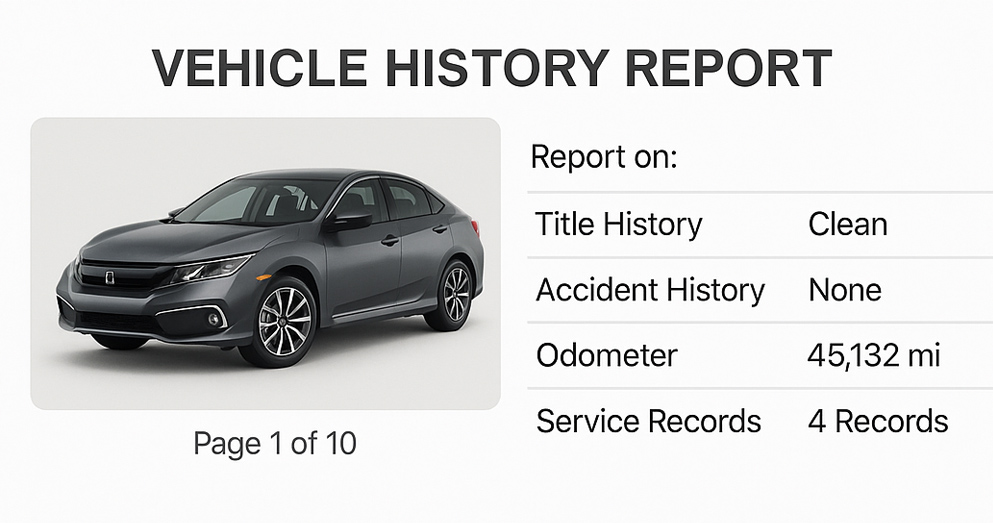
Vehicle History Report
Vehicle
Specifications
Specifications
Ownership
History
History
All History
Events
Events
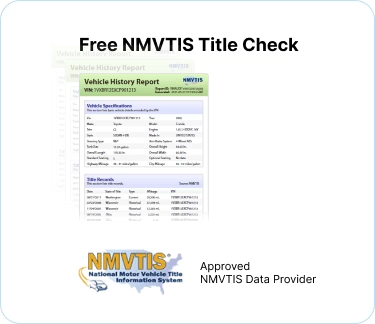
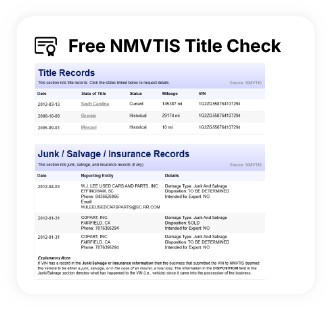
NMVTIS Title
History Check
History Check
Salvage/Rebuilt
Check
Check
Accident
Check
Check
Theft
Check
Check
Open Lien
Check
Check
Past Sale
Listings
Listings
Safety
Recalls
Recalls
Odometer
Check
Check
Market Price
Analysis
Analysis
What Problems Does the 2014 Triumph Bonneville Have?
The 2014 Triumph Bonneville, while generally considered a reliable motorcycle, does have a few common areas that owners report issues with. One of the more frequently mentioned concerns is the potential for oil leaks, particularly around the engine crankcases and the oil filter. This is not necessarily indicative of catastrophic failure but can be an annoyance and require periodic checks and potential gasket replacements over time. Some owners have also noted that the clutch can become a bit stiff or grabby with higher mileage, which might require adjustment or eventual replacement of clutch components.
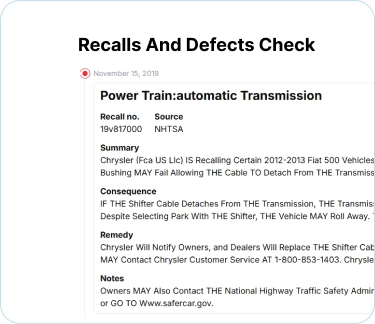
While major recalls are not excessively common for this specific model year, it's always advisable for owners to check with Triumph or relevant authorities for any outstanding safety recalls that might apply. Historically, Triumph has addressed issues through service bulletins and recalls as needed. The electrical system, while generally robust, can sometimes be susceptible to corrosion on connectors, especially if the bike is regularly exposed to wet conditions. This can lead to intermittent issues with lights or ignition. The fuel injection system is typically well-behaved, but like any fuel-injected system, it can be sensitive to poor fuel quality. The engine itself, being an air-cooled parallel-twin, is known for its simplicity and relative ease of maintenance. However, like many air-cooled engines, it can be more prone to temperature fluctuations than liquid-cooled counterparts. The suspension, particularly on the standard models, is functional but not high-performance; some owners opt for aftermarket upgrades to improve ride quality and handling, especially for more spirited riding or carrying a passenger over rougher terrain.
Long-term reliability is generally good, provided regular maintenance is performed. Owners who diligently follow the service schedule, including oil changes and valve adjustments, tend to experience fewer significant problems. The parallel-twin engine design is inherently less complex than multi-cylinder engines, contributing to its overall durability. There aren't widespread, model-year-specific major defects commonly reported for the 2014 Bonneville. The key is consistent care and attention to the potential minor issues mentioned, such as oil seepage and clutch feel.
While major recalls are not excessively common for this specific model year, it's always advisable for owners to check with Triumph or relevant authorities for any outstanding safety recalls that might apply. Historically, Triumph has addressed issues through service bulletins and recalls as needed. The electrical system, while generally robust, can sometimes be susceptible to corrosion on connectors, especially if the bike is regularly exposed to wet conditions. This can lead to intermittent issues with lights or ignition. The fuel injection system is typically well-behaved, but like any fuel-injected system, it can be sensitive to poor fuel quality. The engine itself, being an air-cooled parallel-twin, is known for its simplicity and relative ease of maintenance. However, like many air-cooled engines, it can be more prone to temperature fluctuations than liquid-cooled counterparts. The suspension, particularly on the standard models, is functional but not high-performance; some owners opt for aftermarket upgrades to improve ride quality and handling, especially for more spirited riding or carrying a passenger over rougher terrain.
Long-term reliability is generally good, provided regular maintenance is performed. Owners who diligently follow the service schedule, including oil changes and valve adjustments, tend to experience fewer significant problems. The parallel-twin engine design is inherently less complex than multi-cylinder engines, contributing to its overall durability. There aren't widespread, model-year-specific major defects commonly reported for the 2014 Bonneville. The key is consistent care and attention to the potential minor issues mentioned, such as oil seepage and clutch feel.
How long will the 2014 Triumph Bonneville last?
Based on owner data and typical maintenance habits, a well-cared-for 2014 Triumph Bonneville can comfortably achieve 50,000 to 75,000 miles or more. Many owners report their Bonnies exceeding 100,000 miles with diligent maintenance. The engine's simple parallel-twin design is inherently durable. Long-term durability is largely dependent on regular oil changes, valve adjustments, and keeping the cooling fins clean for efficient heat dissipation. Weaknesses that tend to emerge over time are primarily related to cosmetic aging (chrome pitting, paint fading) and potential minor mechanical wear, such as the clutch becoming less crisp or the occasional oil seal needing replacement. However, these are typically manageable and do not indicate a fundamental flaw in the bike's construction, reinforcing its reputation for lasting many years and miles.
What Technology & Safety Features are Included?
The 2014 Triumph Bonneville is intentionally designed with a focus on classic aesthetics, which means its technological suite is deliberately understated. There is no sophisticated infotainment system, no GPS navigation, and no advanced driver-assistance features found in more modern or sport-oriented motorcycles. The technology is centered around essential functionality and a rider-focused experience.
Built-in Tech: The primary technology is the fuel injection system, which provides reliable and consistent power delivery. The instrument cluster typically includes an analog speedometer and tachometer, with a smaller digital readout for the odometer, trip meter, and clock. This minimalist approach enhances the retro feel.
Entertainment: Entertainment is derived from the riding experience itself and the characteristic sound of the parallel-twin engine, rather than any onboard audio systems. Riders seeking music would need to outfit aftermarket solutions.
Driver-Assistance & Safety Features: The most significant safety feature commonly available, either as standard or an option depending on the trim and market, is Anti-lock Braking System (ABS). ABS significantly enhances rider safety by preventing wheel lock-up during hard braking, particularly on slippery surfaces. Beyond ABS, the Bonneville relies on the rider's skill and good tires for its safety. It doesn't feature traction control, multiple riding modes, or electronic suspension adjustments. Headlights and taillights are standard halogen or incandescent units, providing adequate illumination. Reflectors are integrated for visibility.
Optional Features: Beyond ABS, many dealerships and aftermarket suppliers offered various accessories that could enhance comfort and utility, such as different seat options, luggage racks, windshields, and engine guards. Heated grips were also a popular optional addition for riders in cooler climates.
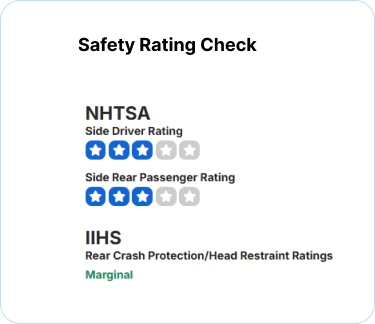
Crash-Test Ratings: Motorcycles like the 2014 Triumph Bonneville are not subjected to standardized crash testing in the same way as automobiles. Safety ratings are generally based on the effectiveness of their braking systems (like ABS), chassis stability, and the availability of safety equipment. The Bonneville is generally considered a stable and predictable motorcycle, and its safety is largely in the hands of the rider and the presence of optional ABS.
Built-in Tech: The primary technology is the fuel injection system, which provides reliable and consistent power delivery. The instrument cluster typically includes an analog speedometer and tachometer, with a smaller digital readout for the odometer, trip meter, and clock. This minimalist approach enhances the retro feel.
Entertainment: Entertainment is derived from the riding experience itself and the characteristic sound of the parallel-twin engine, rather than any onboard audio systems. Riders seeking music would need to outfit aftermarket solutions.
Driver-Assistance & Safety Features: The most significant safety feature commonly available, either as standard or an option depending on the trim and market, is Anti-lock Braking System (ABS). ABS significantly enhances rider safety by preventing wheel lock-up during hard braking, particularly on slippery surfaces. Beyond ABS, the Bonneville relies on the rider's skill and good tires for its safety. It doesn't feature traction control, multiple riding modes, or electronic suspension adjustments. Headlights and taillights are standard halogen or incandescent units, providing adequate illumination. Reflectors are integrated for visibility.
Optional Features: Beyond ABS, many dealerships and aftermarket suppliers offered various accessories that could enhance comfort and utility, such as different seat options, luggage racks, windshields, and engine guards. Heated grips were also a popular optional addition for riders in cooler climates.
Crash-Test Ratings: Motorcycles like the 2014 Triumph Bonneville are not subjected to standardized crash testing in the same way as automobiles. Safety ratings are generally based on the effectiveness of their braking systems (like ABS), chassis stability, and the availability of safety equipment. The Bonneville is generally considered a stable and predictable motorcycle, and its safety is largely in the hands of the rider and the presence of optional ABS.
What Colors Options are Available?
2014 Triumph Bonneville Prices and Market Value
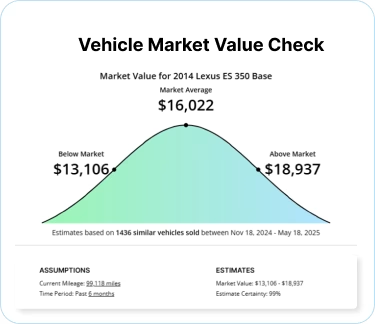
When new, the 2014 Triumph Bonneville models typically ranged from approximately $7,000 to $9,000 USD, depending on the specific trim level (e.g., SE, T100) and any optional features. Current used market prices for a 2014 Triumph Bonneville in good condition generally fall between $4,500 and $7,000. Depreciation is moderate for this model; it holds its value relatively well compared to many other motorcycles due to its timeless design and enduring popularity. Factors affecting resale value include overall condition, mileage, maintenance history, originality of parts, and the presence of desirable accessories or ABS. Bonnevilles with lower mileage, a complete service record, and in excellent cosmetic and mechanical shape will command higher prices. Special editions or rare color schemes can also increase resale value.
2014 Triumph Bonneville Cost of Ownership
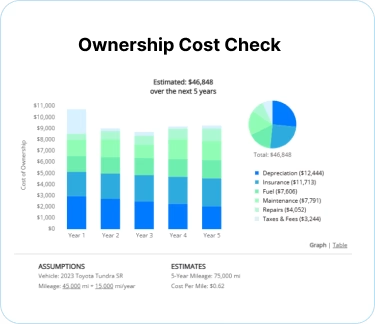
The 2014 Triumph Bonneville is generally considered economical to own. Insurance costs are typically moderate, especially for riders with a clean record, though ABS-equipped models might be slightly higher. Fuel costs are low, with its 865cc engine achieving around 45-50 MPG. Routine maintenance, such as oil changes and chain adjustments, is straightforward and affordable. Major repairs are infrequent if well-maintained, but parts can be moderately priced compared to some Japanese brands. Overall, the Bonneville offers a good balance of character and affordability for long-term ownership, making it a cost-effective choice for a classic-styled motorcycle.
2014 Triumph Bonneville Fuel Efficiency
Fuel Type
NOT Applicable
Fuel Capacity
-
City Mileage
-
Highway Mileage
-
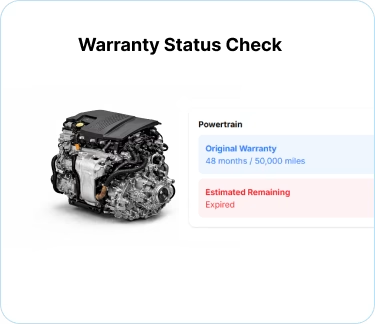
2014 Triumph Bonneville Warranty
Basic
Original warranty
0 months / No data
Estimated remaining
Expired
Powertrain
Original warranty
0 months / No data
Estimated remaining
Expired
Rust
Original warranty
0 months / No data
Estimated remaining
Expired
2014 Triumph Bonneville Insurance
Insurance for a 2014 Triumph Bonneville is moderately priced, reflecting its status as a Motorcycle with strong safety ratings and
reasonable repair costs.
How Does the 2014 Triumph Bonneville Compare to Other Motorcycle?
The 2014 Triumph Bonneville sits in a segment populated by stylish, retro-inspired motorcycles. Key rivals include the Kawasaki Vulcan S, the Harley-Davidson Sportster Iron 883, and often the Ducati Scrambler (though typically a bit newer and pricier).
Performance: The Bonneville's 865cc parallel-twin offers a pleasant, torquey ride with around 67 horsepower, making it agile for city riding and capable on highways. The Kawasaki Vulcan S, with its 649cc parallel-twin, offers a slightly sportier feel and more modern performance, while the Harley-Davidson Sportster Iron 883 (883cc V-twin) focuses on low-end torque and a distinct rumble, though its power output is often comparable or slightly less. In terms of outright performance and revviness, the Bonneville is a good middle ground.
Features: The Bonneville's feature set is intentionally minimalist, emphasizing its classic appeal. ABS was often an option. Rivals like the Vulcan S might offer slightly more modern instrumentation. The Harley-Davidson Sportster also leans heavily on its iconic styling with fewer modern amenities. If advanced tech is a priority, none of these are top contenders.
Reliability: Triumph has a generally good reputation for reliability, and the Bonneville's air-cooled parallel-twin is known for its robustness. Kawasaki is also renowned for bulletproof reliability. Harley-Davidson has improved significantly over the years, but older models can sometimes require more attention than their Japanese counterparts. The Bonneville typically holds its own well in terms of long-term dependability.


Price: The 2014 Bonneville was competitively priced in its segment, and used prices remain attractive. The Kawasaki Vulcan S often offered a slightly lower entry price, while Harley-Davidson Sportsters, especially popular ones, can hold their value very well and sometimes command higher used prices.
Alternatives:
Performance: The Bonneville's 865cc parallel-twin offers a pleasant, torquey ride with around 67 horsepower, making it agile for city riding and capable on highways. The Kawasaki Vulcan S, with its 649cc parallel-twin, offers a slightly sportier feel and more modern performance, while the Harley-Davidson Sportster Iron 883 (883cc V-twin) focuses on low-end torque and a distinct rumble, though its power output is often comparable or slightly less. In terms of outright performance and revviness, the Bonneville is a good middle ground.
Features: The Bonneville's feature set is intentionally minimalist, emphasizing its classic appeal. ABS was often an option. Rivals like the Vulcan S might offer slightly more modern instrumentation. The Harley-Davidson Sportster also leans heavily on its iconic styling with fewer modern amenities. If advanced tech is a priority, none of these are top contenders.
Reliability: Triumph has a generally good reputation for reliability, and the Bonneville's air-cooled parallel-twin is known for its robustness. Kawasaki is also renowned for bulletproof reliability. Harley-Davidson has improved significantly over the years, but older models can sometimes require more attention than their Japanese counterparts. The Bonneville typically holds its own well in terms of long-term dependability.
Price: The 2014 Bonneville was competitively priced in its segment, and used prices remain attractive. The Kawasaki Vulcan S often offered a slightly lower entry price, while Harley-Davidson Sportsters, especially popular ones, can hold their value very well and sometimes command higher used prices.
Alternatives:
- Similar: If the classic British aesthetic is paramount, the Bonneville is hard to beat. Other similar bikes in spirit but with different engine configurations might include the Moto Guzzi V7 series, offering Italian flair and a distinctive transverse V-twin.
- Better Performance/Modern Tech: For a more modern riding experience, considering a Triumph Street Twin (a more recent iteration of the Bonneville lineage with updated tech and engine) or a Yamaha MT-07 would offer significantly more performance and modern features at a comparable or slightly higher price point, albeit with less retro styling.
Final Verdict: Is the 2014 Triumph Bonneville a Good Motorcycle?
The 2014 Triumph Bonneville is ideal for riders who appreciate timeless British styling, a relaxed and engaging riding experience, and a motorcycle that doesn't prioritize cutting-edge technology over character. It's perfect for city commuting, weekend cruising, and shorter to medium-length touring. For new riders, its manageable power and accessible seat height make it a great entry point into the world of classic bikes. For experienced riders, it's a charming, reliable machine that offers a pure, unadulterated motorcycling experience. It is definitely worth buying, especially on the used market where it represents excellent value. Buying used is the most sensible condition, as new prices would place it in a more competitive segment with more modern offerings. Look for well-maintained examples, ideally with ABS for added safety, and consider the T100 trim for those who truly want to embrace the vintage aesthetic. Neglecting it for a newer, feature-laden bike would be a mistake if classic charm is what you seek.