Accident records can have a major effect on used car resale value. Even when a vehicle has been repaired properly, buyers may still see an accident history as a risk. They may worry about hidden damage, future repairs, safety, insurance costs, or lower resale value when they sell the car later.
That does not mean every accident record destroys a car’s value. A minor cosmetic repair is very different from structural damage, airbag deployment, flood exposure, or repeated collision history. The real impact depends on the type of accident, the severity of damage, repair quality, documentation, mileage, title status, and how transparent the seller is.
Before buying or pricing a used car, start with a free VIN check to review available accident, title, mileage, and vehicle history records. Then compare the report with the car’s current condition, repair documents, and market value.
Quick Answer
Accident records usually reduce used car resale value because they increase buyer uncertainty. The bigger the damage, the weaker the repair documentation, and the more serious the title or structural impact, the larger the value loss may be. Minor cosmetic damage may have a smaller effect, while frame damage, airbag deployment, salvage history, flood damage, or repeated accidents can significantly reduce buyer confidence and resale price.
Why Accident History Affects Resale Value
A used car’s value is based on more than year, make, model, mileage, and condition. Vehicle history also matters because it helps buyers estimate risk.
When a car has an accident record, buyers may ask:
- Was the damage cosmetic or structural?
- Were airbags deployed?
- Was the vehicle repaired by a qualified shop?
- Are repair records available?
- Does the car still drive correctly?
- Will insurance or financing be harder?
- Will the car be harder to resell later?
Even if the vehicle looks clean after repair, the record may still follow it. That history can affect how buyers, dealers, insurers, lenders, and valuation tools view the car.
Minor Accident vs. Major Accident
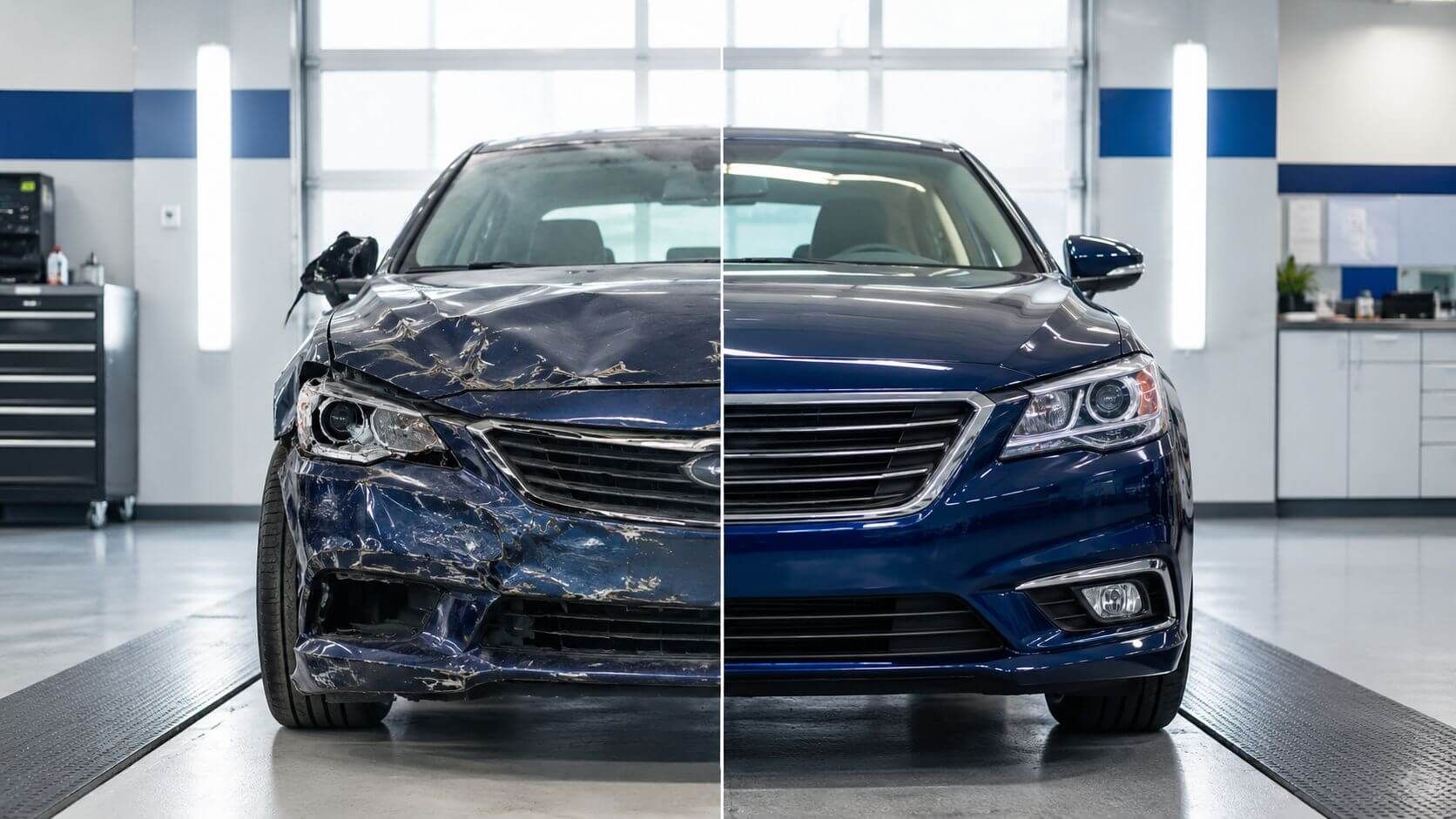
Not all accident records carry the same resale impact. A small bumper repair is not the same as a collision that bends the frame or triggers airbags.
| Accident Type | Likely Resale Impact | Why It Matters |
|---|---|---|
| Minor cosmetic damage | Lower impact | Usually easier to repair and explain |
| Moderate body damage | Medium impact | Buyers may worry about repair quality and paint match |
| Airbag deployment | Higher impact | Suggests stronger collision force and safety-system repair needs |
| Structural or frame damage | High impact | Can affect safety, alignment, tire wear, and buyer confidence |
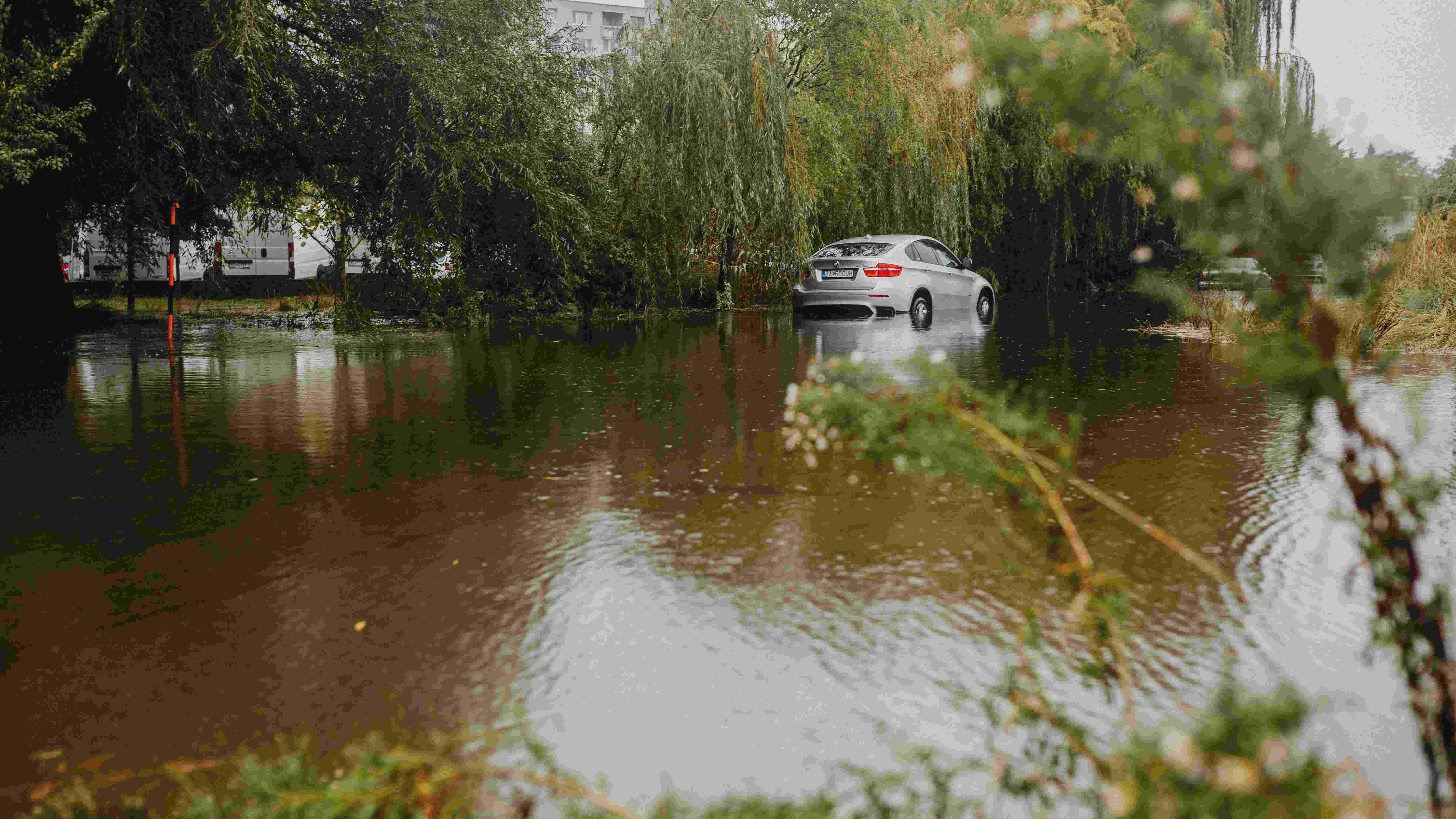
| Flood-related damage | Very high impact | Can cause corrosion, mold, and electrical problems |
| Salvage or rebuilt history | Very high impact | Affects financing, insurance, resale, and buyer demand |
The more serious the damage, the more documentation the seller should provide.
Clean Title With Accident Record vs. Branded Title
A car can have an accident record and still have a clean title. This usually means the vehicle was damaged but not branded as salvage, rebuilt, flood, junk, or another serious title category.
A branded title is different. It usually signals a more serious event in the vehicle’s history. A car with a branded title may be worth much less than a similar clean-title car because buyers may face added challenges with insurance, financing, registration, and resale.
If an accident record appears, check whether the title is still clean. If a title brand appears, run a more focused title check by VIN and review repair documents before making a decision.
Why Repair Quality Matters
Accident history does not tell the whole story. Repair quality can either reduce or increase buyer confidence.
A well-documented repair from a reputable shop may make buyers more comfortable. Poor repairs, mismatched paint, warning lights, uneven gaps, or missing documentation can make the vehicle much harder to sell.
Look for repair proof such as:
- Body shop invoices
- Parts receipts
- Photos before and after repair
- Alignment records
- Airbag replacement documentation, if applicable
- Insurance claim summaries
- Inspection reports
- Warranty on repair work
If the seller cannot explain the accident or provide records, buyers may assume the worst. That uncertainty can lower the price.
How Accident Records Affect Buyer Trust
Accident history affects resale value because it affects trust. Most buyers are not collision repair experts. If they see an accident record, they may worry about problems they cannot easily detect.
Common buyer concerns include:
- Hidden frame damage
- Electrical problems
- Uneven tire wear
- Suspension issues
- Paint fading or mismatch
- Water leaks
- Dashboard warning lights
- Airbag system problems
- Lower future resale value
This is why transparency matters. A seller who clearly explains the accident, shows repair records, and prices the vehicle fairly is more likely to attract serious buyers.
How Accident Records Affect Dealer Trade-In Value
Dealers usually evaluate both the car’s current condition and its history. If the vehicle has an accident record, a dealer may offer less because the dealer must resell the car later and answer buyer questions about the same record.
A dealer may discount the trade-in value more heavily if the accident record includes:
- Structural damage
- Airbag deployment
- Poor repair quality
- Title brands
- Inconsistent mileage
- Multiple accidents
- Auction or insurance-loss history
Even if the dealer accepts the vehicle, the accident history may reduce the offer compared with a similar no-accident vehicle.
How Accident Records Affect Private Sale Price
In a private sale, accident history can make negotiation harder. Buyers may use the report to ask for a lower price, request inspection time, or walk away entirely.
However, private sellers can protect value by being prepared. If you are selling a car with an accident record, gather repair documents before listing it. Be clear about what happened, what was repaired, and why the vehicle is still safe and reliable.
Do not hide the accident. If the buyer later finds it in a report, trust is lost immediately.
Accident History and Car Value by VIN
A vehicle’s accident history should be considered together with mileage, title status, trim, condition, ownership history, and market demand. Two cars with the same year and mileage can have very different values if one has a clean record and the other has damage history.
Use a car value by VIN lookup to compare the asking price with the vehicle’s recorded history. If the vehicle has an accident record, the price should reflect the risk level, repair quality, and resale impact.
What Buyers Should Check After Seeing an Accident Record
If a report shows accident history, do not reject the car automatically. Instead, inspect the details carefully.
Ask these questions:
- When did the accident happen?
- Which part of the vehicle was damaged?
- Was the damage cosmetic or structural?
- Did airbags deploy?
- Who repaired the vehicle?
- Are repair records available?
- Has the vehicle had alignment issues since the repair?
- Is there a warranty on the repair work?
- Does the title show any brand?
- Is the price lower than a comparable no-accident vehicle?
If the seller cannot answer basic questions, be cautious.
Physical Signs That Accident Damage May Still Matter
A report may show an accident, but your inspection tells you whether the repair looks acceptable today.
Check for:
- Uneven panel gaps
- Mismatched paint
- Overspray near trim or glass
- Rust around repaired areas
- Doors, hood, or trunk that do not close cleanly
- Steering pull during test drive
- Uneven tire wear
- Dashboard warning lights
- Wind noise or water leaks
- Loose bumper covers or underbody panels
If the car has an accident record and you notice several of these signs, get a professional inspection before buying.
When Accident History Should Be a Deal Breaker
Some accident records are manageable. Others may be too risky for many buyers.
Consider walking away if:
- The title is branded and the seller did not disclose it
- The car has structural damage with poor documentation
- Airbags deployed and repair proof is missing
- The vehicle shows signs of flood damage
- The VIN or title records do not match
- The seller refuses an inspection
- The price does not reflect the accident history
- The vehicle pulls, vibrates, overheats, or shows warning lights
A discounted price is not always enough. Some vehicles are cheap because the risk is high.
How Sellers Can Protect Resale Value After an Accident
If you own a car with an accident record, documentation is your best defense. The goal is to reduce uncertainty for the next buyer.
Keep:
- Repair invoices
- Photos before and after repair
- Insurance documents
- Alignment reports
- Parts receipts
- Inspection records
- Maintenance records after the repair
When selling, be honest. Explain the accident clearly and price the vehicle realistically. A transparent seller can still close a fair deal, especially if the damage was minor and the repairs were done properly.
Accident Record Resale Value Checklist
| What to Review | Why It Affects Value |
|---|---|
| Damage severity | More serious damage usually means a bigger value impact |
| Repair quality | Good repairs preserve more buyer confidence |
| Title status | Branded titles usually reduce value more than clean titles |
| Airbag deployment | Indicates a more serious collision and safety-system repair needs |
| Structural damage | Raises safety, alignment, and resale concerns |
| Documentation | Repair records make the history easier to trust |
| Current condition | Poor visible repairs reduce value further |
| Market demand | Popular models may hold value better despite minor records |
| Mileage | High mileage plus accident history can compound value loss |
| Seller transparency | Honest disclosure can reduce buyer hesitation |
Bottom Line
Accident records can lower used car resale value, but the impact depends on the details. Minor cosmetic damage with strong repair documentation may have a limited effect. Structural damage, airbag deployment, title brands, flood exposure, or poor repairs can create a much larger value drop.
Before buying, review the report, inspect the vehicle, check the title, compare the price, and ask for repair records. Before selling, gather documentation and disclose the accident clearly.
A car with accident history is not always a bad purchase, but it should be priced according to its risk. The more transparent the history, the easier it is for buyers and sellers to agree on a fair value.
Frequently Asked Questions
Does an accident record always lower resale value?
Usually, yes. Even a properly repaired vehicle may be worth less than a similar car with no accident history because buyers often see accident records as added risk.
Is a minor accident bad for resale value?
A minor accident may have a smaller effect, especially if the repair was cosmetic, well documented, and professionally completed. The impact is usually greater when damage was structural or poorly repaired.
Does a clean title mean the accident was not serious?
Not always. A vehicle can have an accident record and still keep a clean title. Review the damage details, repair records, and inspection results before deciding.
Should I buy a used car with accident history?
It depends on the severity of the accident, repair quality, title status, price, and inspection results. A minor, well-documented repair may be acceptable. Major damage with poor documentation is much riskier.
How can I check if accident history affects the price?
Compare the vehicle’s history, mileage, title status, condition, and local market value. Use a VIN-based value check and compare it with similar vehicles that have no accident records.
{
  "@context": "https://schema.org",
  "@type": "FAQPage",
  "mainEntity": [
    {
      "@type": "Question",
      "name": "Does an accident record always lower resale value?",
      "acceptedAnswer": {
        "@type": "Answer",
        "text": "Usually, yes. Even a properly repaired vehicle may be worth less than a similar car with no accident history because buyers often see accident records as added risk."
      }
    },
    {
      "@type": "Question",
      "name": "Is a minor accident bad for resale value?",
      "acceptedAnswer": {
        "@type": "Answer",
        "text": "A minor accident may have a smaller effect, especially if the repair was cosmetic, well documented, and professionally completed. The impact is usually greater when damage was structural or poorly repaired."
      }
    },
    {
      "@type": "Question",
      "name": "Does a clean title mean the accident was not serious?",
      "acceptedAnswer": {
        "@type": "Answer",
        "text": "Not always. A vehicle can have an accident record and still keep a clean title. Review the damage details, repair records, and inspection results before deciding."
      }
    },
    {
      "@type": "Question",
      "name": "Should I buy a used car with accident history?",
      "acceptedAnswer": {
        "@type": "Answer",
        "text": "It depends on the severity of the accident, repair quality, title status, price, and inspection results. A minor, well-documented repair may be acceptable. Major damage with poor documentation is much riskier."
      }
    },
    {
      "@type": "Question",
      "name": "How can I check if accident history affects the price?",
      "acceptedAnswer": {
        "@type": "Answer",
        "text": "Compare the vehicle’s history, mileage, title status, condition, and local market value. Use a VIN-based value check and compare it with similar vehicles that have no accident records."
      }
    }
  ]
}
Author
Nathan Whitmore
Nathan Whitmore is an automotive research writer focused on vehicle history reports, VIN analysis, title verification, and used-car background checks. He writes practical, consumer-friendly content that helps buyers understand how ownership records, accident history, branded titles, and lien data can affect a vehicle’s value and legal standing. His work is designed to make complex vehicle records easier to interpret before a sale is finalized.