When buying a used car, two numbers usually get the most attention: mileage and age. A five-year-old car with 100,000 miles may worry one buyer, while a 12-year-old car with only 45,000 miles may worry another. Both reactions can be reasonable because mileage and age affect a vehicle in different ways.
Mileage shows how much the vehicle has been driven. Age shows how long the vehicle has been exposed to time, weather, storage conditions, maintenance habits, and parts deterioration. The better question is not whether mileage or age matters more in every situation. The better question is how the two work together.
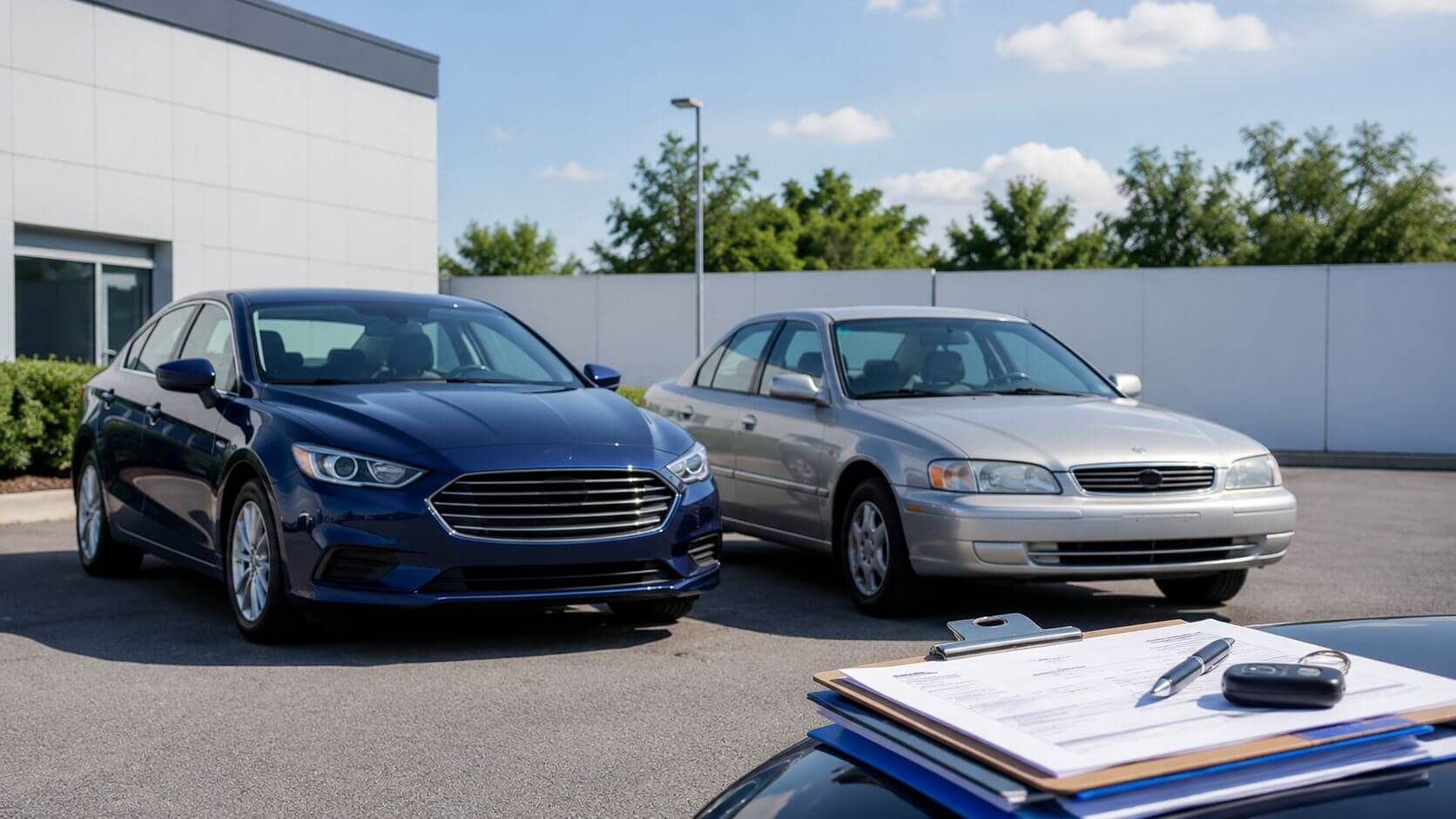
A newer high-mileage car may still be a good buy if it was mostly driven on highways and maintained well. An older low-mileage car may look appealing but could still have dry seals, old tires, weak fluids, rust, battery issues, or long periods of neglect. Before deciding, compare mileage, age, maintenance records, title history, current condition, and price.
Why Mileage Matters
Mileage matters because it reflects use. Every mile adds wear to the engine, transmission, brakes, suspension, tires, steering components, interior, and drivetrain. A car with higher mileage has usually gone through more heat cycles, road vibration, stop-and-go driving, and maintenance intervals.
Mileage can affect:
- Engine wear
- Transmission wear
- Brake and tire life
- Suspension condition
- Interior wear
- Resale value
- Warranty eligibility
- Maintenance costs
- Buyer confidence
A vehicle with 120,000 miles is not automatically bad. Many modern vehicles can last well beyond that with proper maintenance. However, higher mileage means the buyer should expect more careful inspection and a price that reflects the vehicle’s use.
Before buying, compare the odometer with service records, title records, inspection records, and sale history. A mileage VIN check can help you spot mileage patterns that do not make sense.
Why Age Matters
Age matters because a car can deteriorate even when it is not driven much. Rubber, plastic, fluids, seals, belts, hoses, gaskets, batteries, tires, and electronics can age over time.
An older car with low mileage may still need work because time affects:
- Tires
- Battery
- Belts and hoses
- Brake fluid
- Coolant
- Engine oil
- Transmission fluid
- Seals and gaskets
- Weatherstripping
- Suspension bushings
- Paint and clear coat
- Rust-prone areas
- Infotainment and electronics
Age also affects availability of parts, resale demand, safety technology, emissions compliance, and insurance value. A 12-year-old car with low mileage may be mechanically promising, but it is still a 12-year-old car.
That is why buyers should avoid assuming low mileage automatically means low risk.
Mileage vs Age: Which Matters More?
Mileage usually matters more for wear-related components, while age usually matters more for time-sensitive parts, technology, and long-term deterioration. In real buying decisions, neither number should be judged alone.
A high-mileage newer car may be better if it has:
- Consistent maintenance records
- Mostly highway use
- Clean title history
- No major accident records
- Strong inspection results
- Reasonable price
- No mileage inconsistencies
An older low-mileage car may be better if it has:
- Regular maintenance despite low use
- Clean title
- Good storage history
- Fresh tires and fluids
- No rust or flood clues
- Strong inspection results
- Price adjusted for age
The winning car is not always the lower-mileage one. It is the car with the better overall history, condition, and value.
When High Mileage Is Less Concerning
High mileage is less concerning when the miles appear normal, consistent, and well documented.
For example, a car with 90,000 miles after six years may have been used regularly. If the vehicle has service records, clean title history, smooth driving behavior, and no major warning signs, the mileage may be acceptable.
High mileage may be less risky when:
- Mileage increased steadily over time
- Oil changes were done regularly
- Major service intervals were completed
- Most driving was highway driving
- The vehicle has no major accident history
- Tires, brakes, and suspension are in good condition
- The price reflects the mileage
- The model has a strong reliability reputation
Highway miles are often easier on a vehicle than constant city driving because the engine runs at steady temperature and the brakes, transmission, and suspension may experience less stop-and-go stress.
Still, do not rely only on the seller’s statement that the car has “mostly highway miles.” Look for maintenance records and inspection results.
When Low Mileage Can Be Misleading
Low mileage is attractive, but it can sometimes hide problems.
A car that was rarely driven may have:
- Old tires with plenty of tread but unsafe age
- Weak battery from sitting
- Dried seals or gaskets
- Stale fluids
- Rust from outdoor storage
- Brake corrosion
- Rodent damage
- Flat-spotted tires
- Mold or moisture issues
- Deferred maintenance
Low mileage can also raise odometer questions if the vehicle’s condition does not match the number. If a car shows very low mileage but has worn pedals, sagging seats, heavy steering-wheel wear, or inconsistent records, investigate further.
A mileage VIN check is useful when the odometer reading seems unusually low for the vehicle’s age.
Compare Average Annual Mileage
One practical way to judge mileage and age together is to calculate average annual mileage.
Use this formula:
Current mileage ÷ vehicle age = average miles per year
For example:
| Vehicle | Age | Mileage | Average Miles Per Year |
|---|---|---|---|
| Car A | 5 years | 75,000 miles | 15,000 miles/year |
| Car B | 10 years | 60,000 miles | 6,000 miles/year |
| Car C | 3 years | 90,000 miles | 30,000 miles/year |
Average annual mileage helps you see whether usage looks normal, unusually high, or unusually low. But it does not tell the full story. A high annual average may be fine if maintenance is strong. A low annual average may be risky if the car sat unused for long periods.
Use the average as a clue, not a final answer.
Maintenance Records Matter More Than Both
Mileage and age are important, but maintenance records often matter more. A well-maintained older or higher-mileage car can be a better buy than a newer or lower-mileage car with no records.
Look for proof of:
- Oil changes
- Brake service
- Tire replacements
- Transmission service
- Coolant service
- Battery replacement
- Spark plug replacement
- Timing belt replacement, if applicable
- Recall repairs
- Major scheduled maintenance
A car with complete records gives you more confidence. A car with missing records should be inspected more carefully and priced accordingly.
If a seller claims the car was maintained but cannot provide proof, ask where it was serviced and whether records can be requested.
Title and Accident History Still Matter
A low-mileage, newer vehicle can still be a poor purchase if it has serious title or accident history. A high-mileage car can still be acceptable if the title is clean and the condition is strong.
Always check for:
- Salvage title
- Rebuilt title
- Flood brand
- Lemon history
- Odometer brand
- Major accident records
- Theft recovery
- Lien concerns
A title check by VIN can help you review title-related risks before you focus too much on mileage or age. Title history can affect insurance, financing, resale value, and buyer confidence.
How Mileage and Age Affect Value
Used car value is shaped by both mileage and age. A newer car with high mileage may be worth less because buyers expect wear. An older car with low mileage may be worth more than typical examples, but only if its condition and maintenance support the premium.
Use a car value by VIN lookup to compare the asking price with the vehicle’s age, mileage, title status, condition, and market value.
Be cautious when:
- A high-mileage car is priced like a low-mileage car
- An older low-mileage car is priced too close to newer models
- A branded-title car is priced like a clean-title vehicle
- The seller uses low mileage to avoid discussing age-related issues
- The seller uses newer model year to ignore excessive mileage
A fair price should reflect the full picture.
Warranty and Age Limits
Warranty coverage often depends on both time and mileage, whichever comes first. A vehicle may have low mileage but be too old for factory warranty coverage. Another vehicle may be newer but already past the mileage limit.
Before assuming a used car still has coverage, run a car warranty check by VIN. Ask when the vehicle was first put into service, what warranty remains, and whether the coverage transfers to the next owner.
This is especially important for newer used cars, certified pre-owned vehicles, hybrids, EVs, and vehicles with expensive electronics or powertrain components.
Buyer Scenarios: Which Car Looks Better?
Newer Car With High Mileage
A three-year-old car with 85,000 miles may seem high, but it could still be a solid buy if it has strong service records and mostly highway use. The price should reflect the mileage, but the vehicle may have newer safety features, newer technology, and less age-related deterioration.
Older Car With Low Mileage
A 12-year-old car with 45,000 miles may look appealing, but you need to check tires, fluids, battery, rust, storage conditions, and maintenance. Low mileage does not mean the car was maintained on schedule.
Average Car With Complete Records
A seven-year-old car with 80,000 miles and complete maintenance records may be the best of the three. It may not have the lowest mileage or newest model year, but it has a more predictable history.
Inspection Tips for High-Mileage Cars
When inspecting a high-mileage car, focus on wear and maintenance.
Check:
- Engine noise
- Oil leaks
- Transmission shifting
- Suspension noise
- Brake condition
- Tire wear
- Steering play
- Exhaust smoke
- Warning lights
- Service records
- Major maintenance history
Ask whether expensive wear items have already been replaced. If not, factor them into the price.
Inspection Tips for Older Low-Mileage Cars
When inspecting an older low-mileage car, focus on time-related issues.
Check:
- Tire age
- Battery age
- Dry or cracked belts
- Brittle hoses
- Fluid condition
- Brake corrosion
- Rust
- Mold or moisture
- Gasket leaks
- Rodent damage
- Long storage periods
- Service gaps
Ask how the vehicle was stored and how often it was driven.
Mileage vs Age Buyer Checklist
| What to Check | Why It Matters |
|---|---|
| Current mileage | Shows how much the vehicle was used |
| Vehicle age | Shows time-related wear risk |
| Average annual mileage | Helps identify unusual usage patterns |
| Maintenance records | Shows whether care matched use |
| Title history | Reveals brands, liens, or ownership issues |
| Accident records | Helps explain condition and value |
| Warranty status | Depends on time and mileage limits |
| Tire and battery age | Important on low-mileage older vehicles |
| Inspection results | Confirms current condition |
| Asking price | Should reflect age, mileage, history, and condition |
Red Flags to Watch For
Be cautious if:
- Mileage seems too low for the vehicle’s condition
- Odometer records move backward
- Service records are missing
- Seller cannot explain long periods of non-use
- Older vehicle has old tires or fluids
- High-mileage vehicle has no major maintenance records
- Vehicle has title brands or accident history
- Price does not reflect mileage or age
- Seller refuses inspection
- Warranty claims cannot be verified
When mileage, age, records, and condition do not line up, slow down.
Bottom Line
Mileage and age both matter when buying a used car. Mileage tells you how much the vehicle has been driven. Age tells you how long the vehicle has been exposed to time, weather, storage conditions, and parts deterioration.
A newer high-mileage car can be a smart buy if it was well maintained and priced fairly. An older low-mileage car can also be a good buy if it was stored properly, serviced regularly, and inspected carefully. The best used car is not always the newest or the lowest-mileage one. It is the one with the strongest combination of history, condition, maintenance, title status, and price.
Before buying, compare mileage and age together, verify records by VIN, inspect the vehicle, and make sure the asking price reflects the real risk.
FAQs
Is mileage or age more important when buying a used car?
Both matter. Mileage shows use, while age shows time-related deterioration. Maintenance records, title history, condition, and price often matter more than either number alone.
Is a newer high-mileage car a bad buy?
Not always. A newer high-mileage car can be a good buy if the mileage is consistent, maintenance records are strong, the vehicle passes inspection, and the price reflects the higher use.
Is an older low-mileage car better?
Sometimes, but not always. Older low-mileage cars can still have age-related problems such as old tires, weak batteries, dried seals, stale fluids, rust, or storage damage.
How many miles per year is normal for a used car?
There is no perfect number, but average annual mileage can help you judge whether usage looks high, low, or typical. Divide total mileage by vehicle age, then compare the result with condition and records.
Should I pay more for a low-mileage used car?
Only if the vehicle’s condition, maintenance records, title history, and inspection results support the premium. Low mileage alone does not guarantee a better car.
Author
Nathan Whitmore
Nathan Whitmore is an automotive research writer focused on vehicle history reports, VIN analysis, title verification, and used-car background checks. He writes practical, consumer-friendly content that helps buyers understand how ownership records, accident history, branded titles, and lien data can affect a vehicle’s value and legal standing. His work is designed to make complex vehicle records easier to interpret before a sale is finalized.