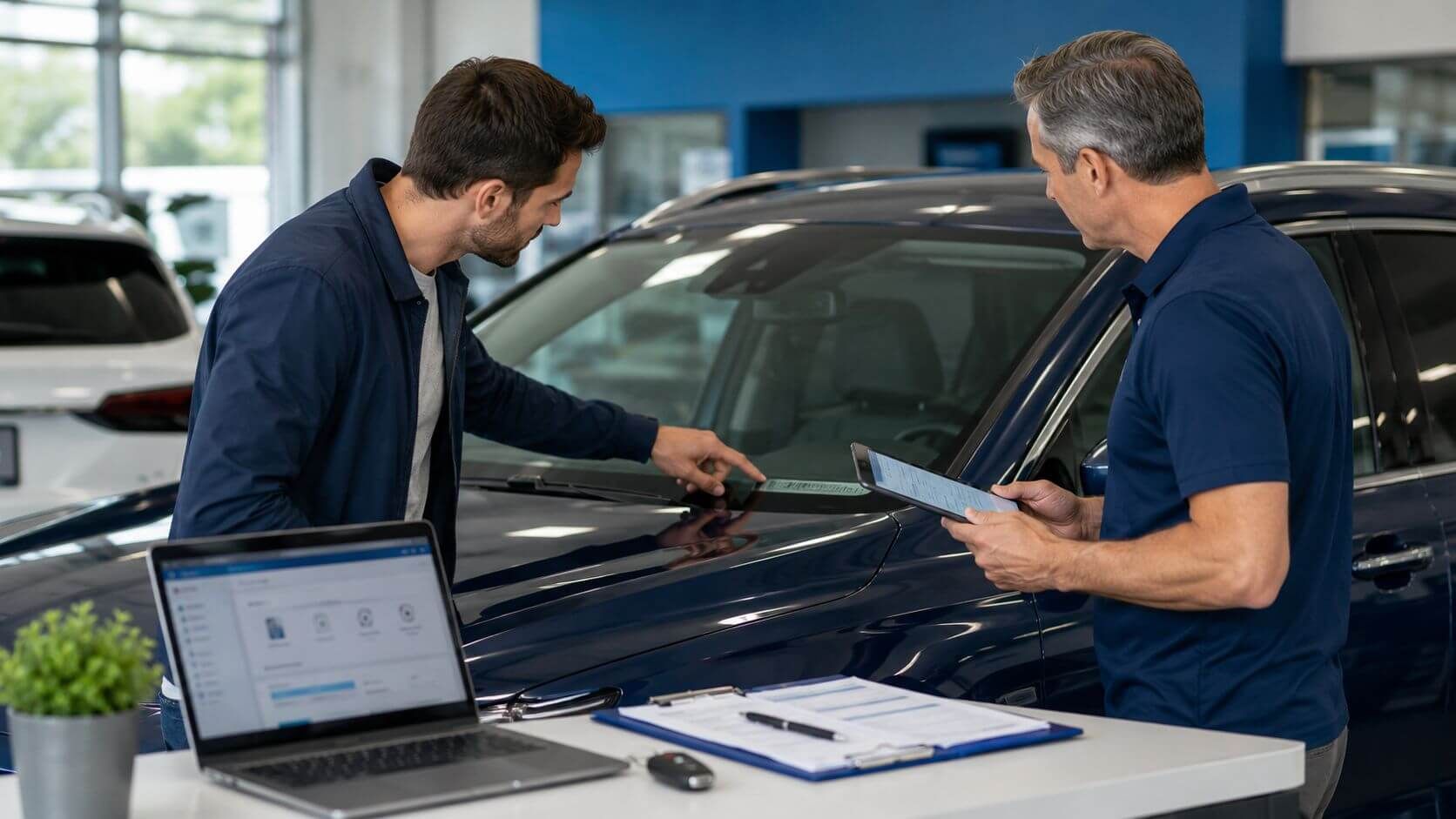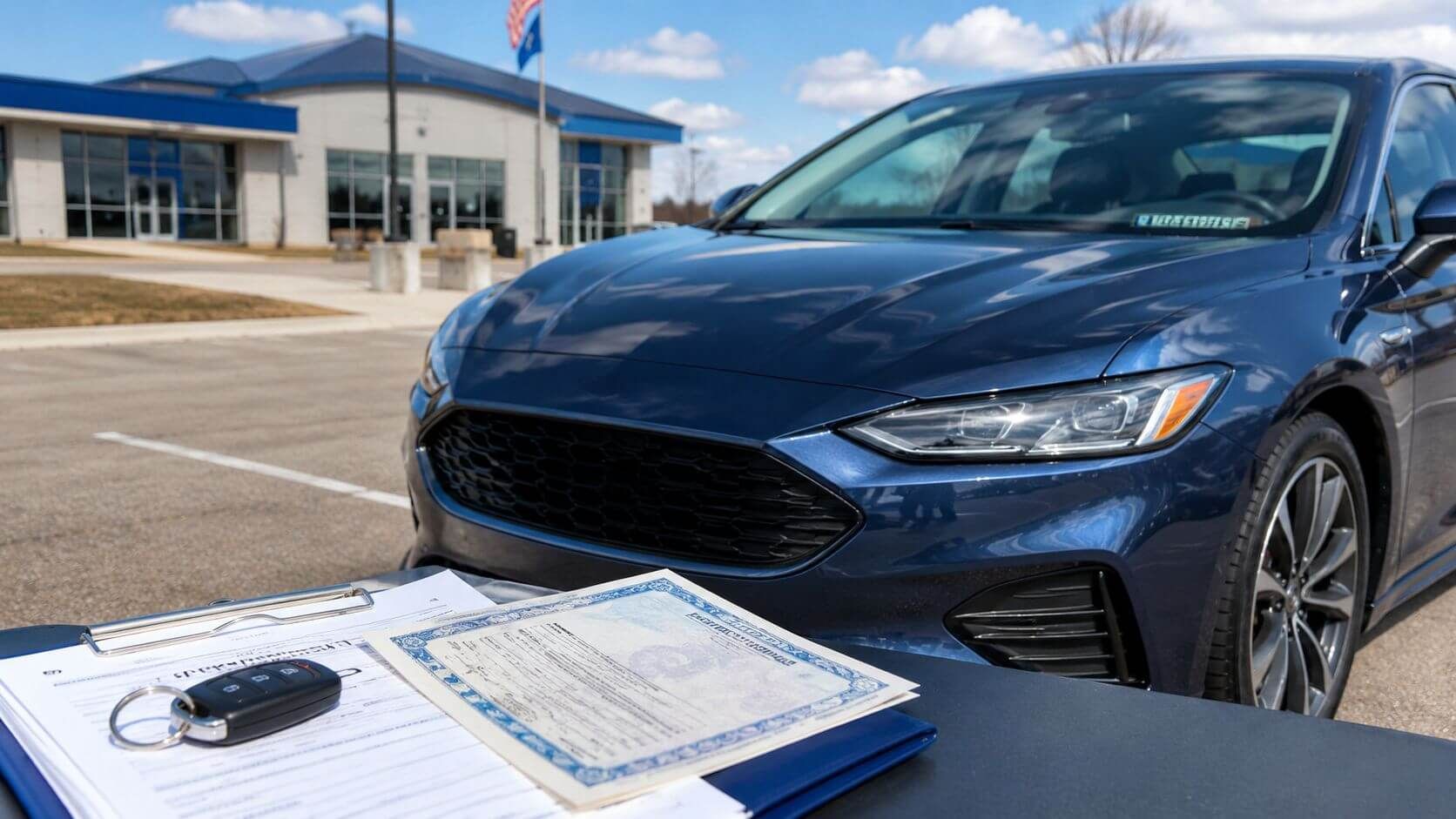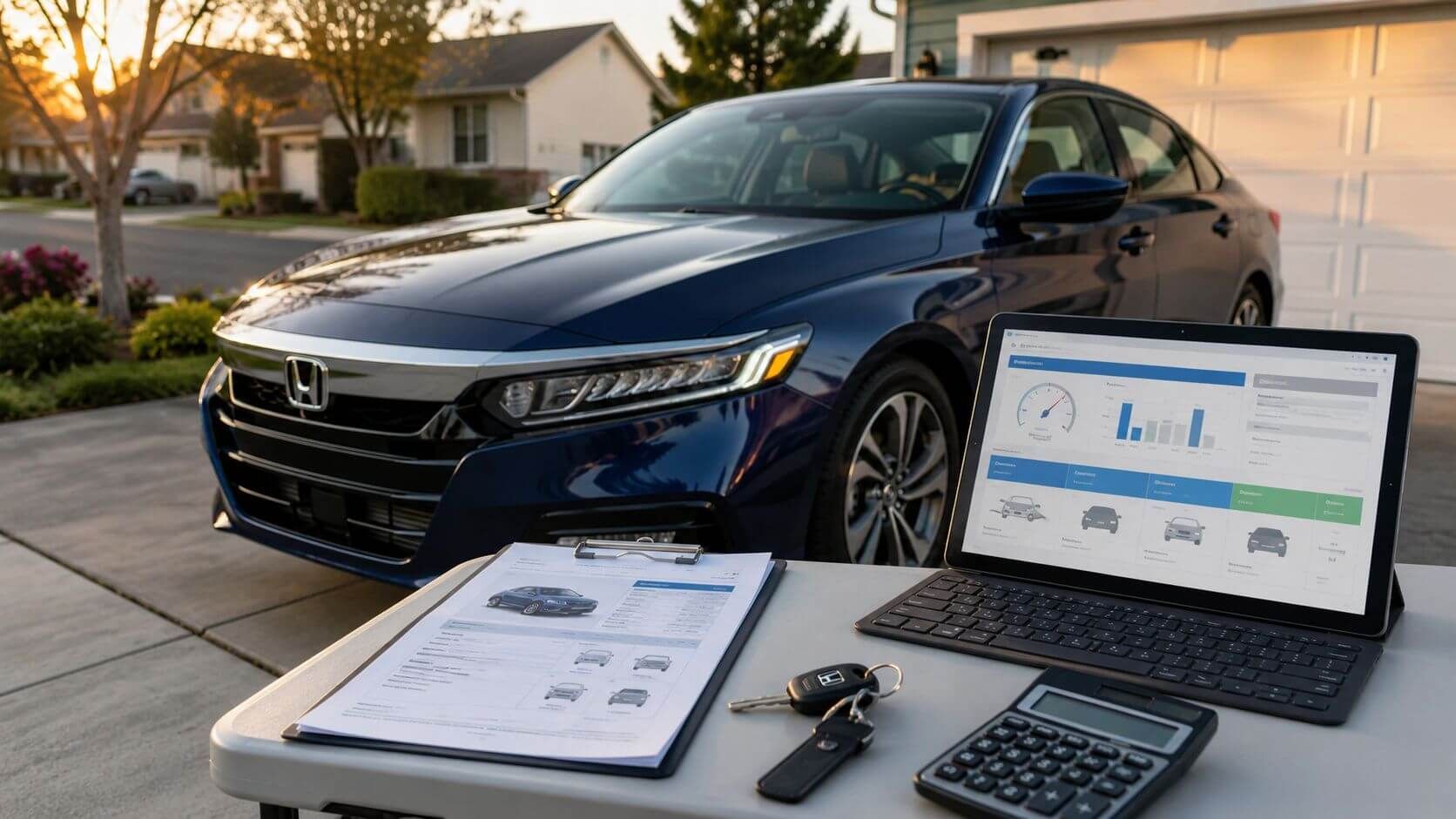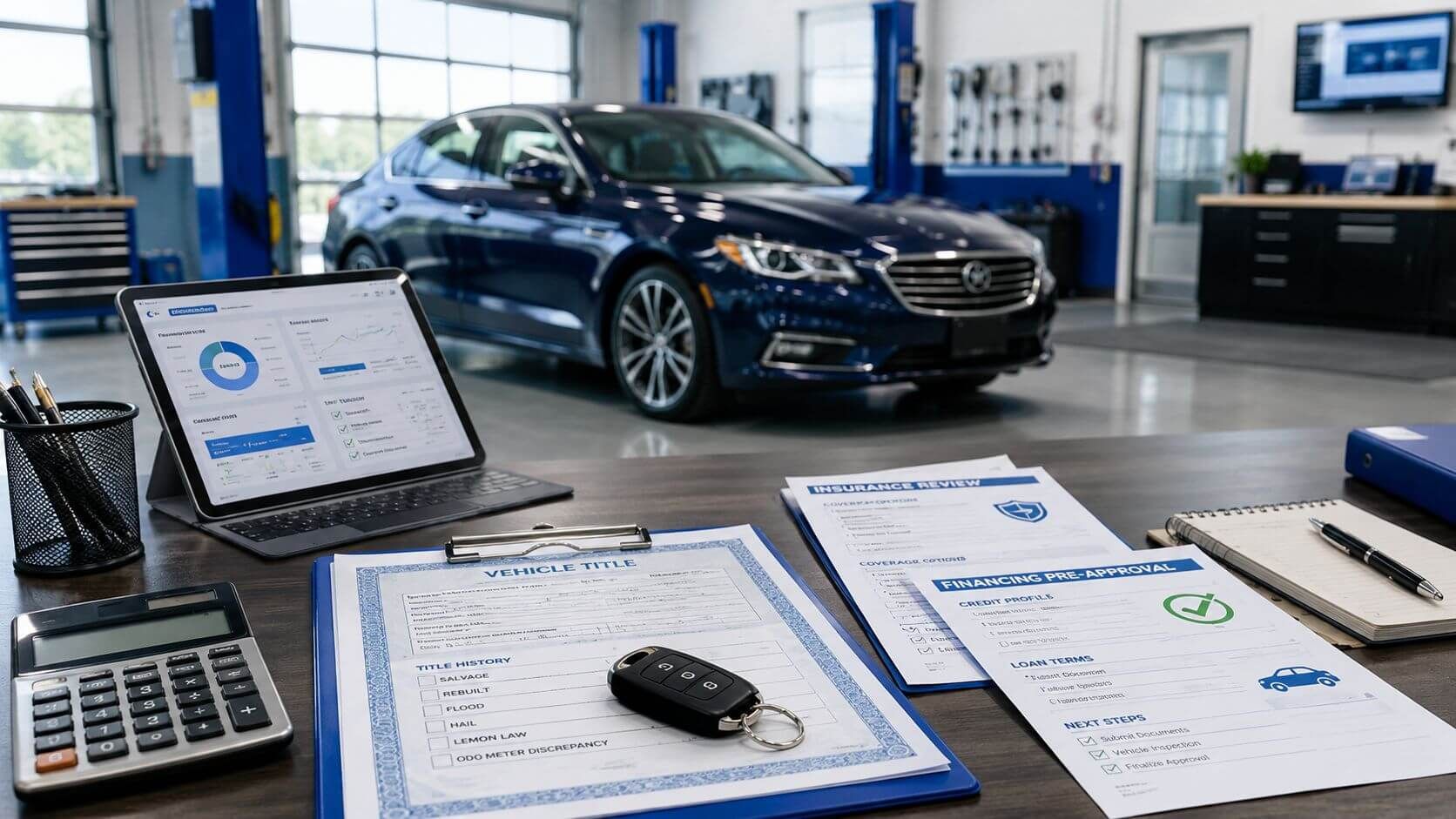
A title brand can change how buyers, insurers, lenders, and dealerships view a used car. Even if the vehicle looks repaired and drives well, a branded title tells future owners that something significant happened in the vehicle’s history.
For buyers, that matters because a title brand can affect more than the purchase price. It may influence whether the vehicle can be fully insured, whether a lender will finance it, how much the car is worth, and how difficult it will be to resell later.
A branded-title car is not always a bad buy, but it is almost always a higher-risk buy. Before making an offer, verify the title status, understand what caused the brand, review repair records, confirm insurance and financing options, and compare the price against the added risk.
What Is a Title Brand?
A title brand is a label added to a vehicle’s title or title history to identify an important event or condition. It helps warn future buyers, lenders, insurers, dealerships, and state agencies that the vehicle may have had serious damage, ownership issues, mileage problems, or other concerns.
Title brand names and rules vary by state, but common examples include:
- Salvage
- Rebuilt or reconstructed
- Flood
- Junk or non-repairable
- Lemon
- Odometer discrepancy
- Not actual mileage
- Theft recovery
- Fire damage
- Hail damage
Some brands are more serious than others. A rebuilt title may mean a previously salvage vehicle was repaired and passed a state inspection process. A junk or non-repairable brand may mean the vehicle is intended only for parts or scrap. A flood brand can suggest long-term electrical, corrosion, and mold risks even if the car looks clean today.
If a seller mentions a title issue, or if the paperwork looks unclear, run a focused title check by VIN before moving forward.
Why Title Brands Matter
A title brand does not always explain the full story. It may not tell you exactly how the damage happened, who repaired the vehicle, whether original parts were used, or how well the car performs today.
However, it does tell you one important thing: the vehicle is not the same as a comparable clean-title car.
Title brands can affect:
- Insurance coverage
- Loan approval
- Resale value
- Dealer trade-in offers
- Registration requirements
- Buyer trust
- Repair costs
- Warranty confidence
- Future market demand
A branded-title vehicle may still be roadworthy, but the recorded history creates uncertainty. That uncertainty usually lowers value and makes the vehicle harder to insure, finance, or resell.
Clean Title vs. Branded Title
A clean title generally means the title does not currently show a major brand such as salvage, rebuilt, flood, junk, or lemon. However, a clean title does not guarantee the vehicle has never been damaged. A car can have accident history, poor repairs, or hidden issues and still carry a clean title.
A branded title means a significant title event was recorded. The brand may affect how the vehicle is valued, insured, financed, and resold.
| Title Status | What It Suggests | Buyer Concern |
|---|---|---|
| Clean title | No major title brand shown | Still inspect for unreported damage |
| Salvage | Serious damage or total-loss history | May not be road-ready without state process |
| Rebuilt or reconstructed | Previously salvage, later repaired | Repair quality and inspection history matter |
| Flood | Water damage history | Electrical, corrosion, and mold risk |
| Junk or non-repairable | Severe damage or parts-only status | May not be suitable for normal road use |
| Lemon | Repeated defect or warranty-related history | Reliability and resale concerns |
| Odometer brand | Mileage accuracy issue | Value, trust, and resale concerns |
The brand type matters. A hail-related brand may carry a different level of risk than a flood, junk, or rebuilt salvage brand.
How Title Brands Affect Insurance
Insurance is one of the first things buyers should check before purchasing a branded-title vehicle. Some insurers may cover rebuilt or branded vehicles, while others may limit coverage or decline certain coverage types.
Possible insurance issues include:
- Limited comprehensive or collision coverage
- Liability-only coverage options
- Lower claim payout because of reduced vehicle value
- Additional inspection requirements
- Difficulty separating new damage from pre-existing damage
- Fewer insurer options
- More uncertainty during future claims
Liability coverage may be easier to obtain than full coverage, but insurer rules vary. Do not assume that a branded-title vehicle can be insured the same way as a clean-title vehicle.
Before buying, contact your insurance company with the VIN and title status. Ask whether the vehicle is eligible for the coverage you want, whether the brand affects claim payouts, and whether an inspection is required.
How Title Brands Affect Financing
Financing can also become harder with a branded title. Many lenders prefer clean-title vehicles because they are easier to value and resell if the borrower defaults. A branded-title vehicle may be viewed as weaker collateral.
Financing challenges may include:
- Loan denial
- Higher down payment requirements
- Higher interest rates
- Shorter loan terms
- Lower loan-to-value limits
- Extra documentation requirements
- Restrictions on salvage or rebuilt vehicles
Some buyers may still find financing through credit unions, specialty lenders, personal loans, or cash purchases. However, financing options are usually narrower than they are for clean-title vehicles.
Before paying a deposit, ask your lender whether the title brand affects approval. Do not rely on the seller’s statement that “banks finance these all the time.”
How Title Brands Affect Resale Value
Title brands usually reduce resale value because future buyers will see the same history. Even if the vehicle has been repaired properly, many buyers prefer clean-title vehicles because they are easier to insure, finance, and resell.
The resale impact depends on:
- Type of title brand
- Damage severity
- Repair quality
- Inspection records
- Vehicle age
- Mileage
- Market demand
- Documentation
- Current condition
- Buyer confidence
A branded-title vehicle may need to be priced well below a comparable clean-title vehicle to attract buyers. The discount should reflect the brand, repair uncertainty, future resale difficulty, and possible limits on insurance or financing.
Use a car value by VIN lookup to compare the asking price with the vehicle’s mileage, condition, title history, and current market value.
Why Documentation Matters
Documentation can make a major difference. A branded-title vehicle with detailed repair records is easier to evaluate than one with no paperwork.
Ask for:
- Repair invoices
- Before-and-after damage photos
- Insurance documents
- State inspection records
- Parts receipts
- Airbag replacement records, if applicable
- Alignment records
- Structural repair documentation
- Maintenance records after repair
- Current title document
Good documentation does not erase the title brand, but it helps you understand the risk. Missing documentation increases uncertainty and should usually lower the price.
How to Evaluate a Branded-Title Vehicle
Do not rely only on the seller’s explanation. Use a step-by-step process to verify the car before making an offer.
1. Confirm the Brand
Check the current title document and the vehicle history records. Make sure the seller’s description matches the actual title status.
2. Understand What Caused It
Ask why the vehicle was branded. Was it collision damage, flood damage, theft recovery, hail damage, fire damage, a lemon-law issue, or an odometer concern?
3. Review Repair Records
Look for repair invoices, photos, inspection records, and parts receipts. If the seller cannot document the repair, be cautious.
4. Verify Insurance Before Buying
Call your insurer with the VIN and title status. Ask whether full coverage is available and how the brand affects claim value.
5. Check Financing Before Paying
Ask your lender whether they finance branded-title vehicles. Do this before signing paperwork or sending a deposit.
6. Get a Pre-Purchase Inspection
Have a trusted mechanic or body shop inspect the vehicle. Pay close attention to frame damage, flood clues, warning lights, airbag systems, corrosion, and poor repair quality.
7. Compare the Price
The price should reflect the title brand. If the seller is asking clean-title money for a branded-title vehicle, negotiate or walk away.
When a Branded Title May Be Worth Considering
A branded-title vehicle may be worth considering if the buyer understands the risk and the price is right.
It may be more reasonable when:
- The damage was minor or clearly documented
- Repairs were completed professionally
- State inspection records are available
- Insurance can be confirmed before purchase
- Financing is not a problem
- The buyer plans to keep the vehicle long-term
- The discount is large enough to justify the risk
- The vehicle passes a professional inspection
A branded-title car is usually less attractive for buyers who plan to resell soon, need full financing, want broad insurance coverage, or cannot verify repair quality.
When to Walk Away
Some title-brand situations are too risky for many buyers.
Consider walking away if:
- The seller did not disclose the brand
- The title is missing or altered
- The VIN does not match the title
- The vehicle has flood or junk history with unclear documentation
- The seller cannot provide repair records
- Insurance cannot be confirmed
- Financing falls through because of the brand
- The seller refuses inspection
- The price does not reflect the history
- The car shows warning lights, poor repairs, or frame concerns
A low price should not override serious title risk. Some branded vehicles are cheap because they carry long-term problems.
Title Brand Buyer Checklist
| What to Check | Why It Matters |
|---|---|
| Current title | Confirms actual title status |
| Brand type | Shows the kind of risk involved |
| Damage cause | Helps explain why the brand exists |
| Repair records | Shows whether work was documented |
| Inspection records | Helps confirm state or safety review |
| Insurance eligibility | Prevents coverage surprises |
| Financing eligibility | Prevents loan approval problems |
| Current condition | Confirms whether repairs are acceptable |
| Market value | Helps judge whether the price is fair |
| Seller transparency | Reduces uncertainty and trust issues |
Bottom Line
Title brands can affect insurance, financing, and resale value because they create long-term uncertainty about the vehicle’s history. A branded-title car may still be usable, but it is not the same as a comparable clean-title vehicle.
Before buying, verify the title brand, understand what caused it, review repair records, confirm insurance, check financing, inspect the car, and compare the price with the risk. If the seller is transparent and the discount is fair, a branded-title vehicle may work for the right buyer. If the documents are missing or the price ignores the brand, walk away.
FAQs
Does a branded title affect insurance?
Yes. Some insurers may limit coverage, require inspection, reduce claim value, or decline certain coverage types for branded-title vehicles. Always check with your insurer before buying.
Can I finance a car with a branded title?
Sometimes, but financing may be harder. Some lenders do not finance branded-title vehicles, while others may require more money down, charge higher rates, or limit the loan amount.
Does a branded title lower resale value?
Usually, yes. Buyers often pay less for branded-title vehicles because of concerns about safety, repair quality, insurance, financing, and future resale.
Is a rebuilt title better than a salvage title?
A rebuilt title usually means a previously salvage vehicle was repaired and passed a state process. However, it still carries risk. Review repair records and inspect the vehicle before buying.
Should I buy a branded-title car?
Only if you understand the brand, verify the paperwork, confirm insurance and financing, inspect the vehicle, and get a price that reflects the added risk.
Author
Claire Holloway
Claire Holloway is a consumer automotive content specialist who covers registration history, title records, DMV-related research, and state-specific vehicle lookup guides. She creates easy-to-follow resources for buyers and sellers who want to verify a vehicle’s legal status, avoid hidden issues, and navigate documentation with more confidence. Her writing blends buyer education with clear, actionable guidance.