A used car’s asking price can look reasonable at first glance, especially when the seller highlights low mileage, a popular trim, or “fully loaded” features. But without knowing the vehicle’s original configuration, it can be hard to tell whether the price truly matches what the car is.
That is where MSRP by VIN becomes useful. By looking up a vehicle’s original manufacturer’s suggested retail price and factory configuration, you can compare what the car cost when new against its current used-car price, mileage, condition, options, and market value. MSRP alone does not tell you what a used car is worth today, but it gives you important context for spotting inflated prices, mislisted trims, missing options, and weak deals.
Before you negotiate, use an MSRP lookup by VIN to understand the vehicle’s original price and equipment. Then compare that information with current market value, vehicle history, and condition.
What Does MSRP Mean?
MSRP stands for manufacturer’s suggested retail price. It is the price suggested by the automaker when the vehicle was new. MSRP usually reflects the base vehicle price plus factory-installed options, destination charges, and packages listed on the original window sticker.
MSRP may include:
- Base model price
- Trim-level price
- Factory option packages
- Destination charge
- Factory-installed accessories
- Paint or interior upgrades
- Technology packages
- Safety packages
- Towing or off-road packages
- Premium audio or appearance packages
MSRP does not usually include dealer discounts, taxes, title fees, registration, dealer doc fees, aftermarket add-ons, or financing costs. It is not the same as the final out-the-door price paid by the first owner.
Why MSRP Still Matters on a Used Car
Used cars are not priced directly from MSRP. Depreciation, mileage, condition, history, demand, location, and market trends matter more. Still, MSRP gives buyers a baseline for understanding what the vehicle originally was.
This matters because two vehicles with the same year, make, and model can have very different original prices. One may be a base trim with few options. Another may have a premium package, all-wheel drive, upgraded safety features, leather interior, larger wheels, or towing equipment.
A seller may advertise both cars as similar. MSRP by VIN helps you see whether they really are.
MSRP can help you spot:
- Overpriced base trims
- Misrepresented “loaded” vehicles
- Missing factory options
- Inflated dealer pricing
- Unrealistic private-seller prices
- Used cars priced too close to original MSRP
- Vehicles with title or accident history priced like clean examples
- Add-ons that do not increase resale value
The goal is not to compare today’s used price to MSRP alone. The goal is to understand whether the asking price makes sense for that exact vehicle.
MSRP by VIN vs. Current Market Value
MSRP and current market value are different.
MSRP tells you what the vehicle was originally priced at when new. Current market value estimates what the vehicle may be worth now based on age, mileage, condition, location, demand, title status, accident history, and comparable listings.
Use both together.
| Tool | What It Helps You Understand | Buyer Use |
|---|---|---|
| MSRP by VIN | Original new-vehicle price and factory configuration | Helps confirm trim, options, and original price level |
| Car value by VIN | Current used-car value estimate | Helps compare asking price with today’s market |
| Build sheet by VIN | Factory-installed features and packages | Helps verify equipment claims |
| Vehicle history report | Title, mileage, accident, and sale clues | Helps adjust value for risk |
After checking MSRP, use a car value by VIN lookup to compare the seller’s asking price with the vehicle’s current value range.
How MSRP Helps Spot Overpriced Used Cars
A used car may be overpriced for several reasons. Sometimes sellers overestimate the value of added features. Sometimes dealers price based on demand. Sometimes a vehicle is listed as a higher trim than it actually is. Sometimes accident or title history is not reflected in the price.
MSRP by VIN helps by showing whether the seller’s pricing story is supported by the vehicle’s original build.
For example:
- A base model priced like a premium trim may be overpriced.
- A vehicle advertised as “fully loaded” may not have the factory packages to support the claim.
- A used car priced close to its original MSRP may not be reasonable unless market conditions, rarity, mileage, and condition justify it.
- A car with accident or branded-title history should not usually be priced like a clean-history vehicle.
- Dealer add-ons such as paint protection or window tint may increase the purchase price but not necessarily resale value.
MSRP gives you a starting point for asking better questions.
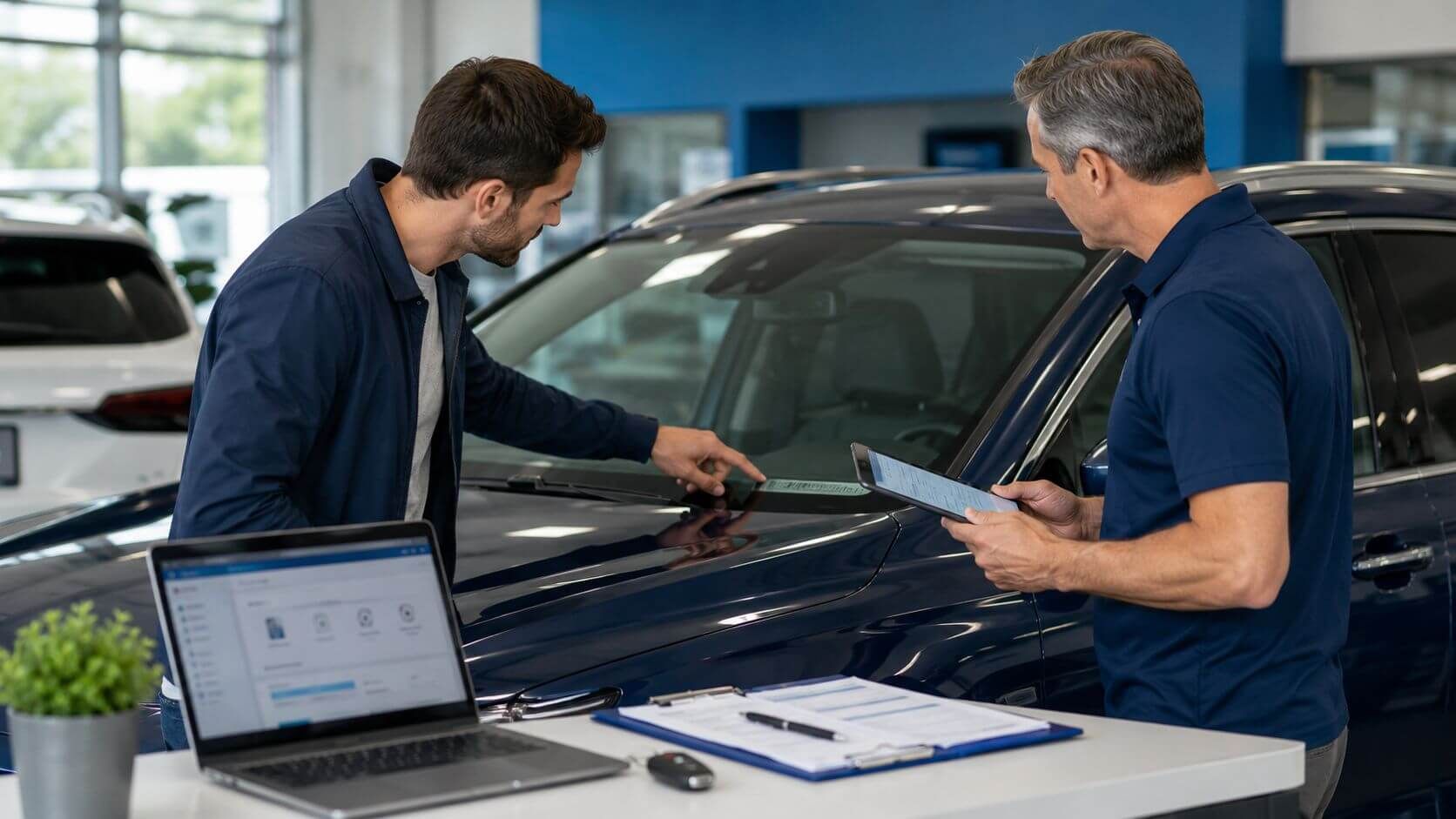
Step 1: Confirm the VIN
Before checking MSRP, make sure you are using the correct VIN. A wrong VIN can return the wrong trim, equipment, or original price.
Check the VIN on:
- Dashboard near the windshield
- Driver-side door jamb
- Vehicle title
- Registration
- Seller listing
- Window sticker, if available
- Service records
The VIN should match everywhere. If the seller provides a VIN that does not match the vehicle or title, pause the deal. It may be a simple typo, but it could also indicate a more serious issue.
Step 2: Look Up the Original MSRP by VIN
Use the VIN to check the vehicle’s original MSRP and factory configuration. This may help you see whether the car was originally a lower-cost base trim, a mid-level model, or a high-option version.
When reviewing MSRP, look for:
- Original base price
- Trim level
- Factory packages
- Destination charge
- Major options
- Engine and drivetrain
- Interior and exterior features
- Original equipment details
If the original MSRP is much lower than expected, the seller may be pricing the car based on an incorrect trim or exaggerated equipment claims.
Step 3: Verify Factory Equipment
MSRP is more useful when paired with the vehicle’s original equipment. A high original MSRP may come from meaningful factory options, but you need to confirm those options are actually present and working.
Use a build sheet by VIN to review factory-installed equipment when available.
Check whether the vehicle has:
- Correct trim
- Factory drivetrain
- Factory towing package
- Factory safety package
- Premium audio
- Navigation
- Leather or upgraded seating
- Heated or ventilated seats
- Sunroof or panoramic roof
- Advanced driver-assistance features
- Off-road or performance package
Some features may be aftermarket. A dealer-installed or owner-installed accessory may not carry the same value as a factory package.
Step 4: Compare MSRP With Current Asking Price
Once you know the original MSRP, compare it with the asking price. This does not mean the used car should be priced at a fixed percentage of MSRP. Depreciation varies widely by vehicle type, mileage, condition, brand demand, fuel economy, age, and market conditions.
Still, the comparison can reveal warning signs.
Ask:
- Is the used price unusually close to the original MSRP?
- Is the seller charging premium-trim money for a lower-trim vehicle?
- Does the price reflect mileage and age?
- Does the vehicle history justify a discount?
- Are factory options missing or broken?
- Are dealer add-ons inflating the price?
- Is the seller using “rare” or “loaded” language without proof?
If the asking price seems high, the original MSRP and factory equipment can support a more informed negotiation.
Step 5: Adjust for Mileage, Condition, and History
MSRP tells you what the vehicle started as. It does not tell you what the vehicle is worth today.
Current value depends on factors such as:
- Mileage
- Mechanical condition
- Tire and brake condition
- Accident history
- Title brands
- Service records
- Open recalls
- Market demand
- Location
- Number of owners
- Prior fleet or rental use
- Interior and exterior wear
A high-MSRP vehicle can still be a poor deal if it has bad history or expensive repair needs. A lower-MSRP vehicle can still be a smart buy if it is clean, well-maintained, fairly priced, and fits your needs.
Step 6: Watch for Dealer Add-Ons That Inflate Price
Dealers may add products or accessories that increase the selling price but do not necessarily increase long-term value.
Common add-ons include:
- Paint protection
- Fabric protection
- Window tint
- VIN etching
- Theft protection
- Nitrogen-filled tires
- Door edge guards
- Appearance packages
- Service contracts
- Maintenance plans
Some add-ons may be useful. Others may be overpriced. The key is to separate factory MSRP from dealer-added costs.
If a dealer says the vehicle is worth more because of add-ons, ask whether those add-ons are optional, removable, negotiable, or already included in the advertised price.
Step 7: Use MSRP to Improve Negotiation
MSRP by VIN can make your negotiation more factual. Instead of saying, “This seems expensive,” you can explain why the asking price does not match the vehicle’s original configuration or current value.
You can say:
“The VIN shows this is not the higher trim listed in the ad, and the original MSRP does not support the premium price. I would be more comfortable with a price that reflects the actual trim and equipment.”
Or:
“The original MSRP and build details are helpful, but the current price seems high given the mileage and condition. I’d like to compare it against current market value before making an offer.”
This keeps the discussion professional and evidence-based.
Common Pricing Red Flags
Be cautious if you notice:
- Seller refuses to provide the VIN
- Listing says premium trim, but VIN data suggests lower trim
- Vehicle is priced close to original MSRP despite age and mileage
- Seller claims factory options that are not shown in the build details
- Dealer add-ons are treated like permanent value increases
- Accident or title history is not reflected in the price
- Vehicle has missing or broken features
- Price is based on monthly payment instead of total cost
- Seller cannot explain why the price is above similar listings
- Vehicle history shows risk, but pricing assumes clean history
One red flag may be explainable. Several red flags should make you slow down.
MSRP by VIN Buyer Checklist
| What to Check | Why It Matters |
|---|---|
| VIN accuracy | Confirms you are researching the right vehicle |
| Original MSRP | Shows original new-vehicle price level |
| Trim level | Helps catch mislisted vehicles |
| Factory packages | Explains original price differences |
| Build sheet | Confirms original equipment |
| Current market value | Shows what the car may be worth today |
| Mileage | Strongly affects used-car value |
| Condition | Determines whether price is realistic |
| Title history | Branded titles should affect value |
| Dealer add-ons | May inflate price without adding resale value |
When a Higher Price May Be Fair
Not every high-priced used car is overpriced. A higher asking price may be reasonable if the vehicle has strong supporting factors.
A premium may make sense when the car has:
- Low mileage
- Clean title history
- Strong maintenance records
- Desirable factory options
- Rare trim or configuration
- High-demand drivetrain
- Excellent condition
- Remaining warranty
- Strong resale demand
- Documented service and ownership history
Even then, the price should still be compared with similar vehicles, not just the seller’s opinion.
When to Walk Away
Consider walking away if the seller cannot justify the price and the vehicle has multiple concerns.
Walk away or keep shopping if:
- VIN details do not match the listing
- Seller refuses to show title or VIN
- Vehicle is priced as a higher trim than it is
- Original MSRP does not support the equipment claims
- Current value estimate is much lower than asking price
- Vehicle has title brands or accident history not reflected in price
- Dealer refuses to remove or explain add-ons
- Seller pressures you to buy quickly
- Inspection reveals expensive repairs
An overpriced car is not always a bad car. It is simply not the right deal until the price reflects the facts.
Bottom Line
Using MSRP by VIN helps you understand what a used car originally was: its trim, options, packages, and original price level. That information can help you spot overpriced listings, confirm seller claims, and negotiate more confidently.
MSRP is not the same as current value. It should be used together with market value, vehicle history, mileage, title status, condition, and inspection results.
Before buying, confirm the VIN, check the original MSRP, review the build details, compare current value, and ask whether the price reflects the vehicle you are actually getting. A fair deal should make sense both on paper and in person.
FAQs
Can I look up MSRP by VIN?
Yes. An MSRP lookup by VIN can help identify a vehicle’s original manufacturer’s suggested retail price and factory configuration when available. This helps buyers compare the seller’s claims with the vehicle’s original build.
Does MSRP tell me what a used car is worth today?
No. MSRP shows the original new-vehicle price. Current used-car value depends on mileage, age, condition, market demand, title history, accident records, and location.
Why is MSRP useful when buying a used car?
MSRP helps confirm whether the vehicle was originally a base model, higher trim, or option-heavy build. It can help spot overpriced listings, misrepresented trims, and inflated equipment claims.
Is a used car overpriced if it is close to original MSRP?
Not always, but it is a warning sign. Some vehicles hold value well, but the price should still be justified by mileage, condition, demand, history, and comparable listings.
Should I use MSRP or market value to negotiate?
Use both. MSRP helps verify the original vehicle configuration, while market value helps judge what the car may be worth today. Together, they give you a stronger basis for negotiation.
Author
Graham Sutton
Graham Sutton is an automotive information writer covering VIN lookup tools, title status research, vehicle condition history, and resale-value risk factors. He creates detailed guides that help readers compare listings more effectively, identify hidden problems, and use vehicle history data to make safer buying decisions. His work is especially useful for shoppers who want a clearer picture of a vehicle before negotiating price.