A car’s value is not based on appearance alone. Two vehicles with the same make, model, year, and mileage can still have very different prices once you look at their history.
That is where VIN history becomes important.
A vehicle’s VIN-linked background can reveal accident records, title brands, flood exposure, recall issues, ownership patterns, mileage inconsistencies, and lien problems. All of these factors affect how buyers, sellers, insurers, and lenders view the vehicle’s real market value.
If you are trying to price a used car fairly, negotiate a purchase, or justify an asking price, understanding the role of VIN history in determining car value can help you make a smarter decision.
Why VIN History Matters When Valuing a Car
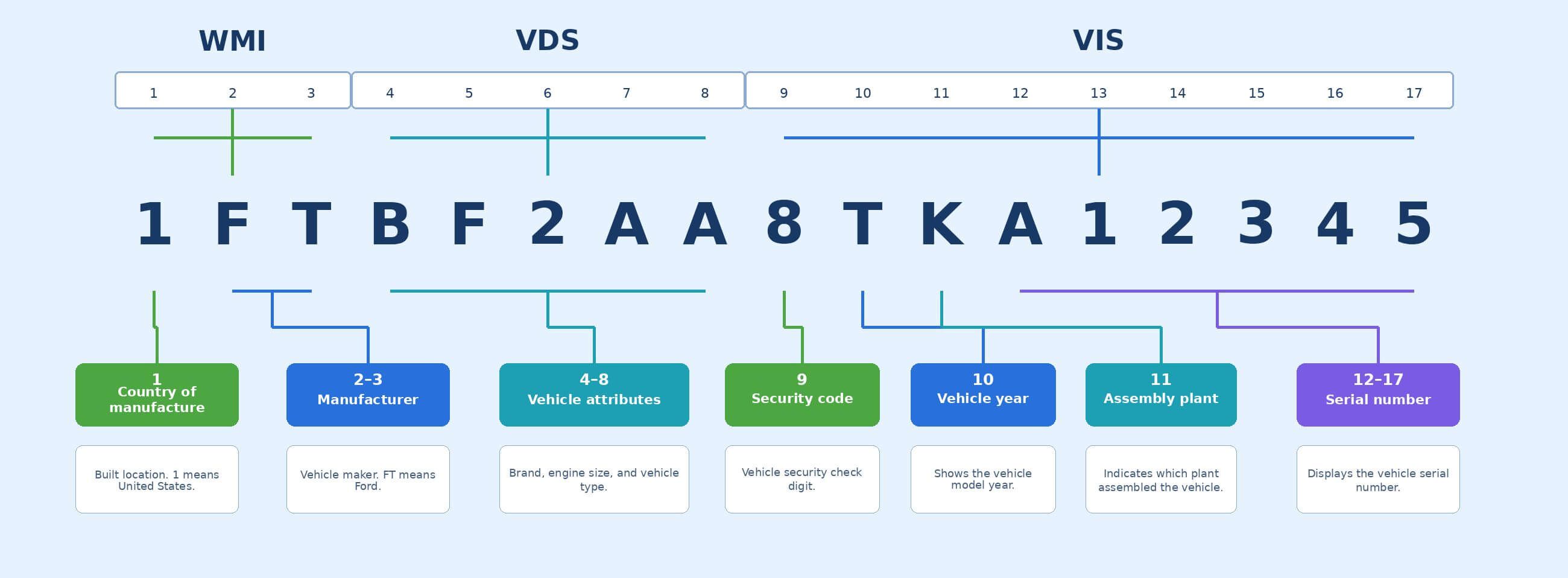
A VIN does more than identify a vehicle. It connects that vehicle to the records created throughout its life.
When you review VIN history, you are not just confirming what the vehicle is. You are also checking what happened to it. That matters because past problems often reduce buyer confidence, increase future repair risk, and make the vehicle harder to insure or resell.
Why history changes value
Even if a car looks clean today, its value can drop if the VIN history shows:
- major accidents
- salvage or rebuilt title branding
- flood damage
- unresolved recalls
- odometer rollback concerns
- theft recovery history
- multiple short-term owners
- unpaid liens or title issues
For buyers, this history can be used to avoid overpaying. For sellers, a clean history can help justify a stronger asking price.
If you want to estimate a vehicle’s pricing baseline first, car value by VIN is a useful starting point.
How VIN History Affects Car Value
A vehicle history report can influence resale value in several important ways.
Accident history and resale price
Cars with no accident history usually command higher prices because buyers see them as lower-risk vehicles.
How accidents reduce value
- major collision history can lower value significantly
- structural damage usually causes a sharper price drop than minor cosmetic repairs
- even after repair, accident history may make a vehicle harder to sell
Buyers often worry about long-term reliability, alignment issues, hidden frame damage, and future maintenance costs after a serious crash.
Salvage titles and major depreciation
A salvage title usually means the vehicle was considered a total loss by an insurer after major damage, theft recovery, flood exposure, or another serious event.
Why salvage vehicles are worth less
- they are viewed as higher-risk purchases
- financing and insurance may be harder to obtain
- resale demand is usually much lower
- buyers expect a steep discount compared with clean-title vehicles
If you need a clearer explanation of title branding, branded titles helps explain why these labels matter so much.
Recalls and safety concerns
Open recalls can affect both safety and resale value.
Why unresolved recalls matter
- buyers may negotiate the price downward
- some recalls involve major safety systems such as airbags, brakes, or steering
- unresolved defects can reduce confidence in the vehicle
A recall does not always destroy value, but it does affect perceived risk, especially if the issue is serious and still unresolved.
Odometer readings and mileage discrepancies
Mileage plays a major role in used car pricing. However, mileage only helps if it is accurate.
Why mileage history matters
- low-mileage vehicles usually sell for more
- odometer rollback concerns can sharply reduce value
- inconsistent mileage records make buyers suspicious
If the VIN history confirms a clean and consistent mileage pattern, buyers tend to feel more confident about the asking price.
Number of previous owners
Ownership count also affects value, especially when combined with condition and maintenance records.
Why fewer owners usually helps
- one-owner vehicles often appear better cared for
- frequent ownership changes can suggest hidden problems
- stable ownership supports buyer confidence
A vehicle that changed hands many times in a short period may raise questions even if the title looks clean.
Service and maintenance history
A well-documented service record often supports a stronger resale price.
Why service records help value
- they show the vehicle was maintained consistently
- they reduce uncertainty for the next buyer
- they support confidence in the car’s condition
A lack of service history does not automatically mean the car was neglected, but it does make the valuation less certain.
Title brands such as lemon, flood, and rebuilt
Some title brands reduce value more than others, but all of them matter.
Common title brands that hurt value
- lemon law buyback
- flood title
- rebuilt title
- salvage title
- junk or nonrepairable branding
Flood-related branding is especially damaging because buyers worry about electrical failures, corrosion, and long-term reliability issues. If flood history is a concern, flood damage car check can help explain why these vehicles are treated more cautiously.
Theft history and recovered stolen vehicles
A previously stolen vehicle may lose value even if it is later recovered.
Why theft history affects pricing
- some recovered vehicles come back with damage or missing parts
- buyers may worry about legal or insurance complications
- long periods of disappearance can create uncertainty about what happened to the car
Lien and ownership history
A vehicle with an unpaid lien cannot be transferred cleanly until the financial obligation is resolved.
Why lien issues affect value
- they create legal and paperwork complications
- they delay sales
- they reduce buyer trust
Even when a car is otherwise desirable, title and lien problems can make the transaction harder and reduce perceived value.
Rental, fleet, or commercial use
Former rental, fleet, or commercial vehicles often sell for less than similar privately owned vehicles.
Why this use history matters
- they may have experienced heavier wear
- buyers may assume rougher treatment from multiple drivers
- resale demand is usually lower
These vehicles can still be good buys, but history-conscious buyers often expect a price discount.
Why a VIN Check Is Essential for Buyers and Sellers
A VIN check is not just for spotting fraud. It is also one of the most practical ways to understand whether a vehicle’s price is justified.
For buyers
A VIN check helps buyers:
- avoid overpaying for damaged or branded-title vehicles
- compare the asking price with the real history
- spot recall, title, or mileage issues before purchase
- negotiate more confidently using documented facts
For sellers
A VIN check helps sellers:
- show transparency to serious buyers
- support a fair asking price with clean-history evidence
- explain value more clearly during negotiations
- reduce friction when buyers ask for proof of background
If you are pricing a used vehicle for sale, how to use your VIN to determine car value is a useful companion guide.
What Buyers and Sellers Should Review in a VIN History Report
When using VIN history to judge value, focus on the records that affect price the most.
Key items to review
Accident and damage history
Look for reported collisions, structural issues, or major repairs.
Title status
Check for salvage, rebuilt, flood, lemon, or junk branding.
Mileage records
Look for consistency over time and any signs of rollback.
Recall history
Check whether safety recalls remain unresolved.
Ownership and usage history
Review owner count, title transfers, and whether the car was used personally, commercially, or as a rental.
Liens and financial issues
Confirm the vehicle can be sold without legal or title complications.
If you are new to report interpretation, how to read a vehicle history report can help you understand which findings should influence price the most.
How VinCheck.info Helps You Evaluate Car History and Value
VinCheck.info helps connect vehicle history and pricing so buyers and sellers can make more informed decisions.
What a VIN-based value check can help you review
- accident history that may affect resale value
- title issues such as salvage, rebuilt, or lemon branding
- recall and defect-related concerns
- market value context for comparison
- manufacturer and vehicle specification details
- ownership, theft, and lien-related warning signs
The goal is not just to decode the VIN. It is to understand whether the vehicle’s past supports the price being asked today.
Frequently Asked Questions
Does VIN history affect car value even if the car looks clean?
Yes. A vehicle can look clean today and still lose value because of accident history, title brands, flood damage, or mileage issues shown in the VIN history.
What part of VIN history hurts value the most?
Major accident damage, salvage branding, flood history, and odometer problems are among the biggest value reducers because they affect safety, resale demand, and buyer confidence.
Can a clean VIN history increase resale value?
A clean history does not guarantee a higher price by itself, but it does support stronger buyer confidence and can make it easier to justify a fair asking price.
Should sellers share VIN history when listing a car?
Yes. Sharing VIN-based history details can build trust and make serious buyers more comfortable with the asking price.
Final Thoughts
The role of VIN history in determining car value is simple but powerful: a vehicle’s past shapes what the market is willing to pay for it today.
Accident records, title brands, flood damage, mileage discrepancies, ownership patterns, and lien issues all influence risk. That risk affects buyer confidence, resale appeal, insurance availability, and ultimately price.
Before buying or selling a used car, do not rely on appearance alone. Check the VIN history, compare the findings with the asking price, and use that information to make a more confident decision.
Author
Nathan Whitmore
Nathan Whitmore is an automotive research writer focused on vehicle history reports, VIN analysis, title verification, and used-car background checks. He writes practical, consumer-friendly content that helps buyers understand how ownership records, accident history, branded titles, and lien data can affect a vehicle’s value and legal standing. His work is designed to make complex vehicle records easier to interpret before a sale is finalized.