Buying a used car is easier when you know exactly what you are getting. That is where title brands come in. A title brand is a permanent label placed on a vehicle’s title by a state agency that signals significant damage, defect, or history. Brands like salvage, rebuilt, flood, lemon, and theft are more than paperwork. They affect safety, insurability, financing, and resale value.
A branded-title purchase can sometimes save money, but it can also create expensive problems if you do not understand the risks. That is why this guide breaks down what each major title brand means, how vehicles earn them, and how to shop smarter if you are considering one.
What Is a Branded Title?
A branded title is a permanent designation added to a vehicle’s title after a major event in the car’s history. That event may involve severe collision damage, flood exposure, manufacturer buyback, theft recovery, or odometer fraud depending on the laws of the state involved.
Why branded titles matter
A title brand can affect:
- resale value
- safety and reliability
- financing approval
- insurance eligibility
- buyer confidence
Even if the vehicle has been repaired, the brand remains part of its record so future buyers have notice that the car went through a significant event.
How Vehicles Get Branded
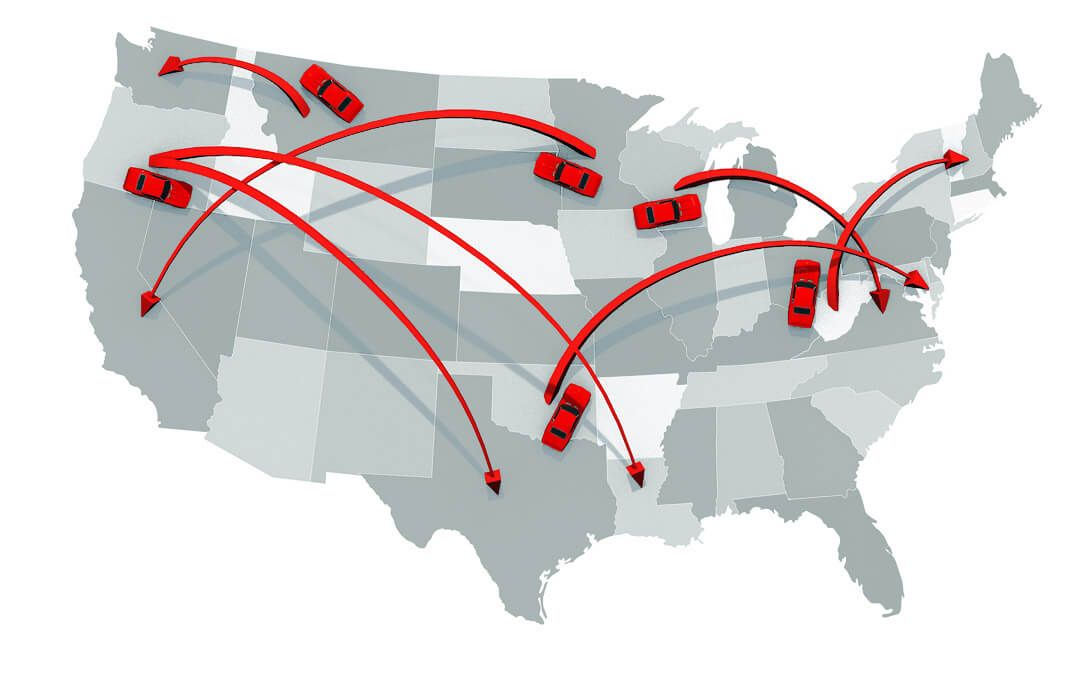
Title branding rules vary by state, but the process usually begins with an insurance claim, manufacturer repurchase, or law enforcement record. When a vehicle is declared a total loss, repurchased for repeated defects, flooded, stolen, or found to have mileage problems, the title may receive a brand.
Key things buyers should know
Brands are usually permanent
A valid brand does not simply disappear because the car is sold again. The vehicle can be repaired and retitled under a different status such as rebuilt, but the negative history still matters.
Thresholds differ by state
One state may classify a vehicle as a total loss at a lower percentage of its market value than another. That means similar damage can lead to different title outcomes depending on where the vehicle is titled.
Label names are not always identical
Some states use different terms such as rebuilt, reconstructed, prior salvage, or water damage. Always review the exact wording on the title and verify what it means under that state’s rules.
If you want to verify title-related records directly, a free title check by VIN is one of the best starting points.
Salvage Title
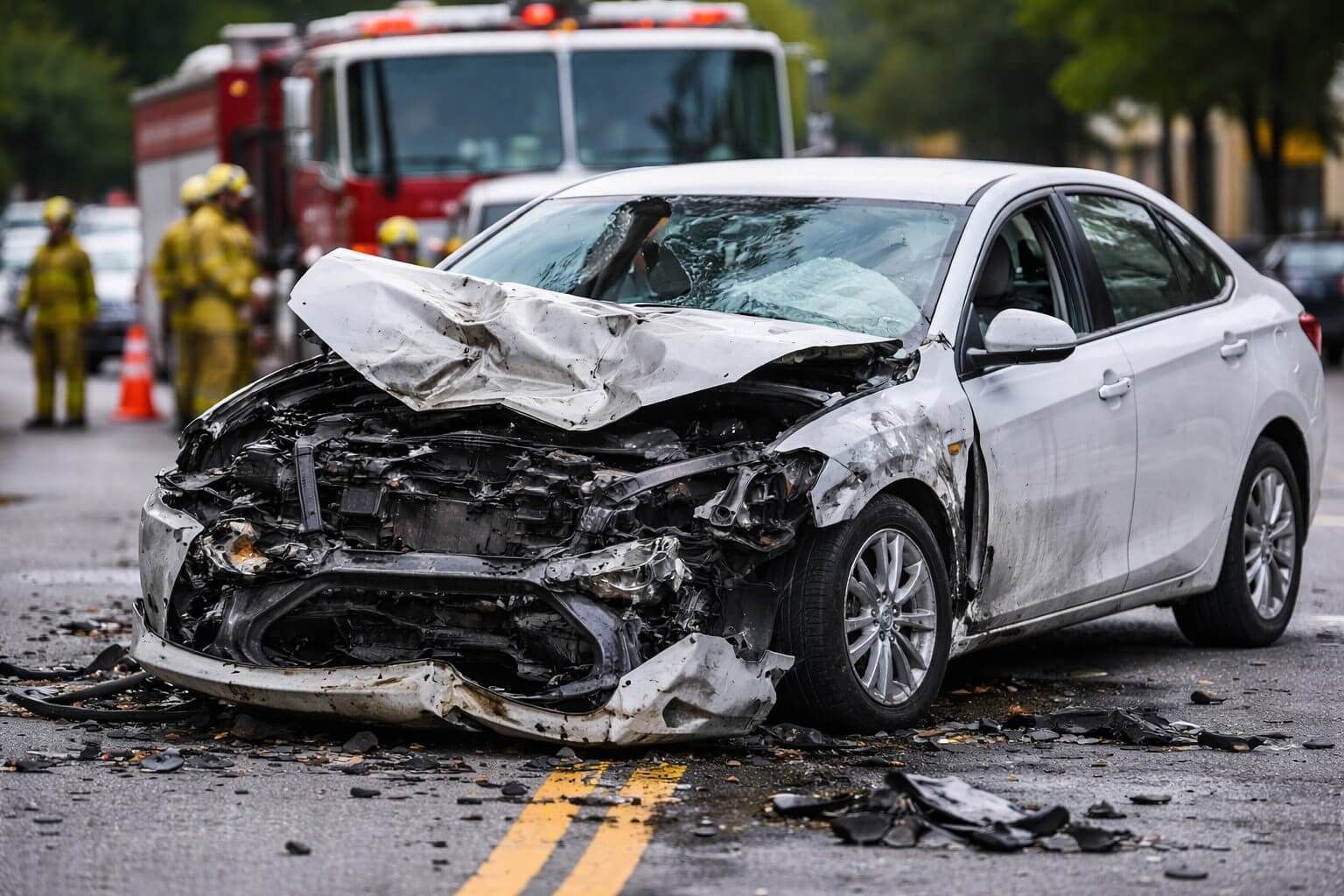
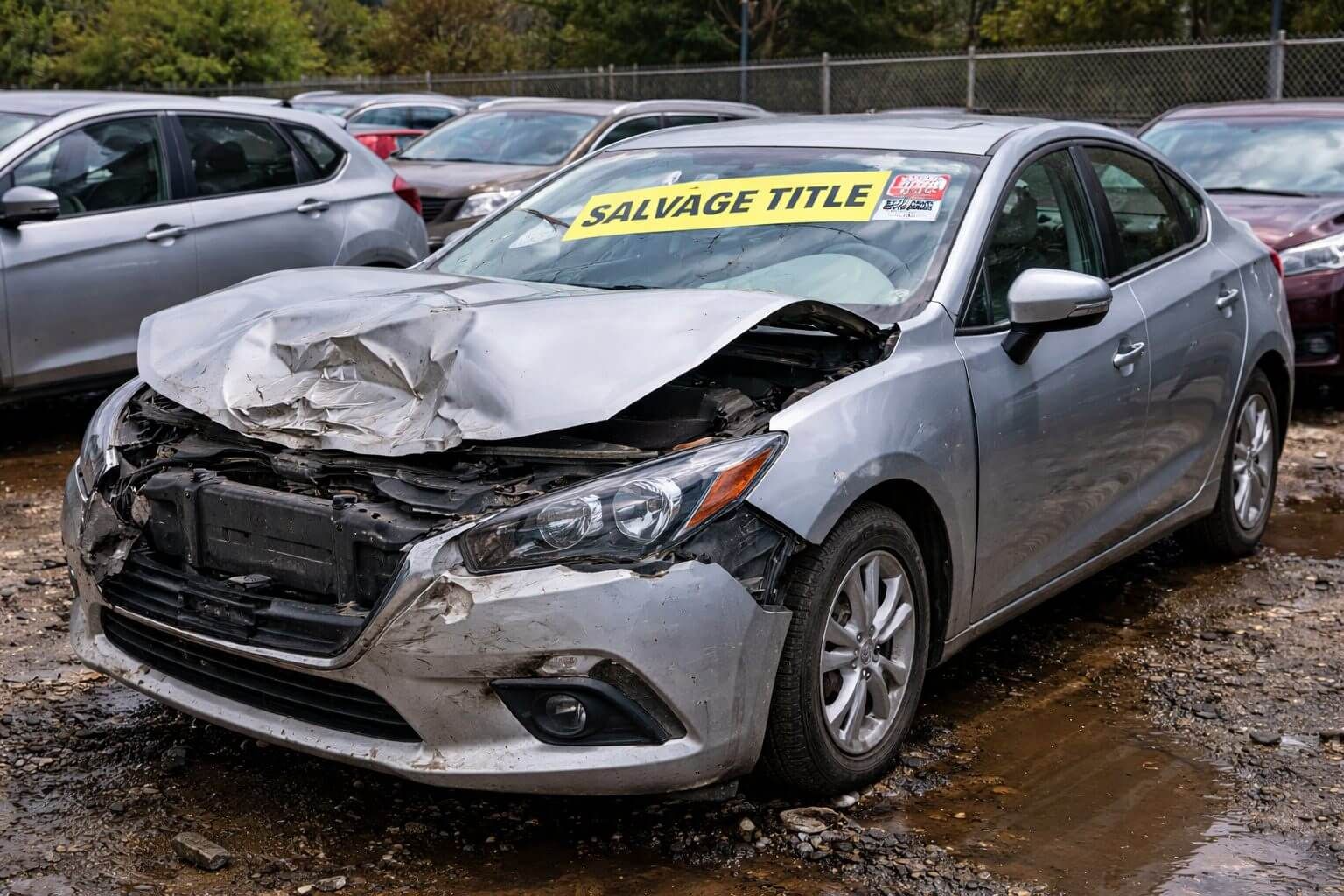
A salvage title usually means the vehicle was declared a total loss by an insurer after serious damage or another major event. That event may involve collision damage, fire, hail, theft recovery, or flooding.
Why salvage titles matter
Salvage vehicles are typically not road-legal until they are repaired and pass whatever inspection process the state requires. They also carry a much higher risk of hidden structural, electrical, or safety issues.
Common salvage-title concerns
- hidden frame or structural damage
- airbag and safety system issues
- repair costs that exceed the apparent savings
- limited financing or insurance options
A salvage vehicle may occasionally be a reasonable project for a knowledgeable buyer, but for most everyday drivers it should be approached carefully.
Rebuilt or Reconstructed Title
A rebuilt title usually means the vehicle was previously salvage, then repaired and approved for road use after passing the required inspection.
What a rebuilt title tells you
A rebuilt title does not mean the vehicle has a clean past. It means the vehicle had major prior damage, was repaired, and was later allowed back on the road.
What buyers should expect
- lower resale value than a comparable clean-title car
- possible insurance restrictions or higher premiums
- more lender hesitation
- greater need for repair records and detailed inspection
A rebuilt car can still be usable transportation, but the quality of the repairs matters more than the label alone. Buyers should ask for before-and-after photos, receipts, alignment records, and any calibration or scan reports tied to the repair work.
Flood or Water Damage Title
A flood or water-damage title indicates serious water intrusion. These vehicles are among the riskiest branded-title cars because water can affect systems far beyond what the eye can see.
Why flood cars are high-risk
Water damage may affect:
- wiring harnesses and connectors
- control modules and sensors
- airbags and safety systems
- carpeting, insulation, and interior materials
- metal components vulnerable to corrosion
Common flood-damage warning signs
- musty odors
- rust on seat rails or fasteners
- silt under carpet edges
- fogging in lights or instrument panels
- random electrical issues
For buyers, flood history should trigger extra caution because even well-cleaned vehicles may develop problems months later.
Lemon or Manufacturer Buyback Title
A lemon title or manufacturer buyback label usually means the automaker repurchased the vehicle after repeated defects that could not be fixed within the required number of repair attempts under state lemon law rules.
Why lemon history matters
Not every lemon vehicle had the same level of risk. Some were bought back for persistent electronics problems, while others involved serious drivability or safety concerns.
What buyers should ask for
- manufacturer buyback paperwork
- records of the original complaint
- repair history showing what was attempted
- evidence of whether the issue was ultimately resolved
A lemon-history vehicle may present less structural risk than a collision salvage car, but it still deserves careful scrutiny because recurring defects can hurt reliability and resale value.
Theft or Theft Recovery Title
A theft-related brand or theft recovery note may appear when a vehicle was stolen and later recovered.
Why theft history still matters
Some stolen vehicles return with little more than cosmetic or ignition damage. Others come back with stripped parts, electrical issues, crash damage, or documentation concerns.
What buyers should inspect closely
- ignition and steering column repairs
- key and immobilizer function
- missing or mismatched parts
- evidence of wiring tampering
- consistency of VIN plates and related identifiers
Compared with flood or severe collision damage, a theft-recovery vehicle may sometimes be a lower-risk branded-title purchase, but only when the records and inspection support that conclusion.
Other Common Brands You May See
Some branded-title vehicles carry other warnings that still matter a great deal to buyers.
Junk or nonrepairable
This generally means the vehicle is not meant to return to normal road use and is suitable only for parts or dismantling.
Not actual mileage or odometer rollback
This means the mileage cannot be verified or appears inconsistent with the real use of the vehicle. Because mileage strongly affects resale price, this kind of title issue can significantly reduce value.
If mileage is a concern, a mileage VIN check can help support the review.
Hail damage
Hail branding often points to cosmetic damage, but severe cases can affect panels, glass, seals, and long-term value. Buyers should still inspect for poor repairs and possible water intrusion.
How Branded Titles Affect Ownership
A branded title changes more than the sticker price.
Insurance impact
Some insurers limit or refuse comprehensive and collision coverage on rebuilt or salvage vehicles. Claim payouts may also be based on lower market values.
Financing impact
Lenders may reject the loan entirely or offer stricter terms because the vehicle is harder to value and easier to lose money on.
Registration and inspection impact
Some states require special inspections or additional paperwork before rebuilt vehicles can be registered again.
Resale value impact
Most branded-title cars sell for much less than comparable clean-title vehicles. Buyer demand is lower, and future buyers will often expect a steep discount.
That is one reason branded-title history should be considered alongside a car value by VIN check when pricing a vehicle.
How to Shop Smarter for a Branded-Title Car
A cautious buying process matters much more when title branding is involved.
1. Verify the brand and the state definition
Read the actual title carefully and confirm what the brand means in the issuing state. Do not rely only on a seller’s summary.
2. Demand documentation
Ask for photos of the original damage, receipts, repair invoices, manufacturer paperwork, and anything else that explains how the brand was earned and what was done afterward.
3. Get an expert inspection
Have the vehicle checked by an independent technician who understands structural repairs, modern safety systems, and signs of hidden damage.
4. Test everything
Drive the vehicle on both city streets and highways. Check steering feel, braking, warning lights, electronics, cameras, sensors, locks, windows, and climate controls.
5. Price the car conservatively
Start with the value of a comparable clean-title vehicle and adjust downward based on the brand, documentation quality, repair quality, and future resale risk.
6. Know when to walk away
Incomplete paperwork, suspicious seller behavior, electrical issues, or refusal to allow inspection are all signs to move on.
For broader due diligence, it also helps to run a vehicle history report early in the process instead of waiting until the final negotiation stage.
Frequently Asked Questions
What is the most common branded title?
Salvage and rebuilt titles are among the most common branded titles buyers encounter in the used car market.
Does a rebuilt title mean the car is safe?
Not necessarily. A rebuilt title means the vehicle was repaired and approved for road use, but buyers should still verify repair quality and inspect it carefully.
Are flood and water-damaged cars the same thing?
They are often treated similarly because both involve water intrusion that can affect safety, reliability, and resale value.
Can a branded title ever be removed?
A valid brand generally remains part of the vehicle’s history. While title status may change from salvage to rebuilt after repairs and inspection, the negative history still matters and should not be ignored.
Should I check for recalls on a branded-title car?
Yes. A branded-title vehicle can still have unresolved safety recalls, so checking a VIN recall check page is a smart part of the review.
Final Thoughts
Branded titles are not automatic deal breakers, but they should never be treated as routine.
A branded title tells you the vehicle went through something serious enough to affect its legal record. That can influence safety, value, financing, insurance, and resale. Before buying, verify the title status independently, inspect the vehicle carefully, and make sure the discount truly reflects the risk.
When the paperwork is thin, the story is vague, or the condition does not match the title history, it is usually better to keep looking. There will always be another car.
Author
Elise Rowan
Elise Rowan is a vehicle ownership and consumer protection writer with a strong focus on title transfers, vehicle liens, registration records, and buyer due diligence. She writes educational content for people buying from private sellers, auctions, and online marketplaces, with an emphasis on helping readers verify a vehicle’s financial and legal background before committing to a purchase.