A used car can look clean, drive smoothly, and still carry a title that changes everything.
That title may reveal salvage history, flood damage, odometer fraud, lemon buyback status, theft recovery, or an unpaid lien. Those issues can affect safety, insurance eligibility, resale value, financing, and even whether you can legally complete the purchase without complications later.
That is why a free VIN title check is one of the smartest steps you can take before buying, selling, trading in, or researching a vehicle.
A title check by VIN helps you move past appearances and verify the legal and historical status of the car. If the vehicle carries a branded title or another major title-related issue, you want to know that before money changes hands.
Before you go too far into any deal, start with a VIN check, a free title check by VIN, and a free CARFAX report alternative. Those early checks can help you catch major red flags before the transaction becomes harder to unwind.
What Is a VIN Title Check?
A VIN title check is a way to review the legal status and title-related history of a vehicle using its 17-character Vehicle Identification Number.
The VIN works like the car’s fingerprint. It connects the vehicle to records tied to title events, insurance losses, salvage activity, odometer disclosures, theft-related issues, and ownership history.
What a VIN title check can help reveal
- clean or branded title status
- salvage or rebuilt history
- flood-related title branding
- junk or scrap status
- lemon or manufacturer buyback history
- odometer issues
- lien-related clues
- theft or recovery records
- suspicious ownership or title movement
A quick title check does not replace a full inspection, but it gives you an early warning system that can help you avoid bad deals.
Why a Free VIN Title Check Matters
Many buyers focus on the test drive, the paint, the tires, and the asking price. All of those matter, but a car’s title can reveal problems a seller may never mention clearly.
A polished exterior does not erase a total-loss history. A detailed interior does not remove flood damage from the record. A convincing seller does not change what the title says.
Why title checks are so important
They reveal hidden risk
A branded or problem title often signals deeper concerns about damage, safety, value, insurability, or legal transferability.
They improve negotiation
If the title history is not clean, you can ask better questions, negotiate more realistically, or walk away.
They protect buyers from expensive mistakes
A vehicle with a serious title problem may cost far more to own than the lower purchase price suggests.
They help sellers build credibility
If you are selling, checking title status before listing helps you present the vehicle honestly and avoid surprise disputes later.
Title Brands, Decoded
Not every title problem means the same thing. Some title brands are much more serious than others, but all of them deserve attention.
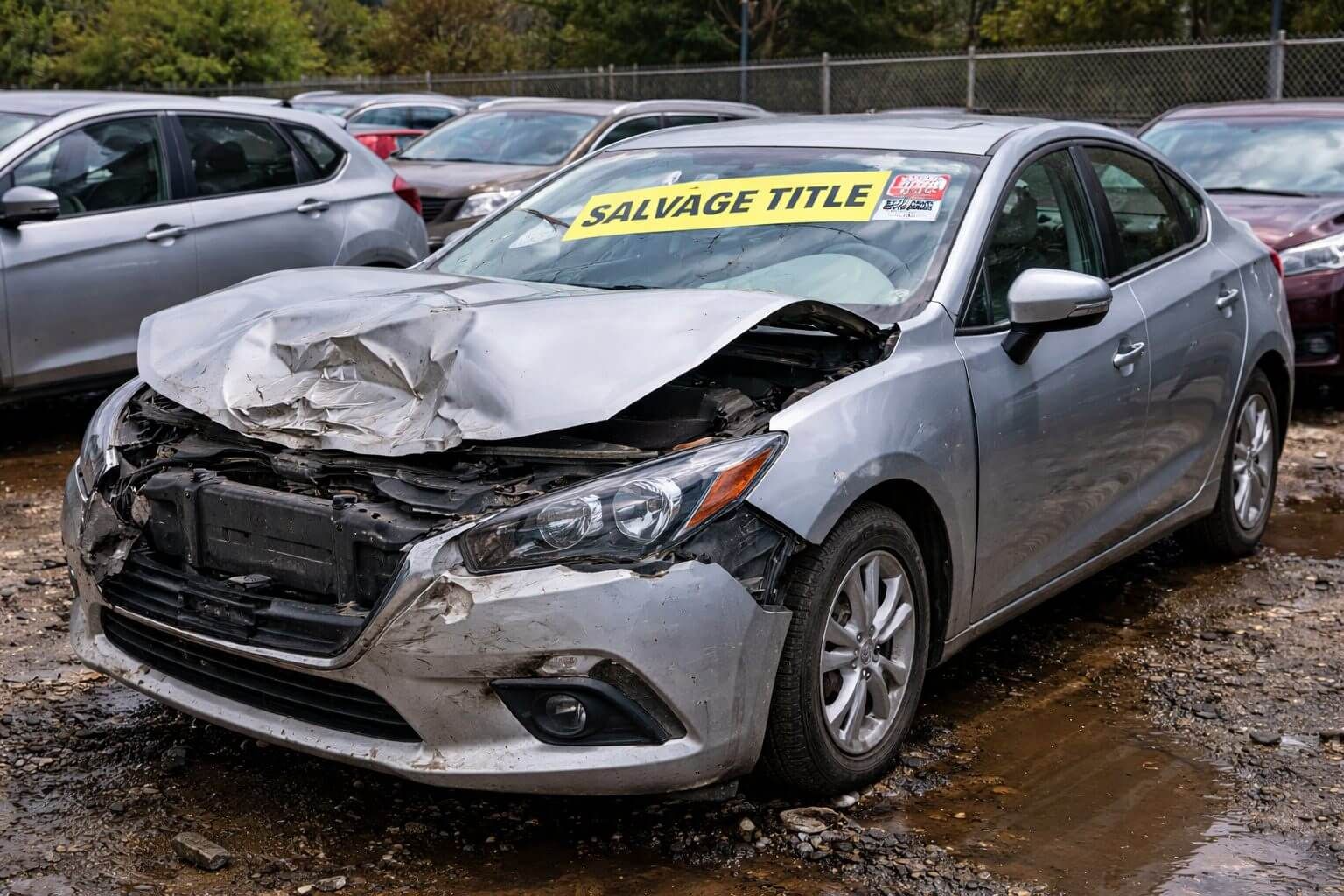
Salvage title
A salvage title usually means the vehicle was declared a total loss by an insurer after major damage.
Why salvage titles matter
A salvage vehicle may have experienced severe collision damage, flood exposure, fire damage, or another event serious enough that the insurer considered it uneconomical to repair under normal standards.
Rebuilt or reconstructed title
A rebuilt or reconstructed title usually means the car was once salvage, then repaired and approved for road use.
Why rebuilt titles still deserve caution
A rebuilt title does not erase the vehicle’s past. It tells you the car had serious prior damage and was later returned to the road.
Flood or water-damage title
A flood title points to significant water exposure.
Why flood titles are risky
Flood-damaged vehicles can develop long-term electrical, corrosion, mold, and safety-system problems even after cosmetic cleanup.
Junk, scrap, or nonrepairable title
A junk or scrap title usually means the vehicle is no longer meant for regular road use and is generally intended only for parts or recycling.
Why this matters
A junk vehicle is usually not something a buyer should treat as a normal used-car purchase.
Lemon or manufacturer buyback title
A lemon title usually means the vehicle was repurchased because of repeated defects that could not be fixed within the requirements of applicable lemon-law rules.
Why lemon titles affect value
Even if the issue was later repaired, lemon-related history can reduce buyer confidence and resale value.
Odometer problem title or notation
Mileage-related title notations may appear when the odometer reading is known or suspected not to reflect the vehicle’s true mileage.
Why this is serious
Mileage fraud affects value directly and often signals broader dishonesty in the transaction.
Theft or recovered-theft history
A vehicle may show theft history or later recovery status.
Why this still matters
Recovered-theft vehicles may carry hidden damage, parts-swapping risk, or later title complications depending on what happened after the theft.
Lien-related title issue
A title may also reflect a lienholder or unpaid financial claim.
Why liens matter
You may not receive clean ownership if the debt tied to the vehicle was not properly cleared.
In the middle of your review, it also helps to look at the broader vehicle history so you can compare title findings with ownership, accident, and damage-related clues.
Best Free Sources for a Quick VIN Title Check
Free tools can catch many serious issues before you spend money on deeper reports.
NICB VINCheck
NICB VINCheck is useful for spotting vehicles reported stolen and not recovered or reported as salvage by participating insurers.
State DMV title lookups
Many state motor vehicle agencies provide title or registration status tools that can help confirm branding, ownership transfer status, or current title state depending on the state.
NHTSA recall lookup
A recall lookup does not tell you title status, but it is still useful because open safety recalls can affect the real cost and risk of the vehicle.
Physical title inspection
If the seller has the paper title, inspect it carefully. Look for branding language, lienholder information, incomplete fields, and any mismatch with the VIN on the vehicle.
Important note about NMVTIS
NMVTIS is the national title database that states are required to report to, but consumer access is usually offered through approved providers that may charge a fee. Even if you start with free tools, an NMVTIS-based report can add another layer of protection before purchase.
How to Run a Free VIN Title Check in Minutes
A title check is quick if you have the VIN and know what to compare.
Step 1: Find and confirm the full VIN
Check the driver’s side dashboard, driver’s door jamb, title, registration, insurance paperwork, and any listing details. Make sure they all match exactly.
Step 2: Run your free title-related checks
Use no-cost tools to screen for theft, salvage, recall, and state title-status clues.
Step 3: Review the title status carefully
Do not stop at “record found.” Look for branding, liens, title movement, and any status wording that changes the risk of the deal.
Step 4: Compare the results with the seller’s story
If the seller says the title is clean but the records suggest salvage, flood, rebuilt, or another problem, slow down immediately.
Step 5: Decide whether to continue, investigate more, or walk away
A clean result may support moving forward. A branded or suspicious result should lead to more questions, a mechanic inspection, or a decision to move on.
Red Flags That Should Make You Slow Down
A title problem often shows up alongside other warning signs.
Major red flags buyers should not ignore
VIN plates or labels look tampered with
A mismatched, missing, scratched, or altered VIN area can signal much deeper fraud.
The seller will not show the title clearly
If the seller says the title is “coming later” or avoids showing identification and ownership documents, be cautious.
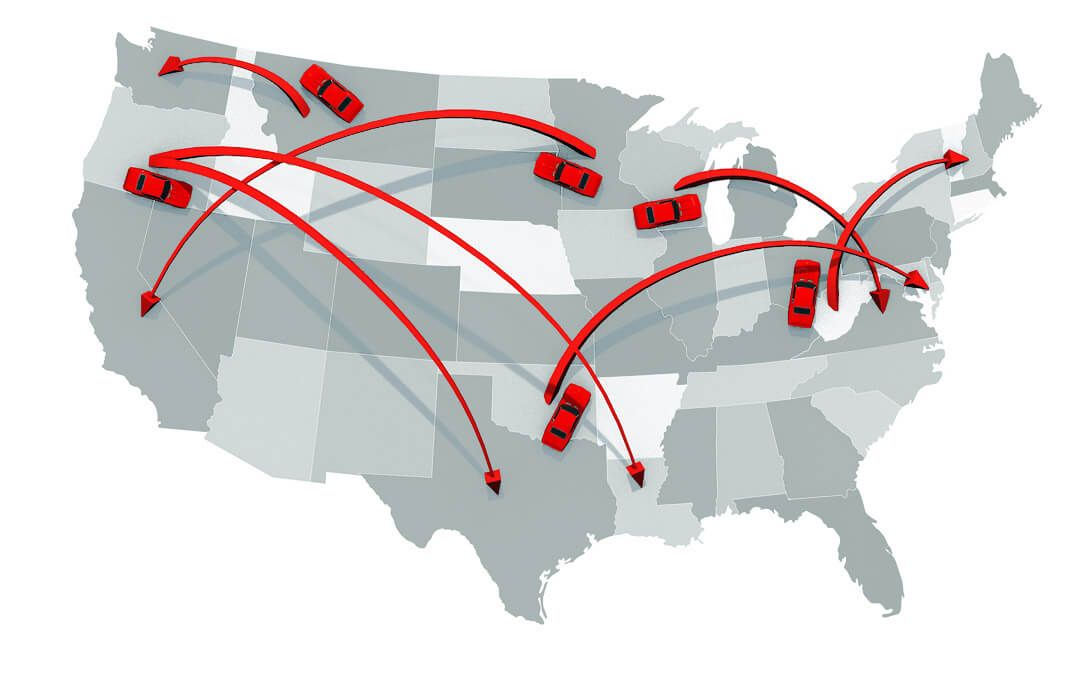
The title was recently moved between states
Rapid state-to-state title movement can sometimes point to title washing or efforts to make damage history less obvious.
The seller’s story keeps changing
Inconsistent explanations about prior damage, loan payoff, ownership history, or title status should make you stop and verify more carefully.
The price is far below market value
A surprisingly low price may mean the vehicle carries hidden title, damage, or fraud-related risk.
What to Do If the VIN Check Shows a Branded Title
A branded title is not always an automatic deal breaker, but it is always a reason to slow down and investigate more carefully.
Smart next steps
Ask the seller for supporting documents
Request repair invoices, inspection paperwork, insurance information, title-transfer records, and anything else that explains how the title became branded.
Get an independent mechanic inspection
A branded-title vehicle should be evaluated by someone who can assess structural, mechanical, and safety-related concerns.
Check insurance and financing first
Some lenders and insurers may refuse certain branded-title vehicles or treat them much differently.
Think about resale value early
Even if the vehicle seems usable today, the title history may make it harder to sell later.
For buyers who want a better value context before continuing, a car value by VIN lookup can help you judge whether the asking price still makes sense after title risk is considered.
Free Checks vs Paid Checks
A good buyer understands what free tools can and cannot do.
What free checks do well
Free checks are excellent for catching obvious red flags early, especially salvage, theft, recall, and some state title issues.
What paid checks may add
Paid reports may provide broader cross-state title data, insurer total-loss information, service records, ownership history, market value context, and more complete record aggregation.
Why the difference matters
A free VIN title check is the right first step. A paid report may still be worth using if the vehicle is expensive, unusual, out of state, or otherwise risky.
When to Run a VIN Title Check
A title check is useful in more situations than most people realize.
Best times to run one
- before buying from a private seller
- before buying from a dealership
- before accepting a trade-in offer
- before listing your own vehicle for sale
- when reviewing an out-of-state vehicle
- when the price feels unusually low or the seller seems rushed
The earlier you run it, the more leverage and protection you have.
Frequently Asked Questions
Is a free VIN title check really useful?
Yes. It is one of the fastest ways to screen for major title problems before you spend more time or money on the vehicle.
Can a free title check show salvage and flood history?
Yes. Depending on the records available, it may reveal salvage, rebuilt, flood, junk, and other title-related issues.
Is a clean title enough proof that the car is safe?
No. A clean title is helpful, but buyers should still inspect the vehicle, review the history, and compare everything with the seller’s claims.
Should sellers run a title check too?
Yes. Sellers who verify title status before listing can describe the vehicle more accurately and reduce buyer hesitation.
Final Thoughts
A free VIN title check is one of the fastest and smartest ways to protect yourself before buying or selling a vehicle.
It helps you spot branded, salvage, flood, lien-related, and other problem titles that can change the true value and risk of the car. That matters because a title issue can affect far more than paperwork. It can change safety, financing, insurance, legality, and resale value.
Before you trust the seller’s story, verify the vehicle’s story. That one step can save you from a much bigger mistake later.
Author
Julian Cross
Julian Cross is an automotive data writer who specializes in salvage title issues, odometer fraud, theft checks, accident records, and recall screening. His content helps used-car shoppers spot high-risk vehicles before purchase by turning raw vehicle data into practical insights. He focuses on the warning signs that matter most when evaluating private-party and dealership listings.