A used car can look like a bargain on the surface and still hide a dangerous past.
That is the problem with title washing. A vehicle may have been totaled, flooded, heavily damaged, or even tied to theft history, then later retitled in a way that makes the damage less obvious to the next buyer. By the time the truth comes out, the new owner may already be stuck with repair costs, insurance problems, safety concerns, or legal trouble.
That is why understanding title washing in America matters for anyone buying a used car.
This guide explains what title washing is, how it happens, why it remains a serious consumer risk, and how to protect yourself before signing any deal.
What Is Title Washing?
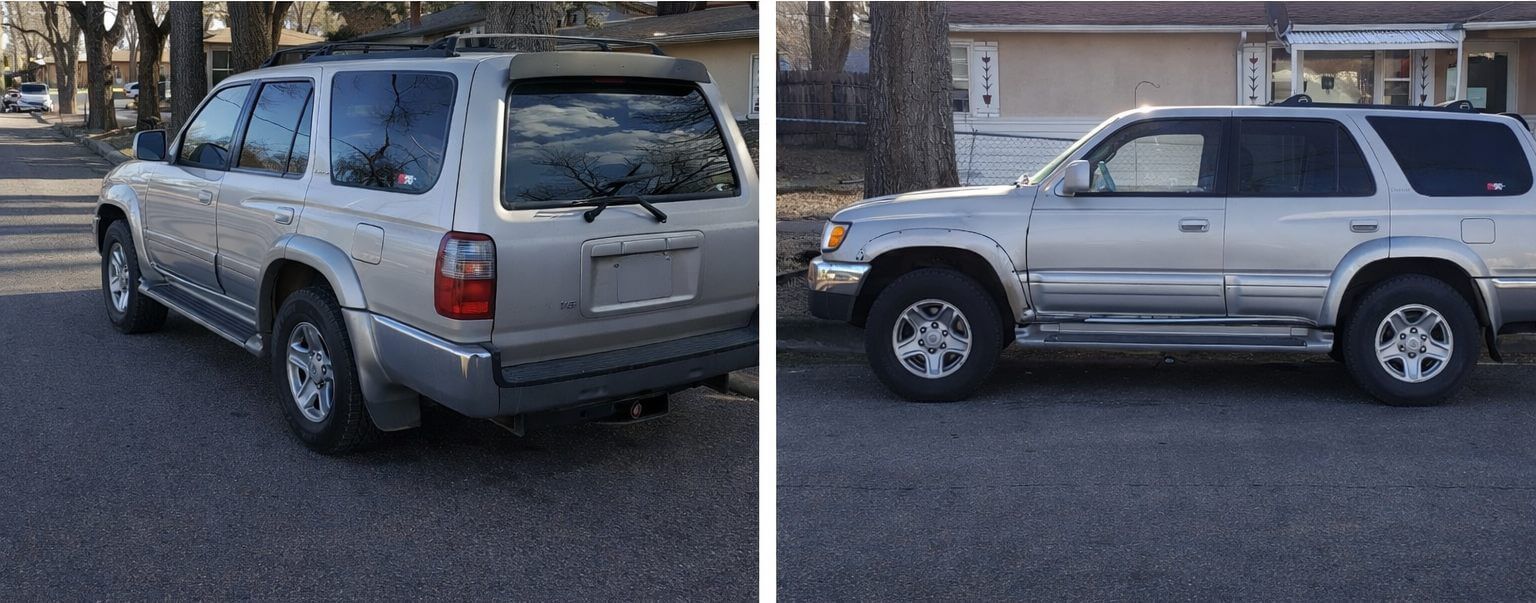
Title washing is the process of hiding or removing negative title history so a vehicle appears cleaner than it really is.
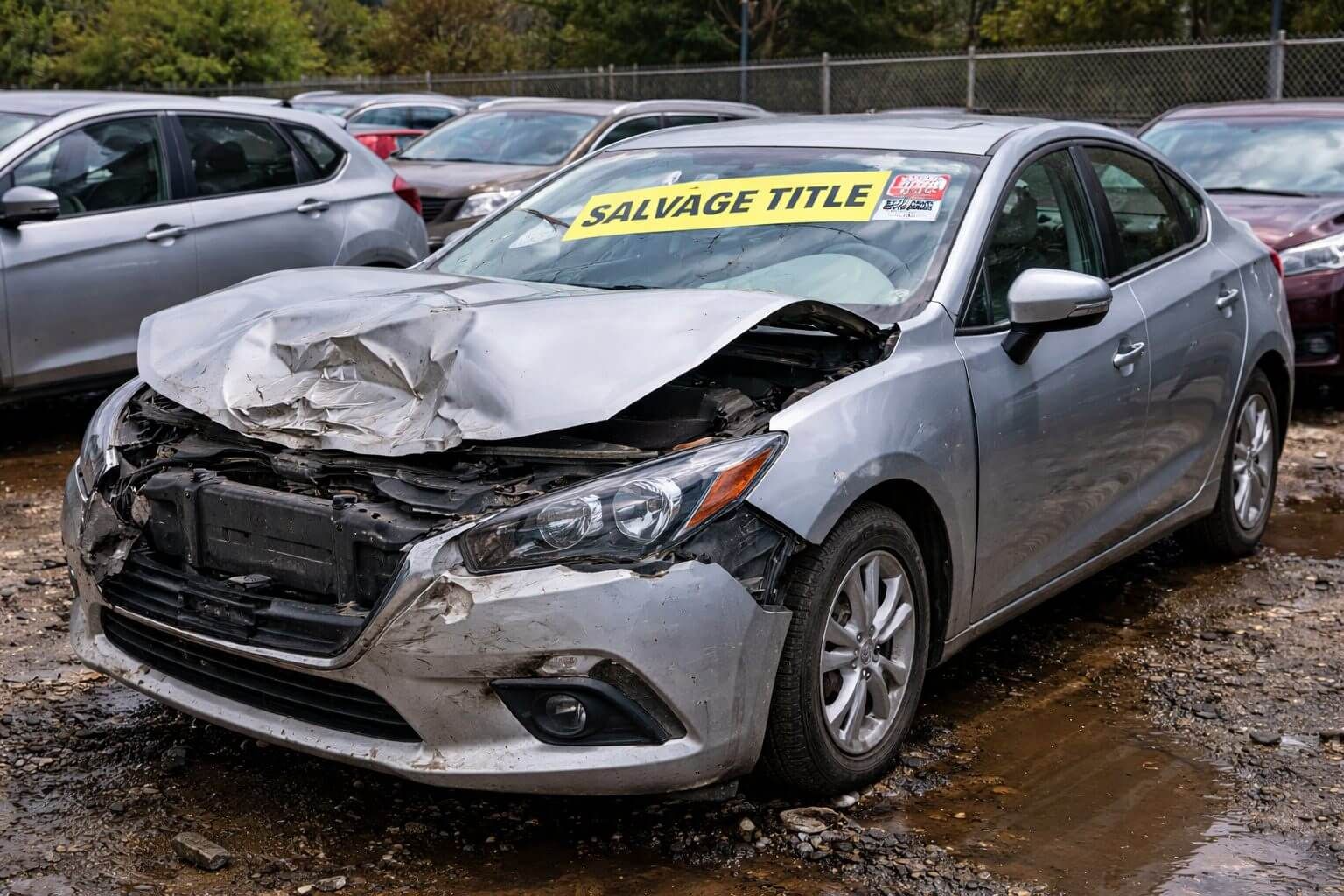
In many cases, the vehicle previously carried a brand such as salvage, rebuilt, flood, or junk. That brand should warn buyers that the car suffered serious damage or other major issues. But when the vehicle is transferred, retitled, or processed through a different system or jurisdiction, that history may become less visible or may not appear the same way on the next title.
Why this is dangerous
A washed title can make a risky vehicle look normal in the marketplace. Buyers may think they are purchasing a clean, roadworthy car when the vehicle actually has a history of:
- major collision damage
- flood exposure
- insurance total loss status
- severe structural repairs
- theft-related record issues
This can lead to overpaying for the vehicle, missing serious safety risks, and facing resale or insurance problems later.
How Title Washing Happens
Title washing can happen in different ways, but the basic pattern is similar. A vehicle with serious negative history gets moved through paperwork channels until the damage becomes less obvious to the next buyer.
Common title washing scenarios
State-to-state retitling
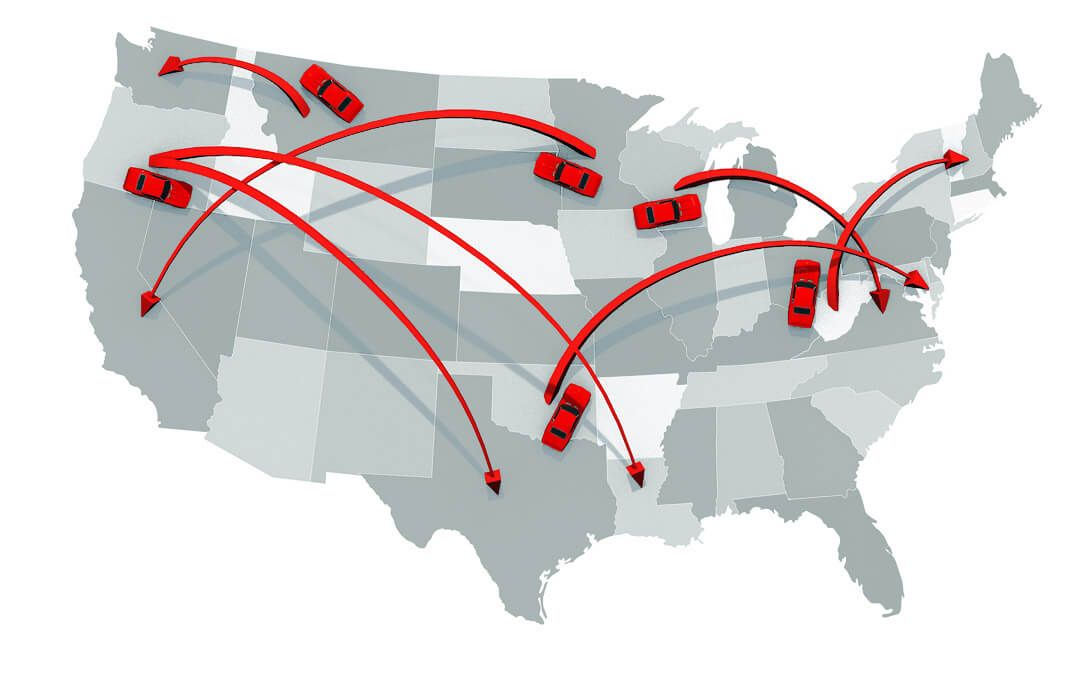
Because title branding rules are not always identical across jurisdictions, a vehicle may be transferred to a state where branding standards, paperwork practices, or historical visibility are weaker. That makes it easier for the vehicle to come back into the market with a cleaner-looking title history.
Flood or salvage vehicles resold after cleanup
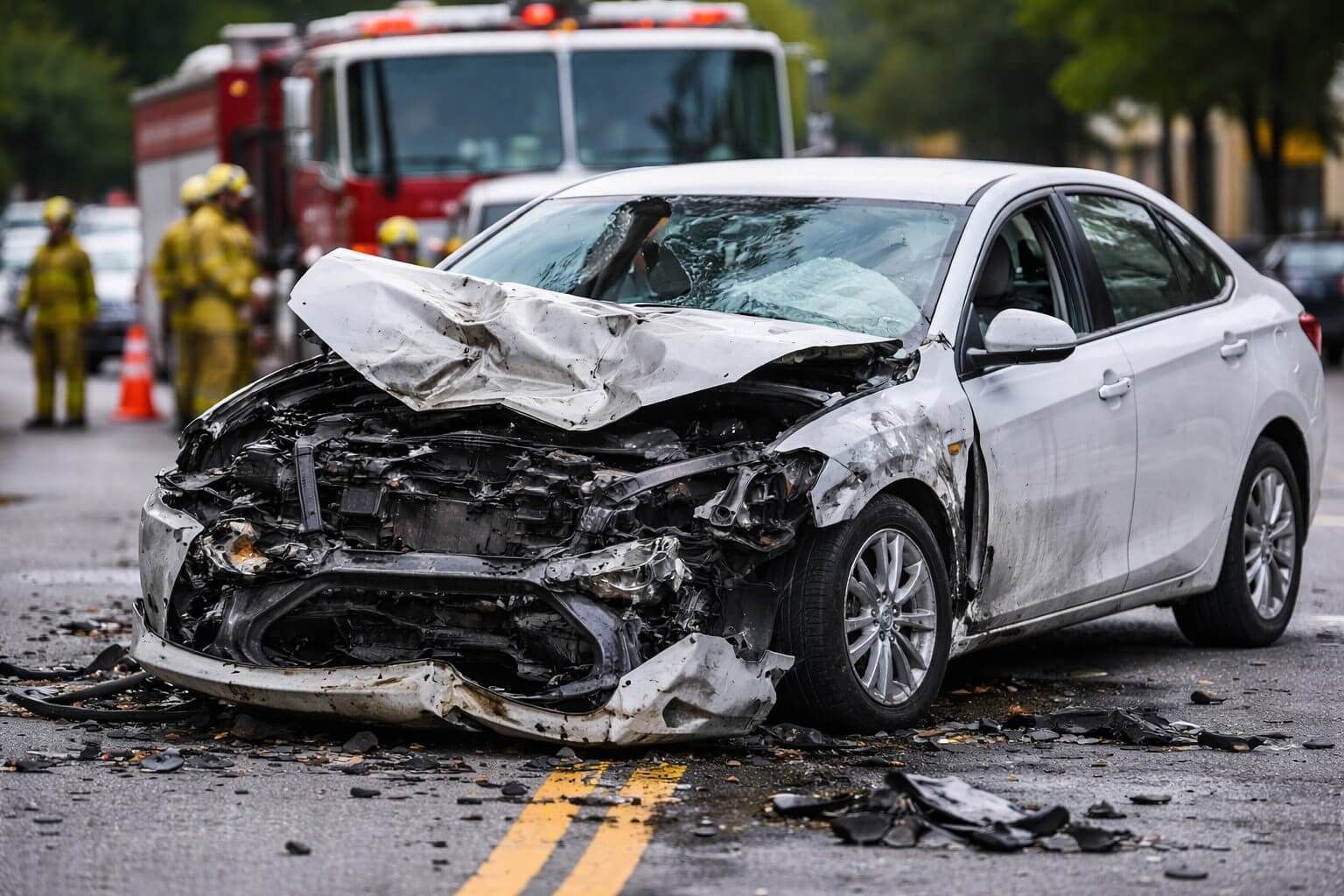
After hurricanes, storms, or major accidents, damaged vehicles are often repaired cosmetically and offered for resale. If the damage history is not clearly visible on the next title or in the seller’s disclosure, the buyer may not understand what the car has been through.
VIN-related fraud involving problem vehicles
In more serious cases, criminals may alter VIN-related identifiers or exploit record gaps to disguise a stolen or heavily damaged vehicle.
Why Title Washing Is Still a Major Problem in America
Title washing is not just an isolated scam. It remains a broader used-car market problem because vehicle title systems, reporting practices, and disclosure standards are not always perfectly aligned.
Why buyers remain vulnerable
Title laws and branding practices vary
Not all jurisdictions treat severe damage the same way. That inconsistency creates opportunities for dishonest sellers and title fraud schemes.
Clean appearance can hide serious history
A washed-title vehicle may look polished, freshly repaired, and attractively priced. Many buyers focus on appearance, mileage, and monthly payment first, while the real risk sits in the title history.
Buyers often skip history research
Some shoppers still rely only on the seller’s explanation, a test drive, or a quick visual check. That leaves them vulnerable to hidden title issues.
Damaged vehicles can reenter the market quickly
Auction vehicles with severe prior damage can still be cosmetically repaired and resold to unsuspecting buyers.
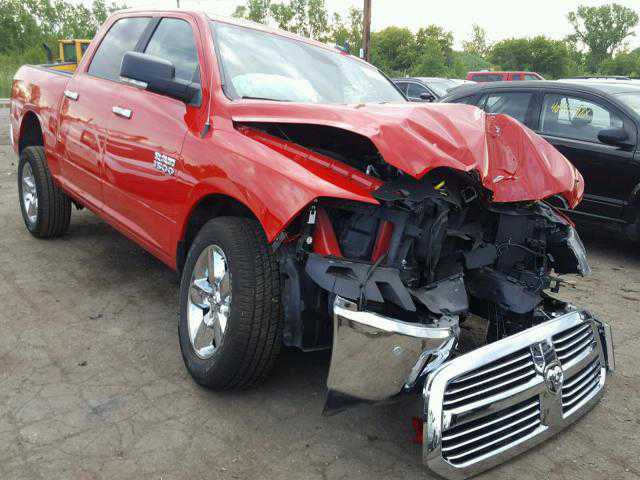
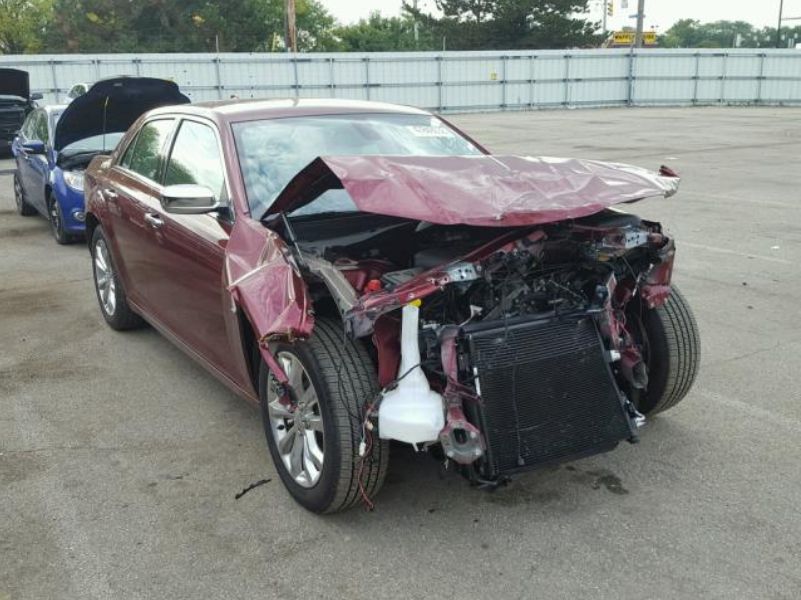
A serious accident vehicle does not always look dangerous once repairs and repainting are complete. That is one reason price alone should never be treated as proof of value.
What Types of Vehicles Are Commonly Linked to Title Washing?
Title washing most often affects vehicles with damage or legal history that would reduce their value if fully disclosed.
High-risk categories include
- salvage vehicles after major crashes
- rebuilt vehicles with serious prior damage
- flood-damaged cars after storms or hurricanes
- vehicles with insurance total loss history
- some stolen or recovered vehicles with document irregularities
If you want a clearer picture of how title brands affect buyers, branded titles is a useful place to start.
Warning Signs of a Washed Title
A washed title is not always obvious, but several clues should make you slow down.
1. The price is much lower than expected
A deal that looks far below market value may be hiding title or damage problems.
What to do
Compare the price with the vehicle’s condition, mileage, trim level, and normal market range. If the discount seems unusually large, ask why.
2. The seller has limited paperwork or vague answers
A seller who avoids direct questions about the vehicle’s history, damage, repairs, or previous title status may be hiding something.
What to do
Ask for service records, ownership details, repair invoices, and a clear explanation of the vehicle’s background.
3. The title history does not match the vehicle’s condition
A car may appear to have major repairs, rust, panel mismatch, or water damage even though the title shown to you looks clean.
What to do
Treat inconsistencies seriously. Cosmetic cleanup does not erase prior risk.
4. The car has been moved across multiple states
Frequent title transfers across jurisdictions in a short period can be a warning sign, especially if the vehicle also has damage clues or vague ownership history.
5. The VIN or paperwork raises doubts
If the VIN is hard to read, missing, mismatched, or inconsistent across the dashboard, door jamb, title, and registration, walk away until the issue is fully explained.
A free vehicle history report can help you review whether the vehicle’s background lines up with the seller’s claims.
How to Protect Yourself from Title Washing Scams
The best defense is not luck. It is a careful buying process.
Run a VIN check before negotiating
Do not wait until the final stage of the deal. Check the VIN early so you can screen out risky vehicles before investing more time.
A free VIN decoder can help confirm the vehicle’s identity and support further history research.
Read the vehicle history carefully
Do not just look for the words clean title. Review the full record for signs of salvage, flood, rebuild history, insurance total loss status, or suspicious transfer patterns.
If you are unsure how to interpret the record, how to read a vehicle history report can help you understand what matters most.
Inspect the vehicle in person
Look for clues such as:
- mismatched paint or body panels
- rust or corrosion inconsistent with the car’s age
- water stains or mildew odors
- warning lights or electronic issues
- signs of major repair work
Get an independent mechanic inspection
A mechanic may spot structural repairs, flood residue, poor workmanship, or hidden issues that the average buyer would miss.
Be cautious with deals that feel rushed
Scam sellers often rely on urgency. If you are being pushed to buy immediately, slow the process down.
Title Washing Facts Buyers Should Know
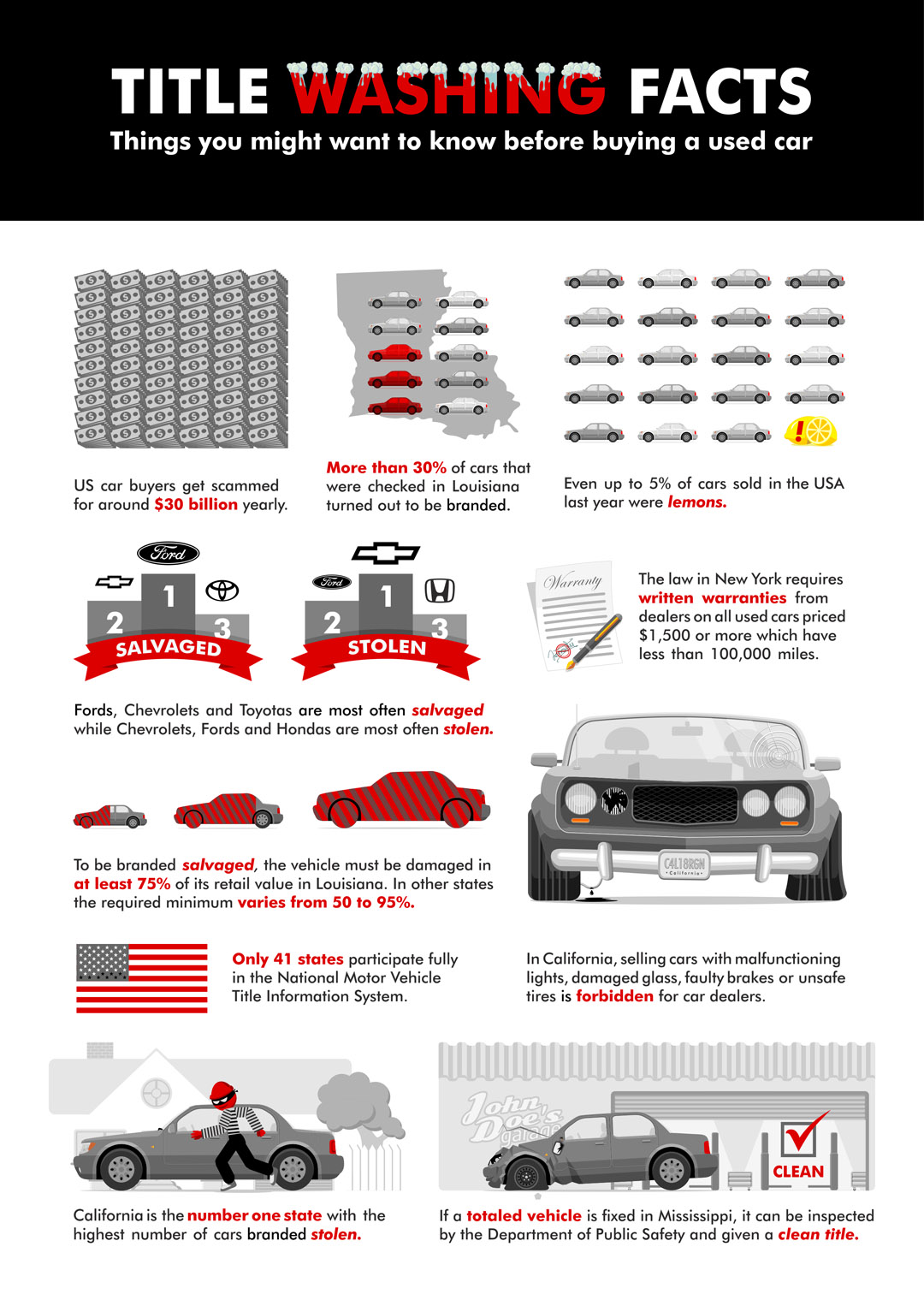
Title washing has been linked to major storm events, state-to-state title transfers, and theft-related VIN manipulation. Even though states report into national systems, gaps in branding visibility and enforcement can still leave buyers exposed.
Classic Signs of Title Fraud
Title washing is so widespread that you need to be conscious of the signs before you commit to a purchase.
Common clues to watch for
- the car has been titled in a state known for weaker title-branding controls
- the current owner has had the vehicle only a short time
- the odometer does not work or shows suspiciously low mileage
- the vehicle has unusual rust or corrosion for its age or location
- the paperwork and the condition of the vehicle do not tell the same story
Aside from the car’s paperwork, examine the vehicle itself closely. Even when the exterior looks good, the title history and physical clues may point in another direction.
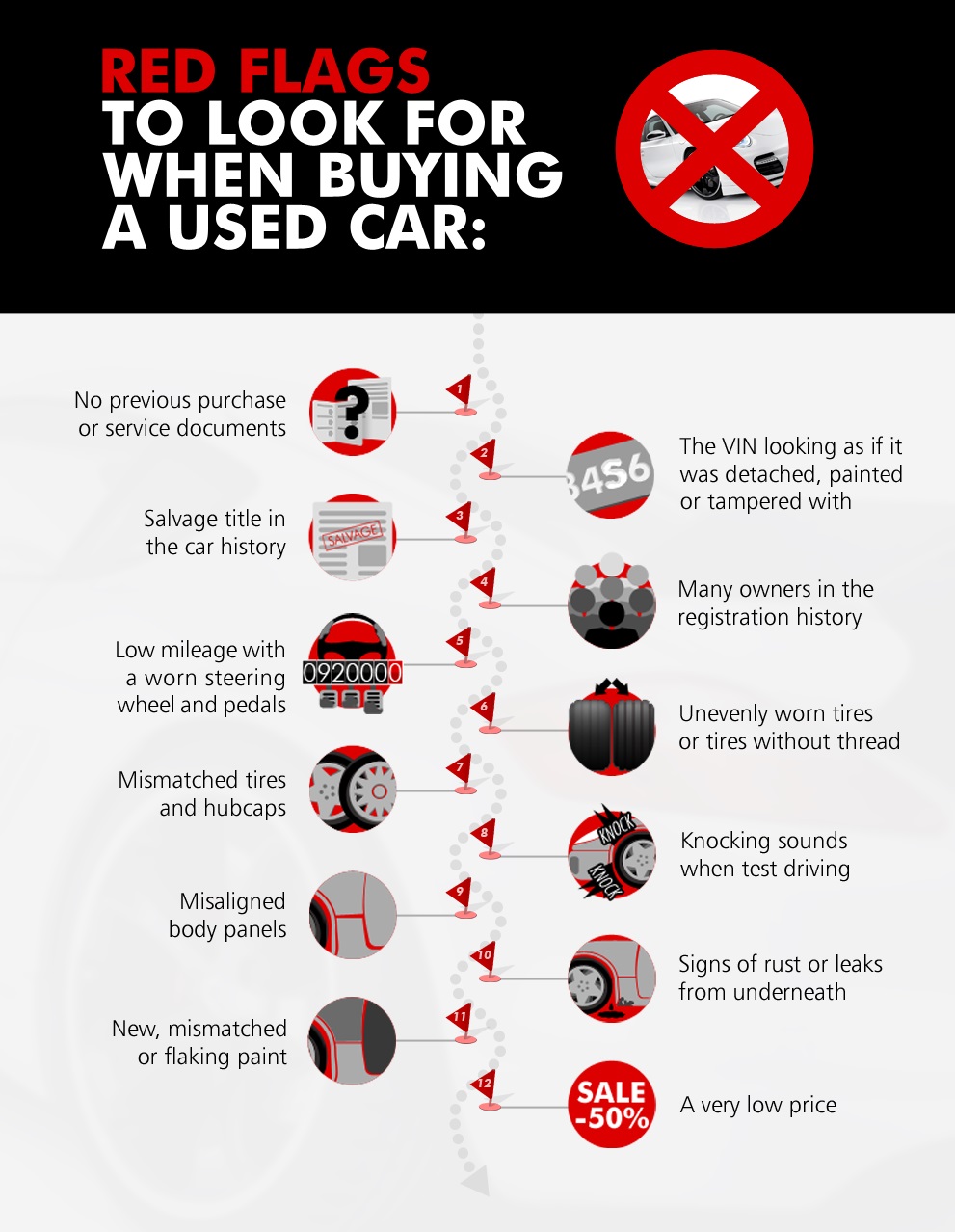
Visual red flags should also be taken seriously. Rust, poor repairs, mismatched panels, and wear patterns that do not match the mileage can all point to a problem vehicle.

Why Title Washing Matters for Safety, Value, and Liability
A washed title is not just a paperwork problem.
Safety risk
A vehicle with serious prior damage may no longer perform as expected in a crash, especially if repairs were incomplete or poorly done.
Financial risk
A buyer may overpay for a vehicle that should have been worth far less because of its damage history.
Insurance and resale risk
Insurers may limit coverage, and future buyers may be much less willing to pay once the true history is discovered.
Possible legal risk
If the vehicle turns out to have theft-related issues or title fraud complications, ownership problems may follow.
For a broader used-car buying framework, VIN checks for a safe and smart vehicle purchase shows how title history fits into a smarter buying process.
Before You Sign on the Dotted Line
Buying a used car can be exciting, but title washing is one of the reasons buyers should never rush the process.
If a deal feels too good to be true, slow down and verify the vehicle’s story. Check the VIN, read the history report carefully, inspect the car thoroughly, and question anything that does not add up. Those extra steps can save you money, stress, and possible legal trouble later.
Frequently Asked Questions
What is title washing in simple terms?
Title washing is the process of making a vehicle with serious negative history appear cleaner on paper than it really is.
Can a car have a clean title and still have serious past damage?
Yes. A clean-looking title does not always mean the vehicle has a clean past. That is why title history and VIN-based checks matter.
Are flood-damaged cars often linked to title washing?
Yes. Flood-damaged vehicles are among the most common vehicles associated with title washing because water damage can be expensive, hard to detect, and easy to hide cosmetically.
What is the biggest red flag for a washed title?
There is no single red flag, but a very low price, inconsistent paperwork, suspicious title transfers, and vehicle condition that does not match the story are major warning signs.
Final Thoughts
Title washing in America remains a serious risk for used car buyers because paperwork can hide what the vehicle itself has already been through.
A washed title may conceal prior flood damage, salvage history, major accident repairs, or other problems that make the car less safe and less valuable than it appears. That is why buyers should never rely on appearance or seller claims alone.
Before you commit to a used vehicle, check the VIN, review the history carefully, inspect the car thoroughly, and question anything that does not add up. A few extra steps now can save you from a very expensive mistake later.
Author
Nathan Whitmore
Nathan Whitmore is an automotive research writer focused on vehicle history reports, VIN analysis, title verification, and used-car background checks. He writes practical, consumer-friendly content that helps buyers understand how ownership records, accident history, branded titles, and lien data can affect a vehicle’s value and legal standing. His work is designed to make complex vehicle records easier to interpret before a sale is finalized.